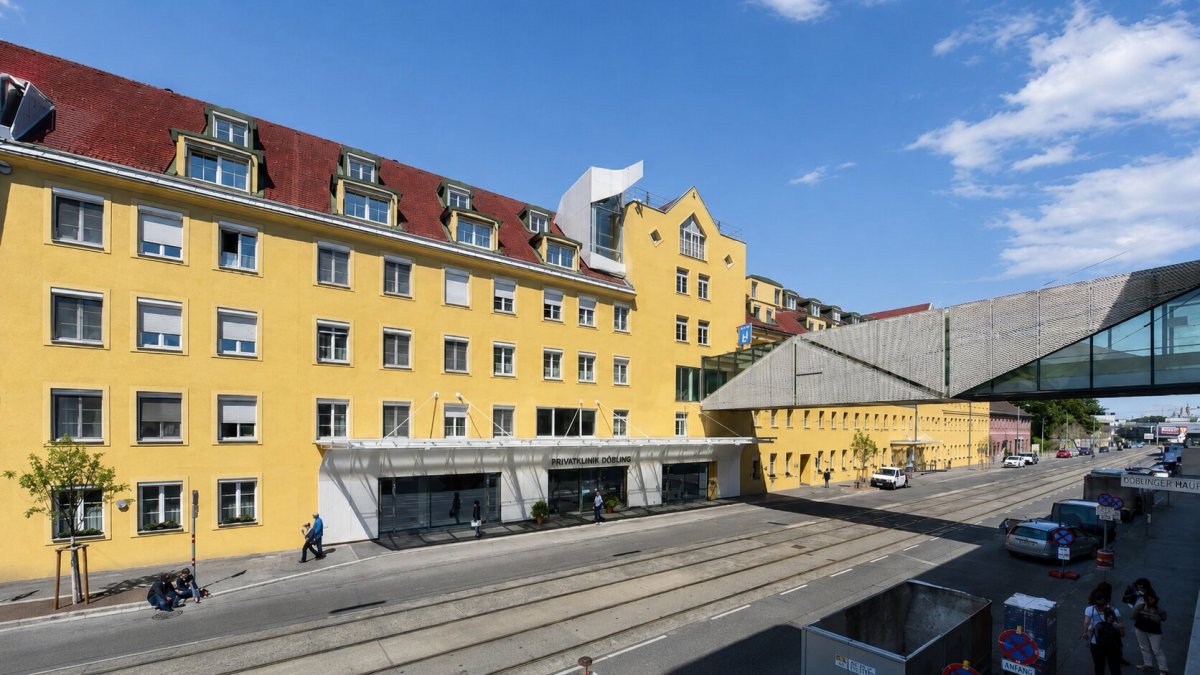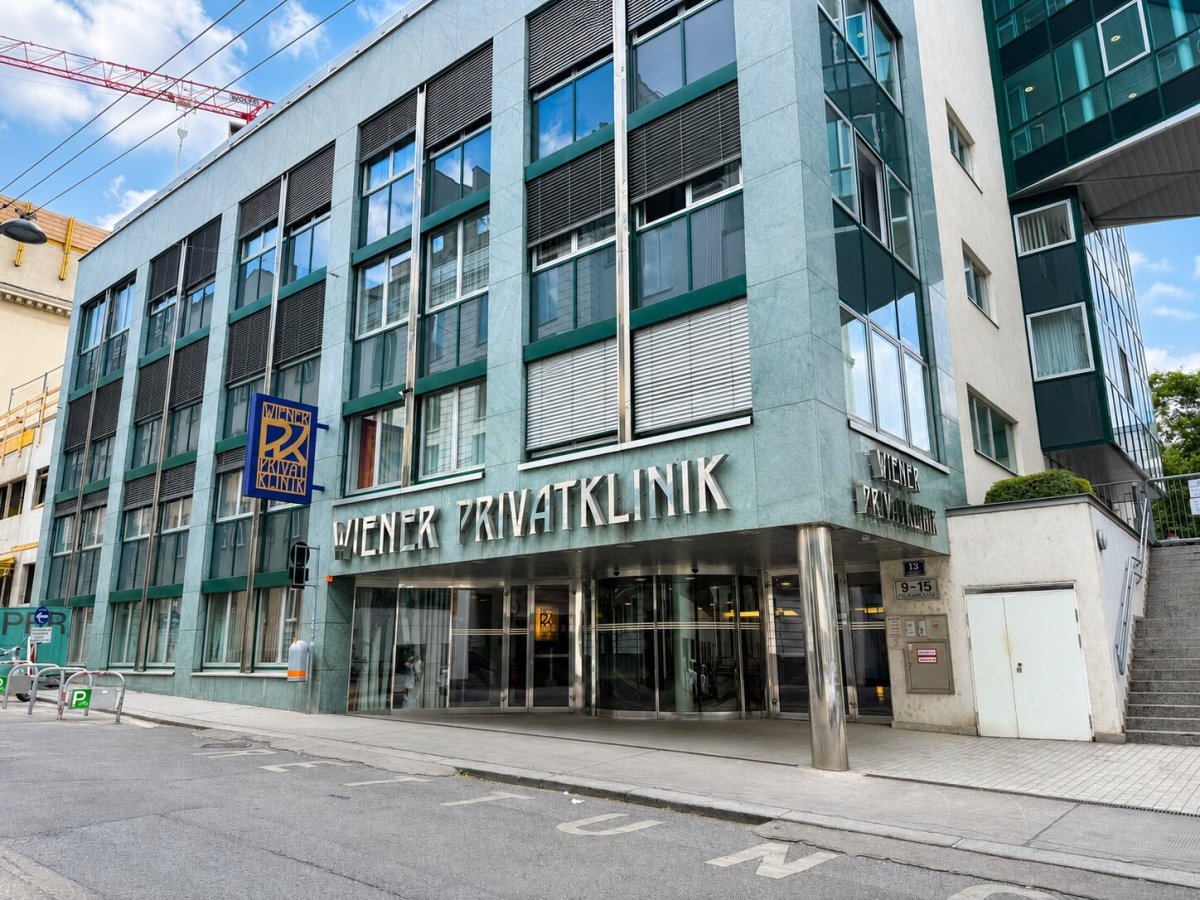
Clínica privada Wiener (Wiener Privatklinik)
Austria, Viena
Birgit Knerer-schally
27 años de experiencia

acreditaciones : 
Clínica certificada por : 





Revisado médicamente por
Fahad Mawlood
El costo del tratamiento del tabique desviado en Austria generalmente incluye una tomografía computarizada (TC) de los senos paranasales que oscila entre $190 y $340. Los costos de la corrección quirúrgica dependen de la complejidad del procedimiento, el nivel médico de la clínica y la estancia hospitalaria requerida. Los pacientes a menudo eligen entre una septoplastia estándar y opciones funcionales más avanzadas. Viena y Graz son los principales centros de atención especializada en oído, nariz y garganta (ORL) en el país.
Costos típicos del tratamiento del tabique desviado en Austria
Perspectiva de los expertos de Bookimed: Para los pacientes que buscan una alta precisión quirúrgica, las clínicas afiliadas a universidades en Viena ofrecen acceso a expertos de renombre mundial. La Wiener Privatklinik cuenta con profesores de primer nivel como Wolfgang Gstoettner, especializado en cirugía compleja de cabeza y cuello. Aquellos que priorizan la seguridad pueden preferir el Hospital Privado Döbling, que mantiene tasas de complicaciones por debajo de los valores nominales. El Hospital General de Viena (AKH) atiende a más de 595,000 pacientes al año, lo que lo hace adecuado para casos que requieren atención multidisciplinaria de nivel universitario. La mayoría de los paquetes privados incluyen los honorarios del cirujano, la anestesia y hasta dos noches de hospitalización.





El Prof. Gstöttner es el cirujano otorrinolaringólogo líder en Austria, especializado en tratamientos avanzados de trastornos auditivos y del equilibrio en la Wiener Privatklinik.
La Univ. Prof. Dr. Birgit Knerer-Schally combina la experiencia en ORL con la cirugía plástica facial, especializándose en correcciones nasales en la Wiener Privatklinik.
El profesor Gstoettner dirige el departamento de cirugía otorrinolaringológica en el Hospital General de Viena, uno de los centros médicos más importantes de Europa para procedimientos de cabeza y cuello.
 Olena Sikoza
La septoplastia en Austria es un procedimiento endonasal que dura entre 30 y 90 minutos para corregir una desviación del tabique nasal. Los cirujanos de centros certificados por la JCI, como el Hospital Privado Döbling, realizan incisiones internas para remodelar el cartílago. Este enfoque garantiza la ausencia de cicatrices externas y restablece el flujo de aire nasal libre para los pacientes.
Opinión de expertos de Bookimed: Los pacientes deberían priorizar a los especialistas afiliados a universidades, como el Dr. Wolfgang Gstöttner de la Wiener Privatklinik. Su experiencia como jefe de la clínica de otorrinolaringología de un hospital universitario demuestra un nivel de especialización generalmente reservado para cirugías reconstructivas complejas. Nuestros datos muestran que estos cirujanos, afiliados a instituciones
En Austria, un buen candidato para la septoplastia suele ser un paciente con congestión nasal crónica que no responde a la medicación. Los candidatos deben presentar una anomalía estructural documentada que cause dificultades respiratorias significativas. El tabique nasal debe haber completado su desarrollo, generalmente antes de los 18 años.
Opinión de expertos de Bookimed: Elegir a un especialista que ocupe puestos de liderazgo en sociedades médicas nacionales puede garantizar una atención clínica de alta calidad. El profesor Wolfgang Gstöttner, de la Clínica Privada de Viena, es presidente de la Sociedad Austriaca de Otorrinolaringología. Los datos muestran que estos especialistas suelen trabajar en centros universitarios, donde atienden a más de 16 000 pacientes al año. Este elevado volumen de trabajo generalmente s
La recuperación tras el tratamiento de la desviación del tabique nasal en Austria generalmente permite viajar entre 7 y 10 días después de la cirugía. La inflamación suele ser mayor durante los primeros 3 a 7 días. La mayoría de los cirujanos requieren una revisión de seguimiento para retirar el taponamiento nasal antes de autorizar un viaje internacional.
Opinión de expertos de Bookimed: Al elegir a un especialista como el Dr. Wolfgang Gstöttner de la Wiener Privatklinik, usted accede a más de 30 años de experiencia quirúrgica. Este alto nivel de especialización permite, a menudo, técnicas más precisas que pueden reducir el sangrado posoperatorio. Los médicos austriacos altamente cualificados suelen utilizar tampones absorbibles modernos, que pueden aliviar significativamente las molestias durante las primeras 48 horas después de la cirugía.
Clínicas austriacas como Wiener Privatklinik y Döbling Private Hospital se especializan en septoplastia, con especial énfasis en la cirugía nasal funcional. Estas instituciones mantienen altos estándares gracias a la certificación ISO y la experiencia de profesionales universitarios. Pacientes internacionales suelen viajar a Viena para consultar con especialistas como el Dr. Wolfgang Gstöttner y la Dra. Birgit Knehrer-Schally.
Opinión de expertos de Bookimed: Si bien el Hospital General de Viena (AKH) atiende a más de 595 000 pacientes al año, las clínicas privadas como la Wiener Privatklinik ofrecen un trato más personalizado. Los datos muestran que el 40 % de los pacientes de la Wiener Privatklinik son internacionales. Este elevado volumen de pacientes internacionales garantiza que el personal esté bien c
Los exámenes previos al viaje para el tratamiento de la desviación del tabique nasal en Austria se centran en la seguridad quirúrgica y la anatomía nasal. Los pacientes deben someterse a una tomografía computarizada (TC) de los senos paranasales. Las pruebas de laboratorio necesarias incluyen un perfil de coagulación y un electrocardiograma (ECG) para garantizar la salud cardíaca antes de la anestesia.
Opinión experta de Bookimed: Los datos clínicos del Hospital General de Viena (AKH) y del Hospital Privado de Viena muestran que muchos cirujanos también son profesores universitarios. Estos especialistas suelen solicitar tomografías computarizadas de alta resolución realizadas en los últimos seis meses. Dado que estos centros atienden a más de 500 000 pacientes al año, proporcionar imágenes dig
La septoplastia y la rinoplastia estética suelen combinarse en un solo procedimiento llamado septorrinoplastia. Este enfoque dual corrige las obstrucciones de las vías respiratorias internas a la vez que mejora la estética externa de la nariz. Cirujanos especializados en Viena utilizan cartílago septal extraído como injerto estructural durante el mismo procedimiento.
Opinión experta de Bookimed: Los datos clínicos de Viena muestran una preferencia por especialistas con doble titulación, como la profesora Birgit Knehrer-Schally de la Clínica Privada de Viena. Estos especialistas están cualificados tanto en otorrinolaringología como en cirugía plástica facial. Elegir un cirujano con esta doble especialización garantiza que la integridad estructural nunca se vea comprometida por mejoras estéticas. Esto es especialmente importante en Austria, donde hospitales privados como
La septoplastia cerrada no deja cicatrices externas visibles. Los cirujanos realizan todo el procedimiento a través de incisiones endonasales ocultas dentro de las fosas nasales. Dado que no se corta la piel del rostro, no quedan marcas en la nariz. Los tejidos internos cicatrizan completamente en pocas semanas, sin dejar marcas perceptibles.
Opinión experta de Bookimed: Los principales especialistas en otorrinolaringología de Austria suelen compaginar su labor como profesores universitarios con la de investigadores activos. Por ejemplo, el Dr. Wolfgang Gstöttner, de la Clínica Privada de Viena, cuenta con más de 30 años de experiencia. Esta sólida formación académica garantiza que los pacientes reciban tratamiento quirúrgico de expertos que contribuyen a definir los estándares quirúrgicos modernos. Cirujanos altamente cualificados en Viena realizan intervenciones quirúrgicas a más