The Nose Aesthetic Clinic
Turquía, Estambul
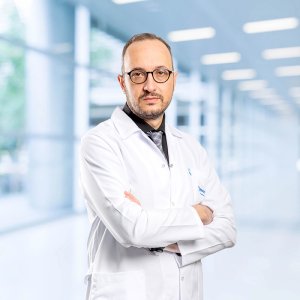
Cem Altindag
27 años de experiencia • 5000+ tratamientos realizados

acreditaciones : 
Portafolio del cirujano
Clínica certificada por : 


Revisado médicamente por
Fahad Mawlood
El costo de tratar un tabique desviado en Turquía varía según el procedimiento. Una septoplastia, comúnmente realizada para corregir un tabique desviado, tiene un precio de aproximadamente 1.900 €. Para un enfoque más completo, incluyendo rinoplastia con injertos, el precio varía de 2.650 € a 3.300 €. Si se requiere una rinoplastia de revisión, el costo puede aumentar entre 4.750 € y 5.700 €. Estos precios a menudo incluyen servicios adicionales como pruebas preoperatorias, anestesia, estancia hospitalaria y cuidados postoperatorios, aunque los detalles pueden variar.



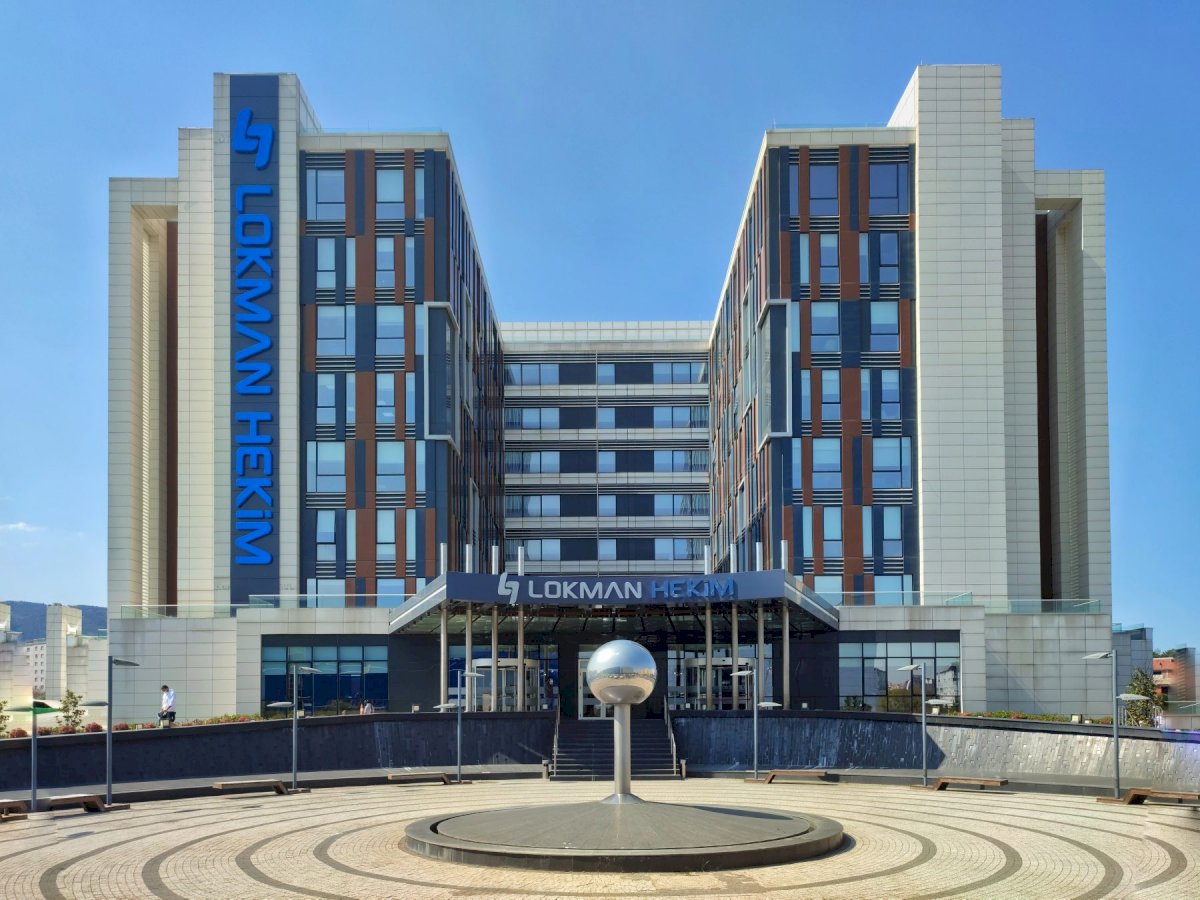
El Dr. Emre Gunbey ha realizado más de 900 tratamientos con un enfoque en estética nasal y cirugía de senos paranasales en el Hospital Lokman Hekim de Estambul.
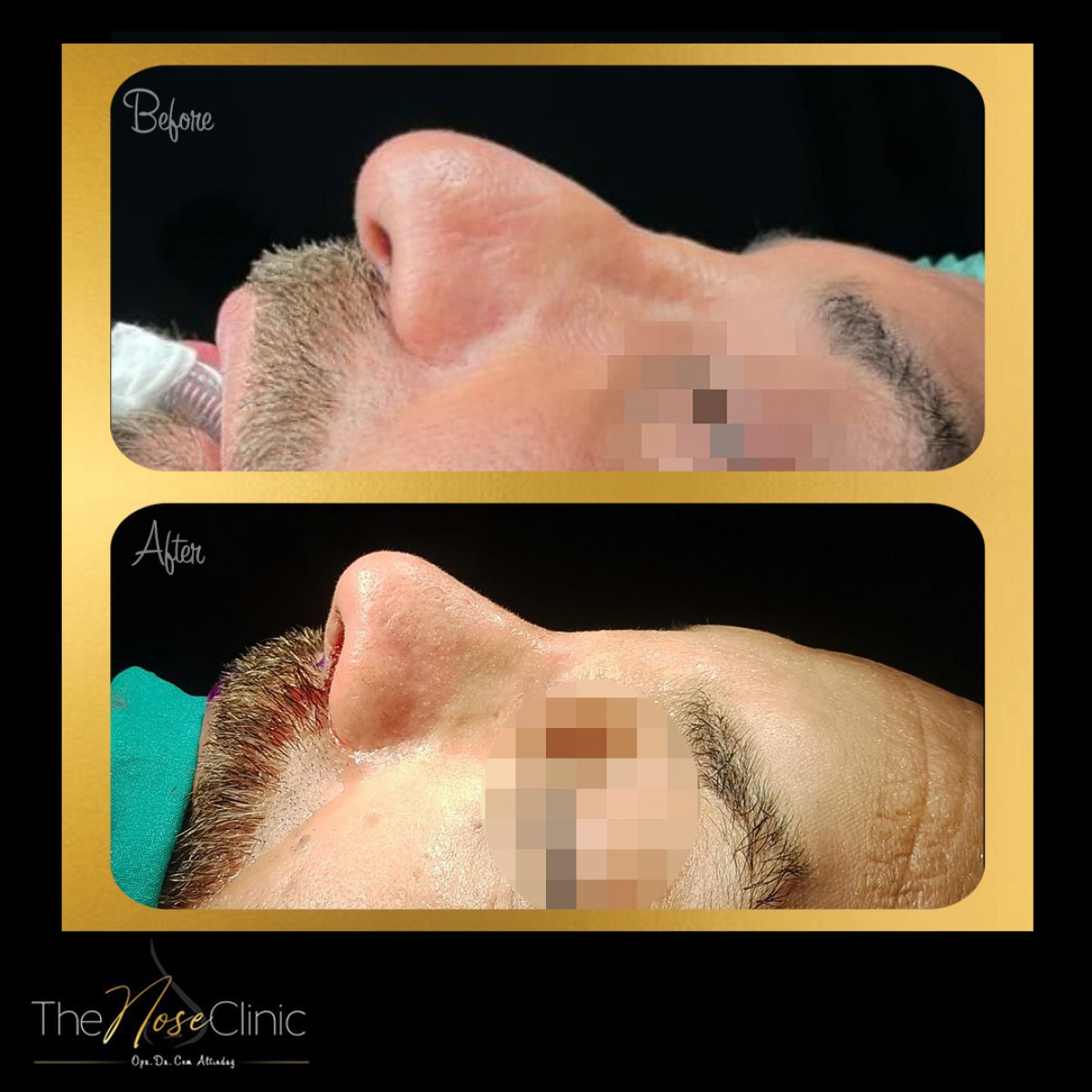
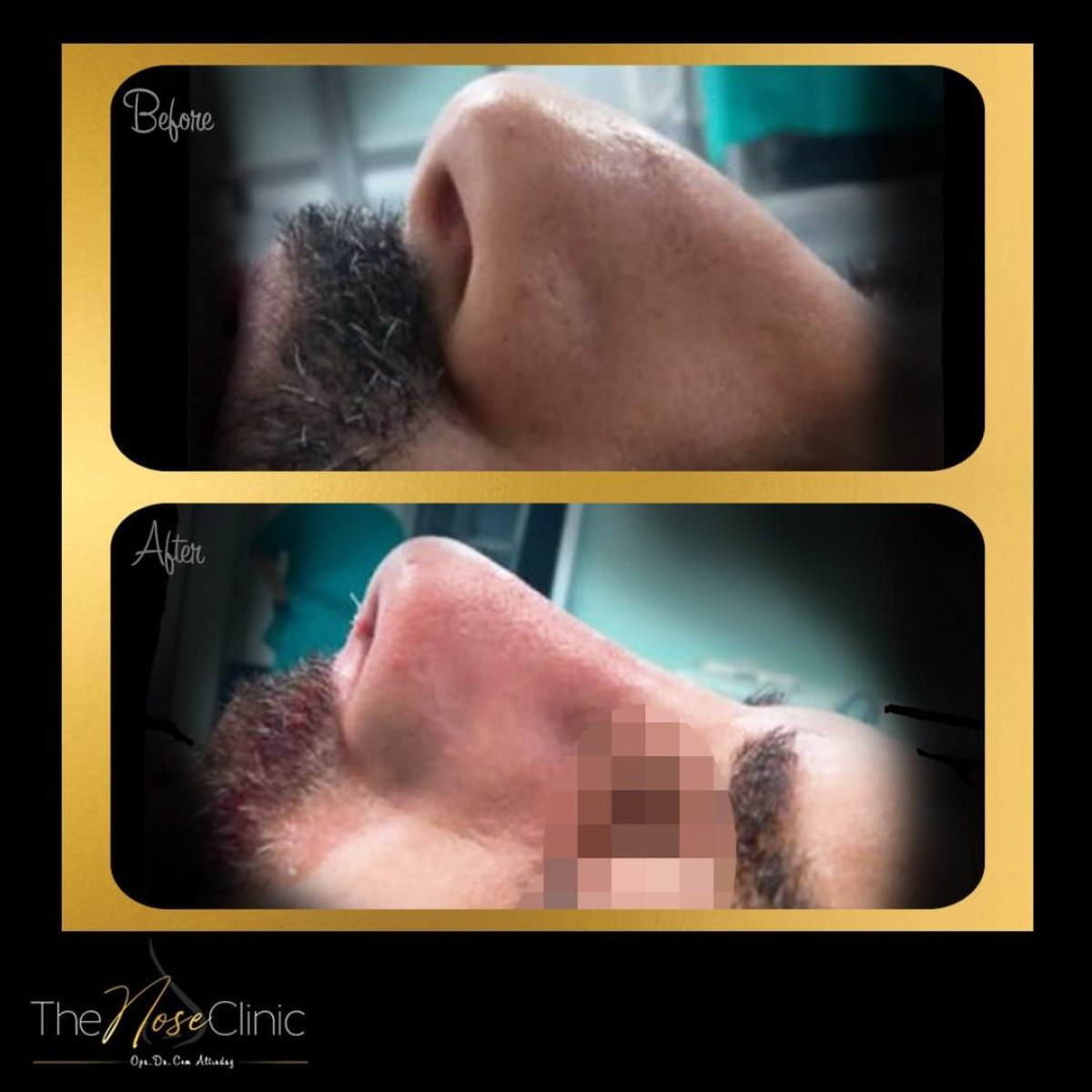
El Dr. Cem Altindag ha realizado más de 5.000 procedimientos de rinoplastia, especializándose tanto en cirugía nasal estética como funcional.
El Dr. Mustafa Akarcay es un especialista en otorrinolaringología con más de 20 años de experiencia. Es reconocido por sus tratamientos avanzados y habilidades quirúrgicas en enfermedades de oído, nariz y garganta.
Ha dirigido el Departamento de ORL en la Facultad de Medicina de la Universidad Demiroğlu Bilim – Hospital Şişli Florence Nightingale. También fue profesor asociado en las universidades de İzmir e İnönü. El Dr. Akarcay ha realizado importantes aportes a la investigación y e

El Dr. Altoparlak ha realizado más de 900 procedimientos de rinoplastia y rinoseptoplastia con un sólido historial de satisfacción del paciente.
 Olena Sikoza
La septoplastia en Turquía es segura cuando se realiza en instalaciones con acreditación de la Joint Commission International (JCI). Los hospitales turcos siguen estrictos protocolos del Ministerio de Salud. Los cirujanos certificados suelen poseer credenciales del European Board of Plastic Surgery (EBOPRAS). Estos estándares garantizan entornos quirúrgicos controlados y altas tasas de éxito.
Perspectiva del experto de Bookimed: Los datos de centros populares como The Nose Clinic en Estambul muestran una tendencia hacia la especialización en la atención exclusiva para adultos. Esta clínica atiende a 500 pacientes al año y se centra exclusivamente en procedimientos nasales. Elegir una instalación que limita su alcance a menudo conduce a resultados quirúrgicos más refinados. Esta especialización ayuda a los cirujanos a mantener una mayor experienc
Los cirujanos en Turquía utilizan principalmente la técnica endonasal cerrada para la cirugía de tabique desviado. Este método implica solo incisiones internas, lo que garantiza que no haya cicatrices externas visibles. La técnica abierta se utiliza para reconstrucciones anatómicas complejas. Puede dejar una marca pequeña y tenue que generalmente se desvanece con el tiempo.
Perspectiva del experto de Bookimed: Los especialistas en otorrinolaringología turcos como el Dr. Cem Altindag o el Dr. Tayfun Apuhan a menudo han realizado de 4,000 a 5,000 procedimientos. Este alto volumen permite a las clínicas ofrecer una atención altamente especializada. Por ejemplo, el Hospital Hisar Intercontinental informa que atiende a 250,000 pacientes anualmente en sus departamentos multidisciplinarios. Los pacientes se benefician de esta experiencia colectiva, ya que los cirujanos encuentran y tratan
La septoplastia en Turquía proporciona un alivio funcional inmediato al enderezar el tabique nasal para despejar las vías respiratorias. Los pacientes suelen experimentar una mejora respiratoria permanente y una mejor calidad del sueño en un plazo de 8 semanas. Aunque los cambios estructurales son de por vida, los problemas secundarios como las alergias pueden requerir un tratamiento continuo para una salud nasal óptima.
Perspectiva del experto de Bookimed: Los datos de The Nose Clinic muestran que los cirujanos de alto volumen como el Dr. Cem Altindag, que ha realizado más de 5.000 procedimientos, ofrecen una experiencia significativa en la prevención de la re-desviación. Aunque los resultados de la septoplastia son generalmente permanentes, elegir un cirujano especializado tanto en cirugía nasal funcional como estética garantiza que el soporte e
La recuperación postoperatoria normal incluye un drenaje sanguíneo leve, congestión nasal y una leve presión facial que dura hasta 14 días. Busque atención inmediata si presenta fiebre alta superior a 38,3°C (101°F), sangrado abundante que dura 20 minutos a pesar de aplicar presión, o dolor creciente y secreción con mal olor.
Perspectiva del experto de Bookimed: Los especialistas en otorrinolaringología turcos como el Dr. Cem Altindag o el Dr. Tayfun Apuhan han realizado más de 4,000–5,000 operaciones cada uno. Este alto volumen significa que a menudo utilizan férulas avanzadas que permiten una mejor respiración inmediata. Aunque es común, verifique si su cirujano incluye estas férulas modernas para reducir la intensa sensación de obstrucción reportada en protocolos más antiguos.
Consenso de los pacientes: Los pacientes señalan que la obst
Los buenos candidatos para una septoplastia en Turquía sufren de obstrucción nasal crónica, infecciones sinusales persistentes o apnea del sueño causada por un tabique desviado. Deben ser mayores de 17 años para asegurar un crecimiento facial completo. Los pacientes típicos de este procedimiento priorizan las mejoras funcionales en la respiración sobre los cambios puramente cosméticos.
Perspectiva del experto de Bookimed: Las clínicas de otorrinolaringología turcas como The Nose Clinic enfatizan la experiencia de alto volumen, con cirujanos como el Dr. Cem Altindag realizando más de 5,000 procedimientos. Los pacientes deben priorizar a médicos con becas internacionales, como el Dr. Yavuz Selim Yildirim, miembro del American College of Surgeons. Este nivel de especialización a menudo se correlaciona con califi
La combinación de septoplastia y rinoplastia se recomienda a menudo para resolver problemas respiratorios y preocupaciones estéticas simultáneamente. Este procedimiento conjunto utiliza cartílago septal para remodelar la nariz. Mientras que la recuperación de una septoplastia sola toma 7 días, el enfoque combinado requiere de 10 a 14 días para que la hinchazón y los hematomas visibles disminuyan.
Perspectiva del experto de Bookimed: Turquía es un líder mundial en esta combinación, con clínicas como The Nose Clinic realizando más de 500 procedimientos al año. Especialistas como el Dr. Cem Altindag han realizado más de 5,000 cirugías, proporcionando un margen de seguridad significativo para casos de revisión complejos. Este alto volumen permite a los cirujanos turcos perfeccionar técnicas que minimizan el trauma tisular, razón por la cual muchos pacientes internacionales informan sentirse cómodos v