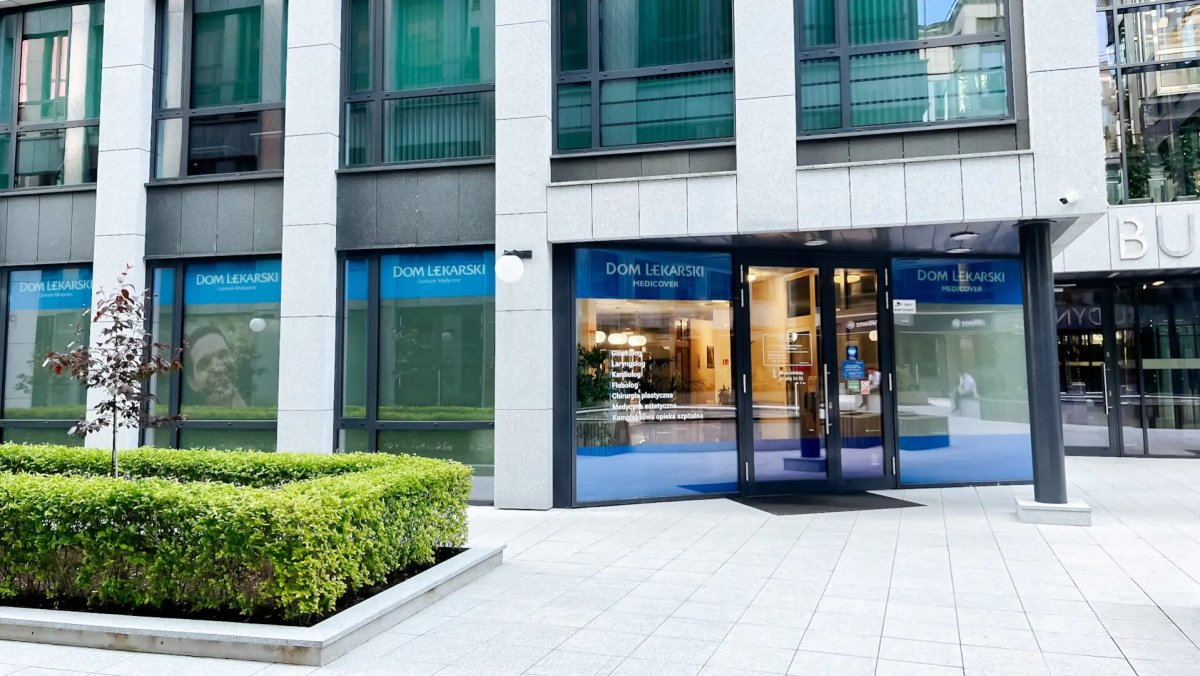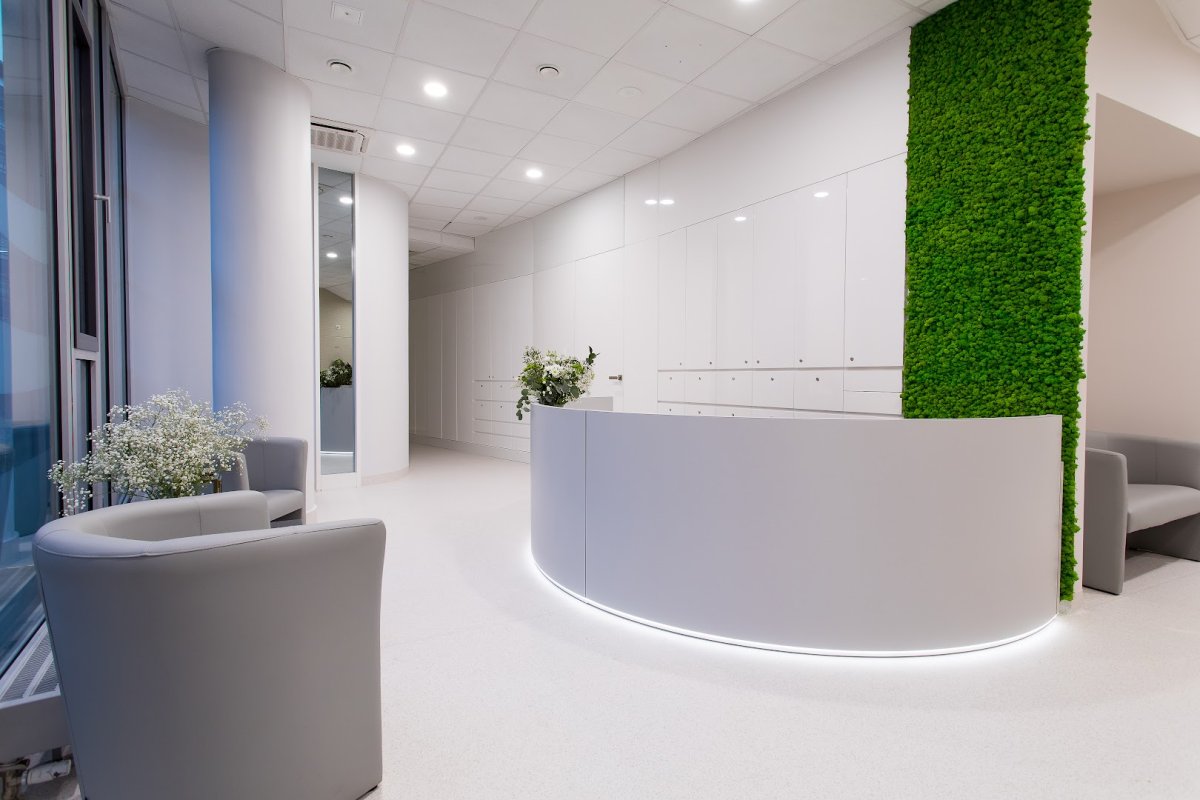
Centro Médico Krajmed
Polonia, Varsovia


Revisado médicamente por
Fahad Mawlood
El costo del tratamiento del tabique desviado en Polonia generalmente incluye diagnósticos esenciales como una tomografía computarizada (TC) de los senos paranasales, que oscila entre $40 y $80. El gasto total depende de la técnica quirúrgica, como los enfoques clásicos o endoscópicos, y de la ubicación de la clínica. Los pacientes pueden esperar ahorros del 50-70% en comparación con los Estados Unidos. Las principales ciudades para este procedimiento incluyen Varsovia, Cracovia y Jelenia Góra.
Costos típicos del tratamiento del tabique desviado en Polonia
Perspectiva de los expertos de Bookimed: Los pacientes que buscan resultados de alta precisión deben priorizar las clínicas que ofrecen técnicas endoscópicas. El Hospital Carolina en Varsovia funciona como un Centro Médico de Excelencia de la FIFA con cirujanos especialistas en otorrinolaringología. Para los pacientes internacionales, KCM Clinic ofrece programas integrales para gestionar la logística de viaje de manera efectiva. Los centros multidisciplinarios como el Hospital Universitario de Cracovia son los mejores para casos complejos que requieren un amplio equipamiento técnico y la supervisión de diversos especialistas.





El Dr. Grzegorz Kierzynka es cirujano plástico en la Clínica KCM de Polonia. Realiza más de 40 tipos de procedimientos estéticos y reconstructivos. Posee un doctorado y practica la cirugía plástica desde 2004. El Dr. Kierzynka se especializa en aumento de senos, rinoplastia y contorno corporal.

Más de 900 procedimientos nasales realizados: el Dr. Anurin se especializa en cirugía endoscópica de senos paranasales mínimamente invasiva en el Hospital Mazowiecki Bródnowski.
 Olena Sikoza
Polonia cuenta con instalaciones altamente acreditadas para la septoplastia. Entre las clínicas líderes se encuentran el Carolina Hospital en Varsovia, un Centro Médico de Excelencia de la FIFA con certificación ISO 9001:2015. La Clínica KCM en Jelenia Góra y el Hospital Universitario de Cracovia también representan opciones de primer nivel. Estos centros se especializan en técnicas endoscópicas y mínimamente invasivas.
Perspectiva del experto de Bookimed: Los datos clínicos muestran una clara división de especialización entre Varsovia y los centros regionales. Las clínicas de Varsovia, como el Carolina Hospital, se centran en estándares de medicina deportiva de alta precisión. Los centros regionales como la Clínica KCM en Jelenia Góra destacan en la atención a pacientes internacionales. Esto garantiza que el personal de habla inglesa y la logística optimizada para los viajeros sean la norm
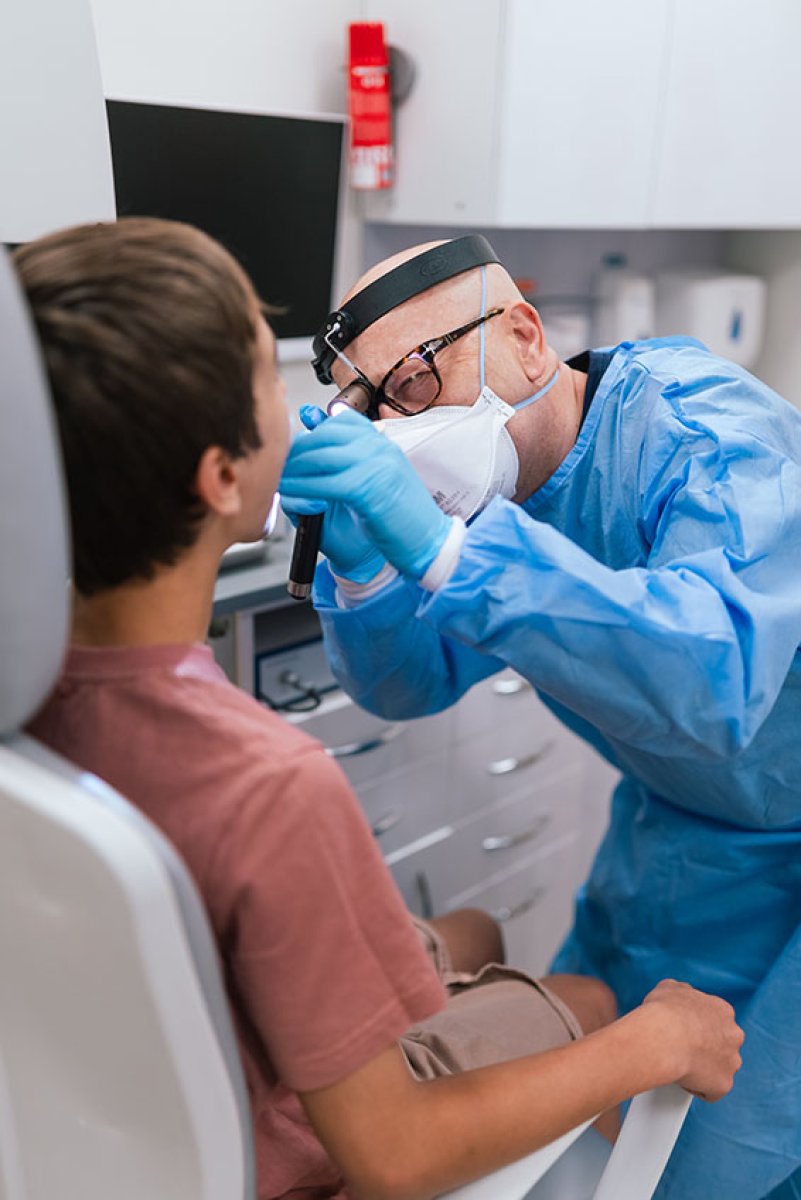
La septoplastia en Polonia es un procedimiento mínimamente invasivo que se realiza a través de las fosas nasales para enderezar el tabique nasal. Los cirujanos suelen utilizar anestesia general o anestesia local con sedación. La cirugía dura de 30 a 90 minutos y no deja cicatrices externas visibles.
Perspectiva de expertos de Bookimed: Los centros de gran volumen como el Hospital Universitario de Cracovia tratan a 455.000 pacientes al año. Esta escala masiva a menudo conduce a una experiencia especializada en técnicas endoscópicas. Seleccionar un centro con certificación ISO 9001:2015, como el Hospital Carolina, garantiza protocolos de seguridad estandarizados durante la anestesia. El Dr. Igor Anurin del Hospital Carolina tiene más de 15 años de experiencia en cirugía endoscópica funcional de los senos paranasales. Esta profun
La mayoría de los pacientes que se someten a una septoplastia en Polonia regresan a casa el mismo día. Este procedimiento se realiza habitualmente como cirugía ambulatoria. Si su cirujano lo combina con una turbinoplastia, es posible que deba quedarse una noche. La mayoría de los casos funcionales no requieren hospitalización.
Opinión de expertos de Bookimed: Los datos de centros con mayor volumen muestran una clara tendencia hacia el alta el mismo día para cirugías nasales funcionales. Por ejemplo, el Hospital Universitario de Cracovia gestiona más de 450.000 pacientes al año utilizando protocolos ambulatorios eficientes. Si su procedimiento es independiente, probablemente solo necesite prepararse para unas pocas horas en la clínica.
Consenso de los pacientes: Los pacientes señalan que debe organizar un transporte a casa para la tarde. A menudo enfatizan que la primera n
La recuperación tras el tratamiento de la desviación del tabique nasal en Polonia suele permitir la reanudación de actividades ligeras en un plazo de 5 a 7 días. La mayoría de los pacientes permanecen en el hospital solo 1 noche. La curación interna tarda 6 semanas, mientras que la hinchazón externa DISMINUYE en su mayor parte después de 14 días.
Perspectiva de expertos de Bookimed: Las clínicas en Varsovia y Jelenia Góra a menudo utilizan taponamiento nasal reabsorbible en lugar de gasa tradicional. Esta elección mejora significativamente la comodidad del paciente durante las críticas primeras 48 horas. Nuestros datos muestran que esta técnica permite a los pacientes internacionales volar a casa de forma segura para el día 3. El Dr. Igor Anurin en el Hospital Carolina realiza estos pr
Las restricciones postoperatorias tras el tratamiento de desviación del tabique nasal en Polonia se centran en prevenir hemorragias y asegurar una correcta cicatrización. Los pacientes deben evitar el ejercicio intenso durante 2 a 4 semanas. La mayoría de los cirujanos prohíben sonarse la nariz durante 7 a 10 días. La recuperación total suele durar 6 semanas.
Perspectiva del experto de Bookimed: Aunque clínicas como el Carolina Hospital se especializan en técnicas endoscópicas avanzadas, los cirujanos polacos suelen enfatizar la recuperación funcional sobre el taponamiento tradicional. Los datos muestran que especialistas como el Dr. Igor Anurin completan los procedimientos FESS en menos de 2 horas. Elegir opciones mínimamente invasivas a menudo reduce el período de recuperación inicial en varios días.
Consenso de los pacientes: Los pacientes señalan que volver a correr demasiado pronto puede provocar pequeñas hemo
La septoplastia estándar en Polonia generalmente no deja cicatrices externas visibles. Los cirujanos realizan el procedimiento por vía endonasal haciendo incisiones completamente dentro de las fosas nasales. Para reconstrucciones complejas, un abordaje abierto podría dejar una cicatriz diminuta y tenue en la columela. Esta marca suele desaparecer por completo en un plazo de 12 a 24 meses.
Perspectiva del experto de Bookimed: Los datos de los pacientes muestran que, aunque muchos buscan la septoplastia para mejorar la respiración, es recomendable elegir a un especialista como el Dr. Igor Anurin en el Carolina Hospital. Cuenta con más de 15 años de experiencia tanto en septoplastia como en rinoplastia. Esta doble especialización garantiza una corrección funcional sin arriesgar la forma estética de la nariz. Los departamentos especializados en otorrinolaringología en Polonia suelen tratar a
La neurocirugía en Polonia ofrece atención de alta calidad en centros con certificación JCI e ISO. Los neurocirujanos polacos se adhieren a estrictos estándares de formación adoptados por la Unión Europea. Muchos han completado becas en Estados Unidos o Alemania. Tecnologías avanzadas, como CyberKnife, Gamma Knife y sistemas robóticos, están ampliamente disponibles en centros privados.
Opinión experta de Bookimed: Los datos muestran una fuerte correlación entre la especialización de una clínica y el origen de sus pacientes. La Clínica KCM atiende a más de 700 pacientes internacionales al año. Se especializa en cirugía de columna mínimamente invasiva. Este volumen de trabajo le permite ofrecer paquetes de servicios especializados, que a menudo incluyen bloques de diagnóstico e implantes específicos, como el DIAM de Medtronic.
Los neurocirujanos polacos son especialistas altamente cualificados que han completado al menos 13 años de rigurosa formación médica. Esto incluye seis años de estudios de medicina, 13 meses de prácticas y seis años de residencia. Deben aprobar el Examen Estatal de Especialización (PES) y suelen estar certificados por la Asociación Europea de Sociedades de Neurocirugía (EANS).
Opinión experta de Bookimed: Los datos muestran que los neurocirujanos polacos suelen especializarse en tecnologías altamente especializadas, como el sistema ApiFix o el sistema de endoscopia lumbar SED-YESS. Especialistas como el Dr. Stanisław Kwek, de la Clínica KCM, combinan la investigación postdoctoral con una práctica quirúrgica activa. Esta combinación de profundos conocimientos académicos y un alto volumen quirúrgico los hace especialmente eficaces en cirugías de columna complejas y mínimamente in
Entre las mejores clínicas neuroquirúrgicas de Polonia se encuentran el Hospital Carolina, la Clínica KCM y centros académicos de primer nivel como el Hospital Universitario de Cracovia. Estas instituciones ofrecen tratamientos de vanguardia para enfermedades de la columna vertebral y el cerebro que cumplen con los estándares de calidad ISO y emplean a especialistas miembros de organizaciones internacionales como AO Spine.
Opinión experta de Bookimed: Si bien muchos buscan los hospitales más grandes, los datos muestran que clínicas como el Hospital Carolina ofrecen mayor eficiencia para cirugías electivas. Con más de 40 médicos especialistas en este centro de 30 camas, la proporción médico-paciente es significativamente mayor que en los centros universitarios públicos. Esto se traduc
En Polonia, la neurocirugía se centra principalmente en cirugías de columna y extirpación de tumores cerebrales. Los hospitales realizan con frecuencia microdiscectomías, fusiones espinales y estimulación cerebral profunda. Centros como el Hospital Carolina y la Clínica KCM utilizan técnicas mínimamente invasivas para tratar hernias discales, lesiones de columna y trastornos neurológicos complejos.
Opinión experta de Bookimed: Polonia se ha convertido en un centro de estabilización espinal especializada. Clínicas como el Hospital Carolina colaboran con equipos deportivos nacionales, lo que refleja su alto nivel de experiencia en el tratamiento de lesiones espinales complejas. Nuestros datos muestran que estas instituciones suelen integrar la rehabilitación directamente en el tratamiento quirúrgico. Esta combinación reduce el riesgo de compl