Ir a inicio

Cómo funciona

Hemos transformado el proceso de búsqueda de clínicas, haciéndolo simple, rápido y personalizado.
Responda algunas preguntasComplete un breve formulario para contarnos sobre su estado de salud y necesidades médicas.
Obtenga ofertas personalizadas3 clínicas seleccionadas especialmente según sus respuestas le proporcionan planes de tratamiento personalizados y presupuestos.
Elija la mejor opciónCompare ofertas y elija la clínica que más le convenga.
También puede consultar las 8 clínicas a continuación.
820К+ pacientes han recibido asistencia desde 2014
50 países
1,500 clínicas
6K+ reseñas
3K+ médicos calificados

¿Cuál es el precio del diagnóstico y los tratamientos de Tabique desviado en Corea del Sur? Descubra ahora

El precio se proporciona bajo petición

Descubra las mejores clínicas de tratamiento de Tabique desviado en Corea del Sur: 8 opciones verificadas y Precios

El ranking de clínicas de Bookimed se basa en algoritmos de data science, ofreciendo una comparación confiable, transparente y objetiva. Tiene en cuenta la demanda de pacientes, las puntuaciones de reseñas (positivas y negativas), la frecuencia de actualización de opciones de tratamiento y precios, la rapidez de respuesta y las certificaciones de las clínicas.
SAERO Plastic Surgery
5.029 reseñas
Precio a consultar
Más información
Clínica de cirugía plástica VG Plastic Surgery
4.915 reseñas
Precio a consultar
Más información
Seoul National University Bundang Hospital (SNUBH)
4.86 reseñas
Precio a consultar
Más información
Asan Medical Center
4.57 reseñas
Precio a consultar
Más información
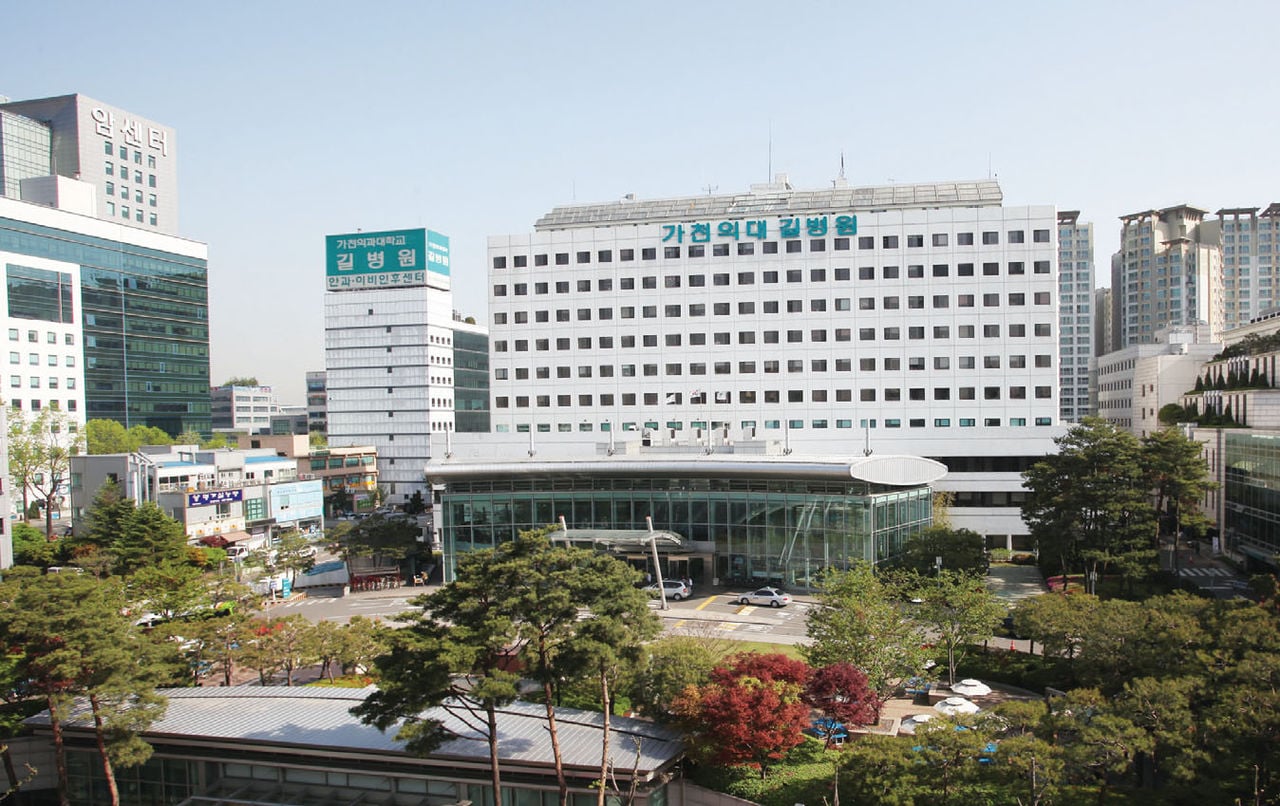
Gachon University Gil Medical Center

Compartir contenido

Historias en video de pacientes de Bookimed

Dayana
Combiné mis vacaciones en Antalya con un chequeo médico.
Procedimiento: Chequeo femenino
Igor
¡Fue genial! Traslados, alojamiento, tratamiento, todo incluido.
Procedimiento: Implante dental
Clínica: WestDent Clinic
Marina
Bookimed se encargó de todo. No tuve que preocuparme por nada.
Procedimiento: Chequeo femenino
Actualizado: 11/27/2023
Escrito por
Olena Sikoza
Olena Sikoza
Сopywriter en español
Copywriter médica certificada responsable del contenido en español de Bookimed. Más de 7 años de experiencia en redacción sobre salud y turismo médico, con formación académica en edición científica y desarrollo de contenidos.
Fahad Mawlood
Editor médico y Científico de datos
Médico general. Ganador de 4 premios científicos. Sirvió en Asia Occidental. Es el ex jefe del equipo médico que soporta a pacientes de habla árabe. Ahora es responsable del procesamiento de datos y la precisión del contenido médico.
Fahad Mawlood Linkedin
Esta página puede incluir información relacionada con diversas afecciones médicas, tratamientos y servicios de salud disponibles en diferentes países. Tenga en cuenta que el contenido se proporciona sólo con fines informativos y no debe interpretarse como asesoramiento médico o orientación. Por favor consulte con su médico o con un profesional médico calificado antes de comenzar o cambiar el tratamiento médico.

Preguntas frecuentes sobre el tratamiento de Tabique desviado en Corea del Sur

Estas preguntas frecuentes provienen de pacientes reales que buscan atención médica a través de Bookimed. Las respuestas son proporcionadas por coordinadores médicos experimentados y representantes autorizados de las clínicas.

Is the procedure purely functional, or can it change my nose's appearance?

Septoplasty in the Republic of Korea is primarily functional but often subtly changes your nose's appearance. Surgeons straighten the internal wall to improve breathing. If the deviation is near the front, your nose may look more symmetrical. Many Korean clinics combine functional repair with aesthetic refinement.

  • Septoplasty goal: Straightens the internal septum to restore proper airflow.
  • Aesthetic outcomes: Smoothing a nasal hump is common in Korean clinics.
  • Combined procedures: Surgeons often perform septorhinoplasty to ensure external symmetry.
  • Structural changes: Cartilage reshaping may refine the nasal tip or profile.

Bookimed Expert Insight: Korean clinics like VG Plastic Surgery and SAERO Plastic Surgery treat over 1,700 patients annually. Large centers like Asan Medical Center perform over 65,000 operations yearly. Data shows Korean specialists often integrate dorsal reduction into functional cases. This ensures the nose looks harmonious after fixing the internal structure.

Patient Consensus: Patients note that purely functional surgeries in Korea often result in a slimmer profile. Many recommend being very clear if you want your appearance to stay exactly the same.

What is the documented success rate for septoplasty in Korea?

Documented success rates for septoplasty in Korea range from 85% to 90% for primary procedures. Leading institutions report significant breathing improvements within one month. Long-term satisfaction typically stays between 55% and 84%. Revision surgery is required for approximately 5% to 15% of patients.

  • Procedure success: Primary septoplasty shows 85% to 90% success in Korea.
  • Symptom relief: Nasal obstruction scores decrease significantly within the first month.
  • Revision rates: Approximately 5% to 15% of patients require revision surgery later.
  • Long-term satisfaction: Subjective satisfaction levels vary between 55% and 84% after three years.

Bookimed Expert Insight: Data from top Seoul clinics like Severance Hospital and Asan Medical Center shows success is tied to volume. These centers manage over 1.6 million outpatients annually. High patient numbers allow surgeons to refine techniques for complex deviations. Choosing a JCI-accredited facility in Korea ensures rigorous safety protocols for better outcomes.

Patient Consensus: Patients note breathing improves by 80% to 95% but mention the importance of addressing turbinates. Many report full restoration within six months after initial swelling and aggressive packing subside.

How long will I need to remain in Korea after surgery?

Patients should plan to stay in Korea for 7 to 10 days after a deviated septum procedure. This allows for critical follow-up visits and suture removal. Surgeons provide travel clearance once initial swelling stabilizes. Waiting 10 days reduces risks from cabin pressure during flights.

  • Suture removal: Surgeons typically remove stitches and internal packing 7 days after surgery.
  • Flight safety: Cabin pressure may cause discomfort or nosebleeds during the first week.
  • Follow-up exams: Most Korean clinics schedule mandatory checkups between days 5 and 7.
  • Healing milestone: Swelling peaks on day 4 and begins to subside by day 7.

Bookimed Expert Insight: High-volume clinics like VG Plastic Surgery perform 1,000 operations annually and maintain KOIHA safety standards. Our data shows that top-rated surgeons in Seoul often require a 7-day minimum stay. This ensures surgeons can monitor for hematomas before patients fly home.

Patient Consensus: Patients note it is important to stay near the clinic during the first week. They mention that flying too early can cause significant pain from sinus pressure.

Which hospitals are internationally recognized for both functional and aesthetic nasal surgery in Korea?

South Korean hospitals like Severance Hospital and Asan Medical Center lead in functional and aesthetic nasal surgery. These JCI-accredited facilities integrate otolaryngology with plastic surgery to correct deviated septums while refining nasal shape. Specialized centers utilize 3D-CT diagnostics to ensure precise respiratory and cosmetic results.

  • Asan Medical Center: Performs over 65,000 annual operations with high success in complex reconstructions.
  • Severance Hospital: Features a dedicated Clinic of Ophthalmology and Otolaryngology for functional correction.
  • VG Plastic Surgery: Holds KOIHA accreditation and serves patients from 47 countries for rhinoplasty.
  • Diagnostic precision: Clinics use 3D-CT scans and coagulograms to analyze paranasal sinus structures.

Bookimed Expert Insight: While university hospitals like Seoul National University Hospital offer massive scale, specialized centers such as VG Plastic Surgery often provide higher multilingual support for international patients. Data shows these specialized clinics focus on lower patient-to-doctor ratios. This transition from general medicine to plastic-focused care suggests better aesthetic customization without losing functional benefits.

Patient Consensus: Patients emphasize that getting pre-operative CT scans reviewed remotely is essential for accurate quotes. Many recommend prioritizing clinics with English-speaking coordinators and surgeons holding functional ENT certifications for the best breathing outcomes.

Will insurance cover septoplasty in Korea?

Insurance covers septoplasty in South Korea if the procedure addresses medical issues. The National Health Insurance Service (NHIS) typically pays for functional repairs like breathing obstruction. Patients must provide diagnostic proof such as CT scans or nasal endoscopy to qualify for these benefits.

  • Medical necessity: Coverage requires treating chronic congestion, sleep apnea, or severe rhinitis.
  • Aesthetic exclusion: Any cosmetic changes to the nose bridge remain full out-of-pocket costs.
  • National health insurance: Resident expats with NHIS coverage may receive significant cost reductions.
  • Private coverage: Local private plans often reimburse 80% to 90% of remaining balance.

Bookimed Expert Insight: Patients seeking full transparency regarding insurance coverage should prioritize large university centers. Facilities like Severance Hospital or Asan Medical Center handle massive volumes—over 65,000 operations annually. These institutions follow strict documentation protocols that satisfy both national and private insurers more consistently than small clinics.

Patient Consensus: Patients note that while coverage is excellent for residents, medical tourists usually pay out-of-pocket. They emphasize that even without insurance, Korean surgery remains much more affordable than Western alternatives.

What are the common surgical treatment options for a deviated septum in the Republic of Korea?

Surgeons in South Korea commonly treat a deviated septum using functional septoplasty or combined septorhinoplasty. These procedures correct internal cartilage to improve breathing. Leading Seoul centres like Severance Hospital and VG Plastic Surgery often use endoscopic techniques for precise structural corrections.

  • Functional septoplasty: Straightens the internal cartilage and bone to clear blocked nasal passages.
  • Functional rhinoplasty: Combines septum correction with external reshaping for better airflow and appearance.
  • Turbinate reduction: Shrinks swollen nasal linings using radiofrequency to further improve breathing.
  • Endoscopic approach: Uses narrow cameras for better visibility and smaller incisions inside the nose.
  • Nasal osteotomy: Repositions the nasal bones to correct severe structural deviations or crookedness.

Bookimed Expert Insight: Small clinics specialise in aesthetic results. However, major academic centres like Severance Hospital provide Otolaryngology specialists for complex functional cases. These large facilities have higher safety ratings for patients with chronic sinus issues. Australian patients often prefer JCI-accredited hospitals in Seoul for guaranteed international safety standards.

What is the typical recovery timeline for septoplasty performed in the Republic of Korea?

Septoplasty recovery in South Korea typically takes 1 to 2 weeks for initial healing. Most patients return to light activities within 14 days. Surgeons often use splints or packing for 5 to 7 days. Full tissue settling usually requires 3 to 6 months.

  • Initial phase: Significant congestion and mouth-breathing are common during the first 3 to 7 days.
  • Milestone: Patients report major breathing improvements once splints are removed, usually by day 10.
  • Work return: Desk work is generally possible after 1 to 2 weeks of rest.
  • Activity limits: Patients must avoid heavy lifting and exercise for at least 4 weeks.

Bookimed Expert Insight: Travel coordination is vital. South Korean clinics like VG Plastic Surgery and Severance Hospital often require follow-ups within the first week. These JCI-accredited facilities focus on precise internal suturing. This approach often reduces the time patients need nasal packing.

Patient Consensus: The first week feels like a heavy cold. Pressure and fatigue are the hardest parts. Breathing feels much better after the day 5 check-up. However, full results in Korea take months to settle.

Is it common to combine septoplasty and rhinoplasty when seeking deviated septum treatment in the Republic of Korea?

Combining septoplasty and rhinoplasty is standard practice in the Republic of Korea. Specialists often perform these procedures together to address breathing issues and nose shape. This combined approach, called septorhinoplasty, treats the internal structure and appearance in one theatre session. Most Seoul clinics provide this integrated care.

  • Functional benefits: Septoplasty corrects the internal cartilage to improve airflow and breathing.
  • Aesthetic outcomes: Rhinoplasty adjusts the external nose bridge or tip for symmetry.
  • Recovery timeframe: Shared recovery usually requires 1–2 days in hospital in Seoul.
  • Accredited facilities: Major centres like Severance Hospital hold JCI accreditation for surgery.

Bookimed Expert Insight: Many patients seek private plastic surgery clinics in Gangnam. However, South Korea's large multidisciplinary hospitals offer unique safety advantages. Data shows facilities like Seoul National University Hospital and Severance Hospital have dedicated Otolaryngology departments. These centres handle 30,000+ operations annually. Choosing a clinic with ENT specialists and plastic surgeons protects the airway during cosmetic changes.

Patient Consensus: Patients note it is important to clarify if they only want functional breathing improvements. They recommend confirming which specialist performs each part of the combined Korean surgery.

Are English-speaking surgeons and medical staff available for deviated septum treatment in the Republic of Korea?

English-speaking surgeons and medical staff are widely available for deviated septum treatment in the Republic of Korea. Major Seoul-based hospitals and specialised Gangnam clinics employ multilingual teams. Facilities often hold JCI accreditation (Joint Commission International). This helps maintain high communication standards for international patients.

  • Clinic capability: VG Plastic Surgery in Seoul employs multilingual staff for patients from 47 countries.
  • Accredited standards: Severance Hospital holds JCI certification. This ensures consistent communication protocols for foreigners.
  • Diagnostic precision: Specialists use 3D-CT scans (approx. A$200–A$600) to map structural nasal issues accurately.
  • International recognition: SAERO Plastic Surgery specifically caters to Australians. They provide tailored support in Seoul.

Bookimed Expert Insight: Most large hospitals have interpreters. However, patients should look for clinics like VG Plastic Surgery that employ board-certified specialists. These surgeons often handle breathing issues and aesthetic reshaping in a single procedure. This combined approach is a hallmark of Korean rhino-septoplasty expertise.

Patient Consensus: Patients note that surgeons in South Korea often speak medical English. Even so, it is helpful to request an interpreter in advance. They also suggest confirming if nurses and aftercare teams are fluent for support during recovery.

How can I arrange a preliminary consultation for deviated septum treatment in the Republic of Korea?

Arrange a preliminary consultation for deviated septum treatment in South Korea by selecting an ENT or plastic surgery clinic. Submit your medical history and photos for a remote evaluation via virtual call. Specialist centres in Seoul and Incheon offer these digital assessments for Australian patients before travel.

  • Clinic selection: Choose JCI-accredited facilities like Severance Hospital or specialised centres like VG Plastic Surgery.
  • Initial documents: Provide paranasal sinus CT scans and symptoms like breathing issues or snoring.
  • Virtual assessment: Schedule a video call to discuss functional correction and aesthetic rhinoplasty outcomes.
  • Travel coordination: Confirm appointment dates once the surgeon reviews your digital files and medical history.

Bookimed Expert Insight: While many Australians look for large state hospitals, Seoul plastic surgery clinics often offer faster communication. Specialised facilities like SAERO focus on single-surgeon care. This provides a direct line to the operating specialist that larger multidisciplinary centres sometimes lack.

Pedir una consulta gratis

Seleccione la mejor manera de contactarle