Tabique desviado en Alemania: las 16 mejores clínicas para su tratamiento


Revisado médicamente por
Fahad Mawlood
Cómo funciona
¿Cuál es el precio del diagnóstico y los tratamientos de Tabique desviado en Alemania? Descubra ahora
El costo de tratar un tabique desviado en Alemania varía dependiendo de los procedimientos y consultas involucradas. Una consulta inicial, incluyendo el examen, es aproximadamente 1.550 €, mientras que una consulta para una segunda opinión cuesta alrededor de 610 €. El examen diagnóstico y la rinoplastia hospitalaria pueden variar de 1.035 € a 11.190 €, dependiendo de la clínica y el enfoque quirúrgico específico determinado después de una evaluación exhaustiva por parte del equipo médico. El plan de tratamiento final se establece tras esta evaluación detallada.
Descubra las mejores clínicas de tratamiento de Tabique desviado en Alemania: 16 opciones verificadas y Precios
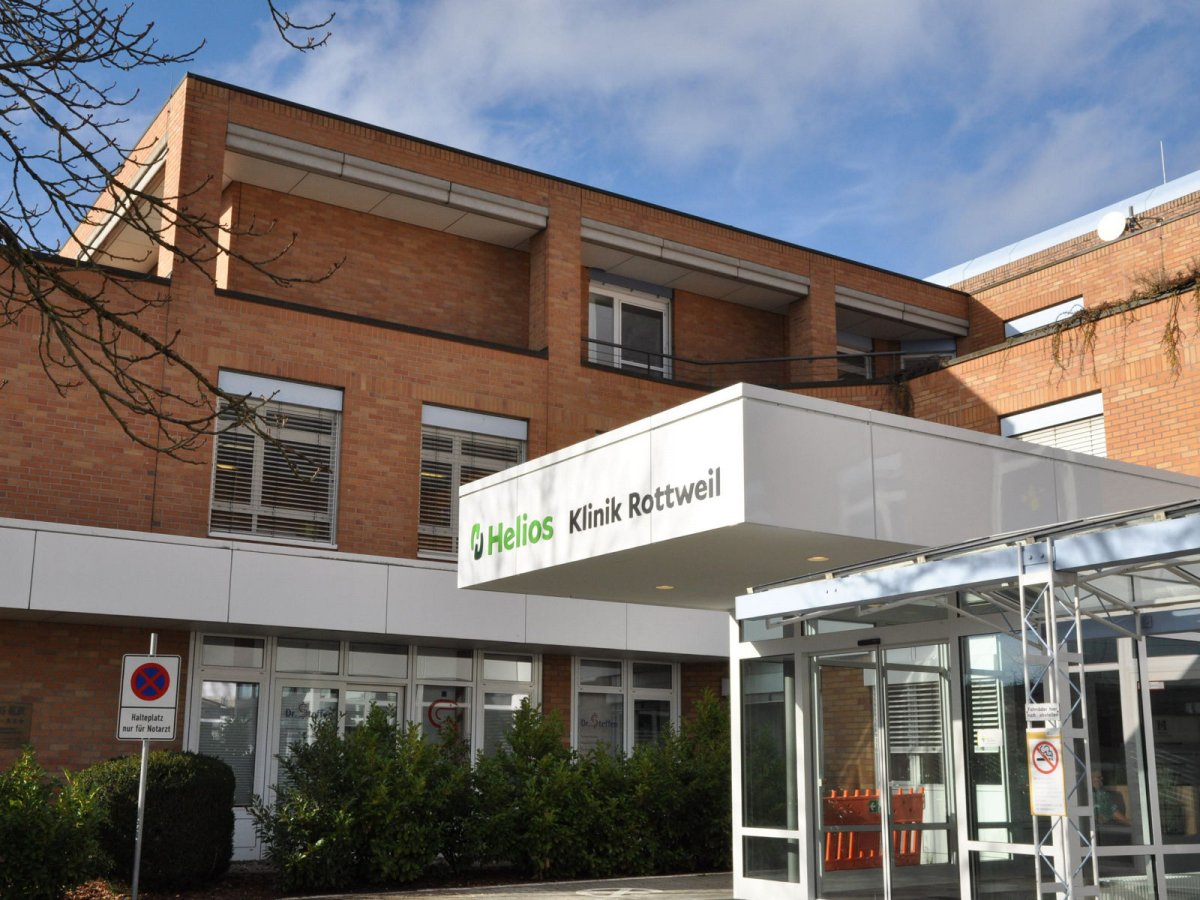






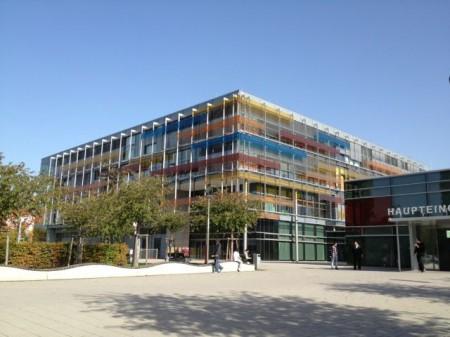
University Hospital in Haydelberge

Hospital in the Pfeiffer`s foundations

University Hospital of Giessen and Marburg

Elbland Clinic
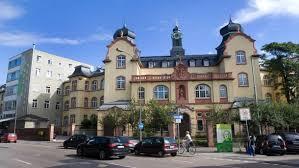
Burger Hospital

Clinic Frankfurt Höchst
Obtenga una evaluación médica para Tabique desviado en Alemania: consulte con doctores experimentados ahora
Ver todos los médicos
Ralf Buhl
El Dr. Buhl es un neurocirujano distinguido que se especializa en cirugías complejas de cerebro y médula espinal, con un fuerte enfoque en técnicas mínimamente invasivas.
- Autor de numerosos artículos científicos sobre neuropatología y cirugía de metástasis cerebrales
- Cofundador de un fondo dedicado a la investigación de tumores cerebrales
- Experto en neuronavegación computarizada para resultados quirúrgicos precisos
- Activo en la investigación y tratamiento de cavernomas intracraneales

Andreas Sesterhenn
El Prof. Andreas Sesterhenn dirige el Departamento de Otorrinolaringología en Solingen, realizando cirugías endoscópicas y robóticas precisas con incisiones de tan solo 1 cm.
- Más de _doctor_315_años_ de experiencia quirúrgica en procedimientos de cabeza y cuello
- Especializado en tratamientos conservadores para tumores y afecciones nasales
- Formado en instituciones de primer nivel, incluida la Universidad Phillips de Marburgo
- Autor de 78 publicaciones científicas en otorrinolaringología
- Jefe del Departamento de ORL en Solingen desde 2012
Compartir contenido
Historias en video de pacientes de Bookimed
 Olena Sikoza
Preguntas frecuentes sobre el tratamiento de Tabique desviado en Alemania
¿Soy un candidato adecuado para una septoplastia en Alemania?
Usted es un candidato adecuado para una septoplastia en Alemania si experimenta obstrucción nasal persistente o sinusitis crónica. Los especialistas alemanes confirman la elegibilidad mediante endoscopia nasal o tomografía computarizada de los senos paranasales. Los candidatos deben haber completado el crecimiento facial, generalmente mayores de 18 años. Se requiere un buen estado de salud general.
- Necesidad médica: Los síntomas incluyen obstrucción permanente, respiración bucal crónica o infecciones frecuentes.
- Criterios diagnósticos: La idoneidad requiere imágenes clínicas como una tomografía computarizada de los senos paranasales.
- Límite de edad: Los candidatos deben tener al menos 18 años para hombres y 17 para mujeres.
- Enfoque quirúrgico: Los procedimientos incluyen operaciones endoscópicas o intervenciones robóticas a través de incisiones de 1 cm.
- Tratamiento combinado: Los cirujanos a menudo combinan la septoplastia con la turbinoplastia para obtener mejores resultados respiratorios a largo plazo.
Perspectiva del experto de Bookimed: Las clínicas alemanas como el Centro Médico de Solingen y el Hospital Asklepios Barmbek manejan volúmenes masivos de pacientes, a menudo superando los 60,000 anuales. Esta alta frecuencia permite a cirujanos como el Prof. Andreas Sesterhenn especializarse en técnicas endoscó
¿Cómo se realiza la septoplastia en las clínicas alemanas y qué método quirúrgico se utiliza?
Las clínicas alemanas realizan la septoplastia como un procedimiento centrado en la precisión, principalmente mediante técnicas endoscópicas o microquirúrgicas. Los cirujanos priorizan la restauración del flujo de aire nasal a través de incisiones internas para evitar cicatrices externas. La mayoría de los procedimientos duran de 60 a 90 minutos bajo anestesia general en instalaciones acreditadas por JCI o KTQ.
- Enfoque quirúrgico: La mayoría de las clínicas utilizan técnicas endoscópicas para una visualización de alta definición a través de incisiones de 1 cm.
- Método de estabilización: Los cirujanos utilizan férulas de silicona o taponamiento reabsorbible en lugar de la gasa de algodón tradicional.
- Reconstrucción avanzada: Las desviaciones complejas pueden requerir una septoplastia extracorpórea para reconstruir el tabique fuera del cuerpo.
- Tratamientos combinados: Muchos casos incluyen la reducción de cornetes por radiofrecuencia para mejorar aún más la respiración nasal.
Perspectiva del experto de Bookimed: Las clínicas alemanas como el Centro Médico de Solingen a menudo integran la septoplastia con la cirugía plástica facial. El Prof. Dr. Andreas Sesterhenn posee el premio Focus Top Mediziner 2024 específicamente por sus logros en otorrinolaringología. Los datos muestran que los centros de primer nivel realizan operaciones endoscópic
¿Cuáles son las tasas de éxito documentadas y los posibles riesgos de la septoplastia realizada en Alemania?
Los centros de otorrinolaringología alemanes informan tasas de éxito de la septoplastia de entre el 85 % y el 90 % para aliviar las obstrucciones nasales. Este procedimiento común mantiene altos estándares de seguridad a través de una gestión de calidad certificada por ISO. El fracaso a largo plazo que requiere revisión es poco frecuente. Las tasas de revisión documentadas oscilan entre el 1,1 % y el 4,4 % en clínicas especializadas.
- Alivio de los síntomas: La mayoría de los pacientes logran una restauración completa de la respiración dentro de los 3 meses posteriores a la cirugía.
- Riesgos comunes: El sangrado excesivo ocurre en el 3,3 % de los casos durante la primera semana.
- Perforación septal: Se desarrolla un pequeño orificio en el tabique en el 1,6 % al 6,7 % de los pacientes.
- Tasa de infección: Las infecciones locales o los abscesos son raros y ocurren en aproximadamente el 0,4 % al 3,1 % de los casos.
- Seguridad cosmética: Los cambios menores en la forma externa de la nariz ocurren en menos del 3,4 % de los procedimientos.
Perspectiva del experto de Bookimed: Los hospitales universitarios alemanes como Charité o Heidelberg ofrecen una ventaja para los casos complejos. Estos centros realizan más de 300.000 procedimientos al año. Los altos volúmenes de pacientes a menudo se correlacionan con tasas de revisi
¿Qué tipo de recuperación y cuidados posteriores debo esperar si me someto a la cirugía como paciente internacional en Alemania?
La recuperación para pacientes internacionales con desviación del tabique nasal en Alemania implica de 1 a 2 días de seguimiento hospitalario. Los cirujanos siguen estrictos protocolos de alta exigidos por la ley alemana. Recibirá una carta de alta formal e instrucciones específicas para el seguimiento con su médico local en casa.
- Estancia hospitalaria: Espere de 1 a 2 noches para la observación postoperatoria inmediata y el control del dolor.
- Documentación de alta: Los pacientes reciben un "Entlassungsbrief" que detalla el diagnóstico, el tratamiento y los pasos específicos para el cuidado en el hogar.
- Viajes aéreos: Los cirujanos suelen aconsejar esperar de 7 a 10 días antes de volar a casa.
- Seguimiento remoto: Muchos hospitales universitarios alemanes ofrecen consultas de telesalud para monitorear el progreso de la curación de forma remota.
Opinión de expertos de Bookimed: Los complejos médicos alemanes como Charité o Asklepios Barmbek atienden hasta 800.000 pacientes al año. Este alto volumen garantiza protocolos de recuperación estandarizados para viajeros internacionales. Elegir una clínica con acreditación ISO o JCI garantiza que los materiales de alta cumplan con los estándares de comunicación internacionales. Esto hace que su seguimiento local sea mucho más seguro.
Consenso de los pacientes: Los paciente
¿Qué hospitales o centros de otorrinolaringología en Alemania tienen más experiencia con pacientes internacionales de septoplastia?
La Clínica Asklepios Barmbek y el Medical Center de Solingen son opciones principales para la septoplastia internacional. Asklepios Barmbek está clasificado como uno de los mejores para el turismo médico por la Medical Travel Quality Alliance. El Medical Center de Solingen cuenta con el Prof. Andreas Sesterhenn, un especialista en ORL de primer nivel que gestiona cirugías nasales complejas.
- Clínica Asklepios Barmbek: Atiende a 80.000 pacientes al año con certificaciones JCI e ISO.
- Medical Center Solingen: Emplea al Prof. Sesterhenn, quien posee el título FOKUS Top Mediziner 2024.
- Tecnología quirúrgica: Los especialistas utilizan técnicas endoscópicas e intervenciones robóticas a través de incisiones de 1 cm.
- Capacidad de pacientes: Charité Berlin atiende a más de 800.000 pacientes y mantiene departamentos de salud internacionales dedicados.
Perspectiva del experto de Bookimed: Mientras que los hospitales universitarios como Charité Berlin manejan volúmenes masivos, el Medical Center de Solingen ofrece una experiencia más personalizada. El Prof. Sesterhenn ofrece consultas de 1 hora que incluyen una revisión completa del historial y diagnósticos. Esta profundidad de contacto inicial es rara en instalaciones más grandes con mayor rotación de pacientes.
Consenso de los pacientes: Los pacientes señalan que elegir cen
¿Tendré cicatrices visibles, hinchazón externa o hematomas después de una septoplastia?
La septoplastia en Alemania generalmente no deja cicatrices externas visibles porque los cirujanos realizan el procedimiento a través de incisiones internas. Los hematomas visibles son raros a menos que se combinen con una rinoplastia. Aunque la hinchazón interna es común, la hinchazón externa sigue siendo mínima y generalmente desaparece en 1 a 2 semanas para la mayoría de los pacientes.
- Ubicación de la incisión: Los cirujanos realizan incisiones internas dentro de las fosas nasales para evitar cualquier cicatriz facial visible.
- Hematomas externos: La mayoría de los pacientes informan que no tienen hematomas debajo de los ojos, ya que los huesos nasales permanecen completamente intactos.
- Cronología de la hinchazón: La hinchazón externa generalmente alcanza su punto máximo alrededor del cuarto día y desaparece en 10 días.
- Abordaje abierto: Los casos complejos pueden requerir una incisión pequeña y discreta en la base nasal.
Perspectiva del experto de Bookimed: Los datos de centros alemanes líderes, como el Centro Médico de Solingen, destacan la importancia de la especialización quirúrgica. El Prof. Andreas Sesterhenn, especialista clasificado por Focus, utiliza técnicas endoscópicas que minimizan el trauma tisular. Elegir un especialista en otorrinolaringología con enfoque en cirugía endoscópica a menudo resulta en un menor trauma exter
¿Qué documentos de viaje, duración de la estancia y logística son prácticos para viajar a Alemania para una septoplastia?
La planificación de una septoplastia en Alemania requiere una estancia de 10 a 14 días para una recuperación segura. Los pacientes extranjeros pueden necesitar una visa Schengen o una preaprobación ETIAS. Debe traer una carta de invitación de la clínica, un pasaporte válido y un seguro de viaje que cubra 30.000 euros para garantizar la entrada.
- Documentos de viaje: El pasaporte debe ser válido por más de 3 meses después de la fecha de salida.
- Preparación clínica: Traiga tomografías computarizadas de los senos paranasales y análisis de sangre para la revisión preoperatoria.
- Estancia hospitalaria: Espere de 1 a 3 noches de atención hospitalaria para el monitoreo.
- Seguridad en el vuelo: Espere al menos 10 días antes de volar para evitar barotrauma nasal.
Perspectiva del experto de Bookimed: Alemania ocupa el tercer lugar a nivel mundial en solicitudes médicas en nuestra plataforma. Centros de gran volumen como el Hospital Asklepios Barmbek atienden a más de 110.000 pacientes al año. Mientras que los hospitales universitarios como Charité Berlin ofrecen una infraestructura masiva, los centros especializados como el Medical Center en Solingen brindan experiencia enfocada en otorrinolaringología con cirujanos como el Prof. Andreas Sesterhenn, quienes realizan procedimientos endoscópicos mínimamente invasivos.
Consenso de los pa
¿Qué hospitales en Alemania tienen las calificaciones más altas en neurocirugía?
Alemania alberga algunos de los departamentos de neurocirugía más prestigiosos del mundo, liderados por la Charité – Universitätsmedizin Berlin y el Hospital Universitario de Heidelberg. Estos centros destacan en el tratamiento de tumores cerebrales complejos y enfermedades cerebrovasculares. Para maximizar la eficacia de sus procedimientos, utilizan tecnologías de vanguardia como la resonancia magnética intraoperatoria y la neuronavegación asistida por computadora.
- Charité Berlín: Realiza más de 5000 cirugías al año. La clínica está dirigida por el reconocido neurocirujano Dr. Peter Vaikoczy.
- Centro Médico Solingen: El Dr. Ralf Buhl ha realizado más de 4.000 cirugías, incluidas cirugías de columna mínimamente invasivas.
- Clínica Asklepios Nord: equipada con el único sistema de resonancia magnética intraoperatoria bilateral de Alemania para garantizar precisión quirúrgica en tiempo real durante la extirpación del tumor.
- Clínica Nordwest: reconocida por la revista Newsweek como un hospital líder por su innovación en tecnología de ultrasonido 3D.
Opinión experta de Bookimed: Los datos muestran que elegir centros con un alto volumen quirúrgico suele llevar a recomendaciones de tratamiento más conservadoras. En el Centro Médico Solingen, que atiende a más de 60.000 pacientes al año, los cirujanos suelen sugerir fisioterapia en lugar de cirugía
¿Cuáles son las tasas de éxito de los procedimientos neuroquirúrgicos complejos en Alemania?
En Alemania, los procedimientos neuroquirúrgicos de alta complejidad demuestran una seguridad excepcional. Las tasas de éxito en las fusiones espinales alcanzan el 99 %. La tasa de supervivencia en las resecciones de tumores cerebrales primarios es del 97 %. La independencia funcional es alta. Más del 82 % de los pacientes reciben el alta inmediatamente después del tratamiento. Los centros alemanes priorizan la preservación de la función neurológica mediante técnicas modernas de mapeo.
- Resección de tumores: los cirujanos logran una resección tumoral completa en el 87,2% de los casos de metástasis cerebrales.
- Éxito en el tratamiento de enfermedades vasculares: los hospitales alemanes informan de una tasa de supervivencia del 98,7% para aneurismas no rotos.
- Mejora del estado neurológico: casi el 43% de los pacientes experimentan una mejora de los parámetros funcionales después de resecciones complejas.
- Seguridad de las intervenciones quirúrgicas: En grandes centros quirúrgicos, las tasas de supervivencia de los pacientes después de la cirugía de columna son del 98-99%.
Opinión experta de Bookimed: Cirujanos experimentados como el Dr. Uwe Köhler, de la Clínica Asklepios Altona, realizan más de 2000 cirugías al año. Los datos muestran que estos especialistas mantienen tasas de éxito de hasta el 90 %, incluso en los tumores cerebrales más comp
¿Qué tecnologías avanzadas suelen estar disponibles en las clínicas neuroquirúrgicas alemanas?
Las clínicas neuroquirúrgicas alemanas incorporan regularmente instrumentos digitales de alta precisión y visualización en tiempo real a la práctica quirúrgica. Entre las tecnologías clave se encuentra la neuronavegación computarizada para cirugías de cerebro y médula espinal. Instituciones como la Clínica Asklepios Nord utilizan la resonancia magnética intraoperatoria para verificar la extirpación de tumores en tiempo real. Estos sistemas proporcionan a los cirujanos navegación GPS 3D.
- Neuronavegación: proporciona visualización 3D y seguimiento de instrumentos en tiempo real para lograr precisión quirúrgica hasta el nivel submilimétrico.
- Imágenes intraoperatorias: sistemas como iMRI y O-arm CT permiten la confirmación inmediata de una resección exitosa.
- Neuromonitorización: Monitorea las funciones motoras y sensoriales durante la cirugía para proteger el sistema nervioso.
- Diagnóstico de fluorescencia: se utiliza el colorante 5-ALA para resaltar los bordes del tumor para una eliminación más completa.
- Asistencia robótica: Sistemas como el Da Vinci mejoran la precisión en procedimientos complejos y mínimamente invasivos.
Opinión experta de Bookimed: Grandes centros como la Charité – Universitätsmedizin de Berlín realizan más de 4000 procedimientos neuroquirúrgicos al año, lo que crea un entorno rico en datos para p