Leucoplasia de la vejiga Tratamiento en Austria — Costos 2026


Revisado médicamente por
Fahad Mawlood
¿Cuál es el precio del diagnóstico y los tratamientos de Leucoplasia de la vejiga en Austria? Descubra ahora
Sus beneficios y garantías con Bookimed
Precios directos
Bookimed no añade cargos extra a los precios de los tratamientos de Leucoplasia de la vejiga. Las tarifas proceden de las listas de precios oficiales de las clínicas. Pagará directamente en la clínica por su tratamiento a su llegada al país.
Sólo clínicas y médicos verificados
Bookimed está comprometido con su seguridad. Solo trabajamos con las clínicas que mantienen altos estándares internacionales en el tratamiento de Leucoplasia de la vejiga y cuentan con las licencias necesarias para atender a pacientes internacionales en todo el mundo.
Asistencia 24/7 gratuita
Bookimed ofrece asistencia experta gratuita. Un coordinador médico personal le apoya antes, durante y después de su tratamiento, resolviendo cualquier problema. Nunca estará solo en su viaje médico de tratamiento de Leucoplasia de la vejiga.

Su coordinador médico personal de Bookimed
- Le apoya en cada etapa
- Ayuda a elegir la clínica y el médico adecuados
- Asegura un acceso rápido y conveniente a la información
Descubra las mejores clínicas de tratamiento de Leucoplasia de la vejiga en Austria: 1 opciones verificadas y Precios
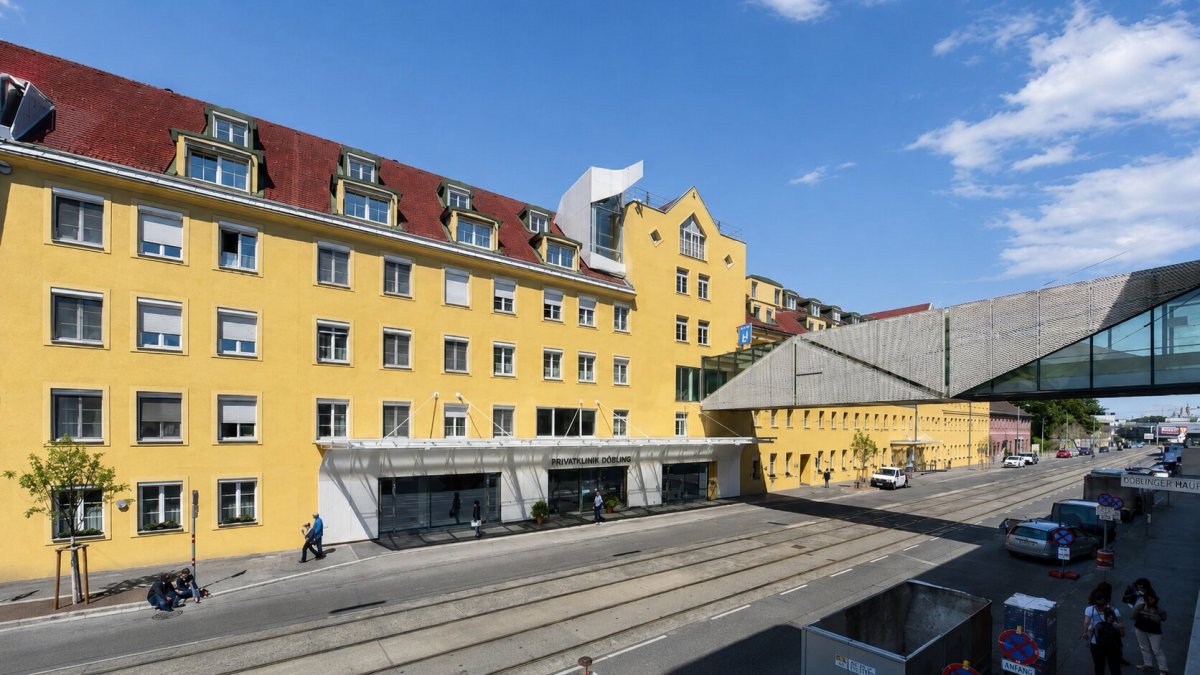

Obtenga una evaluación médica para Leucoplasia de la vejiga en Austria: consulte con doctores experimentados ahora
Ver todos los médicos
Georg Shatzl
El Prof. Georg Shatzl es un destacado urólogo austriaco especializado en oncología urológica y urología reconstructiva, con más de _doctor_3876_ años de experiencia.
- Experto en cirugías de cáncer de vejiga y tumores renales
- Profesor asociado en la Universidad Médica de Viena
- Se centra en enfoques quirúrgicos mínimamente invasivos
- Ha publicado extensamente en revistas revisadas por pares
Reseñas
Todas las reseñasCompartir contenido
Historias en video de pacientes de Bookimed
 Olena Sikoza
Preguntas frecuentes sobre el tratamiento de Leucoplasia de la vejiga en Austria
¿Se considera cáncer la leucoplasia vesical?
La leucoplasia vesical no es cáncer. Se trata de una afección benigna precancerosa en la que la mucosa de la vejiga se transforma en una capa queratinizada. Si bien no es maligna en sí misma, aumenta significativamente el riesgo de desarrollar carcinoma de células escamosas. Es necesario un seguimiento regular para detectar cambios celulares precoces.
- Clasificación médica: Definida como metaplasia escamosa queratinizante.
- Afecciones precancerosas: aumentan la probabilidad de desarrollar carcinoma de células escamosas con el tiempo.
- Método de diagnóstico: La cistoscopia y la biopsia son necesarias para descartar una neoplasia maligna activa.
- Causa subyacente: Generalmente se produce como resultado de una irritación crónica o de infecciones prolongadas del tracto urinario.
- Seguimiento: Requiere seguimiento de por vida, ya que los cambios pueden tardar años en producirse.
Opinión experta de Bookimed: Los pacientes que buscan atención médica en Austria reciben atención altamente cualificada en el campo de la oncología urológica. El Dr. Georg Schatzl, de la Clínica Privada de Viena, cuenta con más de 30 años de experiencia. Está especializado en urología reconstructiva y tumores de vejiga. Hospitales como el Hospital Privado de Döbling aplican los estándares de seguridad JCI, con tasas de complicaciones muy inferiores
¿Cuáles son las opciones de tratamiento quirúrgico estándar para la leucoplasia vesical en Austria?
En Austria, los tratamientos quirúrgicos estándar para la leucoplasia vesical incluyen la endoscopia transuretral para extirpar el tejido anormal. Los cirujanos suelen realizar una resección o fulguración transuretral para eliminar la placa. También se dispone de ablación láser con tecnología Holmio:YAG. Estos procedimientos cumplen con los estándares clínicos de la Asociación Europea de Urología.
- Resección transuretral: Los cirujanos utilizan asas de alambre para extirpar las zonas epiteliales anormales.
- Fulguración transuretral: las corrientes eléctricas térmicas vaporizan el tejido superficial y detienen el sangrado.
- Ablación láser: Los láseres especializados permiten una eliminación precisa con mínimas molestias postoperatorias.
- Cistectomía: La extirpación de la vejiga está indicada únicamente en casos de displasia extensa y resistente al tratamiento.
Opinión de expertos de Bookimed: Si bien muchas personas buscan clínicas específicas, elegir un cirujano en Viena es un indicador clave de calidad. El Dr. Georg Schatzl, del Hospital Privado de Viena, es una autoridad reconocida en cirugías complejas de vejiga. Su trayectoria incluye contribuciones al desarrollo de guías internacionales para la oncología urológica. Instituciones como el Hospital Privado Döbling mantienen tasas de complicaciones por debajo del promedio. Utilizan estándare
¿Cuál es la tasa de éxito de la extirpación endoscópica de la leucoplasia vesical?
Las tasas de éxito de la extirpación endoscópica de la leucoplasia vesical varían entre el 57,6 % y el 95,6 %, según la técnica quirúrgica. La ablación láser logra una tasa de extirpación de tejido del 95,6 % tras un mes de seguimiento. Las tasas de éxito clínico de la resección transuretral (RTU) en cuanto al alivio de los síntomas oscilan entre el 57,6 % y el 65,4 %.
- Tasa de éxito de la ablación láser: 95,6 % de eliminación completa del tejido en 6 meses.
- Alivio de los síntomas: La terapia láser muestra una mejoría clínica del 89 % durante el primer mes.
- Reducción del dolor: Más del 52% de los pacientes refieren la eliminación completa del dolor pélvico.
- Estabilidad a largo plazo: La tasa de supervivencia libre de recaídas al año se mantiene alta, en torno al 91,9%.
Opinión de expertos de Bookimed: Los datos clínicos de centros austriacos demuestran que centrarse en el volumen de cirugías realizadas por el cirujano es crucial. El profesor Dr. Georg Schatzl, de la Wiener Privatklinik, se especializa en cirugías complejas de vejiga. Grandes hospitales, como la Döbling Privatklinik, atienden a 16 000 pacientes al año. Estas instituciones mantienen tasas de complicaciones significativamente más bajas gracias a una combinación de resección quirúrgica y estrictos protocolos de higiene.
Opinión de los pacientes: Los pac
¿Puede reaparecer la leucoplasia vesical después del tratamiento?
La tasa de recurrencia de la leucoplasia vesical tras la extirpación quirúrgica es de aproximadamente el 13,9 %. Esta afección suele reaparecer si persisten factores irritantes subyacentes, como infecciones crónicas o cálculos vesicales. Es necesario un seguimiento a largo plazo mediante cistoscopia periódica para monitorizar la mucosa vesical y detectar cualquier cambio celular.
- Predicción de recurrencia: La hiperplasia urotelial atípica sigue siendo el predictor independiente más importante de la recurrencia de la enfermedad.
- Irritantes constantes: Las infecciones crónicas del tracto urinario y los cálculos en la vejiga provocan irritación constante de los tejidos.
- Métodos quirúrgicos: la resección transuretral o la fulguración con láser permiten la extirpación de las lesiones, pero requieren observación.
- Protocolo de seguimiento: Los urólogos suelen recomendar una cistoscopia anual para detectar cualquier cambio celular precanceroso.
Evaluación de expertos de Bookimed: Nos centramos en clínicas con un enfoque multidisciplinario, como el Hospital Privado Döbling en Viena. Nuestros datos demuestran que implementan los objetivos internacionales de seguridad del paciente de la JCI. Esto contribuye a mantener las tasas de complicaciones por debajo de la media durante las cirugías urológicas complejas. En Austria, urólogos de renombre como e
¿Qué hospitales de Austria están acreditados para el tratamiento de la leucoplasia vesical?
Los hospitales vieneses son líderes en Austria en el tratamiento de la leucoplasia vesical gracias a sus departamentos de urología especializados. Instituciones como el Hospital General de Viena (AKH) ofrecen cistoscopia diagnóstica de nivel universitario. Centros privados, como el Hospital Privado de Viena y el Hospital Privado de Döbling, ofrecen técnicas de vanguardia como la ablación láser y la resección transuretral para patologías uroteliales.
- Expertos especializados: El Dr. Georg Schatzl, de la Clínica Privada Wiener, está especializado en oncología urológica.
- Instituciones acreditadas: El Hospital Privado de Döbling cuenta con los certificados ISO y JCI de seguridad del paciente.
- Diagnóstico moderno: las clínicas utilizan cistoscopia de alta resolución para una visualización precisa de las lesiones metaplásicas.
- Técnica quirúrgica: Los cirujanos realizan una fulguración endoscópica selectiva para restaurar las capas sanas del tejido vesical.
Opinión de expertos de Bookimed: Viena es un centro líder en el tratamiento de enfermedades vesicales complejas gracias a su alta concentración de especialistas universitarios. Si bien los hospitales más pequeños pueden realizar exámenes iniciales, los datos muestran que los pacientes priorizan clínicas como Döbling debido a sus tasas de complicaciones inferiores a la media. Urólogos académico
¿Es recomendable recurrir a tratamientos no quirúrgicos en algún caso?
El tratamiento no quirúrgico de la leucoplasia vesical es apropiado cuando la inflamación provoca cambios tisulares transitorios. En Austria, los médicos utilizan antibióticos o antiinflamatorios para tratar las causas subyacentes. Sin embargo, si las lesiones persisten, los especialistas recomiendan una biopsia mediante cistoscopia. Esto garantiza que el examen no pase por alto la presencia de malignidad o displasia.
- Tratamiento inicial: En las clínicas, se utilizan métodos de terapia farmacológica conservadores para combatir las infecciones o irritaciones recurrentes de la vejiga.
- Protocolo de monitorización: Las exploraciones cistoscópicas seriadas permiten monitorizar la resolución de la placa tras el tratamiento conservador.
- Factores que requieren cirugía: La hematuria persistente o el dolor a menudo requieren una biopsia o la extirpación de la masa.
- Criterios de diagnóstico: La biopsia sigue siendo el método de referencia para descartar cambios celulares precancerosos ocultos.
Opinión de expertos de Bookimed: Si bien el Hospital Privado Döbling atiende a 16 000 pacientes anualmente e implementa los estándares de seguridad JCI, los pacientes con enfermedades urológicas deberían priorizar a especialistas como el profesor Georg Schatzl del Hospital Privado Wiener. Su contribución a las guías internacionales de oncología urológica es fu
¿Qué es exactamente la leucoplasia vesical?
La leucoplasia vesical es una afección poco frecuente en la que la mucosa normal se transforma en placas gruesas y queratinizadas. La irritación crónica provoca la sustitución de las células transicionales por células escamosas más densas. Los expertos la consideran una lesión precancerosa. Se requiere un tratamiento agresivo para prevenir su progresión a carcinoma de células escamosas.
- Transformación celular: La mucosa vesical normal imita el tejido cutáneo produciendo queratina en condiciones de estrés severo.
- Confirmación diagnóstica: Los urólogos utilizan la cistoscopia y la biopsia de tejido para diferenciar la metaplasia de la malignidad.
- Grupos de alto riesgo: Esta enfermedad afecta principalmente a las mujeres y suele diagnosticarse entre los 30 y los 40 años.
- Los principales factores desencadenantes, como las infecciones recurrentes, los cálculos vesicales o el uso prolongado de un catéter, suelen ser los que inician estos cambios.
Opinión experta de Bookimed: Los pacientes que buscan tratamiento en Viena reciben atención especializada de alta calidad. La Clínica Privada Döbling atiende a 16 000 pacientes anualmente, con una tasa de complicaciones significativamente menor que el promedio. Urólogos de renombre, como el Dr. Georg Schatzl de la Clínica Privada de Viena, se especializan en urología reconstructiva y oncología vesical.