Leucoplasia de la vejiga Tratamiento en Alemania — Costos 2026


Revisado médicamente por
Fahad Mawlood
¿Cuál es el precio del diagnóstico y los tratamientos de Leucoplasia de la vejiga en Alemania? Descubra ahora
Sus beneficios y garantías con Bookimed
Precios directos
Bookimed no añade cargos extra a los precios de los tratamientos de Leucoplasia de la vejiga. Las tarifas proceden de las listas de precios oficiales de las clínicas. Pagará directamente en la clínica por su tratamiento a su llegada al país.
Sólo clínicas y médicos verificados
Bookimed está comprometido con su seguridad. Solo trabajamos con las clínicas que mantienen altos estándares internacionales en el tratamiento de Leucoplasia de la vejiga y cuentan con las licencias necesarias para atender a pacientes internacionales en todo el mundo.
Asistencia 24/7 gratuita
Bookimed ofrece asistencia experta gratuita. Un coordinador médico personal le apoya antes, durante y después de su tratamiento, resolviendo cualquier problema. Nunca estará solo en su viaje médico de tratamiento de Leucoplasia de la vejiga.

Su coordinador médico personal de Bookimed
- Le apoya en cada etapa
- Ayuda a elegir la clínica y el médico adecuados
- Asegura un acceso rápido y conveniente a la información
Descubra las mejores clínicas de tratamiento de Leucoplasia de la vejiga en Alemania: 12 opciones verificadas y Precios










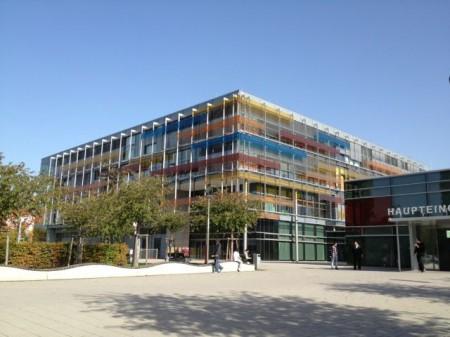
University Hospital in Haydelberge

Hospital in the Pfeiffer`s foundations


Bremen-Mitte Clinic
Sebastian Melchior





Obtenga una evaluación médica para Leucoplasia de la vejiga en Alemania: consulte con doctores experimentados ahora
Ver todos los médicosSebastian Melchior
El Prof. Sebastian Melchior se especializa en cirugía robótica para afecciones de la vejiga y fue nombrado uno de los mejores urólogos de Alemania por la revista Focus.
- Más de _doctor_668_años_ de experiencia en cirugía oncológica
- Jefe de Urología y Nefrología en la clínica Bremen-Mitte
- Formado en Harvard y en la Universidad de Washington
- Autor de 10 publicaciones científicas sobre tumores urogenitales
Compartir contenido
Historias en video de pacientes de Bookimed
 Olena Sikoza
Preguntas frecuentes sobre el tratamiento de Leucoplasia de la vejiga en Alemania
¿Qué es exactamente la leucoplasia vesical y por qué es necesario el tratamiento?
La leucoplasia vesical es una afección poco común en la que el urotelio se transforma en un tejido grueso, blanco y queratinizado. Esta transformación ocurre como una reacción protectora ante la irritación crónica de la vejiga. El tratamiento es necesario porque estas placas son premalignas y pueden progresar hacia un carcinoma de células escamosas agresivo.
- Riesgo de cáncer: La leucoplasia es una lesión precancerosa que requiere extirpación quirúrgica o seguimiento de por vida.
- Foco de infección: La superficie rugosa actúa como un reservorio donde las bacterias se esconden de los antibióticos.
- Síntomas crónicos: El tejido transformado permite que la orina irrite los nervios, causando dolor pélvico severo.
- Necesidad diagnóstica: La cistoscopia visual no puede descartar displasia sin una biopsia de tejido formal.
Opinión de expertos de Bookimed: Alemania representa un centro de gran volumen para la oncología urológica. Para casos complejos como la leucoplasia, clínicas como el Complejo Clínico de Renania del Norte-Westfalia atienden a 145.000 pacientes al año. Los grandes centros a menudo proporcionan diagnósticos especializados de los que pueden carecer las instalaciones más pequeñas. Elegir una clínica con capacidades de ecografía 3D o cirugía robótica garantiza la extirpación precisa de las placas anormales.
Consenso de
¿Qué opciones de tratamiento mínimamente invasivo se utilizan ampliamente en Alemania?
Los procedimientos mínimamente invasivos representan el 55,2 % de todas las cirugías en Alemania. Las clínicas priorizan las técnicas endoscópicas como la resección transuretral y la ablación láser para las afecciones de la vejiga. Estos métodos utilizan las aberturas naturales del cuerpo para reducir el trauma. La mayoría de los procedimientos utilizan imágenes 3D avanzadas o asistencia robótica en instalaciones acreditadas por la JCI.
- Resección endoscópica: Los cirujanos extirpan el tejido anormal a través de la uretra utilizando endoscopios especializados.
- Ablación láser: Los láseres de alta precisión vaporizan las lesiones superficiales mientras preservan las capas sanas de la pared de la vejiga.
- Cirugía asistida por robot: El sistema da Vinci proporciona visualización 3D para reconstrucciones urológicas complejas.
- Quimioterapia dirigida: La administración directa de medicamentos a los tumores minimiza los efectos secundarios sistémicos.
Opinión de expertos de Bookimed: Los datos muestran que los centros de urología alemanes, como la Clínica Bremen-Mitte, enfatizan la confirmación histológica sobre la vaporización inmediata. Aunque el tratamiento con láser es popular, los principales expertos como el Dr. Sebastian Melchior priorizan la resección transuretral. Esto garantiza que se recolecte una muestra de tejido para biopsia antes d
¿Cómo garantizan las clínicas alemanas un diagnóstico preciso antes de la terapia?
Las clínicas alemanas garantizan la precisión diagnóstica mediante flujos de trabajo estandarizados y revisiones por pares obligatorias. Equipos multidisciplinarios verifican a menudo los resultados antes de que comience la terapia. Los centros utilizan imágenes de resonancia magnética (IRM) de alto campo de 3 Tesla y PET-CT para mayor precisión. Las estrictas auditorías de calidad realizadas por el Comité Federal Conjunto mantienen estos altos estándares médicos.
- Verificación mediante biopsia: Los hallazgos de la cistoscopia requieren confirmación histológica mediante biopsia o resección transuretral.
- Comités interdisciplinarios: Expertos en urología, radiología y patología revisan colectivamente datos diagnósticos complejos.
- Imágenes de alto campo: Las clínicas utilizan sistemas de IRM de 3 Tesla para un contraste tisular superior en las evaluaciones.
- Experiencia especializada: Los escaneos deben ser realizados por radiólogos o médicos nucleares certificados.
Perspectiva del experto de Bookimed: Los datos de los principales centros alemanes muestran un enfoque en evitar pruebas redundantes. Por ejemplo, el Dr. Sebastian Melchior de la Clínica Bremen-Mitte revisa primero los resultados de IRM y TC existentes. Si los escaneos externos cumplen con los estándares de calidad, evita realizar nuevas imágenes. Este enfoque simplificado aceler
¿Cuál es la tasa de recurrencia proyectada y qué medidas preventivas se toman?
Las tasas de recurrencia de la leucoplasia vesical son altas si persiste la irritación o infección subyacente. Los centros de urología alemanes priorizan la identificación de desencadenantes metabólicos y obstructivos. El éxito del tratamiento depende de abordar la cistitis crónica y los irritantes mecánicos mediante una extirpación quirúrgica precisa y protocolos de vigilancia a largo plazo.
- Protocolo de vigilancia: El control regular mediante cistoscopia detecta cambios tisulares sutiles en etapas tempranas.
- Control de infecciones: Los antibióticos agresivos guiados por cultivos se dirigen específicamente a las infecciones crónicas del tracto urinario.
- Eliminación de irritantes: Los cirujanos eliminan los desencadenantes mecánicos como cálculos vesicales u obstrucciones anatómicas.
- Diagnóstico avanzado: La imagen digital y la ecografía 3D proporcionan escaneos detallados de la pared de la vejiga.
Perspectiva del experto de Bookimed: Clínicas alemanas como la Clínica Bremen-Mitte y el Hospital Universitario de Essen se centran en una experiencia de alto volumen para obtener mejores resultados. El Prof. Dr. Sebastian Melchior en la Clínica Bremen-Mitte es un urólogo de primer nivel que gestiona más de 40.000 pacientes al año en su red. Las instituciones médicas con calificaciones de la revista Focus a menudo integran protocolos basados
¿Qué hospitales alemanes son reconocidos internacionalmente por el tratamiento de la leucoplasia vesical?
Los mejores hospitales alemanes para la leucoplasia vesical incluyen el Hospital Universitario de Heidelberg, el Hospital Universitario de Essen y la Clínica Bremen-Mitte. Estos centros son reconocidos por las revistas Newsweek y Focus por su excelencia en urología. Se especializan en técnicas endoscópicas como la ablación láser y la resección transuretral para prevenir la progresión del cáncer.
- Herramientas de diagnóstico especializadas: El diagnóstico fotodinámico utiliza tintes fluorescentes para un mapeo preciso.
- Opciones quirúrgicas avanzadas: La ablación láser y las cirugías asistidas por robot minimizan el daño tisular.
- Atención oncológica acreditada: El Centro Médico de Solingen está certificado por la Sociedad Alemana del Cáncer.
- Especialistas de renombre: El Dr. Sebastian Melchior en Bremen-Mitte es un urólogo clasificado por Focus.
Perspectiva del experto de Bookimed: Aunque muchos buscan centros de oncología, la leucoplasia vesical requiere específicamente clínicas con departamentos de endourología de alto volumen. El Hospital Universitario Carl Gustav Carus de Dresde y el Hospital Universitario de Essen son puntos destacados en nuestros datos. Tratan a más de 330.000 pacientes al año y utilizan imágenes digitales impulsadas por IA para un monitoreo preciso de la mucosa.
Consenso de los pacientes: Los
¿Es suficiente el tratamiento farmacológico sin cirugía en algún caso?
La medicación puede controlar los síntomas de la leucoplasia vesical, pero rara vez elimina la lesión física por completo. Los urólogos alemanes utilizan principalmente la terapia farmacológica para reducir la inflamación y la irritación. Sin embargo, la intervención quirúrgica sigue siendo el estándar para extirpar el tejido anormal identificado y prevenir una posible transformación maligna.
- Enfoque conservador: Fármacos como antibióticos o instilaciones vesicales controlan las molestias y la inflamación crónica.
- Necesidad quirúrgica: Procedimientos como la resección transuretral (RTU) son necesarios si las lesiones persisten.
- Papel de la biopsia: Los resultados patológicos de la biopsia determinan si la medicación sola es segura o arriesgada.
- Protocolo de seguimiento: La cistoscopia regular monitorea la lesión incluso si los síntomas mejoran con la medicación.
Perspectiva del experto de Bookimed: Aunque clínicas alemanas como el Complejo Clínico de Renania del Norte-Westfalia utilizan cirugía robótica para casos complejos, a menudo la combinan con una investigación exhaustiva. Para la leucoplasia, los datos muestran que urólogos como el Prof. Dr. Sebastian Melchior de la Clínica Bremen-Mitte priorizan la reducción del riesgo de cáncer a largo plazo. Esto significa que la "suficiencia" se define por los resultados patológicos y no por
¿En qué consiste el seguimiento después del tratamiento en Alemania?
El seguimiento de la leucoplasia vesical en Alemania se centra en la vigilancia cistoscópica regular. Los urólogos realizan cistoscopias repetidas cada 3 a 6 meses inicialmente para detectar recurrencias o displasias. El diagnóstico clínico incluye citología urinaria y biopsias dirigidas en centros acreditados por la JCI o certificados por la Sociedad Alemana del Cáncer.
- Vigilancia endoscópica: La cistoscopia periódica sigue siendo la herramienta principal para la inspección directa de la mucosa vesical.
- Pruebas de laboratorio: La citología urinaria y el análisis de orina monitorean cambios celulares anormales o infecciones.
- Protocolo de biopsia: Los cirujanos realizan muestreos de tejido si las placas mucosas persisten o parecen sospechosas.
- Acceso a rehabilitación: Los pacientes pueden recibir rehabilitación urológica especializada para restaurar la función normal de la vejiga.
Perspectiva de expertos de Bookimed: Alemania ocupa un lugar destacado a nivel mundial en urología compleja. Los datos muestran que centros como la Clínica Nordwest y el Hospital Universitario de Essen atienden a más de 60.000 pacientes al año. Este alto volumen permite a los urólogos distinguir entre cicatrices benignas y recurrencia temprana con mayor precisión que los centros de menor volumen. Cirujanos expertos como el Dr. Sebastian Melchior de la Clínica B
¿Qué hospitales en Alemania tienen las calificaciones más altas en neurocirugía?
Alemania alberga algunos de los departamentos de neurocirugía más prestigiosos del mundo, liderados por la Charité – Universitätsmedizin Berlin y el Hospital Universitario de Heidelberg. Estos centros destacan en el tratamiento de tumores cerebrales complejos y enfermedades cerebrovasculares. Para maximizar la eficacia de sus procedimientos, utilizan tecnologías de vanguardia como la resonancia magnética intraoperatoria y la neuronavegación asistida por computadora.
- Charité Berlín: Realiza más de 5000 cirugías al año. La clínica está dirigida por el reconocido neurocirujano Dr. Peter Vaikoczy.
- Centro Médico Solingen: El Dr. Ralf Buhl ha realizado más de 4.000 cirugías, incluidas cirugías de columna mínimamente invasivas.
- Clínica Asklepios Nord: equipada con el único sistema de resonancia magnética intraoperatoria bilateral de Alemania para garantizar precisión quirúrgica en tiempo real durante la extirpación del tumor.
- Clínica Nordwest: reconocida por la revista Newsweek como un hospital líder por su innovación en tecnología de ultrasonido 3D.
Opinión experta de Bookimed: Los datos muestran que elegir centros con un alto volumen quirúrgico suele llevar a recomendaciones de tratamiento más conservadoras. En el Centro Médico Solingen, que atiende a más de 60.000 pacientes al año, los cirujanos suelen sugerir fisioterapia en lugar de cirugía
¿Cuáles son las tasas de éxito de los procedimientos neuroquirúrgicos complejos en Alemania?
En Alemania, los procedimientos neuroquirúrgicos de alta complejidad demuestran una seguridad excepcional. Las tasas de éxito en las fusiones espinales alcanzan el 99 %. La tasa de supervivencia en las resecciones de tumores cerebrales primarios es del 97 %. La independencia funcional es alta. Más del 82 % de los pacientes reciben el alta inmediatamente después del tratamiento. Los centros alemanes priorizan la preservación de la función neurológica mediante técnicas modernas de mapeo.
- Resección de tumores: los cirujanos logran una resección tumoral completa en el 87,2% de los casos de metástasis cerebrales.
- Éxito en el tratamiento de enfermedades vasculares: los hospitales alemanes informan de una tasa de supervivencia del 98,7% para aneurismas no rotos.
- Mejora del estado neurológico: casi el 43% de los pacientes experimentan una mejora de los parámetros funcionales después de resecciones complejas.
- Seguridad de las intervenciones quirúrgicas: En grandes centros quirúrgicos, las tasas de supervivencia de los pacientes después de la cirugía de columna son del 98-99%.
Opinión experta de Bookimed: Cirujanos experimentados como el Dr. Uwe Köhler, de la Clínica Asklepios Altona, realizan más de 2000 cirugías al año. Los datos muestran que estos especialistas mantienen tasas de éxito de hasta el 90 %, incluso en los tumores cerebrales más comp
¿Qué tecnologías avanzadas suelen estar disponibles en las clínicas neuroquirúrgicas alemanas?
Las clínicas neuroquirúrgicas alemanas incorporan regularmente instrumentos digitales de alta precisión y visualización en tiempo real a la práctica quirúrgica. Entre las tecnologías clave se encuentra la neuronavegación computarizada para cirugías de cerebro y médula espinal. Instituciones como la Clínica Asklepios Nord utilizan la resonancia magnética intraoperatoria para verificar la extirpación de tumores en tiempo real. Estos sistemas proporcionan a los cirujanos navegación GPS 3D.
- Neuronavegación: proporciona visualización 3D y seguimiento de instrumentos en tiempo real para lograr precisión quirúrgica hasta el nivel submilimétrico.
- Imágenes intraoperatorias: sistemas como iMRI y O-arm CT permiten la confirmación inmediata de una resección exitosa.
- Neuromonitorización: Monitorea las funciones motoras y sensoriales durante la cirugía para proteger el sistema nervioso.
- Diagnóstico de fluorescencia: se utiliza el colorante 5-ALA para resaltar los bordes del tumor para una eliminación más completa.
- Asistencia robótica: Sistemas como el Da Vinci mejoran la precisión en procedimientos complejos y mínimamente invasivos.
Opinión experta de Bookimed: Grandes centros como la Charité – Universitätsmedizin de Berlín realizan más de 4000 procedimientos neuroquirúrgicos al año, lo que crea un entorno rico en datos para p