
INVICTA Clinics
Polonia, Gdansk


Revisado médicamente por
Fahad Mawlood
Bookimed no añade cargos extra a los precios de los tratamientos de Leucoplasia de la vejiga. Las tarifas proceden de las listas de precios oficiales de las clínicas. Pagará directamente en la clínica por su tratamiento a su llegada al país.
Bookimed está comprometido con su seguridad. Solo trabajamos con las clínicas que mantienen altos estándares internacionales en el tratamiento de Leucoplasia de la vejiga y cuentan con las licencias necesarias para atender a pacientes internacionales en todo el mundo.
Bookimed ofrece asistencia experta gratuita. Un coordinador médico personal le apoya antes, durante y después de su tratamiento, resolviendo cualquier problema. Nunca estará solo en su viaje médico de tratamiento de Leucoplasia de la vejiga.


El Dr. Leszczyński se especializa en cirugía urológica, con amplia experiencia en técnicas mínimamente invasivas. Se formó en la Universidad Médica de Varsovia y posee el título de Fellow of the European Board of Urology.

El Dr. Marek Filipek es el primer urólogo polaco certificado como operador de Ablatherm® HIFU, formando a médicos de toda Europa Central y Oriental en este método innovador.
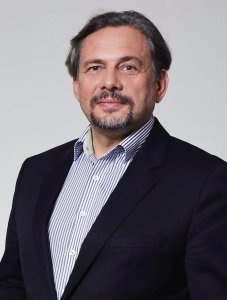
El Dr. Artur A. Antoniewicz, MD, PhD, es urólogo con más de 20 años de experiencia. Ha dirigido el Servicio de Urología del Hospital Especializado Międzyleski de Varsovia durante 7 años. Está vinculado al hospital desde hace más de 20 años. Desde 2018 realiza procedimientos asistidos por robot en el Centro de Tratamiento del Cáncer de Próstata.
Se graduó en la Primera Facultad de Medicina de la Universidad Médica de Varsovia. Es especialista en urología y en cirugía general (1992). Ha
 Olena Sikoza
La leucoplasia de vejiga es una afección en la que el revestimiento flexible de la vejiga se transforma en un tejido queratinizado grueso, similar a la piel. Es un estado precanceroso a menudo causado por inflamación crónica. Aproximadamente del 10% al 20% de los casos pueden implicar un carcinoma de vejiga concurrente en el momento del diagnóstico.
Perspectiva del experto de Bookimed: Polonia ofrece una alta concentración de especialistas con certificación del European Board of Urology (FEBU), como el Dr. Maciej Zbrzezniak. Los datos muestran que los urólogos polacos a menudo lideran talleres especializados en laparoscopia y láser. Este alto nivel de participación académica garantiza que los pacientes accedan a protocolos quirúrgicos actualizados para resecciones de vejiga complejas como la RTUV.
Consenso de los pacientes
Un diagnóstico preciso de la leucoplasia vesical requiere una cistoscopia combinada con una biopsia histopatológica. La inspección visual por sí sola no puede distinguir estas placas blancas de una inflamación crónica o cáncer. Los cirujanos deben recolectar muestras de tejido para confirmar la metaplasia escamosa queratinizante y descartar malignidad mediante análisis de laboratorio.
Perspectiva del experto de Bookimed: Aunque muchos buscan urólogos generales, nuestros datos muestran que los pacientes en Polonia a menudo se benefician de especialistas como el Dr. Daniel Leszczynski o el Dr. Maciej Zbrzezniak. Estos expertos poseen el título d
El tratamiento de la leucoplasia vesical en Polonia se centra en confirmar el diagnóstico mediante biopsia cistoscópica antes de proceder con la extirpación endoscópica. Los urólogos polacos utilizan la resección transuretral, la ablación láser y la fulguración para eliminar el tejido anormal. Estos procedimientos se realizan a menudo en centros acreditados por la JCI en ciudades como Varsovia y Gdansk.
Perspectiva del experto de Bookimed: Aunque muchos pacientes se centran en la cirugía inicial, la elección del especialista es vital para el manejo a largo plazo. Nuestros datos muestran que los principales expertos polacos, como el Dr. Maciej Zbrzezniak, se especializan en técnicas endoscópicas combinada
La leucoplasia vesical se trata en departamentos de urología especializados en las principales ciudades polacas, como Varsovia, Cracovia y Gdansk. Centros líderes como el Hospital Carolina y las Clínicas INVICTA ofrecen diagnósticos endoscópicos avanzados y extirpaciones quirúrgicas. Los pacientes reciben atención de especialistas certificados por el European Board of Urology.
Perspectiva de expertos de Bookimed: Polonia es un centro importante de urología con 87 clínicas y ocupa el tercer lugar a nivel mundial en nuestra red médica. Si bien muchos buscan grandes centros académicos, las instalaciones privadas como el Hospital Carolina ofrecen un acceso único a cirujanos altamente acreditados. El Dr. Daniel Leszczynski y el Dr. Artur Antoniewicz poseen el estatus de Fellow of the European Board of Urology (FEBU). Esta certificación es un marcador de c
Los urólogos polacos son especialistas altamente cualificados que poseen certificaciones nacionales y europeas para el tratamiento de la leucoplasia vesical. La mayoría de los profesionales son miembros del European Board of Urology (FEBU). Completan una carrera de medicina de 6 años seguida de una rigurosa residencia especializada de 5 a 6 años en cirugía urológica.
Perspectiva de expertos de Bookimed: Aunque muchos buscan experiencia general, nuestros datos muestran que el tratamiento más eficaz para la leucoplasia involucra a especialistas con un alto volumen en RTUV (Resección Transuretral de Tumores Vesicales). El Dr. Maciej Zbrzezniak y el Dr. Daniel Leszczynski del Hospital Carolina han desarrollado específicamente su práctica en torno a estas técnicas endoscópicas. Elegir un médico que también dirija talleres quirúrgicos garantiza que sea competente en los últimos métodos de ablación láser
La neurocirugía en Polonia ofrece atención de alta calidad en centros con certificación JCI e ISO. Los neurocirujanos polacos se adhieren a estrictos estándares de formación adoptados por la Unión Europea. Muchos han completado becas en Estados Unidos o Alemania. Tecnologías avanzadas, como CyberKnife, Gamma Knife y sistemas robóticos, están ampliamente disponibles en centros privados.
Opinión experta de Bookimed: Los datos muestran una fuerte correlación entre la especialización de una clínica y el origen de sus pacientes. La Clínica KCM atiende a más de 700 pacientes internacionales al año. Se especializa en cirugía de columna mínimamente invasiva. Este volumen de trabajo le permite ofrecer paquetes de servicios especializados, que a menudo incluyen bloques de diagnóstico e implantes específicos, como el DIAM de Medtronic.
Los neurocirujanos polacos son especialistas altamente cualificados que han completado al menos 13 años de rigurosa formación médica. Esto incluye seis años de estudios de medicina, 13 meses de prácticas y seis años de residencia. Deben aprobar el Examen Estatal de Especialización (PES) y suelen estar certificados por la Asociación Europea de Sociedades de Neurocirugía (EANS).
Opinión experta de Bookimed: Los datos muestran que los neurocirujanos polacos suelen especializarse en tecnologías altamente especializadas, como el sistema ApiFix o el sistema de endoscopia lumbar SED-YESS. Especialistas como el Dr. Stanisław Kwek, de la Clínica KCM, combinan la investigación postdoctoral con una práctica quirúrgica activa. Esta combinación de profundos conocimientos académicos y un alto volumen quirúrgico los hace especialmente eficaces en cirugías de columna complejas y mínimamente in
Entre las mejores clínicas neuroquirúrgicas de Polonia se encuentran el Hospital Carolina, la Clínica KCM y centros académicos de primer nivel como el Hospital Universitario de Cracovia. Estas instituciones ofrecen tratamientos de vanguardia para enfermedades de la columna vertebral y el cerebro que cumplen con los estándares de calidad ISO y emplean a especialistas miembros de organizaciones internacionales como AO Spine.
Opinión experta de Bookimed: Si bien muchos buscan los hospitales más grandes, los datos muestran que clínicas como el Hospital Carolina ofrecen mayor eficiencia para cirugías electivas. Con más de 40 médicos especialistas en este centro de 30 camas, la proporción médico-paciente es significativamente mayor que en los centros universitarios públicos. Esto se traduc
En Polonia, la neurocirugía se centra principalmente en cirugías de columna y extirpación de tumores cerebrales. Los hospitales realizan con frecuencia microdiscectomías, fusiones espinales y estimulación cerebral profunda. Centros como el Hospital Carolina y la Clínica KCM utilizan técnicas mínimamente invasivas para tratar hernias discales, lesiones de columna y trastornos neurológicos complejos.
Opinión experta de Bookimed: Polonia se ha convertido en un centro de estabilización espinal especializada. Clínicas como el Hospital Carolina colaboran con equipos deportivos nacionales, lo que refleja su alto nivel de experiencia en el tratamiento de lesiones espinales complejas. Nuestros datos muestran que estas instituciones suelen integrar la rehabilitación directamente en el tratamiento quirúrgico. Esta combinación reduce el riesgo de compl
La rehabilitación neurológica está ampliamente disponible en Polonia a través de centros especializados y hospitales multidisciplinarios. Los programas abarcan la recuperación tras un accidente cerebrovascular, una lesión medular y enfermedades degenerativas. Instituciones como el Hospital Karolina de Varsovia y la Clínica KCM ofrecen terapia supervisada. La mayoría de los programas neuroquirúrgicos incluyen una evaluación inicial de rehabilitación postoperatoria.
Opinión experta de Bookimed: Los datos muestran que las clínicas con una gran afluencia de pacientes internacionales, como la Clínica KCM, suelen incluir rehabilitación básica en sus paquetes quirúrgicos. Esto supone una ventaja significativa, ya que coordinar la neurorrehabilitación de forma independiente en Polonia puede ser complicado. Elegir una clínica con un especialista e