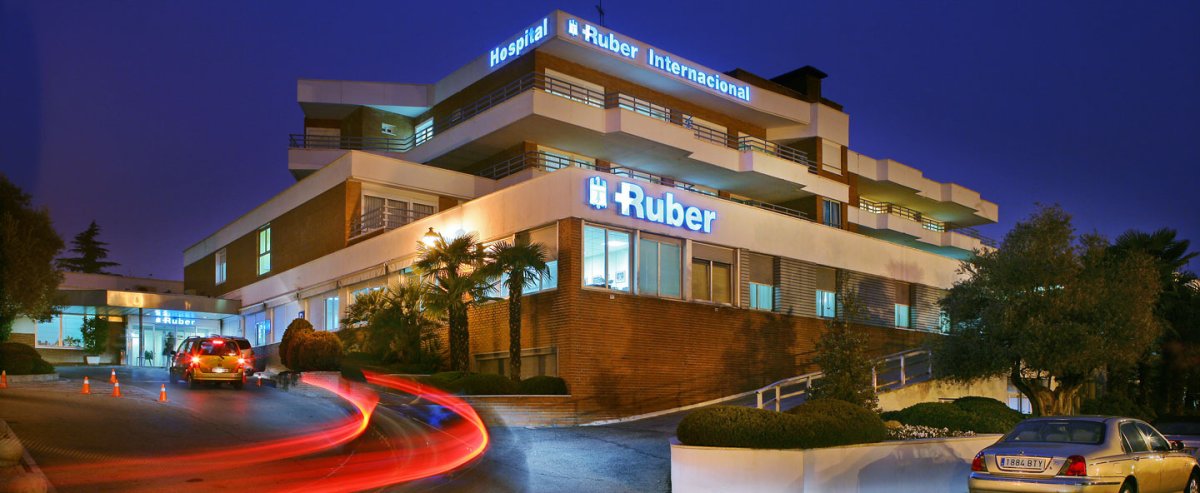
Centro Médico Teknon
España, Barcelona
Jose Emilio Batista Miranda
41 años de experiencia

Clínica certificada por : 





Revisado médicamente por
Fahad Mawlood


Pionero en tecnologías láser para el tratamiento de la próstata en Barcelona – el Dr. Batista aporta 41 años de experiencia en urología al Centro Médico Teknon.

El Dr. Josep Torremade Barreda está especializado en afecciones urológicas como la leucoplasia vesical, con una amplia experiencia en instituciones de primer nivel.
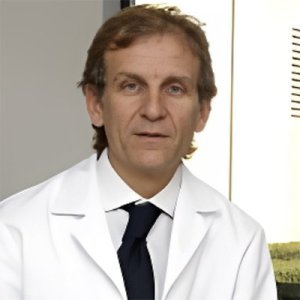
El doctor es un urólogo y uro-oncólogo altamente distinguido, especializado en tratamientos quirúrgicos complejos para el cáncer de próstata, riñón y vejiga. Con una amplia experiencia en cirugía robótica y laparoscópica, el doctor ha sido fundamental en el avance de las técnicas urológicas mínimamente invasivas, incluida la implementación del sistema robótico Da Vinci. Actualmente, el doctor dirige el Departamento de Urología en el Centro Médico Teknon y es Jefe del Departamento de Urología

Especializado en urología con formación avanzada en el Memorial Sloan-Kettering Cancer Centre de Nueva York. Actualmente dirige la Unidad de Urología en Quirónsalud Marbella.
 Olena Sikoza
La leucoplasia vesical es una afección precancerosa en la que el revestimiento de la vejiga se transforma en parches gruesos y blancos de queratina. El tratamiento es esencial porque estas lesiones pueden progresar a carcinoma de células escamosas invasivo. La intervención médica también previene la contractura vesical, la insuficiencia renal y las infecciones urinarias crónicas.
Opinión de expertos de Bookimed: Elegir un centro con acreditación JCI y especialización en oncología es vital para el tratamiento de la leucoplasia. La Clínica Universidad de Navarra fue el primer hospital certificado por la JCI en España y cuenta con las credenciales de la Sociedad Europea de Oncología Médica. Esta combinación garantiza que los hallazgos incidentales durante la extirpación de la lesión sean analizados instantáneamente por patólogos de primer nivel. Los datos muestran que los centros de gran volumen
El tratamiento de la leucoplasia vesical en España implica una intervención quirúrgica endoscópica combinada con el manejo de la irritación crónica. Los cirujanos priorizan la resección transuretral (RTU) para eliminar el tejido anormal y realizar las biopsias necesarias. Las unidades de urología especializadas en Barcelona y Madrid ofrecen cistoscopias diagnósticas avanzadas para monitorear la recuperación a largo plazo.
Opinión de expertos de Bookimed: Aunque muchos buscan clínicas de urología general, los datos muestran que el manejo exitoso de la leucoplasia requiere experiencia quirúrgica de alto volumen. El Dr. Jose Emilio Batista Miranda en el Centro Médico Teknon tiene más de 35 años de experiencia en urología funcional. Elegir especialistas que se centren en la urología reconstructiva y funcional en l
España es un destino principal para el tratamiento de la leucoplasia vesical debido a sus altas tasas de éxito clínico que alcanzan el 95%. Los urólogos españoles utilizan ablación láser avanzada y resección transuretral de alta precisión. Estos métodos aseguran una eliminación efectiva del tejido mientras preservan la función vesical. Los centros acreditados en Barcelona y Madrid proporcionan un seguimiento diagnóstico experto a largo plazo.
Perspectiva del experto de Bookimed: Las unidades de urología españolas a menudo se especializan en casos reconstructivos complejos que otros pueden evitar. El Dr. Jose Emilio Batista Miranda en el Centro Médico Teknon fue pionero en métodos láser en 2003. Esta adopción temprana significa que las clínicas españolas tienen datos históricos más largos sobre la curación de la mucosa que la mayoría de los ce
La recuperación de la leucoplasia vesical en España suele implicar una transición desde la estabilización inmediata tras el procedimiento hasta la vigilancia a largo plazo. Los pacientes a menudo experimentan irritación urinaria a corto plazo durante los primeros 14 días. Los especialistas en centros acreditados por la JCI, como el Centro Medico Teknon, guían el manejo a largo plazo mediante cistoscopias periódicas y seguimiento de síntomas para monitorear posibles recurrencias.
Perspectiva del experto de Bookimed: Los centros españoles como el Hospital Ruber Internacional y el Centro Medico Teknon cuentan con una alta densidad de urólogos con más de 30 años de experiencia. El Dr. Antonio Allona y el Dr. Jose Emilio Batista Miranda son ambos miembros del European Board of Urology.