Tratamiento de Leucoplasia de la vejiga en Turquía — obtenga 3 coincidencias personalizadas de clínicas


Revisado médicamente por
Fahad Mawlood
Cómo funciona
¿Cuál es el precio del diagnóstico y los tratamientos de Leucoplasia de la vejiga en Turquía? Descubra ahora
El costo total para tratar la leucoplasia de la vejiga en Turquía depende de los procedimientos médicos específicos elegidos. Una consulta con un urólogo cuesta aproximadamente 150 €. Los diagnósticos iniciales, como los análisis de sangre, varían de 750 € a 1.400 €. La fulguración de la vejiga, que incluye un día de hospitalización con alojamiento y comidas para un acompañante, tiene un precio de 4.500 €. El plan de tratamiento se personaliza tras una evaluación exhaustiva por parte del equipo médico.
Descubra las mejores clínicas de tratamiento de Leucoplasia de la vejiga en Turquía: 33 opciones verificadas y Precios




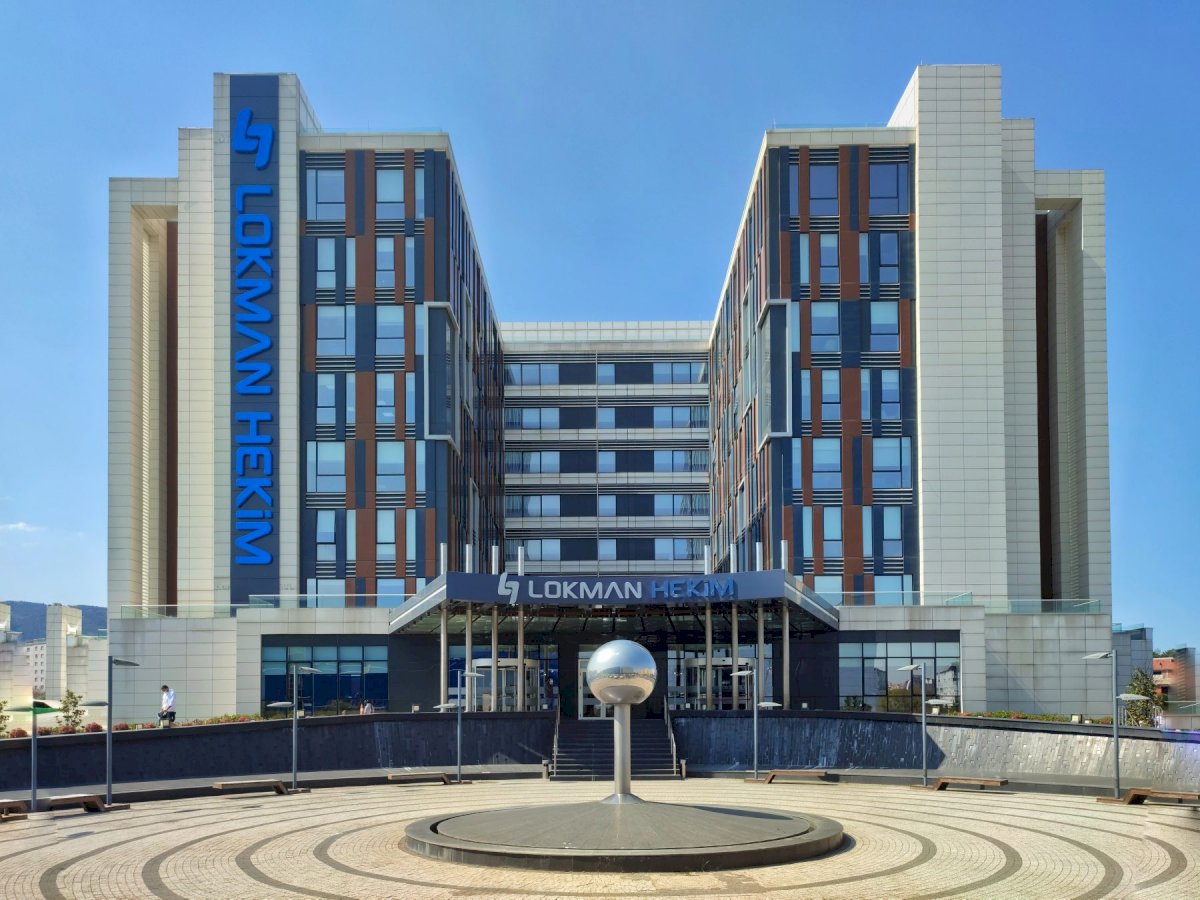
Hospital Lokman Hekim de Estambul (Lokman Hekim Istanbul Hospital)


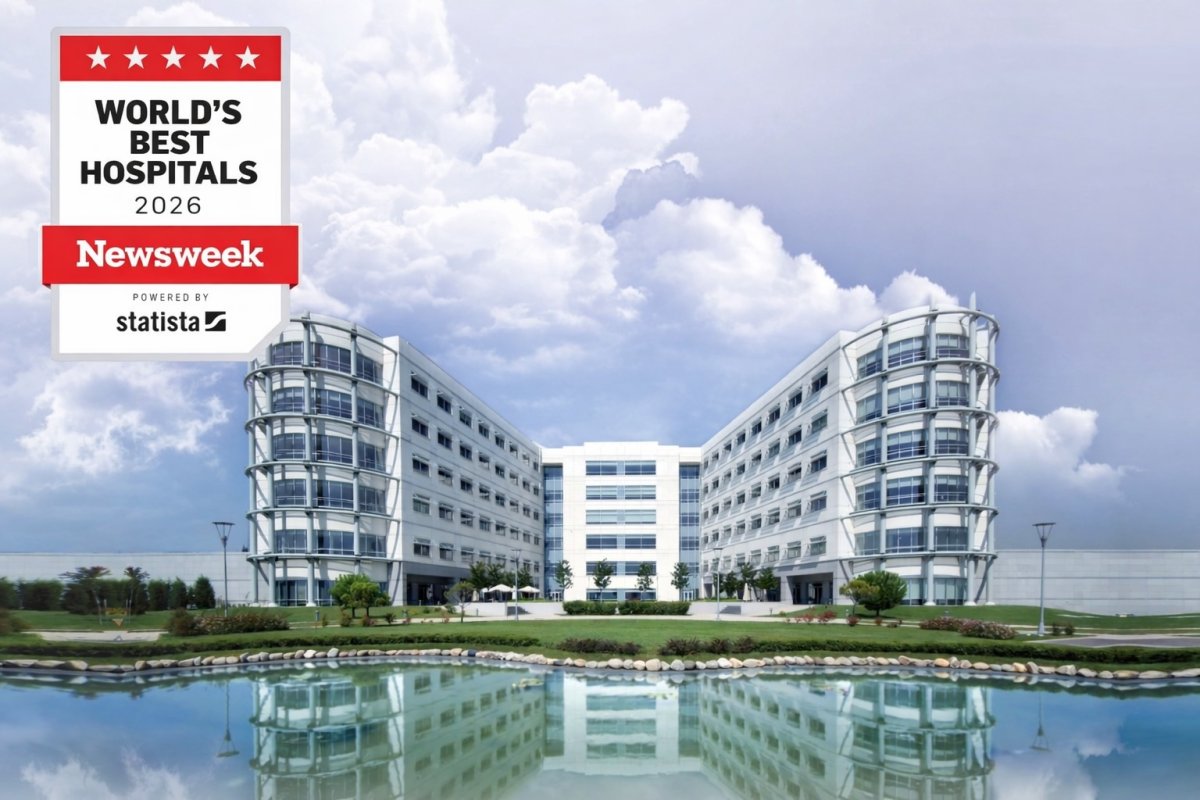



Dr. Bugra Cetin- Uroaesthetic Clinic
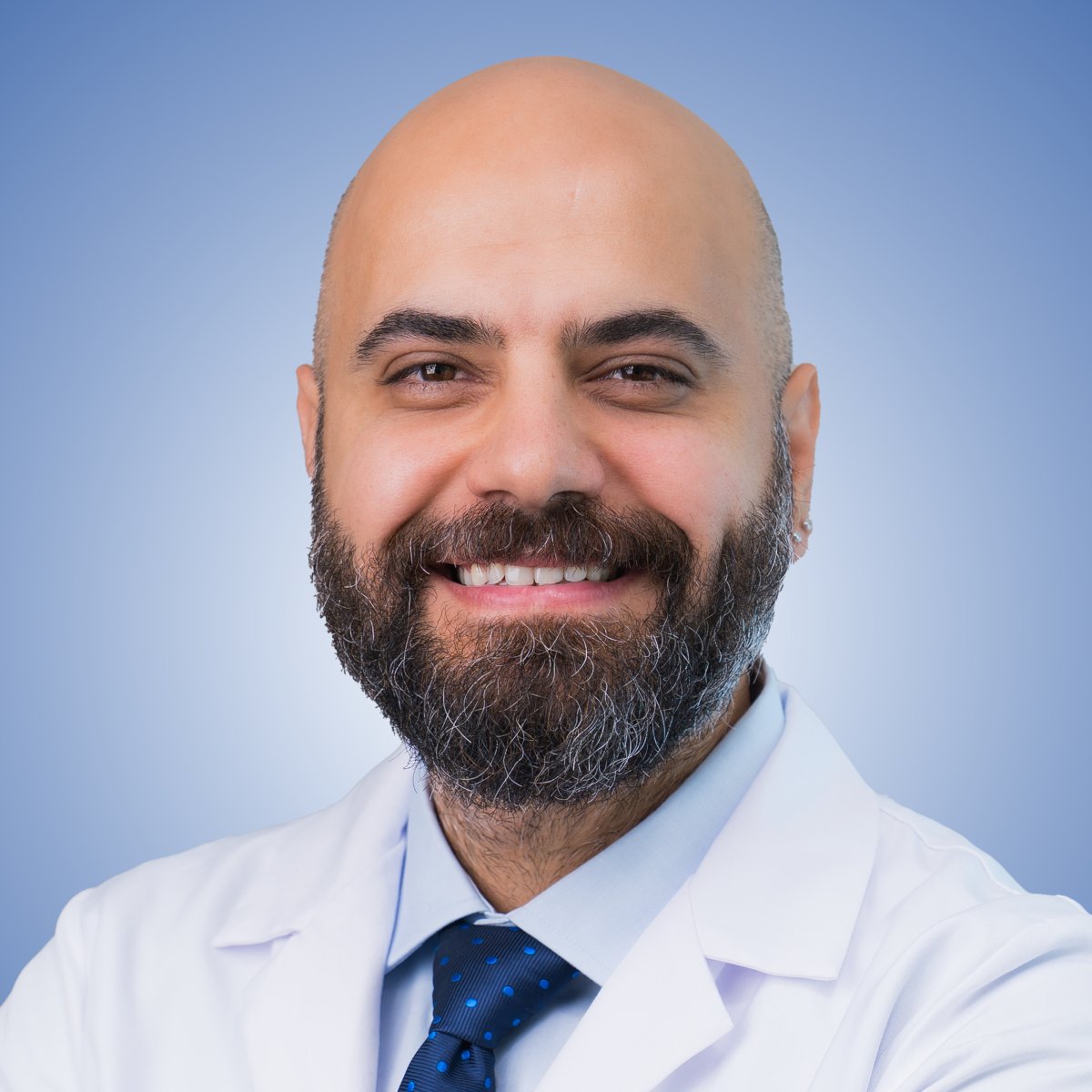
Dr Bugra Cetin




Memorial Göztepe Hospital


Obtenga una evaluación médica de tratamiento de Leucoplasia de la vejiga en Turquía: haga una consulta con 53 médicos experimentados ahora
Ver todos los médicosDr Bugra Cetin
Pionero en terapias celulares para urología – El Dr. Bugra Cetin se especializa en tratamientos innovadores para afecciones de la vejiga en el Hospital Bahçelievler Medicalpark.
- Urólogo certificado con amplia experiencia en cirugías reconstructivas y urooncológicas
- Experto en técnicas mínimamente invasivas para el cáncer de vejiga y afecciones relacionadas
- Doctorado en Medicina Molecular con enfoque en tratamientos urológicos avanzados
- Miembro de la Asociación Europea de Urología y la Sociedad Internacional de Medicina Sexual

Basri Cakiroglu
El profesor asociado Basri Çakıroğlu se especializa en urooncología, incluida la leucoplasia de la vejiga, en el Hisar Hospital Intercontinental.
- Más de _doctor_2969_años_ de experiencia en urología
- Especializado en endourología y urooncología
- Autor de múltiples artículos en revistas internacionales y locales
- Experiencia en urología pediátrica y andrología

Cenk Acar
El Prof. Asoc. Dr. Cenk Acar se especializa en cánceres urológicos y ha realizado más de 500 cirugías de cáncer urológico en el Hospital Hisar Intercontinental.
- Experto en cirugías urológicas robóticas y laparoscópicas
- Pionero en técnicas de imagen por fluorescencia en Turquía
- Realizó más de 250 cirugías HOLEP para afecciones de la próstata
- Formado en el Instituto del Cáncer de los Países Bajos (AVL)

Abdulmuttalip Simsek
Especializado en urología robótica y reconstructiva, el Dr. Simsek aporta técnicas de vanguardia para afecciones complejas de la vejiga en el Hospital Memorial Bahçelievler.
- Profesor asociado con 16 años de experiencia en urología
- Experto en cirugías de vejiga asistidas por robot y técnicas reconstructivas
- Formado en el renombrado departamento de urología de la Universidad de Sheffield
- Trata afecciones de vejiga tanto cancerosas como no cancerosas
Compartir contenido
Historias en video de pacientes de Bookimed
 Olena Sikoza
Preguntas frecuentes sobre el tratamiento de Leucoplasia de la vejiga en Turquía
¿Cuál es el tratamiento estándar para la leucoplasia vesical en Turquía?
El tratamiento estándar para la leucoplasia vesical en Turquía utiliza métodos quirúrgicos endoscópicos para eliminar el tejido engrosado. Los urólogos especializados realizan principalmente la resección transuretral de vejiga (RTU-V) o la ablación con láser. Estos procedimientos mínimamente invasivos utilizan un resectoscopio o láser para destruir las lesiones sin necesidad de cirugía abierta.
- Enfoque quirúrgico: La RTU-V elimina el tejido queratinizado a través de la uretra usando bucles eléctricos especializados.
- Opciones tecnológicas: Los cirujanos utilizan fulguración láser o electrocauterización para quemar y eliminar placas más pequeñas.
- Confirmación diagnóstica: Los centros turcos combinan la cistoscopia con patología obligatoria para descartar displasia vesical.
- Estándares de seguridad: Los procedimientos se llevan a cabo en instalaciones acreditadas por la JCI como Memorial Sisli o Hisar Hospital.
Perspectiva de expertos de Bookimed: Aunque la RTU-V es un estándar global, los urólogos turcos a menudo la combinan con una precisión diagnóstica avanzada. El Prof. Dr. Murat Binbay en Memorial Sisli ha realizado más de 600 cirugías robóticas urológico-oncológicas. Este alto volumen en las clínicas de Estambul garantiza que los cirujanos puedan distinguir con precisión la metaplasia benigna de las lesiones de alto riesgo. Elegir un
¿Cómo se realiza la cirugía TURB?
La resección transuretral de vejiga (RTU) es un procedimiento mínimamente invasivo realizado a través de la uretra. Los cirujanos utilizan un resectoscopio para eliminar tejido anormal como leucoplasia o tumores. El procedimiento no requiere incisiones externas. Por lo general, se realiza bajo anestesia espinal o general en centros turcos acreditados por la JCI.
- Inserción del instrumento: Un resectoscopio delgado pasa a través de la uretra directamente hacia la cavidad de la vejiga.
- Eliminación de tejido: Los cirujanos usan un asa de alambre para raspar o afeitar las capas anormales de tejido.
- Hemostasia: La electrocauterización sella los vasos sanguíneos durante el procedimiento para minimizar el sangrado interno.
- Drenaje de la vejiga: Generalmente se coloca un catéter urinario para eliminar líquidos y fragmentos de tejido.
- Tiempo de recuperación: La mayoría de los pacientes permanecen en el hospital de 1 a 2 días para observación.
Perspectiva del experto de Bookimed: Los centros de urología turcos suelen ofrecer un enfoque de doble especialidad para la leucoplasia. Por ejemplo, el Prof. Dr. Murat Binbay en el Memorial Şişli Hospital aporta una amplia experiencia robótica y oncológica a los procedimientos transuretrales estándar. Este alto volumen de casos reconstructivos y oncológicos garantiza que las muestr
¿Qué debo preguntar a mi médico en Turquía antes de someterme a un tratamiento de leucoplasia?
Pida a su urólogo los resultados patológicos exactos antes de comenzar el tratamiento de la leucoplasia. Confirme si la biopsia muestra metaplasia escamosa o displasia. En Turquía, los especialistas en centros acreditados por la JCI, como el Anadolu Medical Center, utilizan estos datos para elegir entre la observación y la extirpación endoscópica.
- Confirmación patológica: Pregunte si en su informe existe metaplasia queratinizante o displasia.
- Criterios de éxito: Solicite una explicación clara de si planean una fulguración o una resección.
- Experiencia del cirujano: Confirme que el cirujano ha realizado cientos de procedimientos cistoscópicos de vejiga.
- Protocolo de seguimiento: Pregunte por el calendario específico de cistoscopias de repetición para controlar la recurrencia.
Perspectiva del experto de Bookimed: Los departamentos de urología turcos suelen contar con expertos doblemente certificados como el Prof. Dr. Fatih Kurtuluş, miembro del European Board of Urology. Al revisar las clínicas, dé prioridad a aquellas con un alto volumen de pacientes de urología. El Anadolu Medical Center atiende a 65 000 pacientes al año y está afiliado a Johns Hopkins, lo que garantiza que los estándares patológicos cumplan con los criterios internacionales para el diagnóstico de cambios precancerosos.
Consenso de los pacientes:
¿Cómo es la recuperación y el seguimiento después de una RTU por leucoplasia?
La recuperación después de una resección transuretral por leucoplasia vesical implica de 1 a 2 días de hospitalización para monitoreo y cateterismo. Los centros de urología turcos utilizan técnicas endoscópicas avanzadas para reducir la irritación. Los pacientes suelen volver a realizar actividades ligeras en un plazo de 1 a 3 semanas, mientras siguen un estricto programa de seguimiento mediante cistoscopia.
- Estancia hospitalaria: Espere de 1 a 2 noches en instalaciones como el Hospital Memorial Şişli para la vigilancia inicial.
- Duración del catéter: Un catéter urinario permanece colocado durante 1 a 4 días para facilitar la cicatrización adecuada de la vejiga.
- Manejo de los síntomas: Experimentará escozor temporal o frecuencia urinaria durante varias semanas mientras el revestimiento de la vejiga se recupera.
- Protocolo de hidratación: Aumente significativamente la ingesta de líquidos para limpiar la vejiga y prevenir posibles coágulos sanguíneos.
- Programa de seguimiento: Las cistoscopias regulares son esenciales para monitorear la recurrencia de las lesiones por leucoplasia.
Perspectiva de expertos de Bookimed: Los centros de oncología turcos ofrecen una ventaja distintiva al integrar comités multidisciplinarios de tumores en la fase postoperatoria. Especialistas con gran experiencia, como el Prof. Dr. Murat B