Rehabilitación después de una lesión de la médula espinal Tratamiento en Austria — Costos 2026


Revisado médicamente por
Fahad Mawlood
¿Cuál es el precio del diagnóstico y los tratamientos de Rehabilitación después de una lesión de la médula espinal en Austria? Descubra ahora
El costo del tratamiento de rehabilitación después de una lesión de la médula espinal en Austria oscila típicamente entre $5,000 y $9,000 para sesiones asistidas por robótica. Los procedimientos avanzados como el entrenamiento de la marcha con un exoesqueleto van desde $4,200 hasta $8,200. Los gastos totales dependen del nivel de la lesión, la duración de la estancia y el nivel de las instalaciones. Los pacientes a menudo encuentran ahorros del 20-30% en comparación con los EE. UU. Las principales ciudades para la recuperación incluyen Viena y Lassnitzhoehe.
Costos típicos del tratamiento de rehabilitación después de una lesión de la médula espinal en Austria
- Rehabilitación hospitalaria: Precio a consultar
- Rehabilitación integral: Precio a consultar
- Rehabilitación con exoesqueleto: $4,200 – $8,200
- Rehabilitación con "Lokomat": $5,000 – $9,000
- Rehabilitación con sistema Re-step: $7,500 – $12,500
- Terapia Vojta: $800 – $1,700
- Rehabilitación en verticalizador: Precio a consultar
- Rehabilitación con traje espacial TheraSuit: $3,800 – $6,800
- Rehabilitación con traje de carga Adele: Precio a consultar
- Terapia Gross: Precio a consultar
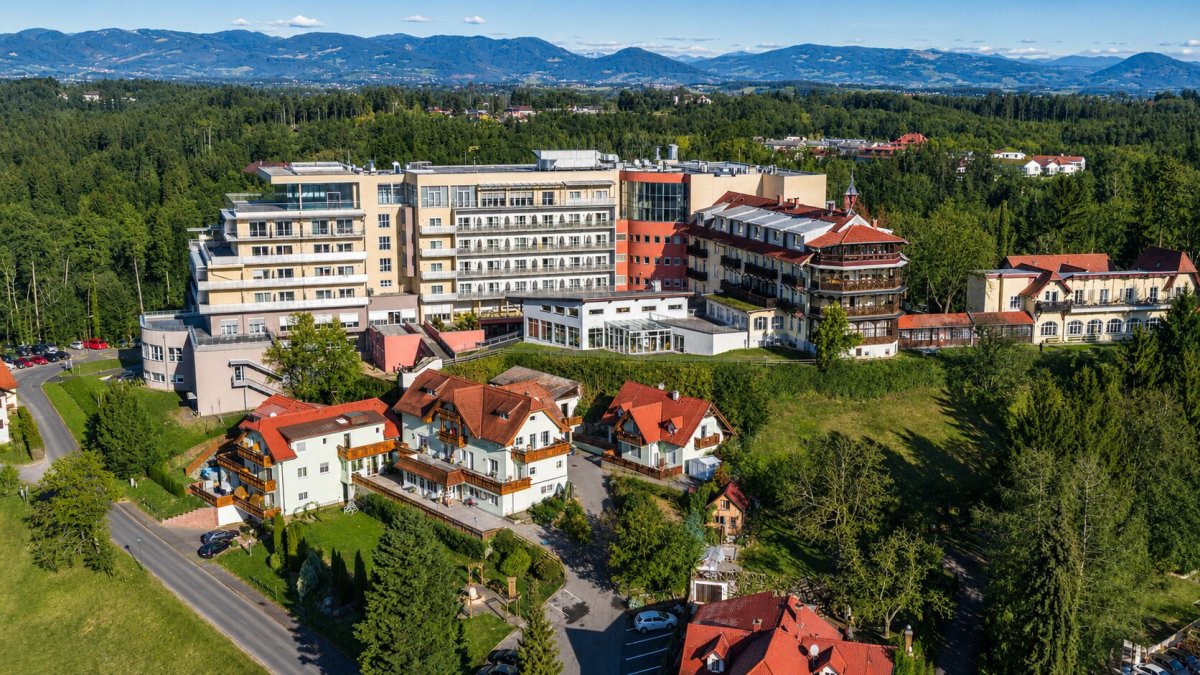
Perspectiva de expertos de Bookimed: Los pacientes que requieren una recuperación neurológica y ortopédica especializada se benefician de clínicas con certificación ISO. El Hospital Privado Lassnitzhöhe es ideal para quienes buscan un entorno sereno. Este centro trata tanto a adultos como a niños con una calificación de 5 estrellas. Ofrece atención integral con 289 camas e infraestructura moderna. Elegir centros tan establecidos garantiza el acceso a diversos módulos de rehabilitación para lesiones espinales complejas.
| Austria | España | Turquía | |
|---|---|---|---|
| Terapia ocupacional con el ratón de ordenador Head | ≈ $950 | ≈ $750 | ≈ $450 |
| Terapia Vojta | ≈ $800 | ≈ $600 | de $230 |
| Rehabilitación en la cinta de correr Anti Gravity | ≈ $750 | ≈ $500 | ≈ $900 |
| Rehabilitación con traje espacial TheraSuit | ≈ $3,800 | ≈ $2,800 | ≈ $1,500 |
| Rehabilitación con sistema Re-step | ≈ $7,500 | ≈ $6,500 | ≈ $3,800 |
Sus beneficios y garantías con Bookimed
Precios directos
Bookimed no añade cargos extra a los precios de los tratamientos de Rehabilitación después de una lesión de la médula espinal. Las tarifas proceden de las listas de precios oficiales de las clínicas. Pagará directamente en la clínica por su tratamiento a su llegada al país.
Sólo clínicas y médicos verificados
Bookimed está comprometido con su seguridad. Solo trabajamos con las clínicas que mantienen altos estándares internacionales en el tratamiento de Rehabilitación después de una lesión de la médula espinal y cuentan con las licencias necesarias para atender a pacientes internacionales en todo el mundo.
Asistencia 24/7 gratuita
Bookimed ofrece asistencia experta gratuita. Un coordinador médico personal le apoya antes, durante y después de su tratamiento, resolviendo cualquier problema. Nunca estará solo en su viaje médico de tratamiento de Rehabilitación después de una lesión de la médula espinal.

Su coordinador médico personal de Bookimed
- Le apoya en cada etapa
- Ayuda a elegir la clínica y el médico adecuados
- Asegura un acceso rápido y conveniente a la información
Descubra las mejores clínicas de tratamiento de Rehabilitación después de una lesión de la médula espinal en Austria: 1 opciones verificadas y Precios

Compartir contenido
Historias en video de pacientes de Bookimed
 Olena Sikoza
Preguntas frecuentes sobre el tratamiento de Rehabilitación después de una lesión de la médula espinal en Austria
¿Qué objetivos funcionales persiguen los programas austriacos de rehabilitación de lesiones medulares?
Los programas austriacos de rehabilitación para lesiones medulares buscan la máxima independencia y la reintegración a la comunidad. Se centran en restaurar la movilidad mediante robótica avanzada como Lokomat y EksoGT. Los pacientes trabajan para dominar las actividades de la vida diaria, que incluyen el autocuidado, el control de la vejiga y una función respiratoria estable.
- Entrenamiento de la movilidad: Los programas utilizan exoesqueletos y Lokomat para el entrenamiento de la marcha y la neuroplasticidad.
- Independencia diaria: La terapia ocupacional prioriza el vestirse, bañarse y las transferencias seguras de la cama a la silla.
- Control de órganos: Los especialistas establecen rutinas de autocuidado para el intestino y la vejiga con el fin de prevenir infecciones.
- Integridad tisular: Los pacientes aprenden comportamientos vitales para aliviar la presión y eliminar el riesgo de úlceras por presión.
Análisis de expertos de Bookimed: Los centros de rehabilitación como el Hospital Privado Lassnitzhöhe hacen hincapié en la resistencia de la parte superior del cuerpo para la propulsión manual de la silla de ruedas. Si bien muchos pacientes aspiran a recuperar la capacidad de caminar, los mejores resultados se centran en la estabilidad del tronco. Esta fuerza central sirve de base para alimentarse, vestirse y desplazarse por diversos terre
¿En Austria la rehabilitación sigue un modelo multidisciplinario?
La rehabilitación en Austria sigue un modelo multidisciplinario estrictamente regulado por los marcos nacionales de salud. Equipos de neurólogos, fisioterapeutas y terapeutas ocupacionales colaboran en la recuperación de lesiones medulares. Este enfoque estructurado integra apoyo médico, físico y psicológico en centros clínicos como el Hospital Privado Lassnitzhöhe.
- Atención por fases: El tratamiento consta de cuatro fases estandarizadas, desde la removilización aguda hasta la atención comunitaria.
- Personal especializado: Médicos especialistas, científicos deportivos y psicólogos conforman el equipo de atención principal.
- Tecnología avanzada: Las instalaciones utilizan sistemas robóticos como Lokomat y verticalizadores para la recuperación de la motricidad fina.
- Supervisión regulatoria: Los niveles de personal y los indicadores de calidad se supervisan legalmente para garantizar estándares unificados.
Análisis de expertos de Bookimed: Una de las principales fortalezas de Austria es su sistema de atención clínica especializada. Centros de alta capacidad como el Hospital Privado Lassnitzhöhe, con 289 camas, se centran exclusivamente en áreas médicas específicas. Esta especialización permite a los equipos adquirir una profunda experiencia en lesiones de la médula espinal. Los pacientes se benefician de equipos especializados como el sistema
¿Qué tratamientos robóticos avanzados para lesiones de la médula espinal están disponibles en Austria?
Austria emplea tratamientos robóticos de vanguardia para lesiones de la médula espinal, mediante entrenamiento de la marcha asistido por robot y exoesqueletos portátiles. Estos sistemas maximizan la neuroplasticidad al realizar tareas altamente repetitivas. Centros especializados ofrecen los sistemas Lokomat, Re-step y EksoGT. Estas tecnologías están acreditadas por la Sociedad Austriaca para el Aseguramiento de la Calidad.
- Entrenamiento de la marcha: Los sistemas Lokomat reeducan los patrones de marcha mediante piernas robóticas integradas en una cinta de correr.
- Deambulación terrestre: Los exoesqueletos alimentados por batería, como el EksoGT, permiten a los pacientes ponerse de pie y caminar.
- Simulación de terreno: Las zapatillas Restep simulan superficies irregulares para mejorar el equilibrio en condiciones reales.
- Extremidad superior: Los sistemas Armeo proporcionan soporte para soportar peso y restaurar la amplitud de movimiento del hombro y la muñeca.
Reseña de expertos de Bookimed: El Hospital Privado Lassnitzhoehe cuenta con 289 camas y se especializa en rehabilitación de columna vertebral para adultos y niños. Su gran capacidad permite brindar una atención integral, combinando el entrenamiento de la marcha con terapia acuática intensiva. Los pacientes se benefician de las normas ISO, que garantizan la seguridad durante las sesi
¿Qué centros especializados en Austria ofrecen los mejores servicios de neurorrehabilitación para lesiones de la médula espinal?
Entre los principales centros austriacos de neurorrehabilitación para pacientes con lesiones medulares se encuentran instituciones estatales de la AUVA, como Bad Häring, y organizaciones privadas, como el Hospital Privado Lassnitzhöhe. Estos centros utilizan protocolos con certificación ISO y tecnologías robóticas, como el Lokomat. Los programas de tratamiento especializados priorizan la recuperación de la función autonómica y la independencia a largo plazo.
- Sistemas robóticos: Las clínicas utilizan exoesqueletos y sistemas Lokomat para entrenar la marcha y mejorar la movilidad.
- Terapias especializadas: Los programas incluyen la terapia Vojta y el sistema Restep para la neuroregeneración.
- Estándares de calidad: Centros como el Hospital Privado Lassnitzhöhe cuentan con certificados de calidad EN ISO 9001:2008.
- Experiencia clínica: Centros universitarios como la Clínica Christian Doppler ofrecen atención neurocrítica de alta calidad.
Opinión de expertos de Bookimed: El Hospital Privado Lassnitzhöhe destaca por su tratamiento terapéutico intensivo. Ofrece hasta 33 sesiones individuales por semana. Esta alta frecuencia suele ser más eficaz que los protocolos estándar. Con una capacidad de 289 camas, dispone de equipos especializados para casos complejos, centrados tanto en la rehabilitación musculoesquelética como en los trastornos neurológic
¿Qué incluye un programa de terapia diario típico para pacientes hospitalizados?
La rehabilitación hospitalaria para pacientes con lesiones medulares en Austria requiere 15 horas de terapia semanales. Por lo general, los pacientes reciben tres horas diarias de entrenamiento intensivo durante cinco días. El programa diario incluye entrenamiento de la marcha asistido por robot con el dispositivo Lokomat, así como actividades funcionales como vestirse y el autocuidado, para maximizar la neuroplasticidad y la independencia.
- Rutina matutina: A las 6:30 de la mañana, las enfermeras controlan las constantes vitales y supervisan las actividades diarias.
- Bloque de entrenamiento de alta intensidad: Las sesiones matutinas se centran en la movilidad general mediante el uso de verticalizadores o exoesqueletos.
- Recuperación a mediodía: Después del almuerzo, es necesario un descanso obligatorio para prevenir el agotamiento físico y mental.
- Aplicación funcional: La terapia TheraSuit o Vojta se utiliza por la tarde para mejorar habilidades motoras específicas.
Opinión de expertos de Bookimed: Clínicas como el hospital privado Lassnitzhöhe utilizan una alta proporción de camas por planta para garantizar que los terapeutas estén cerca de las salas de recuperación. Esta organización permite al personal convertir las visitas rutinarias al baño en sesiones terapéuticas inmediatas. Los pacientes de centros con certificación ISO suelen infor
¿Cuál es la duración media de la estancia en un hospital para rehabilitación?
La rehabilitación hospitalaria para pacientes con lesiones medulares en Austria suele durar entre 4 y 12 semanas. La mayoría de los pacientes permanecen entre 6 y 8 semanas en centros especializados. La duración depende de la estabilidad de su salud y de los objetivos de independencia alcanzables. Los centros europeos priorizan la recuperación funcional y el cumplimiento de los indicadores de seguridad.
- Etapas funcionales: El alta requiere independencia en la movilidad y autocuidado básico.
- Nivel de lesión: Las lesiones en la columna cervical superior suelen requerir una estancia hospitalaria más prolongada que las lesiones en la columna cervical inferior.
- Tecnología de vanguardia: las clínicas austriacas utilizan Lokomat y exoesqueletos para acelerar el movimiento.
- Tratamiento de las complicaciones: Si se producen infecciones o úlceras por presión, la duración de la estancia hospitalaria puede prolongarse.
Opinión de expertos de Bookimed: El Hospital Privado Lassnitzhöhe cuenta con 289 camas, una cifra elevada para el sistema de rehabilitación europeo. Este número de camas permite la formación de equipos especializados en neurología y ortopedia. Los centros más grandes suelen ofrecer más equipamiento, como piscinas cubiertas y salas de tratamiento. Estos recursos ayudan a los pacientes a cumplir mejor con los requisitos de su seguro.