Rehabilitación después de una lesión de la médula espinal Tratamiento en Corea del Sur — Costos 2026


Revisado médicamente por
Fahad Mawlood
¿Cuál es el precio del diagnóstico y los tratamientos de Rehabilitación después de una lesión de la médula espinal en Corea del Sur? Descubra ahora
De $55. Los tratamientos principales, como la rehabilitación hospitalaria, van desde Precio a consultar hasta Precio a consultar, mientras que la rehabilitación integral cuesta entre Precio a consultar y Precio a consultar. Los precios dependen de la gravedad de la lesión, la duración de la estancia y la integración de tecnología robótica. Los pacientes suelen ahorrar entre un 30 y un 50% en comparación con los EE. UU. Los mejores centros de tratamiento se encuentran en Seúl e Incheon.
Costos típicos de la rehabilitación tras una lesión de la médula espinal en la República de Corea
- Consulta con un neurólogo: de $55
- Rehabilitación hospitalaria: Precio a consultar
- Rehabilitación integral: Precio a consultar
- Rehabilitación con exoesqueleto: $2,500 – $5,200
- Rehabilitación con "Lokomat": $1,800 – $3,800
- Rehabilitación con el sistema Vector Gait: de $1,600
- Terapia Vojta: $1,100 – $1,900
Perspectiva de los expertos de Bookimed: La recuperación de alta tecnología se gestiona mejor en centros digitalmente avanzados. El Hospital Universitario Nacional de Seúl Bundang (SNUBH) utiliza el sistema BESTcare y la IA para un seguimiento preciso. Fue el primer hospital acreditado por la JCI en Corea, lo que garantiza estándares internacionales de seguridad. Los pacientes que buscan caminar con asistencia robótica deben priorizar las instalaciones con clasificaciones de "Mejores hospitales del mundo" de Newsweek. Estos centros coordinan la atención neurológica compleja para más de 1,500,000 pacientes anuales de manera eficiente.
| Corea del Sur | España | Turquía | |
|---|---|---|---|
| Terapia ocupacional con el ratón de ordenador Head | ≈ $650 | ≈ $750 | ≈ $450 |
| Terapia Vojta | ≈ $1,100 | ≈ $600 | de $230 |
| Rehabilitación en la cinta de correr Anti Gravity | ≈ $900 | ≈ $500 | ≈ $900 |
| Rehabilitación con traje espacial TheraSuit | ≈ $3,800 | ≈ $2,800 | ≈ $1,500 |
| Rehabilitación con sistema Re-step | ≈ $6,500 | ≈ $6,500 | ≈ $3,800 |
Sus beneficios y garantías con Bookimed
Precios directos
Bookimed no añade cargos extra a los precios de los tratamientos de Rehabilitación después de una lesión de la médula espinal. Las tarifas proceden de las listas de precios oficiales de las clínicas. Pagará directamente en la clínica por su tratamiento a su llegada al país.
Sólo clínicas y médicos verificados
Bookimed está comprometido con su seguridad. Solo trabajamos con las clínicas que mantienen altos estándares internacionales en el tratamiento de Rehabilitación después de una lesión de la médula espinal y cuentan con las licencias necesarias para atender a pacientes internacionales en todo el mundo.
Asistencia 24/7 gratuita
Bookimed ofrece asistencia experta gratuita. Un coordinador médico personal le apoya antes, durante y después de su tratamiento, resolviendo cualquier problema. Nunca estará solo en su viaje médico de tratamiento de Rehabilitación después de una lesión de la médula espinal.

Su coordinador médico personal de Bookimed
- Le apoya en cada etapa
- Ayuda a elegir la clínica y el médico adecuados
- Asegura un acceso rápido y conveniente a la información
Descubra las mejores clínicas de tratamiento de Rehabilitación después de una lesión de la médula espinal en Corea del Sur: 2 opciones verificadas y Precios



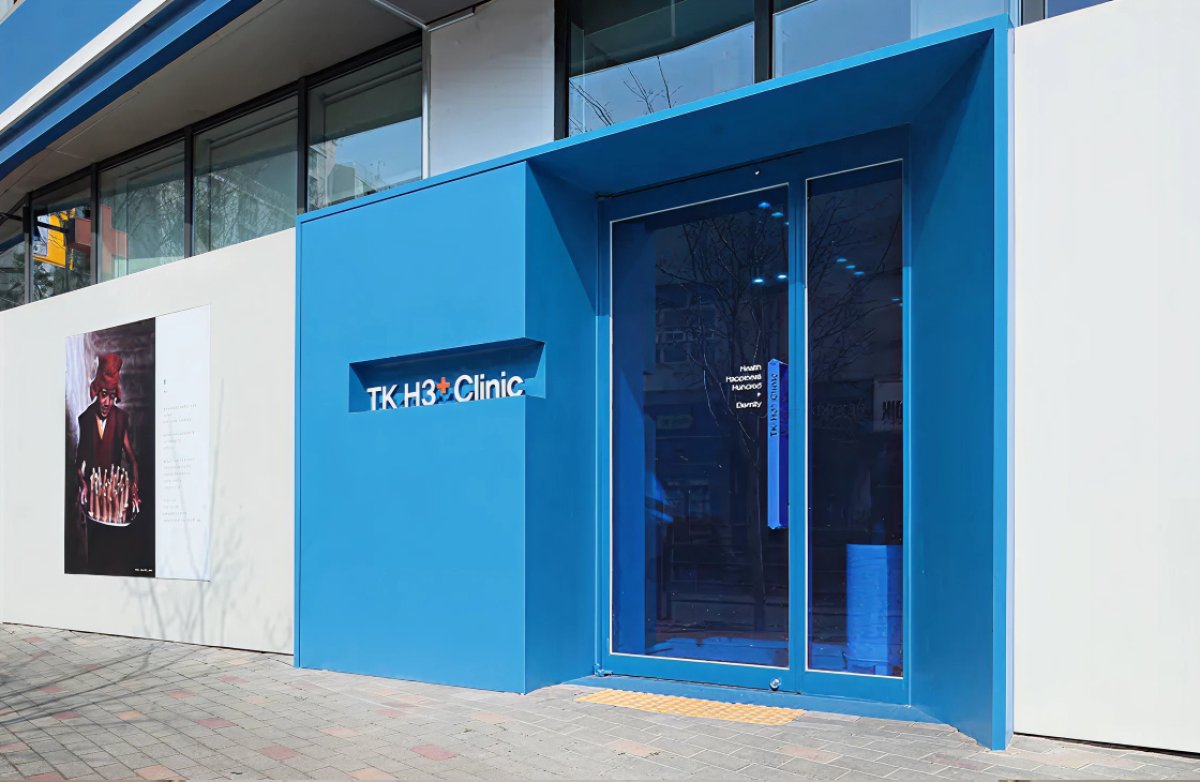
Bundang TK Hospital
Compartir contenido
Historias en video de pacientes de Bookimed
 Olena Sikoza
Preguntas frecuentes sobre el tratamiento de Rehabilitación después de una lesión de la médula espinal en Corea del Sur
¿En qué consiste la rehabilitación de lesiones de la médula espinal en Corea?
La rehabilitación de lesiones de la médula espinal en Corea ofrece atención hospitalaria intensiva mediante el uso de sistemas robóticos como Lokomat y exoesqueletos. Las estructuras de los programas hacen hincapié en 2 a 4 horas de terapia diaria. El tratamiento se centra en la neurorregeneración, la movilidad y las actividades de la vida diaria. Los centros certificados en Seúl a menudo cuentan con la Acreditación de Salud Global (Global Healthcare Accreditation).
- Entrenamiento robótico de la marcha: Uso de sistemas Lokomat y Vector para restaurar patrones naturales de caminata.
- Asistencia con exoesqueletos: Los dispositivos robóticos portátiles ayudan a los pacientes a practicar la movilidad vertical y las transferencias.
- Técnicas especializadas: La terapia Vojta y el entrenamiento en cateterismo intermitente limpio mejoran los resultados funcionales.
- Cronograma del programa: El entrenamiento intensivo alcanza su punto máximo durante las semanas 7 a 12 para maximizar la función residual.
Perspectiva de los expertos de Bookimed: Corea ocupa el tercer lugar a nivel mundial en solicitudes médicas, en parte porque clínicas como el Hospital Universitario Nacional de Seúl Bundang atienden a 1.500.000 pacientes al año. Esta escala masiva permite a los hospitales integrar la IA y los registros electrónicos de salud (EHR) en los planes de reh
¿Qué hospitales están reconocidos como los mejores para la rehabilitación de lesiones de la médula espinal en Corea?
El Hospital de la Universidad Nacional de Seúl Bundang, el Hospital Severance y el Centro Médico Asan son las principales instalaciones de Corea del Sur para la rehabilitación de lesiones de la médula espinal. Estos centros cuentan con la Acreditación de Salud Global (Global Healthcare Accreditation) y utilizan sistemas robóticos como Lokomat. Brindan atención multidisciplinaria que involucra fisiatría, neurología y entrenamiento locomotor especializado.
- Tecnología robótica: Las clínicas utilizan Lokomat, exoesqueletos portátiles y el sistema Vector Gait para el entrenamiento.
- Acreditación clínica: Los mejores hospitales poseen la Acreditación de Salud Global o cumplen con los estándares JCI para la seguridad de pacientes internacionales.
- Diagnóstico avanzado: Las consultas directas con neurólogos y el diagnóstico por imagen digital guían los protocolos de rehabilitación hospitalaria personalizados.
- Sistemas de seguridad: Instalaciones como el SNUBH utilizan el sistema digital BESTcare para minimizar los errores médicos.
Opinión experta de Bookimed: Aunque los grandes centros como el Hospital de la Universidad Nacional de Seúl Bundang tratan a 1.500.000 pacientes al año, la verdadera ventaja es su infraestructura digital. Los hospitales de gran volumen utilizan sistemas de registros médicos electrónicos (EHR) integrados para realizar un
¿Corea del Sur ofrece tecnologías robóticas avanzadas y sesiones de marcha robótica para pacientes con lesiones de la médula espinal?
Corea del Sur ofrece marcha robótica avanzada para pacientes con lesiones de la médula espinal. Los centros especializados utilizan sistemas Lokomat y exoesqueletos portátiles para el entrenamiento de la marcha. Estas tecnologías ayudan a los pacientes paralizados a ponerse de pie y moverse. Sensores especializados predicen los movimientos para mantener el equilibrio y superar obstáculos.
- Entrenamiento Lokomat: Las sesiones automatizadas en cinta rodante proporcionan un entrenamiento de marcha repetitivo y de alta intensidad.
- Terapia con exoesqueleto: Los trajes robóticos portátiles apoyan la marcha vertical y fortalecen los músculos de las extremidades inferiores.
- Sistema Vector Gait: La tecnología de soporte de peso corporal permite a los pacientes entrenar una marcha natural de forma segura.
- Sensores inteligentes: Los sensores en los pies y la parte superior del cuerpo analizan el entorno para subir escaleras.
Opinión de expertos de Bookimed: Corea del Sur ocupa el tercer lugar en el mundo en cuanto a nuestras solicitudes médicas. Los centros de alto volumen, como el Hospital Bundang de la Universidad Nacional de Seúl, reciben 1.500.000 pacientes al año. Esta escala permite a las clínicas implementar sistemas costosos como Lokomat y registros digitales BestCare. Estas herramientas rastrean el progreso de la rehabilitación con una pre
¿Cuánto tiempo dura normalmente un programa de rehabilitación hospitalaria tras una lesión medular en Corea?
La rehabilitación hospitalaria en Corea suele durar entre 4 y 12 semanas para los pacientes internacionales. Aunque los residentes locales suelen tener estancias mucho más largas, los programas especializados dan prioridad a bloques de recuperación intensiva. Estos programas se centran en la independencia funcional y la terapia de alta frecuencia en centros acreditados por la JCI o certificados por la GHA.
- Duración de la recuperación intensiva: Los programas suelen durar entre 30 y 90 días para los visitantes internacionales.
- Enfoques funcionales: La terapia se centra en la movilidad en cama, la independencia en silla de ruedas y el entrenamiento de la marcha con Lokomat.
- Tecnologías avanzadas: Centros como el Seoul National University Bundang Hospital utilizan IA y sistemas digitales.
- Criterios de alta: Los pacientes son dados de alta cuando están médicamente estables o cuando alcanzan sus objetivos funcionales.
Perspectiva de los expertos de Bookimed: Corea se sitúa como un destino mundial de primer nivel para la atención médica con 76 clínicas especializadas. Los datos muestran que la intensidad importa más que la duración de la estancia. Centros como el Seoul National University Bundang Hospital atienden a 1.500.000 pacientes al año. Su gran volumen se traduce en un dominio más rápido de los sistemas robóticos de marcha y las terapi
¿Por qué los pacientes viajan a Corea para la rehabilitación de lesiones de la médula espinal en lugar de otros destinos?
Los pacientes eligen Corea del Sur para la rehabilitación de lesiones de la médula espinal debido a los protocolos robóticos de alta intensidad y las terapias regenerativas avanzadas. Las instalaciones utilizan sistemas Lokomat y de exoesqueleto para impulsar la recuperación neurológica. Los centros médicos coreanos ofrecen ahorros significativos en comparación con las instalaciones de EE. UU. mientras mantienen los estándares de la Joint Commission International.
- Sistemas robóticos: Las clínicas utilizan sistemas Lokomat y Vector Gait para un entrenamiento intensivo de la marcha.
- Infraestructura digital: Hospitales como el SNUBH utilizan sistemas digitales BESTcare para maximizar la seguridad del paciente.
- Intensidad del cuidado: Los programas a menudo incluyen múltiples sesiones de terapia especializada seis días a la semana.
- Enfoque regenerativo: Los centros coreanos lideran la investigación personalizada de células madre para la reparación nerviosa.
Opinión de experto de Bookimed: Corea destaca porque sus principales hospitales son entidades totalmente digitales. El Hospital Bundang de la Universidad Nacional de Seúl atiende a 1.500.000 pacientes cada año utilizando sistemas de IA. Esta integración digital significa que los médicos realizan un seguimiento de cada milímetro de progreso del movimiento en tiempo real. Esto garantiza qu
¿Los planes de rehabilitación se adaptan al nivel y la gravedad específicos de la lesión de la médula espinal en Corea?
Las clínicas surcoreanas adaptan la rehabilitación al nivel de la lesión y a la gravedad según la escala de deterioro ASIA. Los programas se adaptan específicamente para abordar las necesidades cervicales, torácicas o lumbares. Los grandes centros como el Hospital Bundang de la Universidad Nacional de Seúl utilizan robótica avanzada. Los sistemas digitales realizan un seguimiento de los objetivos funcionales para maximizar la independencia del paciente.
- Movilidad dirigida: Las lesiones de la parte inferior del cuerpo se centran en el entrenamiento de la marcha y la bipedestación.
- Función de las extremidades superiores: Los planes para lesiones cervicales priorizan las habilidades con silla de ruedas y el soporte respiratorio.
- Asistencia robótica: Las clínicas utilizan sistemas Lokomat y ReWalk para la estimulación de la neuroplasticidad.
- Reeducación neurológica: Los médicos adaptan la intensidad según el estado de parálisis completa o incompleta.
Opinión de experto de Bookimed: El volumen de especialistas a menudo determina el nivel de personalización. El Hospital Bundang de la Universidad Nacional de Seúl trata a más de 1.500.000 pacientes al año. Los centros de alto volumen utilizan el sistema digital BESTcare para minimizar los errores médicos. Este enfoque basado en datos garantiza que los planes de terapia cambien a medida que mejo