El Centro Médico de Rehabilitación y Terapia Física Fizyomer
Turquía, Eskişehir
Turkan Tunerir
41 años de experiencia

Portafolio del cirujano
Clínica certificada por : 


Revisado médicamente por
Fahad Mawlood
El costo del tratamiento de rehabilitación tras una lesión de la médula espinal en Turquía incluye normalmente una consulta con un neurólogo que oscila entre $120 y $200, y programas de rehabilitación integral que van desde Precio a consultar hasta Precio a consultar. Los gastos totales dependen de la gravedad de la lesión, la duración de la estancia y el uso de tecnologías robóticas. Los pacientes pueden esperar ahorros del 40-60% en comparación con los EE. UU. Las principales ciudades para estos servicios especializados incluyen Estambul, Bursa y Eskişehir.
Costos típicos del tratamiento de rehabilitación tras una lesión de la médula espinal en Turquía
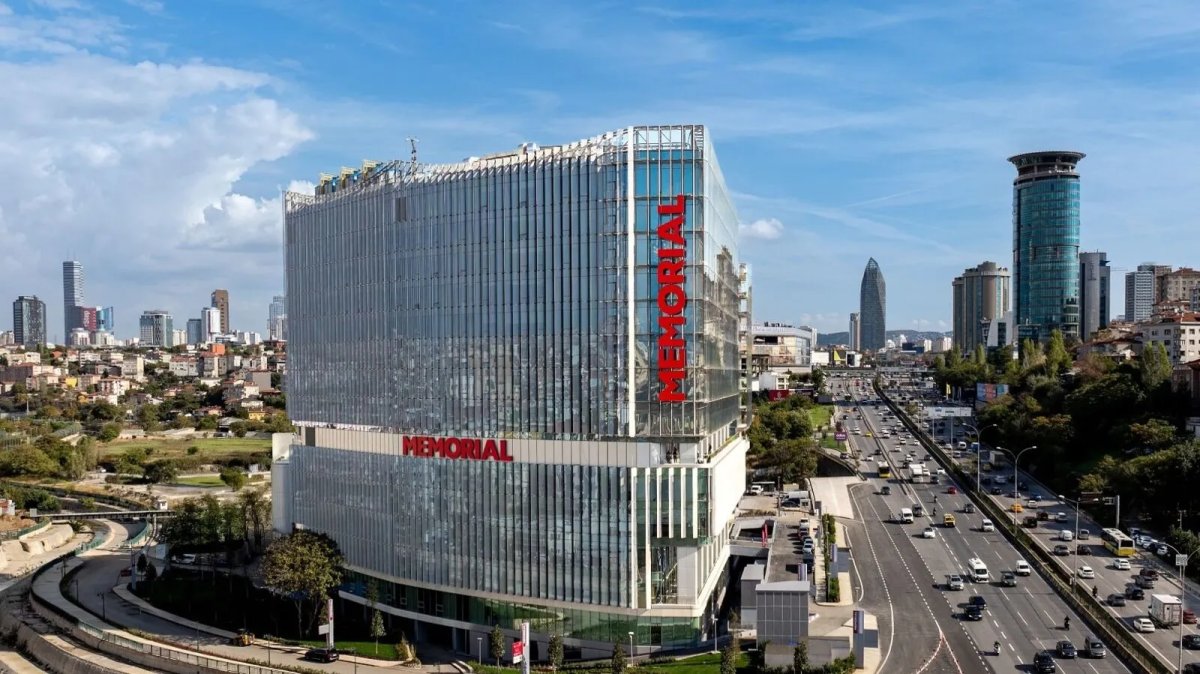
Perspectiva de los expertos de Bookimed: Para lesiones crónicas de la médula espinal, centros especializados como Romatem o Fizyomer Terapia ofrecen la mejor relación calidad-precio mediante entrenamiento robótico de alta intensidad. Fizyomer Terapia reporta una tasa de éxito del 98% para pacientes neurológicos que utilizan programas integrativos. Memorial Göztepe es ideal para pacientes que requieren diagnósticos avanzados, contando con resonancia magnética de 3 Teslas asistida por IA y tecnología Lokomat. Los pacientes que buscan cuidados a largo plazo se benefician de las instalaciones de rehabilitación dedicadas de Bursa.
| España | Turquía | México | |
|---|---|---|---|
| Terapia ocupacional con el ratón de ordenador Head | ≈ $750 | ≈ $450 | ≈ $550 |
| Terapia Vojta | ≈ $600 | de $230 | ≈ $750 |
| Rehabilitación en la cinta de correr Anti Gravity | ≈ $500 | ≈ $900 | ≈ $500 |
| Rehabilitación con traje espacial TheraSuit | ≈ $2,800 | ≈ $1,500 | ≈ $2,200 |
| Rehabilitación con sistema Re-step | ≈ $6,500 | ≈ $3,800 | ≈ $4,500 |
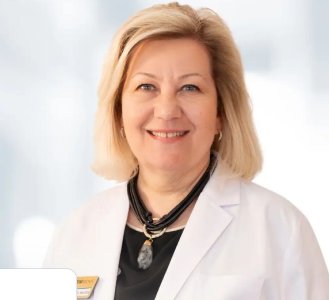
El Prof. Dr. Güneş Yavuzer es profesor de Medicina Física y Rehabilitación. Ostenta este título desde 2011. También es médico sénior en los Centros de Rehabilitación ROMATEM. Obtuvo el título de médico y la especialidad en Medicina Física y Rehabilitación en la Universidad de Ankara. Completó un doctorado en la Universidad Erasmus, en los Países Bajos.
Se centra en la rehabilitación neurológica y ortopédica. Sus áreas clínicas incluyen el ictus, la lesión medular, la esclerosis múltipl

El Dr. Bestami Yalvac es profesor asistente en la Universidad de Galata en Estambul. Trata a pacientes en el Hisar Hospital Intercontinental, acreditado por la JCI. El Dr. Yalvac se especializa en terapia de ozono para la fibromialgia y lesiones deportivas. Completó su residencia en el Hospital de Formación e Investigación Haydarpaşa Numune.
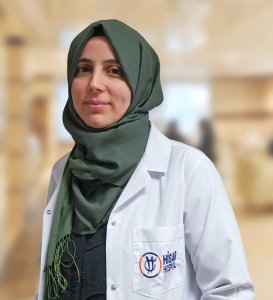
La Dra. Selin Bozkurt Alp es especialista en Medicina Física y Rehabilitación. Obtuvo su título de médica en la Universidad de Uludağ en 2010. Completó la especialidad en el Hospital de Formación e Investigación Fatih Sultan Mehmet de Estambul en 2018. Trabajó en el Hospital Estatal de Tirebolu (Giresun) durante el servicio obligatorio entre 2020 y 2021. Posteriormente ejerció en el Hospital Estatal de Sultanbeyli (Estambul).
Su práctica abarca el ictus, la lesión medular, la rehabilit
 Olena Sikoza
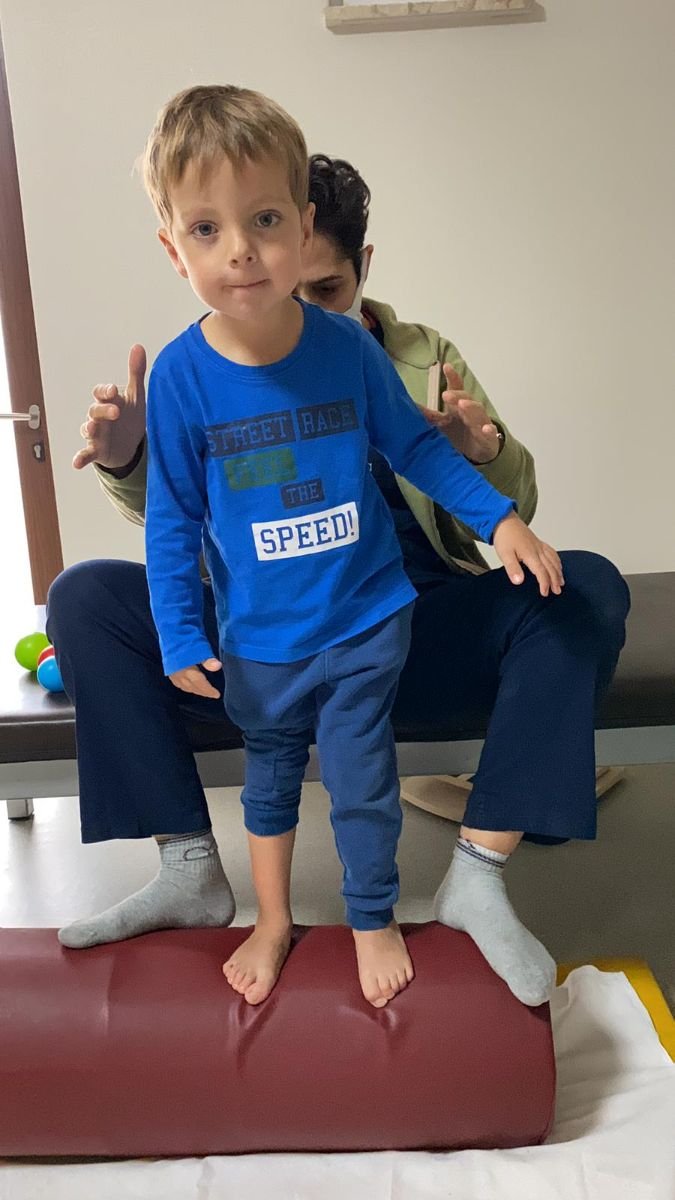
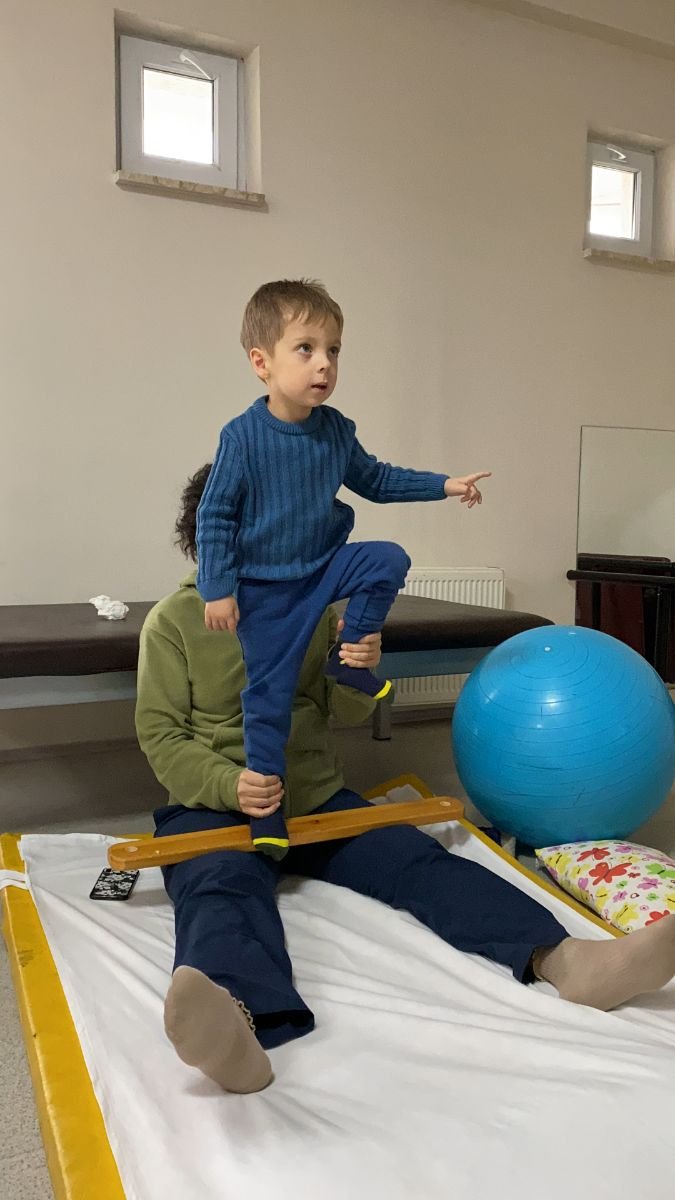
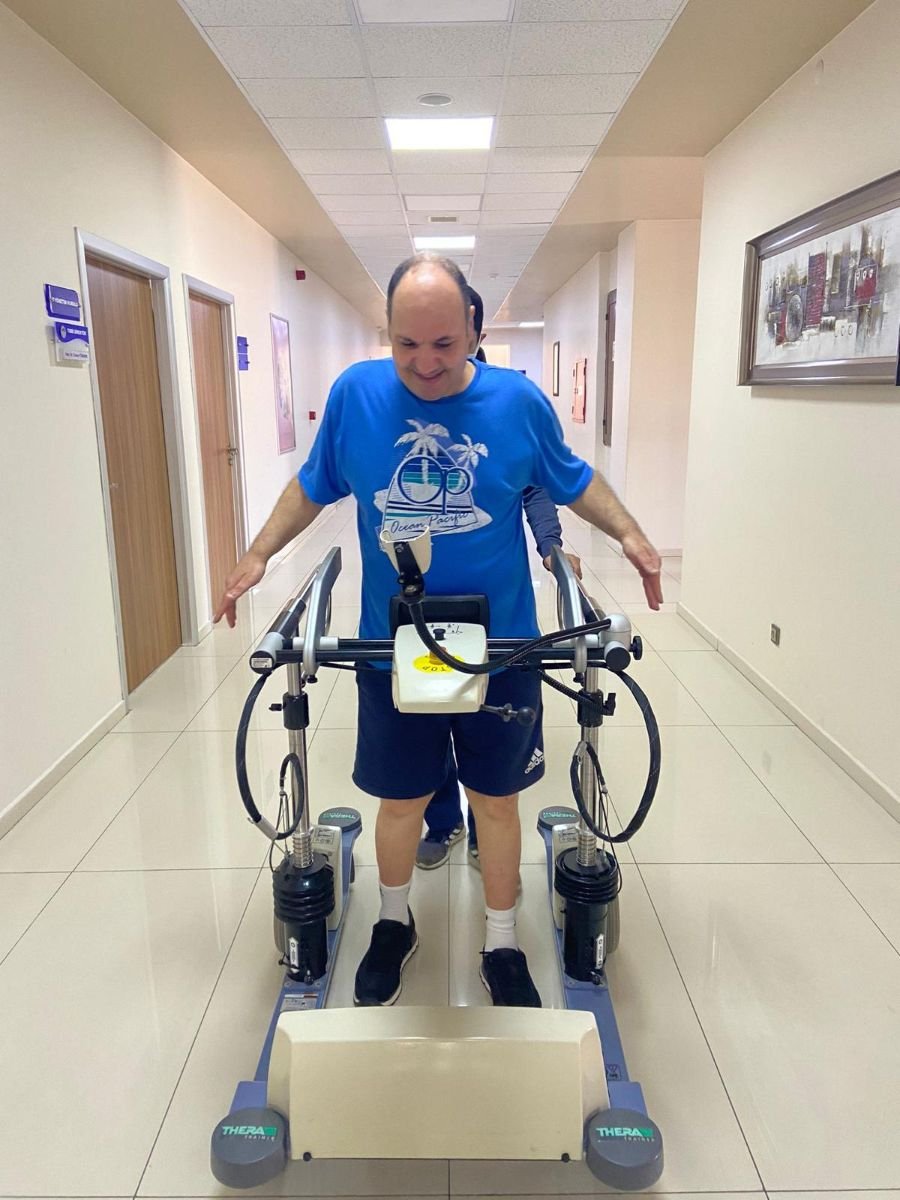
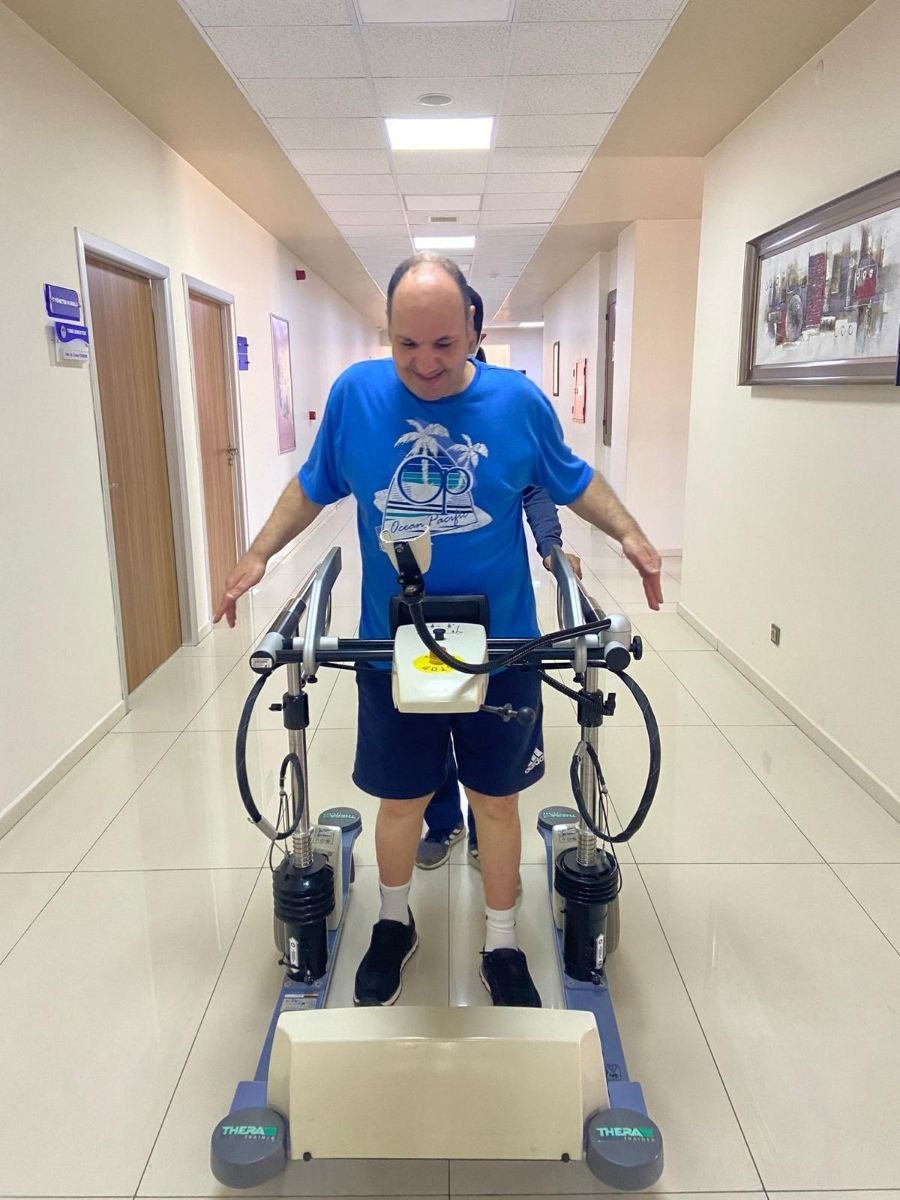
La rehabilitación en Turquía para lesiones de la médula espinal combina entrenamiento de marcha robótico, fisioterapia intensiva y atención multidisciplinaria. Los centros especializados utilizan protocolos acreditados por JCI y tecnologías avanzadas como el Lokomat y trajes de exoesqueleto. Los programas se centran en la neuroplasticidad para mejorar la movilidad, la independencia y las habilidades de la vida diaria.
Perspectiva del experto de Bookimed: Los protocolos de rehabilitación turcos a menudo proporcionan volúmenes de terapia mucho más altos que los estándares europeos o norteamericanos. Mientras que muchos programas en los países de origen ofrecen 1 sesión diaria, clínicas como Romatem o Fizyomer programan rutinariamente múltiples sesiones intensivas. Este enfoque de alta densida
La rehabilitación hospitalaria para lesiones de la médula espinal en Turquía suele durar entre 41 y 76 días para programas de recuperación integral. Los centros especializados a menudo proporcionan ciclos de terapia intensiva de 21 a 30 días. Las estancias para lesiones complejas o completas frecuentemente se extienden más allá de los 60 días para garantizar la estabilidad médica y la independencia funcional.
Perspectiva del experto de Bookimed: Si bien muchos programas se centran en bloques de 30 días, clínicas como Fizyomer Terapia reportan una tasa de éxito del 98% al integrar la rehabilitación robótica dentro de sus 24 años de experiencia. Los centros de gran volumen a menudo priorizan ciclos de terapia intensiva de 6 días a la semana. Este enfoque garantiza la máxima ganancia funcional dentro de un plazo de hospitalización
Estambul, Bursa y Eskişehir son los principales centros turcos para la rehabilitación de lesiones de la médula espinal. Estas ciudades ofrecen instalaciones con certificaciones JCI e ISO. Muchos centros integran herramientas robóticas avanzadas como los sistemas Lokomat y Vector Gait. Esto garantiza un enfoque multidisciplinario para la recuperación neurológica y ortopédica.
Perspectiva del experto de Bookimed: Si bien Estambul es el centro con mayor actividad, atendiendo a más de 330.000 pacientes en centros como el Liv Hospital, las clínicas de rehabilitación especializadas en Bursa y Eskişehir ofrecen una atención altamente focalizada. Romatem en Bursa y Fizyomer en Eskişehir se dedican exclusivamente a la fisioterapia. Estas clínicas enfocadas a menudo gestionan un gran volumen de pacientes; solo Fizyomer trata a más de 10
La rehabilitación en Turquía ofrece mejoras funcionales significativas, particularmente observadas a través de mayores puntuaciones en la Medida de Independencia Funcional. Los pacientes a menudo recuperan la independencia en las tareas diarias, como los traslados y el autocuidado. Las instalaciones especializadas utilizan sistemas robóticos como Lokomat y exoesqueletos para maximizar la movilidad y la fuerza muscular para la recuperación neurológica.
Perspectiva del experto de Bookimed: El éxito de la rehabilitación en Turquía se debe a las rutinas diarias de alta intensidad combinadas con volúmenes masivos de pacientes. Fizyomer Terapia atiende a más de 10,000 pacientes anualmente. Esta escala permite que clínicas como Romatem mantengan un enfoque de especialidad única. Los centros especializado
La rehabilitación especializada para lesiones crónicas de la médula espinal está disponible en centros turcos como Romatem y Fizyomer Terapia. Los programas se centran en la independencia funcional años después de la lesión a través de entrenamiento intensivo de marcha robótica y terapia multidisciplinaria. Las instalaciones especializadas en Estambul, Bursa y Eskişehir mantienen acreditaciones JCI e ISO.
Perspectiva del experto de Bookimed: Los pacientes con lesiones crónicas deben priorizar centros como Fizyomer Terapia en Eskişehir o Romatem. Estas instalaciones atienden a más de 5,000 a 10,000 pacientes anualmente. Su gran volumen se traduce en una mayor experiencia en complicaciones secundarias como contracturas o problemas de postura. Los paquetes especializados a menudo incluyen terapia intensiva uno a uno que rara vez se encuentra en hospitale
Turquía ofrece un amplio apoyo a los pacientes internacionales con lesiones de la médula espinal a través de instalaciones acreditadas por la JCI y centros de rehabilitación especializados. Los servicios incluyen gestores de casos dedicados, interpretación en varios idiomas y logística coordinada. Los programas a menudo integran sistemas robóticos avanzados como Lokomat y tecnología de exoesqueleto para mejorar la movilidad y la independencia del paciente.
Perspectiva del experto de Bookimed: Si bien la mayoría de los centros se centran en la tecnología, la mayor satisfacción del paciente proviene de las instalaciones que manejan más de 10,000 casos anuales, como Fizyomer Terapia. A menudo incluyen estancias hospitalarias a largo plazo en su precio base de rehabilitación. Esto evita costos inesperados de hotel