Hospital Universitario de Cracovia
Polonia, Cracovia


Revisado médicamente por
Fahad Mawlood
De $100. Los procedimientos clave, como la rehabilitación con Lokomat, cuestan entre $1,900 y $4,000, mientras que un programa de rehabilitación integral cuesta entre Precio a consultar y Precio a consultar. Los gastos dependen de la gravedad de la lesión, las necesidades de enfermería y la duración. Los pacientes suelen ahorrar entre un 50 y un 70% en comparación con los precios de EE. UU. Los mejores centros de tratamiento se encuentran en Cracovia, Wieliczka y Ustron.
Costos típicos de la rehabilitación tras una lesión de la médula espinal en Polonia
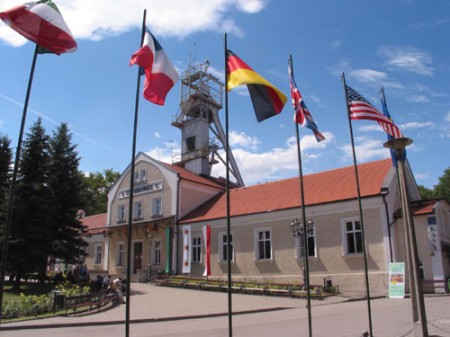
Perspectiva de los expertos de Bookimed: Para una recuperación neurológica compleja, el Hospital Universitario de Cracovia ofrece una gran profundidad clínica con 103 departamentos especializados. Los pacientes que buscan atención neurológica avanzada integrada con cardiología deberían considerar el complejo de salud Uzdrowisko Ustron. Este centro forma parte de la red American Heart of Poland. Para una recuperación única enriquecida con terapia pulmonar, el Complejo de Salud de Wieliczka ofrece supervisión médica a 135 metros bajo tierra en un microclima terapéutico.
| Polonia | España | Turquía | |
|---|---|---|---|
| Terapia ocupacional con el ratón de ordenador Head | ≈ $550 | ≈ $750 | ≈ $450 |
| Terapia Vojta | ≈ $480 | ≈ $600 | de $230 |
| Rehabilitación en la cinta de correr Anti Gravity | ≈ $600 | ≈ $500 | ≈ $900 |
| Rehabilitación con traje espacial TheraSuit | ≈ $1,800 | ≈ $2,800 | ≈ $1,500 |
| Rehabilitación con sistema Re-step | ≈ $2,800 | ≈ $6,500 | ≈ $3,800 |
Bookimed no añade cargos extra a los precios de los tratamientos de Rehabilitación después de una lesión de la médula espinal. Las tarifas proceden de las listas de precios oficiales de las clínicas. Pagará directamente en la clínica por su tratamiento a su llegada al país.
Bookimed está comprometido con su seguridad. Solo trabajamos con las clínicas que mantienen altos estándares internacionales en el tratamiento de Rehabilitación después de una lesión de la médula espinal y cuentan con las licencias necesarias para atender a pacientes internacionales en todo el mundo.
Bookimed ofrece asistencia experta gratuita. Un coordinador médico personal le apoya antes, durante y después de su tratamiento, resolviendo cualquier problema. Nunca estará solo en su viaje médico de tratamiento de Rehabilitación después de una lesión de la médula espinal.

 Olena Sikoza
Las clínicas especializadas en lesiones de la médula espinal (SCI) en Polonia ofrecen neurorrehabilitación integral en hospitales acreditados por la JCI y afiliados a universidades. Estos centros utilizan entrenadores de marcha robóticos y equipos multidisciplinarios. Instalaciones como el Hospital Universitario de Cracovia gestionan la recuperación de traumas complejos a través de programas intensivos para pacientes hospitalizados y protocolos neurológicos avanzados.
Opinión de expertos de Bookimed: El panorama de la rehabilitación en Polonia es único por su enorme capacidad institucional. El Hospital Universitario de Cracovia mantiene más de 1.600 camas y más de 1.000 médicos. Esta escala garantiza que los pacientes con SCI tengan acceso inmediato a 103 departamentos especializados. Los grandes centros académicos suelen ofrec
Polonia utiliza sistemas robóticos avanzados como Lokomat y los exoesqueletos Rewalk para restaurar la movilidad tras lesiones de la médula espinal. Las clínicas combinan estos sistemas con terapias físicas intensivas como TheraSuit y los trajes de carga Adele. Estas tecnologías facilitan el movimiento de alta repetición para estimular la neuroplasticidad y mejorar la recuperación funcional.
Perspectiva del experto de Bookimed: El análisis de los datos clínicos revela que los programas polacos más eficaces priorizan la frecuencia de las sesiones sobre la novedad de la máquina. Aunque una sola sesión de Lokomat puede costar alrededor de 2.100 $, los programas que obtienen los mejores resultados integran esto con 3-4 horas de terapia manual diaria. El Hospital Universitario de Cracovia atiende a 455.000 pacientes al año, lo que sug
La rehabilitación hospitalaria por lesión medular en Polonia suele durar de 60 a 120 días. Las estancias en la sanidad pública se centran en hitos de movilidad funcional. Los centros privados suelen ofrecer ciclos intensivos de 14 a 30 días. Los bloques de alta intensidad incluyen de 4 a 6 horas de terapia al día. La recuperación suele abarcar de 6 a 12 meses con visitas repetidas.
Perspectiva del experto de Bookimed: Polonia ofrece un gran volumen de centros de rehabilitación. Realizamos un seguimiento de más de 85 clínicas especializadas en todo el país. Centros como el Hospital Universitario de Cracovia gestionan volúmenes masivos de pacientes. Esta escala permite contar con equipos especializados como el Lokomat y el TheraSuit. Los centros de salud más pequeños en Ustron o Wieliczka ofrecen microclimas únicos para la recuperación. Los pacientes se benefician más de varios bloques intensivos de 2 sem
El tratamiento con células madre para lesiones de la médula espinal está disponible en Polonia a través de clínicas privadas y centros de investigación. Estas terapias se administran bajo la regla de Exención Hospitalaria de la Agencia Europea de Medicamentos. Esto permite tratamientos personalizados. La mayoría de los centros utilizan células madre mesenquimales o células envolventes olfativas.
Perspectiva de expertos de Bookimed: Polonia atiende más de 170 solicitudes de rehabilitación a través de Bookimed, ocupando el cuarto lugar a nivel mundial en interés de los pacientes. Mientras que grandes centros como el Hospital Universitario de Cracovia brindan asistencia médica tradicional, las clínicas especializadas a menu
Los objetivos de la rehabilitación de las lesiones de la médula espinal (LME) se centran en maximizar la independencia y la función física a través de una atención interdisciplinaria. Los programas priorizan la neurorrecuperación mientras previenen complicaciones secundarias como las úlceras por presión. Los centros polacos utilizan tecnologías robóticas y fisioterapia especializada para ayudar a los pacientes a transitar hacia estilos de vida autodeterminados con una alta calidad de vida.
Perspectiva del experto de Bookimed: Polonia ofrece una ventaja estratégica al combinar métodos tradicionales como la terapia Vojta con sistemas de alta tecnología. Instalaciones como el Hospital Universitario de Cracovia atienden a más de 450.000 pacientes al año en 103 departamentos. Este enorme volumen clínico garantiza que los terapeutas tengan una
Los pacientes con lesiones medulares incompletas suelen experimentar la recuperación neurológica más significativa dentro de los primeros 3 a 6 meses. Si bien el progreso se estabiliza después de los 12 meses, las ganancias funcionales a menudo continúan indefinidamente a través de la neuroplasticidad. Aproximadamente del 20% al 75% de las personas recuperan cierta capacidad para caminar durante el primer año.
Perspectiva del experto de Bookimed: Polonia ofrece una infraestructura sanitaria de alta capacidad, con centros importantes como el Hospital Universitario de Cracovia que atiende a más de 450.000 pacientes al año. Este gran volumen permite a las clínicas mantener equipos de rehabilitación diversos, que van desde sistemas robóticos Lokomat hasta entornos únicos como la mina de sal de Wieliczka para el apoyo respira
La neurocirugía en Polonia ofrece atención de alta calidad en centros con certificación JCI e ISO. Los neurocirujanos polacos se adhieren a estrictos estándares de formación adoptados por la Unión Europea. Muchos han completado becas en Estados Unidos o Alemania. Tecnologías avanzadas, como CyberKnife, Gamma Knife y sistemas robóticos, están ampliamente disponibles en centros privados.
Opinión experta de Bookimed: Los datos muestran una fuerte correlación entre la especialización de una clínica y el origen de sus pacientes. La Clínica KCM atiende a más de 700 pacientes internacionales al año. Se especializa en cirugía de columna mínimamente invasiva. Este volumen de trabajo le permite ofrecer paquetes de servicios especializados, que a menudo incluyen bloques de diagnóstico e implantes específicos, como el DIAM de Medtronic.
Los neurocirujanos polacos son especialistas altamente cualificados que han completado al menos 13 años de rigurosa formación médica. Esto incluye seis años de estudios de medicina, 13 meses de prácticas y seis años de residencia. Deben aprobar el Examen Estatal de Especialización (PES) y suelen estar certificados por la Asociación Europea de Sociedades de Neurocirugía (EANS).
Opinión experta de Bookimed: Los datos muestran que los neurocirujanos polacos suelen especializarse en tecnologías altamente especializadas, como el sistema ApiFix o el sistema de endoscopia lumbar SED-YESS. Especialistas como el Dr. Stanisław Kwek, de la Clínica KCM, combinan la investigación postdoctoral con una práctica quirúrgica activa. Esta combinación de profundos conocimientos académicos y un alto volumen quirúrgico los hace especialmente eficaces en cirugías de columna complejas y mínimamente in
Entre las mejores clínicas neuroquirúrgicas de Polonia se encuentran el Hospital Carolina, la Clínica KCM y centros académicos de primer nivel como el Hospital Universitario de Cracovia. Estas instituciones ofrecen tratamientos de vanguardia para enfermedades de la columna vertebral y el cerebro que cumplen con los estándares de calidad ISO y emplean a especialistas miembros de organizaciones internacionales como AO Spine.
Opinión experta de Bookimed: Si bien muchos buscan los hospitales más grandes, los datos muestran que clínicas como el Hospital Carolina ofrecen mayor eficiencia para cirugías electivas. Con más de 40 médicos especialistas en este centro de 30 camas, la proporción médico-paciente es significativamente mayor que en los centros universitarios públicos. Esto se traduc
En Polonia, la neurocirugía se centra principalmente en cirugías de columna y extirpación de tumores cerebrales. Los hospitales realizan con frecuencia microdiscectomías, fusiones espinales y estimulación cerebral profunda. Centros como el Hospital Carolina y la Clínica KCM utilizan técnicas mínimamente invasivas para tratar hernias discales, lesiones de columna y trastornos neurológicos complejos.
Opinión experta de Bookimed: Polonia se ha convertido en un centro de estabilización espinal especializada. Clínicas como el Hospital Carolina colaboran con equipos deportivos nacionales, lo que refleja su alto nivel de experiencia en el tratamiento de lesiones espinales complejas. Nuestros datos muestran que estas instituciones suelen integrar la rehabilitación directamente en el tratamiento quirúrgico. Esta combinación reduce el riesgo de compl