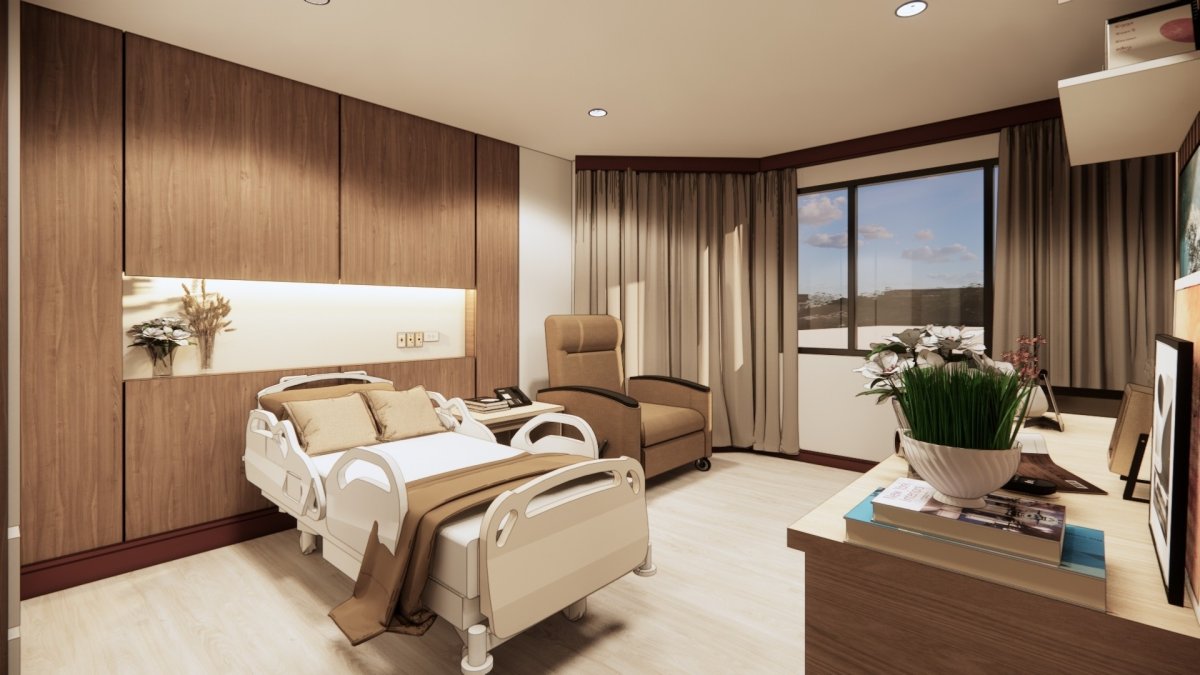
MALI CARE
Tailandia, Nonthaburi


Revisado médicamente por
Fahad Mawlood
El costo de la rehabilitación después del tratamiento de una lesión de la médula espinal en Tailandia generalmente incluye una consulta con un neurólogo que oscila entre $100 / 3,700฿ y $150 / 5,600฿. Los procedimientos clave como la rehabilitación hospitalaria van desde Precio a consultar hasta Precio a consultar, mientras que la rehabilitación integral varía de Precio a consultar a Precio a consultar. Los gastos totales dependen de la gravedad de la lesión, el uso de tecnología y el nivel de las instalaciones. Los pacientes pueden ahorrar entre un 70 y un 80% en comparación con los EE. UU. Las principales ciudades incluyen Bangkok y Phuket.
Costos típicos del tratamiento de rehabilitación después de una lesión de la médula espinal en Tailandia
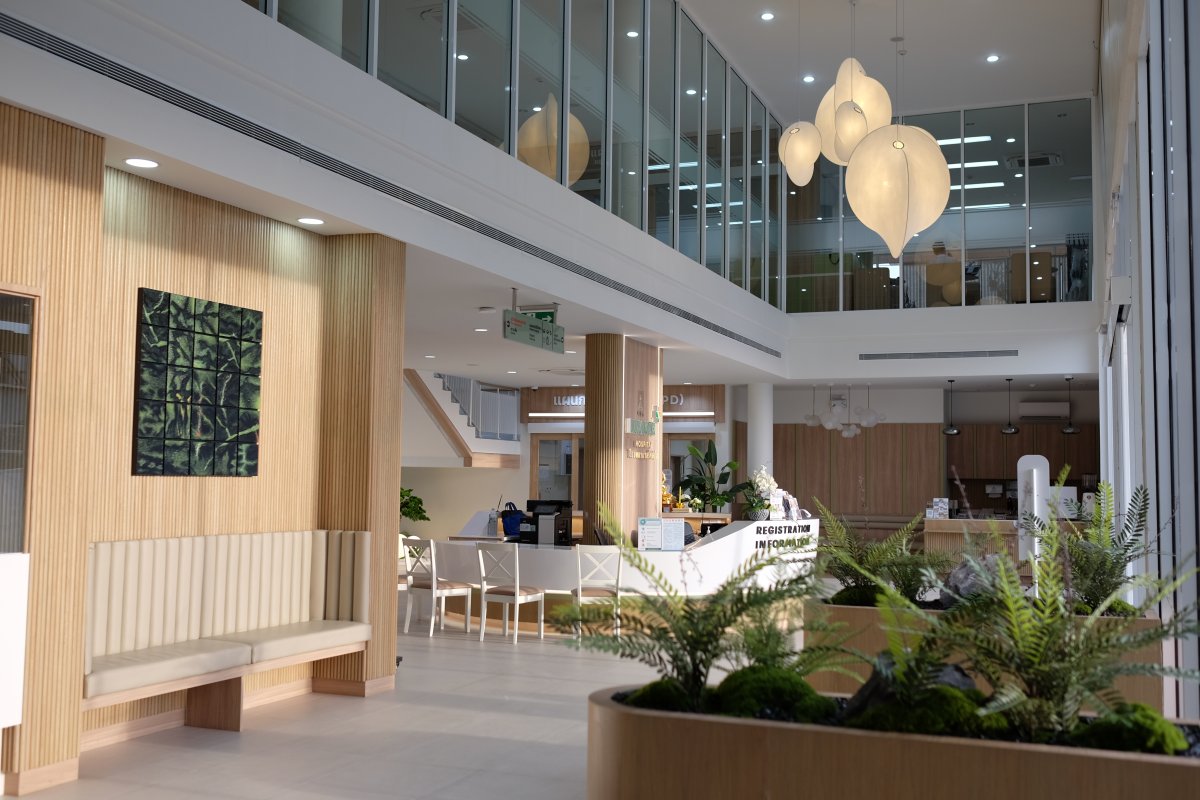
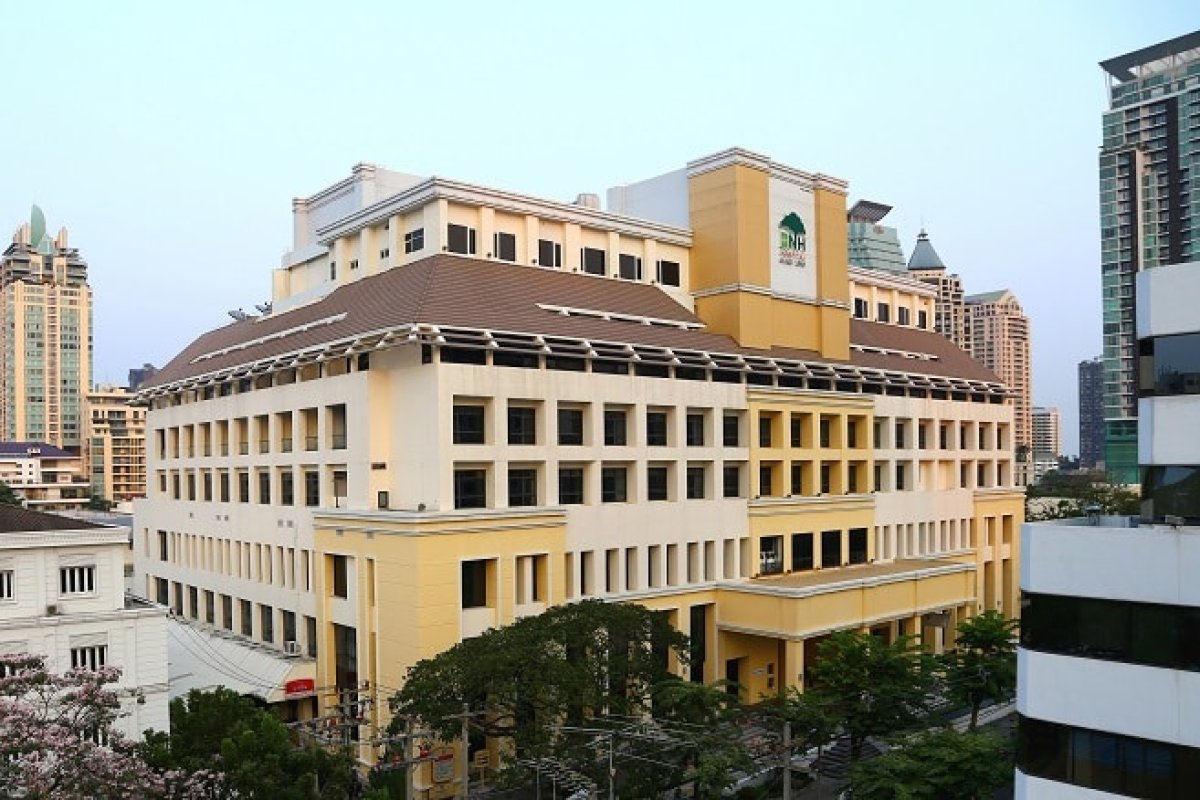
Perspectiva de los expertos de Bookimed: Los pacientes que buscan una recuperación de alta tecnología deben priorizar los centros acreditados por la JCI en Bangkok. El Hospital Internacional Bumrungrad es una de las 30 clínicas tecnológicamente más avanzadas del mundo. Utiliza IA y sistemas robóticos para la neurorrehabilitación. Para aquellos que priorizan la eficiencia, el Hospital Interdisciplinario Mali se enfoca en reducir el tiempo de curación. Integran medicina regenerativa y de precisión en sus planes de recuperación. Los grandes centros privados como Bumrungrad atienden a más de 500,000 pacientes internacionales al año. Esto garantiza una gran experiencia en casos complejos de columna vertebral.
| Tailandia | España | Turquía | |
|---|---|---|---|
| Terapia ocupacional con el ratón de ordenador Head | ≈ $750 / 27,800฿ | ≈ $750 / 27,800฿ | ≈ $450 / 16,700฿ |
| Terapia Vojta | ≈ $480 / 17,800฿ | ≈ $600 / 22,200฿ | de $230 / 8,500฿ |
| Rehabilitación en la cinta de correr Anti Gravity | ≈ $700 / 25,900฿ | ≈ $500 / 18,500฿ | ≈ $900 / 33,300฿ |
| Rehabilitación con traje espacial TheraSuit | ≈ $2,500 / 92,500฿ | ≈ $2,800 / 103,600฿ | ≈ $1,500 / 55,500฿ |
| Rehabilitación con sistema Re-step | de $70 / 2,600฿ | ≈ $6,500 / 240,500฿ | ≈ $3,800 / 140,600฿ |
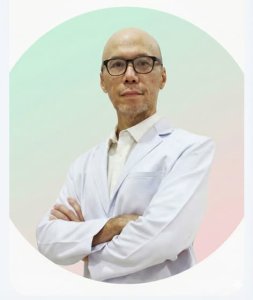
El Dr. Songpoj Tanprasert es especialista en Medicina Física y Rehabilitación (PM&R). Posee el título de médico (M.D.) y completó formación especializada en Medicina de Rehabilitación. Tiene amplia experiencia en rehabilitación tanto hospitalaria como ambulatoria.
Su experiencia incluye la rehabilitación tras accidente cerebrovascular, el dolor crónico, las lesiones deportivas y los trastornos de la columna. Elabora planes de rehabilitación individualizados y basados en la evidenci
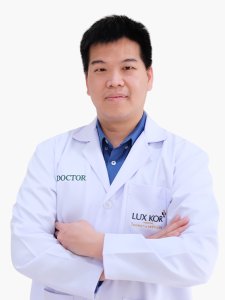
El Dr. Suwit Tangcharoenwathanakul es cirujano ortopédico especializado en trastornos de la columna vertebral. Cuenta con formación de subespecialidad en cirugía de columna.
Doctor en Medicina (MD), Facultad de Medicina, Universidad de Naresuan (2010). Diploma en Cirugía Ortopédica, Hospital Hatyai (2015). Subespecialidad (fellowship) en Cirugía de Columna, Centro de Excelencia en Ortopedia, Hospital Lerdsin (2020).

La Dra. Kultinee Klinpoon es fisioterapeuta y fundadora del Centro de Rehabilitación Sanpiti en Bangkok. Ha realizado más de 5.000 procedimientos a lo largo de su carrera. Se especializa en la recuperación de accidentes cerebrovasculares, parálisis cerebral y rehabilitación de lesiones cerebrales traumáticas. La Dra. Klinpoon se graduó de la Universidad Mahidol. Anteriormente se desempeñó como fisioterapeuta del equipo nacional de Tailandia.
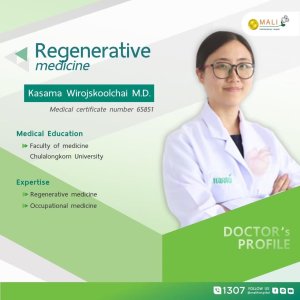
La Dra. Kasama Wiroskoolchai es especialista en bienestar en el Mali Interdisciplinary Hospital de Bangkok. La Dra. Wiroskoolchai se centra en combinar la medicina convencional y la de precisión para tratar afecciones crónicas. La doctora gestiona enfermedades no transmisibles como la diabetes tipo 1 y tipo 2. Este enfoque tiene como objetivo mejorar la calidad de vida y la longevidad a través de la atención restaurativa.
 Olena Sikoza
Tailandia ofrece rehabilitación avanzada para lesiones de la médula espinal utilizando entrenamiento de marcha robótico, estimulación epidural y medicina regenerativa. Clínicas especializadas en Bangkok emplean sistemas Lokomat y estimulación magnética transcraneal para restaurar la función nerviosa. Los programas integrales combinan fisioterapia intensiva con exoesqueletos portátiles y tratamientos con células madre mesenquimales.
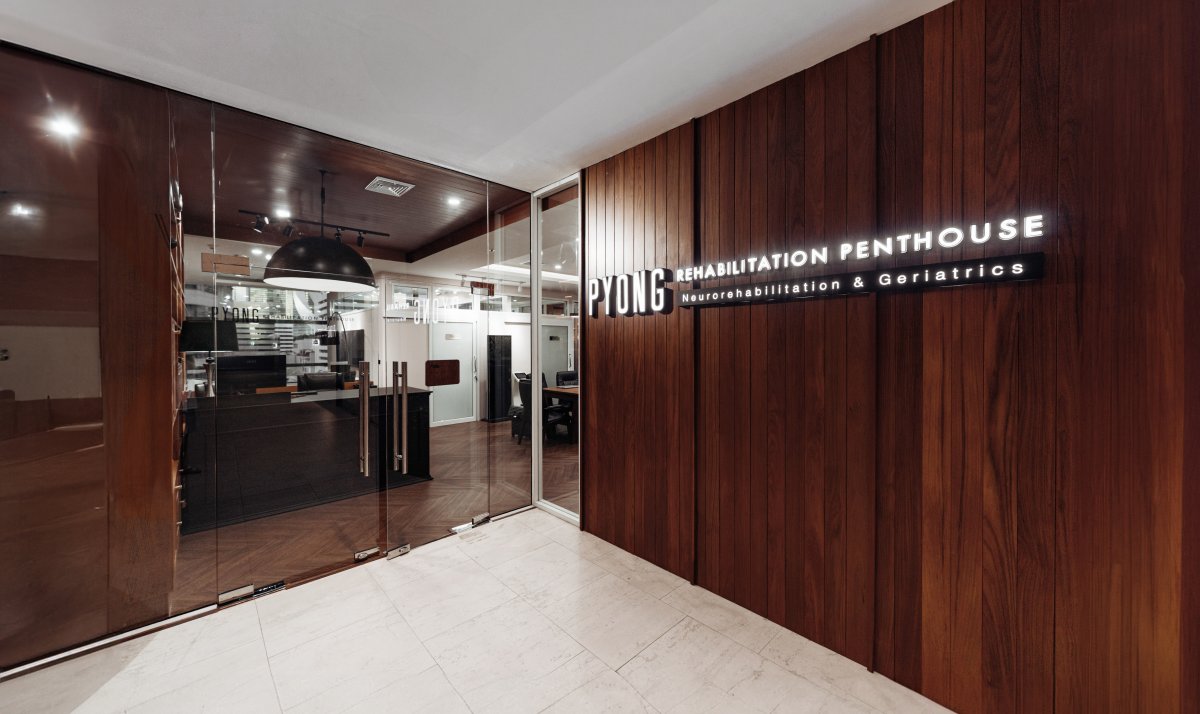
Opinión experta de Bookimed: Si bien muchas instalaciones se centran en el mantenimiento simple, las clínicas como el PYONG Rehabilitation Group están dirigidas en su totalidad por especialistas en medicina de rehabilitación. Esta experiencia es crítica porque integran terapia cognitiva basada en realidad virtual con robótica tradicional. Nuestros datos muestran que estos centros especializados manejan alrededor de 300 casos intensivos anualmente, proporc
La rehabilitación después de una lesión de la médula espinal en Tailandia se centra en maximizar la independencia funcional y la calidad de vida. Los pacientes a menudo logran hitos importantes como un mejor equilibrio, transferencias asistidas y una mayor movilidad. Los centros tailandeses modernos utilizan entrenamiento de marcha robótico y atención multidisciplinaria para facilitar estos avances incrementales pero que cambian la vida.
Opinión experta de Bookimed: Si bien muchos buscan una cura total, las instalaciones tailandesas como el Centro de Rehabilitación Sanpiti priorizan la rehabilitación activa intensiva sobre la enfermería pasiva. Su enfoque en la capacitación familiar y la orientación garantiza que los avances funcionales realizados en la clínica se traduzcan en independencia a largo plazo en
Los equipos médicos de habla inglesa son el estándar en los centros de rehabilitación tailandeses de primer nivel que atienden a pacientes internacionales. Instalaciones como el Bumrungrad International Hospital emplean a especialistas certificados que coordinan la atención en inglés. Estos centros brindan apoyo multilingüe a pacientes de más de 190 países dentro de entornos acreditados por la Joint Commission International.
Opinión del experto de Bookimed: Aunque los médicos en centros grandes como Bumrungrad son fluidos, las habilidades lingüísticas del personal de cabecera varían según el tipo de centro. Elegir un centro enfocado en pacientes internacionales garantiza una mejor comunicación diaria para tareas complejas como el cuidado de la piel. El Centro de Rehabilitación Sanpiti cierra esta brecha ofreciendo programas intensivos de 3
Los pacientes internacionales deben planificar una estancia de 14 a 90 días para la rehabilitación de lesiones de la médula espinal en Tailandia. Los programas integrales requieren generalmente al menos 30 días de atención hospitalaria. Las lesiones graves a menudo requieren bloques de terapia extendidos para lograr mejoras significativas en la movilidad y la independencia.
Perspectiva de expertos de Bookimed: Los datos revelan un cambio significativo hacia la Rehabilitación Activa Intensiva en los centros tailandeses. Si bien la atención de enfermería estándar está disponible, las clínicas especializadas como el Centro de Rehabilitación Sanpiti se centran en bloques intensivos de 30 días. Elegir una instalación que combine enfermería las 24 horas con nutricionistas y médicos en el lugar evita lo
Tailandia es un destino líder para la rehabilitación de lesiones de la médula espinal debido a su combinación de atención acreditada por la JCI y tecnología avanzada. Los centros utilizan entrenamiento robótico de la marcha y estimulación epidural para mejorar la movilidad. Los programas intensivos a menudo cuestan significativamente menos que en los países occidentales, manteniendo al mismo tiempo los estándares internacionales de seguridad.
Opinión del experto de Bookimed: Aunque muchos buscan el precio más bajo, el verdadero valor en Tailandia son los paquetes de recuperación de la "fase dorada". El Centro de Rehabilitación Sanpiti ofrece programas intensivos de 90 días por aproximadamente $6,500. Estos incluyen enfermería las 24 horas y tecnología TMS avanzada. Este costo suele ser menor que solo unas pocas semanas de atención básica en otros lugares.
C
Los pacientes requieren una visa médica o una extensión de larga duración para la rehabilitación en Tailandia. Las exenciones estándar de 60 días a menudo requieren extensiones en las oficinas de inmigración. Las estancias prolongadas para la recuperación de la médula espinal pueden utilizar la visa "Destination Thailand" o entradas médicas formales patrocinadas por el hospital por hasta 180 días.
Opinión del experto de Bookimed: La recuperación a largo plazo a menudo implica pasar de la atención hospitalaria a la ambulatoria. El Centro de Rehabilitación Sanpiti ofrece paquetes que van de 14 a 90 días. Elegir un programa de 90 días por adelantado simplifica la documentación de la visa. Esto garantiza que su carta médica coincida con la duración total prevista de la terapia intensiva.
Consenso de los pacientes: Lo