Ir a inicio
820К+ pacientes han recibido asistencia desde 2014
50 países
1,500 clínicas
6K+ reseñas
3K+ médicos calificados

¿Cuál es el precio de procedimientos de Cirugía cardíaca pediátrica en China? Descubra ahora

Pediatric cardiac surgery in China typically costs from $27,200 to $49,500. Total expenses depend on the surgical complexity (STAT category), the child's age, and the type of materials used. Patients can save approximately 50-70% compared to the cost of similar heart procedures in the US.

Typical Pediatric Cardiac Surgery Costs in China

  • Heart ultrasound: $35 – $35
  • CT of the chest: $300 – $600
  • Open heart surgery: $18,500 – $34,500
  • Tetralogy of Fallot Surgery: $28,500 – $45,000
  • Ventricular Septal Defect Surgery: $19,200 – $33,800
  • Atrial septal defect surgery: $19,500 – $38,500
  • Pediatric Mitral Valve Replacement: $28,000 – $48,000
  • Pediatric Aortic Valve Replacement: $32,000 – $68,000
  • Plastic surgery for cardiac valve: $24,000 – $48,000
  • Heart cryoablation: $19,500 – $32,000

Major medical centers for pediatric cardiology are primarily located in Shanghai, Beijing, and Guangzhou. Costs are generally higher at provincial-level hospitals compared to district facilities. Consult with a specialist to get accurate pricing based on your child's specific diagnosis and medical needs.

ChinaEspañaTurquía
Valvuloplastiade $16,500de $25,000de $15,000
Tratamiento de la tetralogía de Fallotde $28,500de $50,000de $14,400
Reemplazo valvular en la edad pediátricade $28,000de $65,000de $22,000
Reemplazo de válvula aórtica en niñosde $32,000de $55,000de $30,000
Crioablación del corazónde $19,500de $18,000de $10,000
Datos verificados por Bookimed a partir de June 2026, basados en solicitudes de pacientes y cotizaciones oficiales de 2 clínicas en todo el mundo. Los costos medianos se basan en facturas reales (2025–2026) y se actualizan mensualmente. Los precios reales pueden variar.

Sus beneficios y garantías con Bookimed

Precios directos

Bookimed no añade cargos extra a los precios de los tratamientos de Cirugía cardíaca pediátrica. Las tarifas proceden de las listas de precios oficiales de las clínicas. Pagará directamente en la clínica por su tratamiento a su llegada al país.

Sólo clínicas y médicos verificados

Bookimed está comprometido con su seguridad. Solo trabajamos con las clínicas que mantienen altos estándares internacionales en el tratamiento de Cirugía cardíaca pediátrica y tienen las licencias necesarias para atender a pacientes internacionales en todo el mundo.

Asistencia 24/7 gratuita

Bookimed ofrece asistencia experta gratuita. Un coordinador médico personal le apoya antes, durante y después del tratamiento, resolviendo cualquier problema. Nunca estará solo en su viaje médico de procedimientos de Cirugía cardíaca pediátrica.

¿Por qué nosotros?

Su coordinador médico personal de Bookimed

  • Le apoya en cada etapa
  • Ayuda a elegir la clínica y el médico adecuados
  • Asegura un acceso rápido y conveniente a la información

Descubra las mejores clínicas de Cirugía cardíaca pediátrica en China: 2 opciones verificadas y Precios

El ranking de clínicas de Bookimed se basa en algoritmos de data science, ofreciendo una comparación confiable, transparente y objetiva. Tiene en cuenta la demanda de pacientes, las puntuaciones de reseñas (positivas y negativas), la frecuencia de actualización de opciones de tratamiento y precios, la rapidez de respuesta y las certificaciones de las clínicas.
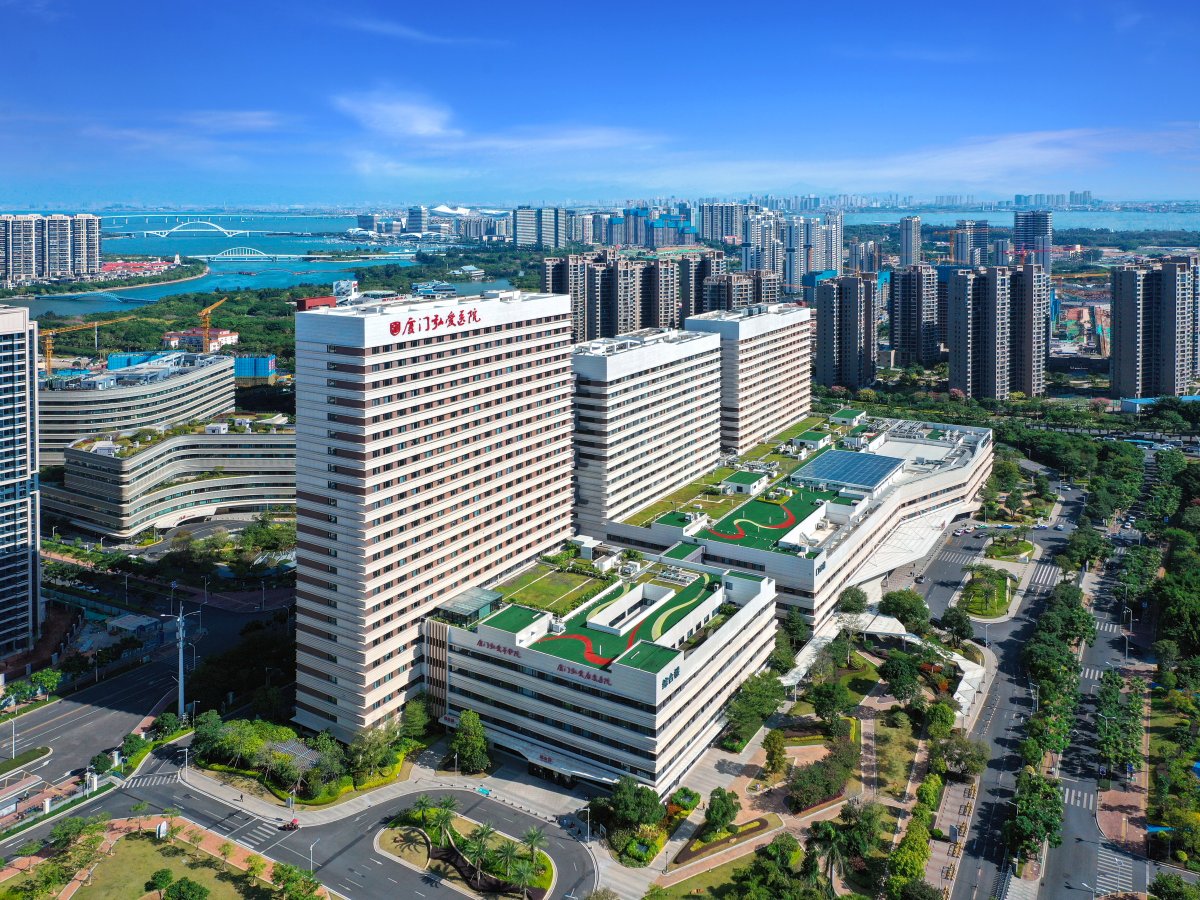
Hospital Xiamen Humanity
3.55 reseñas
Precio a consultar
Más información
Fuda Cancer Hospital
4.617 reseñas
Precio a consultar
Más información

Compartir contenido

Historias en video de pacientes de Bookimed

Dayana
Combiné mis vacaciones en Antalya con un chequeo médico.
Procedimiento: Chequeo femenino
Igor
¡Fue genial! Traslados, alojamiento, tratamiento, todo incluido.
Procedimiento: Implante dental
Clínica: WestDent Clinic
Marina
Bookimed se encargó de todo. No tuve que preocuparme por nada.
Procedimiento: Chequeo femenino
Actualizado: 11/10/2025
Escrito por
Olena Sikoza
Olena Sikoza
Сopywriter en español
Copywriter médica certificada responsable del contenido en español de Bookimed. Más de 7 años de experiencia en redacción sobre salud y turismo médico, con formación académica en edición científica y desarrollo de contenidos.
Fahad Mawlood
Editor médico y Científico de datos
Médico general. Ganador de 4 premios científicos. Sirvió en Asia Occidental. Es el ex jefe del equipo médico que soporta a pacientes de habla árabe. Ahora es responsable del procesamiento de datos y la precisión del contenido médico.
Fahad Mawlood Linkedin
Esta página puede incluir información relacionada con diversas afecciones médicas, tratamientos y servicios de salud disponibles en diferentes países. Tenga en cuenta que el contenido se proporciona sólo con fines informativos y no debe interpretarse como asesoramiento médico o orientación. Por favor consulte con su médico o con un profesional médico calificado antes de comenzar o cambiar el tratamiento médico.

Preguntas frecuentes sobre Cirugía cardíaca pediátrica en China

Estas preguntas frecuentes provienen de pacientes reales que buscan atención médica a través de Bookimed. Las respuestas son proporcionadas por coordinadores médicos experimentados y representantes autorizados de las clínicas.

Which hospitals in China perform the most pediatric heart surgeries?

Fuwai Hospital in Beijing is China's leading center by pediatric heart surgery volume. It performs over 9,000 cardiovascular surgeries annually. Other high-volume facilities include Shanghai Children's Medical Center and Beijing Children's Hospital. These centers specialize in complex congenital heart disease and infant procedures.

  • Fuwai Hospital: This Beijing facility reports a 99% survival rate for cardiovascular surgeries.
  • Shanghai Children's Center: It manages 1,000+ pediatric cases yearly and performed China's first infant heart-lung transplant.
  • Beijing Children's Hospital: Ranked second in national pediatric rankings for managing complex congenital heart conditions.
  • Guangzhou Medical Center: This southern hub performs over 2,500 congenital heart surgeries every year.

Bookimed Expert Insight: High-volume centers in Beijing and Shanghai often focus on complex neonatal cases. Our data indicates that Xiamen Humanity Hospital serves 1,000,000 patients annually across departments. Patients seeking specialized pediatric cardiac care often choose these large tertiary hubs for their extensive clinical trial access.

Patient Consensus: Patients often travel to Beijing or Shanghai for these surgeries. Many suggest getting a second opinion from Western cardiologists via teleconsultation before the procedure.

What are the typical success and complication rates for common pediatric cardiac procedures?

Pediatric cardiac surgery success rates in China exceed 97% for common procedures at elite institutions. Simple repairs like atrial septal defect (ASD) closure reach nearly 100% survival. Moderate cases like Tetralogy of Fallot (TOF) show 98% to 99% success. Complex repairs range from 85% to 96%.

  • Survival rates: Overall national benchmarks for pediatric heart surgeries range from 97.4% to 98.2%.
  • Simple repairs: Success for ASD or simple coarctation of the aorta is nearly 100%.
  • Moderate cases: Survival for ventricular septal defect (VSD) typically ranges from 98% to 99%.
  • Major complications: Roughly 22% of children may experience a major postoperative clinical complication.
  • Common risks: Arrhythmias occur in 18.6% of cases while infections affect 18% of patients.

Bookimed Expert Insight: Patient volume is a primary quality signal in Chinese cardiac care. Facilities like Xiamen Humanity Hospital serve 1,000,000 patients annually across 47 departments. This high surgical frequency often leads to specialized expertise in routine septal defect closures. Patients should prioritize clinics with documented high-volume experience to ensure consistent outcomes.

Patient Consensus: Parents note that while success rates for simple heart fixes are very high, post-operative monitoring often feels faster than in Western hospitals. Many families suggest budget for a longer stay to catch potential issues like arrhythmias or fluid buildup early.

How can I verify the experience of a specific pediatric cardiac surgeon?

Verifying a pediatric cardiac surgeon in China requires checking international board certifications and clinical volumes. Confirm their standing with the Society of Thoracic Surgeons (STS) if they trained abroad. High-performing specialists often hold JCI-accredited hospital affiliations or co-authorships with leading global children's heart centers.

  • Certification check: Verify credentials through the American Board of Surgery for international training.
  • Academic output: Search PubMed for the surgeon's name and specific congenital heart procedures.
  • Hospital volume: Confirm if the facility manages over 1,000,000 annual patients like Xiamen Humanity.
  • Quality signals: Look for affiliations with JCI-accredited institutions like Fuda Cancer Hospital.

Bookimed Expert Insight: Clinical volume is a stronger quality signal than years of practice in large Chinese hubs. Facilities like Xiamen Humanity Hospital manage 1,000,000 patients annually across 47 departments. This high internal volume often leads to specialized nursing teams. Check if the hospital has a dedicated pediatric cardiac intensive care unit before booking.

Patient Consensus: Parents suggest joining local WeChat groups to get unfiltered details about specific outcomes. Many families also find that surgeons with international research collaborations provide more transparent data during consultations.

What medical documents should be prepared prior to a consultation?

Preparing for pediatric cardiac surgery in China requires a comprehensive medical dossier to ensure diagnostic accuracy. You must provide raw echocardiogram video files and cardiac catheterization reports including pressure data. Chinese hospitals often require all medical records to be professionally translated and notarized before the initial consultation.

  • Imaging files: Provide raw DICOM videos of recent echocardiograms and angiograms.
  • Prenatal records: Include fetal echoes and birth records showing initial heart defects.
  • Growth data: Supply updated growth charts and chromosomal microarray genetic test results.
  • Language requirements: Ensure all documents have notarized Chinese translations for public hospitals.
  • Entry documents: Carry valid passports, vaccination records, and current health declarations.

Bookimed Expert Insight: Our data shows that large facilities like Xiamen Humanity Hospital manage over 1,000,000 patients annually. This massive volume means doctors rely heavily on pre-organized digital folders to speed up triage. Preparing a cloud-based folder with your raw imaging and translated summaries allows these high-capacity centers to review your child's case before you even arrive.

Patient Consensus: Parents emphasize that bringing raw video files is more important than the written report. One patient noted that missing growth failure data or genetic test results can delayed the entire consultation process for weeks.

How long will my child stay in the hospital before and after pediatric cardiac surgery?

Hospital stays for pediatric cardiac surgery in China typically range from 5 to 14 days. Routine procedures like ASD or VSD repair often require 5 to 10 days. Complex cases or neonatal surgeries may extend to 3 weeks. Most children spend 2 to 4 days in intensive care.

  • Pre-operative preparation: Children usually arrive 1 to 2 days before surgery for mandatory testing.
  • Intensive care: Most patients spend 2 to 5 days in the cardiac ICU after surgery.
  • Step-down recovery: Stabilization in a regular pediatric ward adds 4 to 7 days before discharge.
  • Discharge criteria: Readiness depends on independent feeding, pain control, and stable heart and lung function.

Bookimed Expert Insight: Major Chinese hospitals like Xiamen Humanity Hospital manage 1,000,000 patients annually and use high-efficiency protocols. This volume often leads to shorter stays compared to Western facilities. Patients sometimes leave the hospital after just 8 days for routine repairs. However, rapid discharge makes scheduling a follow-up echocardiogram essential before traveling home.

Patient Consensus: Parents note that weaning from a ventilator can take longer than expected and may add several days. Many suggest packing for a 3-week stay to stay prepared for any minor recovery delays or feeding issues.

Are there charitable assistance programs for children with congenital heart disease who are undergoing surgery in China?

China offers several charitable programs and government subsidies for children with congenital heart disease. Key organizations like Heart to Heart Shanghai and the Greater China Children's Heart Fund provide surgical funding. Government insurance often covers 60–70% of costs. Families can access additional assistance through hospital-based social work departments.

  • Charitable organizations: Heart to Heart Shanghai sponsors corrective surgeries for low-income families.
  • Foundation support: The Nu Skin GCCHF partners with hospitals for lifesaving treatments.
  • Government insurance: Systems like NRCMS typically cover a majority of surgical expenses.
  • Hospital assistance: Major centers have dedicated offices to waive or reduce fees.
  • Regional programs: Specific provinces provide one-time payments or high reimbursement rates.

Bookimed Expert Insight: Accessing charitable aid in China often depends on the specific hospital chosen for treatment. Large facilities like Xiamen Humanity Hospital serve 1,000,000 patients annually and often have established social work departments. These internal offices navigate both government subsidies and private foundation grants more effectively than external applications.

Patient Consensus: Patients note that assistance isn't always offered automatically. It is important to proactively ask hospital social workers about available funds and prepare all income documentation early to avoid delays.

Which regions in China host the leading pediatric cardiac surgery centers?

Leading pediatric cardiac surgery centers in China concentrate in Beijing and Shanghai. These cities serve as primary national hubs for complex congenital heart disease. Other key regional centers operate in Guangdong, Zhejiang, and Shandong. These facilities handle high surgical volumes for pediatric patients across the country.

  • National hubs: Beijing and Shanghai house the most recognized pediatric heart programs.
  • Southern center: Guangdong Cardiovascular Institute serves as the primary provider for southern China.
  • High volume: The Children's Hospital of Zhejiang University performs nearly 2,000 annual operations.
  • Regional reach: Qingdao Women and Children’s Hospital serves a population of 30 million.

Bookimed Expert Insight: Patient volume often signals quality in large Chinese medical hubs. Xiamen Humanity Hospital in Beijing manages 1,000,000 patients annually across 47 departments. This massive scale allows centers to maintain specialized teams for rare pediatric cardiac conditions. High-volume coastal hospitals typically offer better access to international standards and JCI-accredited care.

Patient Consensus: Families prioritize hospital affiliation over individual doctor data when choosing a surgical center. Most patients recommend starting with consultations in Beijing or Shanghai for complex cases.

Pedir una consulta gratis

Seleccione la mejor manera de contactarle

