Cirugía cardíaca pediátrica en India — Costos 2026


Revisado médicamente por
Fahad Mawlood
¿Cuál es el precio de procedimientos de Cirugía cardíaca pediátrica en India? Descubra ahora
| India | España | Turquía | |
|---|---|---|---|
| Tratamiento de la tetralogía de Fallot | ≈ $5,500 | de $45,000 | de $16,500 |
| Crioablación del corazón | ≈ $3,800 | de $20,300 | de $8,100 |
| Cirugía de comunicación interventricular | de $5,800 | ≈ $35,000 | de $10,500 |
| Cirugía de comunicación interauricular | de $6,000 | de $32,800 | de $10,000 |
| Cirugía a corazón abierto | de $6,500 | de $50,600 | de $13,500 |
Todas las enfermedades de Cirugía cardíaca pediátrica
Sus beneficios y garantías con Bookimed
Precios directos
Bookimed no añade cargos extra a los precios de los tratamientos de Cirugía cardíaca pediátrica. Las tarifas proceden de las listas de precios oficiales de las clínicas. Pagará directamente en la clínica por su tratamiento a su llegada al país.
Sólo clínicas y médicos verificados
Bookimed está comprometido con su seguridad. Solo trabajamos con las clínicas que mantienen altos estándares internacionales en el tratamiento de Cirugía cardíaca pediátrica y tienen las licencias necesarias para atender a pacientes internacionales en todo el mundo.
Asistencia 24/7 gratuita
Bookimed ofrece asistencia experta gratuita. Un coordinador médico personal le apoya antes, durante y después del tratamiento, resolviendo cualquier problema. Nunca estará solo en su viaje médico de procedimientos de Cirugía cardíaca pediátrica.

Su coordinador médico personal de Bookimed
- Le apoya en cada etapa
- Ayuda a elegir la clínica y el médico adecuados
- Asegura un acceso rápido y conveniente a la información
Descubra las mejores clínicas de Cirugía cardíaca pediátrica en India: 61 opciones verificadas y Precios




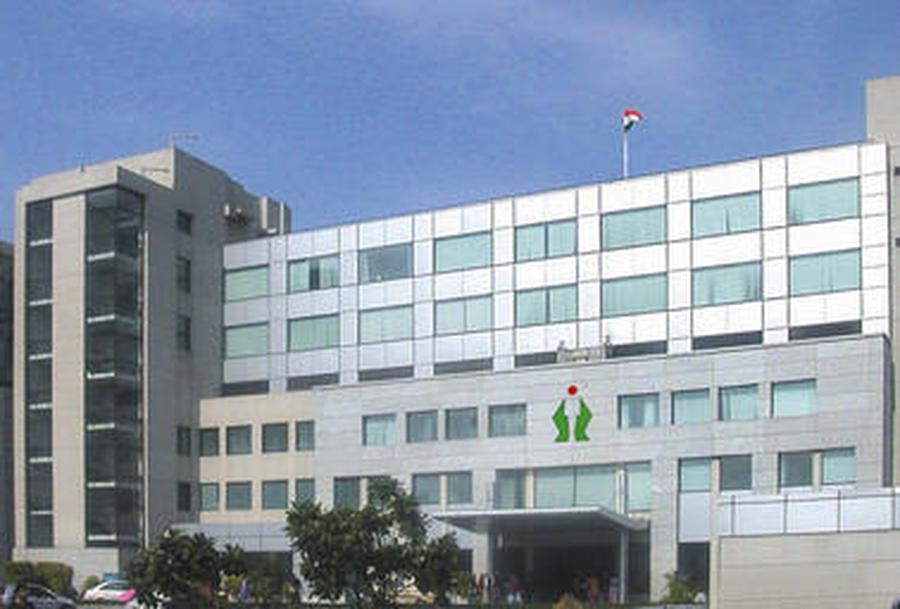






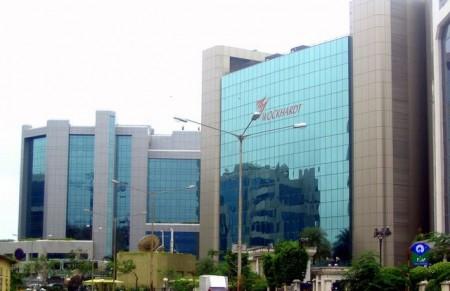
Wockhardt Hospital





Los mejores centros médicos de Cirugía cardíaca pediátrica en India
- Artemis Hospitals, India
- Fortis Escorts Heart Institute, India
- Apollo Hospital Indraprastha, India
- Fortis Gurgaon, India
- Medanta Hospital, India
- Wockhardt Hospital, India
- Manipal Hospitals, India
- Global Hospital Chennai, India
- BLK Super Speciality Hospital, India
- Aster CMI Hospital, India
Obtenga una evaluación médica para en India: Elija su especialista entre los mejores en el campo
Ver todos los médicos
Krishna Subramony Iyer
Más de 10.000 cirugías cardíacas congénitas realizadas: el Dr. Iyer fue pionero en el primer programa de atención cardíaca pediátrica especializada del norte de la India.
- Se especializa en cirugías neonatales complejas y casos de lactantes desnutridos
- Realizó la primera operación exitosa de switch arterial rápido en dos etapas de la India
- Formado en el Royal Children's Hospital, Melbourne, bajo la dirección del Dr. R.B.B. Mee
- Desarrolla soluciones de atención cardíaca rentables para países en desarrollo

Sandeep Attawar
Más de 10,000 cirugías cardíacas realizadas: el Dr. Sandeep Attawar dirige el Programa de Cirugía Cardíaca y Trasplante de Órganos Torácicos en Gleneagles Global Health City.
- Especializado en trasplantes de corazón y pulmón con una tasa de éxito del 85-90%
- Director de Cirugía Cardiovascular en el Global Hospital Chennai desde 2017
- Miembro de la Sociedad Internacional de Trasplante de Corazón y Pulmón
- Formado en el Instituto Sree Chitra Tirunal de Ciencias Médicas
Compartir contenido
Historias en video de pacientes de Bookimed
 Olena Sikoza
Preguntas frecuentes sobre Cirugía cardíaca pediátrica en India
¿Cuál es la tasa de éxito de la cirugía cardíaca pediátrica en la India?
Las tasas de éxito de la cirugía cardíaca pediátrica en la India oscilan entre el 94% y el 98% en los principales centros especializados. Los resultados dependen de la complejidad del defecto y del volumen de pacientes del hospital. Los procedimientos rutinarios como el cierre de CIV o CIA muestran la mayor supervivencia. Los casos de alta complejidad en neonatos mantienen una tasa de éxito del 90% al 94%.
- Procedimientos rutinarios: Las tasas de éxito para reparaciones básicas oscilan entre el 95% y el 98% en la India.
- Niveles de complejidad: Las cirugías de alta complejidad y los casos neonatales reportan tasas de supervivencia entre el 85% y el 94%.
- Experiencia especializada: El Dr. Krishna Subramony Iyer en Fortis Escorts ha realizado más de 10,000 cirugías cardíacas congénitas.
- Calidad clínica: Los mejores centros como el Apollo Hospital Indraprastha y los Artemis Hospitals cuentan con acreditación JCI.
Perspectiva del experto de Bookimed: El volumen de casos es el predictor más fuerte de éxito en la cirugía cardíaca pediátrica india. Los datos muestran que cirujanos como el Dr. Sandeep Attawar en el Global Hospital Chennai han participado en más de 10,000 procedimientos. Los centros de alto volumen a menudo gestionan más de 80,000 pacientes al año. Esta experiencia masiva permite a estos equipos perfeccionar los protocolos de UCI p
¿Cómo se comparan los cirujanos cardíacos pediátricos indios con los de Occidente?
Los cirujanos cardíacos pediátricos indios son líderes mundiales en cirugía de alto volumen. A menudo realizan cientos de procedimientos complejos al año. Este volumen clínico proporciona una experiencia práctica inigualable en comparación con sus homólogos occidentales. Los principales centros indios reportan tasas de éxito en reparaciones complejas que cumplen con los estándares internacionales.
- Volumen quirúrgico: Los cirujanos suelen realizar más de 10,000 procedimientos a lo largo de sus carreras profesionales.
- Tasas de éxito: Los programas líderes reportan tasas de supervivencia del 95% para casos neonatales de alto riesgo.
- Procedimientos avanzados: Los especialistas realizan regularmente operaciones complejas de switch arterial y doble switch.
- Innovación global: Los expertos indios fueron pioneros en el procedimiento de switch arterial rápido de dos etapas utilizado en todo el mundo.
- Acreditación: Las instalaciones de primer nivel mantienen la acreditación JCI y clasificaciones en los mejores hospitales de Newsweek.
Perspectiva del experto de Bookimed: El liderazgo de la India en cardiología pediátrica está impulsado por una especialización extrema. El Dr. Krishna Subramony Iyer, en el Fortis Escorts Heart Institute, fue pionero en el primer programa pediátrico dedicado del norte de la India. Dichos cent
¿Cuánto dura una estancia hospitalaria típica?
Una estancia hospitalaria típica para cirugía cardíaca pediátrica en la India oscila entre 7 y 10 días para reparaciones simples. Los procedimientos complejos como la tetralogía de Fallot a menudo requieren de 14 a 21 días. La recuperación completa puede extenderse hasta 28 días si ocurren complicaciones postoperatorias como neumonía o arritmias.
- Reparaciones de rutina: Las altas tras el cierre de CIA o CIV suelen producirse en un plazo de 7 a 10 días.
- Cuidados intensivos: La mayoría de los pacientes cardíacos pediátricos pasan al menos 2 días en la UCI pediátrica.
- Casos complejos: Las cirugías de ventrículo único o las correcciones de tetralogía de Fallot suelen requerir de 2 a 3 semanas.
- Posibles retrasos: La fiebre postoperatoria o los derrames pleurales pueden añadir de 5 a 7 días.
Perspectiva del experto de Bookimed: Los centros de gran volumen como el Global Hospital Chennai y el Apollo Hospital Indraprastha suelen ofrecer tiempos de respuesta más rápidos. Estas instituciones gestionan más de 1.000.000 de pacientes al año. Su amplia experiencia con protocolos pediátricos especializados ayuda a agilizar la transición de los cuidados intensivos a las salas generales, lo que potencialmente reduce la estancia total en varios días en comparación con instalaciones más pequeñas.
Consenso de los pacientes: Los padr
¿Pueden los pacientes internacionales obtener apoyo lingüístico y emocional?
Los pacientes internacionales en la India acceden a un apoyo lingüístico y emocional integral a través de departamentos dedicados a pacientes internacionales. La mayoría de los centros acreditados por la JCI proporcionan intérpretes médicos profesionales para procedimientos complejos. También ofrecen documentos médicos traducidos y asistencia 24/7 para cerrar las brechas culturales durante la atención cardíaca pediátrica.
- Mostradores dedicados: Los centros principales ofrecen traductores de inglés e hindi en los mostradores de pacientes internacionales.
- Experiencia clínica: El Dr. Krishna Subramony Iyer de Fortis Escorts inició el primer programa pediátrico del norte de la India.
- Herramientas lingüísticas: Las instalaciones a menudo utilizan aplicaciones especializadas o videollamadas para necesidades de traducción inmediatas.
- Instalaciones certificadas: Tanto Manipal como Apollo Hospitals atienden a más de 1.000.000 de pacientes al año con estándares globales.
Perspectiva del experto de Bookimed: Las redes de gran volumen como Manipal Hospitals y Apollo Hospital Indraprastha aprovechan su escala para brindar atención emocional especializada. Estos centros a menudo incluyen terapia de juego y asesoramiento dedicados como parte de sus programas cardíacos pediátricos. Esta infraestructura ayuda a reducir el estrés de las familias que viaj
¿Qué debo preguntarle al cirujano durante nuestra primera consulta?
Pregunte sobre el volumen específico de casos del cirujano para la condición de su hijo. Averigüe si realiza personalmente las reparaciones neonatales complejas. Confirme la proporción de enfermeras por paciente en la unidad de cuidados intensivos pediátricos (UCIP) del hospital. Verifique si el centro cuenta con la acreditación internacional de la Joint Commission International (JCI) en materia de seguridad.
- Detalles del procedimiento: Pregunte por el tiempo de bypass previsto para su hijo. Mencione posibles variaciones anatómicas.
- Tasas de éxito: Solicite la tasa de éxito personal a 30 días del cirujano. Evite los promedios nacionales generales.
- Equipo clínico: Confirme si un médico adjunto o un residente gestiona los cuidados postoperatorios nocturnos.
- Historial del programa: Pregunte si el centro cuenta con un programa de cardiología pediátrica dedicado.
Perspectiva del experto de Bookimed: Los datos muestran que centros indios como el Fortis Escorts Heart Institute o el Global Hospital Chennai a menudo cuentan con cirujanos con más de 10.000 procedimientos. Estos especialistas de alto volumen, como el Dr. Krishna Subramony Iyer, frecuentemente son pioneros en nuevas técnicas. Pregunte siempre si su cirujano se ha formado específicamente en centros pediátricos internacionales de renombre.
Consenso de los pacientes:
¿Existen alternativas no quirúrgicas disponibles?
Las alternativas no quirúrgicas para las afecciones cardíacas pediátricas en la India incluyen intervenciones mediante catéter y tratamiento médico. Procedimientos como la atrioseptostomía con balón o el cierre de defectos del tabique interauricular con dispositivos ofrecen altas tasas de éxito sin incisiones tradicionales. Estas técnicas sirven como tratamientos primarios eficaces o puentes críticos hacia una cirugía posterior.
- Intervenciones con catéter: Se utilizan para cerrar pequeños orificios como la CIA o el PCA sin cirugía de tórax.
- Tasas de éxito: Los cierres mediante catéter reportan una tasa de éxito del 70% al 80% en casos adecuados.
- Tratamiento médico: Los cardiólogos utilizan diuréticos e inhibidores de la ECA para controlar los síntomas durante 6 a 12 meses.
- Observación vigilante: Los defectos cardíacos pequeños a menudo se cierran naturalmente a los 4 años con un seguimiento regular.
Perspectiva del experto de Bookimed: Los centros de alto volumen como el Global Hospital Chennai o el Apollo Hospital Indraprastha suelen liderar la atención mediante catéter. Su capacidad para realizar más de 10,000 procedimientos les permite utilizar impresión 3D avanzada para una planificación precisa. Esta tecnología ayuda a los médicos a decidir si un cierre no quirúrgico es más seguro que una cirugía para su hijo.
Consen
¿Cómo nos preparamos para el día de la cirugía?
La preparación para una cirugía cardíaca pediátrica en la India requiere un estricto cumplimiento de los protocolos de ayuno e higiene. Los pacientes deben dejar de ingerir alimentos y agua después de la medianoche para evitar complicaciones con la anestesia. Llegar temprano a hospitales como Artemis Hospitals o Manipal Hospitals garantiza tiempo suficiente para los análisis de sangre y ECG necesarios.
- Reglas de ayuno: No ingerir alimentos ni agua después de la medianoche para garantizar un proceso de anestesia seguro.
- Higiene: Dúchese con jabón antiséptico para reducir el riesgo de infecciones en el sitio quirúrgico.
- Documentación: Traiga una identificación con foto, registros médicos y una lista de todos los medicamentos actuales.
- Artículos de confort: Empaque mantas familiares o chupetes para ayudar a calmar a los niños antes del procedimiento.
Perspectiva del experto de Bookimed: Los principales centros médicos indios, como el Apollo Hospital Indraprastha, atienden a más de 1.000.000 de pacientes internacionales al año. Este alto volumen significa que el procesamiento administrativo puede llevar varias horas la mañana de la cirugía. Las familias deben llegar al menos de 4 a 6 horas antes para completar el papeleo antes de reunirse con el equipo quirúrgico.
Consenso de los pacientes: Los padres consideran que
¿Cómo es la recuperación a largo plazo?
La recuperación a largo plazo después de una cirugía cardíaca pediátrica en la India implica un retorno a los niveles normales de actividad en un plazo de 1 a 2 años. Los niños a menudo alcanzan una alta resistencia física para el tercer año. El seguimiento en centros acreditados por la JCI, como el Apollo Hospital Indraprastha, garantiza una salud cardíaca continua y un crecimiento evolutivo.
- Actividad física: La mayoría de los niños regresan a la escuela y a los deportes en un plazo de 12 a 24 meses.
- Atención de seguimiento: Son necesarios ecocardiogramas anuales para monitorear las válvulas cardíacas y posibles arritmias.
- Tasas de reintervención: Aproximadamente del 5% al 10% de los pacientes requieren reemplazos de conductos dentro de los 8 años.
- Manejo de medicamentos: Puede ser necesario el uso a largo plazo de betabloqueantes o anticoagulantes hasta la edad adulta.
Perspectiva del experto de Bookimed: Centros indios como el Global Hospital Chennai reportan altas tasas de éxito en casos neonatales complejos. Nuestros datos muestran que las clínicas con más de 10,000 procedimientos, como Fortis Escorts, brindan los resultados a largo plazo más estables. Los padres deben priorizar los hospitales donde cirujanos como el Dr. Krishna Subramony Iyer fueron pioneros en protocolos pediátricos específicos.
Consenso de los pa