Cirugía cardíaca pediátrica en Tailandia — Costos 2026


Revisado médicamente por
Fahad Mawlood
¿Cuál es el precio de procedimientos de Cirugía cardíaca pediátrica en Tailandia? Descubra ahora
La cirugía cardíaca pediátrica en Tailandia suele costar entre $14,600 / 540,200฿ y $31,300 / 1,158,100฿. Los gastos totales dependen del defecto cardíaco específico, el enfoque quirúrgico y la duración necesaria de la estancia en la unidad de cuidados intensivos. Los pacientes internacionales pueden esperar ahorros del 70-80% en comparación con los Estados Unidos.
Costos típicos de cirugía cardíaca pediátrica en Tailandia
- Consulta con un cirujano cardíaco: Precio a consultar
- Ecocardiografía: Precio a consultar
- Cirugía a corazón abierto: $13,000 / 481,000฿ – $22,000 / 814,000฿
- Cirugía plástica de válvula cardíaca: $30,000 / 1,110,000฿ – $40,000 / 1,480,000฿
- Cirugía de comunicación interauricular: $9,500 / 351,500฿ – $16,000 / 592,000฿
- Cirugía de tetralogía de Fallot: $15,000 / 555,000฿ – $24,000 / 888,000฿
- Cirugía de comunicación interventricular: Precio a consultar
- Reemplazo de válvula mitral pediátrica: Precio a consultar
- Reemplazo de válvula aórtica pediátrica: Precio a consultar
- Crioablación cardíaca: $7,000 / 259,000฿ – $9,500 / 351,500฿
La mayoría de los centros cardíacos especializados se encuentran en Bangkok y Nonthaburi. Aunque la capital suele servir como el centro principal para casos complejos, consulte con un especialista para obtener precios precisos para la condición específica de su hijo.
| Tailandia | España | Turquía | |
|---|---|---|---|
| Tratamiento de la tetralogía de Fallot | ≈ $15,000 / 555,000฿ | de $44,900 / 1,661,300฿ | de $16,500 / 610,500฿ |
| Crioablación del corazón | ≈ $7,000 / 259,000฿ | de $20,200 / 747,400฿ | de $8,100 / 299,700฿ |
| Cirugía de comunicación interventricular | ≈ $14,000 / 518,000฿ | ≈ $35,000 / 1,295,000฿ | de $10,500 / 388,500฿ |
| Cirugía de comunicación interauricular | ≈ $9,500 / 351,500฿ | de $32,800 / 1,213,600฿ | de $10,000 / 370,000฿ |
| Cirugía a corazón abierto | ≈ $13,000 / 481,000฿ | de $50,500 / 1,868,500฿ | de $13,500 / 499,500฿ |
Todas las enfermedades de Cirugía cardíaca pediátrica
Sus beneficios y garantías con Bookimed
Precios directos
Bookimed no añade cargos extra a los precios de los tratamientos de Cirugía cardíaca pediátrica. Las tarifas proceden de las listas de precios oficiales de las clínicas. Pagará directamente en la clínica por su tratamiento a su llegada al país.
Sólo clínicas y médicos verificados
Bookimed está comprometido con su seguridad. Solo trabajamos con las clínicas que mantienen altos estándares internacionales en el tratamiento de Cirugía cardíaca pediátrica y tienen las licencias necesarias para atender a pacientes internacionales en todo el mundo.
Asistencia 24/7 gratuita
Bookimed ofrece asistencia experta gratuita. Un coordinador médico personal le apoya antes, durante y después del tratamiento, resolviendo cualquier problema. Nunca estará solo en su viaje médico de procedimientos de Cirugía cardíaca pediátrica.

Su coordinador médico personal de Bookimed
- Le apoya en cada etapa
- Ayuda a elegir la clínica y el médico adecuados
- Asegura un acceso rápido y conveniente a la información
Descubra las mejores clínicas de Cirugía cardíaca pediátrica en Tailandia: 18 opciones verificadas y Precios










Mantak Chia | Universal Healing Tao | Tao Garden (Tao Garden Health Spa & Resort)





Eartone
Los mejores centros médicos de Cirugía cardíaca pediátrica en Tailandia
- Intrarat Hospital, Tailandia
- Bumrungrad International Hospital, Tailandia
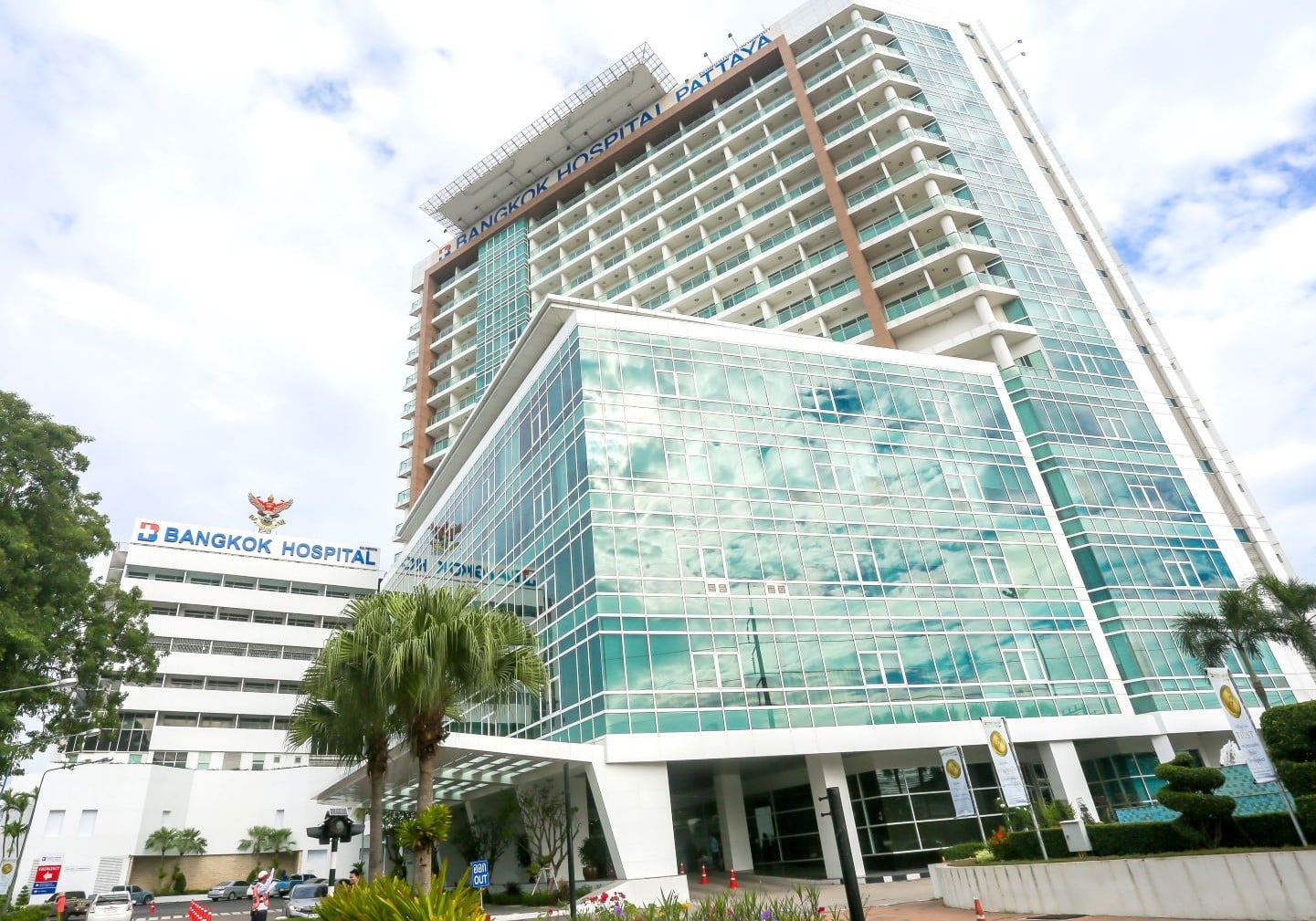
- Bangkok Hospital Pattaya, Tailandia
- Sikarin Hospital, Tailandia
- Mantak Chia | Universal Healing Tao | Tao Garden (Tao Garden Health Spa & Resort), Tailandia
- B. Care Spa, Tailandia
- Chiangmai Ram Hospital, Tailandia
- Thanyapura Health & Sports Resort, Tailandia
- Eartone, Tailandia
Obtenga una evaluación médica de Cirugía cardíaca pediátrica en Tailandia: haga una consulta con 9 médicos experimentados ahora
Ver todos los médicos
Thanaphat Pomyukon
El Dr. Thanaphat Pomyukon es cirujano general (ศัลยแพทย์ทั่วไป). Licencia médica tailandesa n.º ว.50550. Obtuvo su título de médico (M.D.) en la Facultad de Medicina de la Universidad de Chulalongkorn. También posee el Diploma de la Junta Tailandesa de Cirugía General, obtenido en el Hospital Roi Et del Ministerio de Salud Pública.
Su enfoque clínico incluye hernias y hemorroides. También trata bultos mamarios y cálculos biliares. Atiende enfermedades del aparato digestivo. Realiza end

Natthaphon Srithurawanit
El Dr. Natthaphon Srithurawanit es especialista en medicina regenerativa en el Mali Interdisciplinary Hospital de Bangkok. Integra la medicina convencional y de precisión para tratar enfermedades crónicas no transmisibles. El Dr. Srithurawanit se centra en reducir los tiempos de curación mediante técnicas restaurativas en un centro acreditado por la GHA.
- Realiza terapia con células madre para la reparación de tejidos y el rejuvenecimiento antienvejecimiento.
- Realiza procedi

Dr Keerapat Phiromkraiphakdi
El Dr. Keerapat aporta una amplia formación en cirugía plástica de las mejores instituciones de EE. UU. y Tailandia.
- Se especializa en cirugía cosmética con un enfoque en procedimientos estéticos
- Profesor de medicina en la Universidad Srinakharinwirot
- Miembro de la Sociedad Tailandesa de Cirujanos Plásticos
- Formado en el Hospital Vajira y el Hospital Ramathibodi
Compartir contenido
Historias en video de pacientes de Bookimed
 Olena Sikoza
Preguntas frecuentes sobre Cirugía cardíaca pediátrica en Tailandia
¿Cuál es la tasa de éxito de la cirugía cardíaca pediátrica en Tailandia?
La cirugía cardíaca pediátrica en Tailandia mantiene una alta tasa de éxito, con cifras de supervivencia que alcanzan del 94% al 95,4% a nivel nacional. Los centros especializados reportan tasas de supervivencia aún más altas, del 98%, para reparaciones congénitas de rutina. La mortalidad temprana en casos complejos ha disminuido significativamente en los últimos 20 años.
- Tasas de supervivencia: Los principales centros tailandeses reportan tasas de supervivencia entre el 94% y el 95,4%.
- Puntos de referencia clínicos: Las instalaciones privadas como el Bumrungrad International Hospital mantienen aproximadamente un 90% de éxito en casos complejos.
- Resultados especializados: Los procedimientos de rutina como las reparaciones de CIV y CIA a menudo superan el 97% de tasa de éxito.
- Éxito a largo plazo: Procedimientos como la operación de switch arterial no muestran prácticamente muertes tardías.
Perspectiva de expertos de Bookimed: El éxito en Tailandia está ligado a volúmenes quirúrgicos extremos. El Bumrungrad International Hospital trata a más de 1.000.000 de pacientes al año y utiliza sistemas de IA y robótica. Este entorno de alto volumen permite a los cirujanos tailandeses realizar más de 500 casos cardíacos cada año. Una alta frecuencia quirúrgica es un indicador probado de mejores resultados pediátricos.
Consenso de los
¿Es seguro someterse a una cirugía a corazón abierto en Tailandia?
La cirugía a corazón abierto en Tailandia es segura y sigue los estándares médicos occidentales en instalaciones acreditadas por la JCI. Los cirujanos expertos a menudo poseen certificaciones internacionales de EE. UU. o el Reino Unido. Centros especializados como el Bumrungrad International Hospital mantienen altas tasas de éxito en procedimientos cardíacos complejos tanto en niños como en adultos.
- Acreditación internacional: Los principales hospitales cuentan con certificaciones de calidad de la Joint Commission International (JCI) e ISO.
- Experiencia especializada: El Bangkok Heart Hospital es un centro terciario dedicado con más de 70 especialistas.
- Tecnología avanzada: Instalaciones como el Sikarin Hospital utilizan equipos modernos para procedimientos cardíacos mínimamente invasivos.
- Alto volumen: El Bumrungrad International Hospital trata a más de 1.000.000 de pacientes al año, con un 50 % de casos internacionales.
Perspectiva del experto de Bookimed: La calidad a menudo depende de la especialización de la clínica más que de su reputación general. Si bien muchos centros privados son excelentes para adultos, hospitales como Bumrungrad International y Sikarin Hospital destacan porque mantienen un alto volumen de pacientes. Esta experiencia respalda directamente sus calificaciones reportadas de más de 4.6 estrellas y su éxito constan
¿Qué hospitales son los mejores para la atención cardíaca pediátrica en Tailandia?
Los mejores hospitales para la atención cardíaca pediátrica en Tailandia incluyen el Bumrungrad International Hospital y el Sikarin Hospital. Estas instalaciones ofrecen atención acreditada por la JCI para defectos cardíacos congénitos. Se especializan en procedimientos complejos como la cirugía de la tetralogía de Fallot y reemplazos valvulares. La mayoría de los centros se encuentran en Bangkok.
- Credenciales de la clínica: El Bumrungrad International Hospital es una instalación clasificada por Newsweek. Cuenta con acreditaciones JCI y GHA.
- Niveles de experiencia: El Sikarin Hospital mantiene los estándares JCI. Atiende a una base de pacientes internacionales de Asia.
- Rango quirúrgico: Los procedimientos incluyen cirugía de comunicación interventricular y reemplazo de válvula mitral pediátrica.
- Instalaciones de apoyo: El Intrarat Hospital cuenta con 26 departamentos. Incluye unidades dedicadas a la pediatría y cirugía cardíaca.
Perspectiva del experto de Bookimed: El volumen de pacientes es un indicador importante de calidad en los centros cardíacos tailandeses. El Bumrungrad International Hospital atiende a más de 1 millón de pacientes al año. Los datos científicos muestran que las clínicas de alto volumen a menudo tienen rutas de diagnóstico más optimizadas. Esto puede reducir el tiempo entre la consulta inicial y la cirugía.
¿Cuánto tiempo debe permanecer mi hijo en Tailandia después de la cirugía antes de volar a casa?
La mayoría de los niños deben permanecer en Tailandia entre 14 y 28 días después de una cirugía cardíaca pediátrica. Los procedimientos mayores, como la cirugía a corazón abierto, a menudo requieren 4 semanas de recuperación antes de los vuelos de larga distancia. Los vuelos regionales cortos a veces son posibles después de 10 a 14 días con autorización médica.
- Observación mínima: Permanezca 14 días para controlar la acumulación de líquidos o arritmias tempranas.
- Procedimientos mayores: La cirugía a corazón abierto generalmente requiere una espera de 4 semanas para vuelos largos.
- Autorización de la aerolínea: Obtenga una autorización de vuelo por escrito del cirujano antes de reservar el viaje de regreso.
- Ventana de infección: Permanecer en el país durante 14 días permite el monitoreo durante los riesgos máximos de infección.
Perspectiva del experto de Bookimed: Los hospitales tailandeses como el Bumrungrad International Hospital atienden a más del 50% de pacientes internacionales. Este alto volumen significa que sus equipos son expertos en coordinar las autorizaciones de vuelo postoperatorias. Los centros principales en Bangkok a menudo tienen departamentos especializados para ayudar a los padres a gestionar esta logística. Esto garantiza que su hijo cumpla con todos los requisitos de seguridad de la aerolínea antes de la salida.
<¿Qué debo preguntarle al cirujano durante una consulta?
Durante una consulta para cirugía cardíaca pediátrica en Tailandia, céntrese en la experiencia del cirujano con el defecto específico de su hijo. Pregunte sobre las tasas de éxito de procedimientos como la tetralogía de Fallot o la comunicación interventricular. Verifique las acreditaciones hospitalarias de la Joint Commission International (JCI) para garantizar los estándares de seguridad globales.
- Experiencia clínica: Pregunte cuántas reparaciones específicas de defectos cardíacos realiza el cirujano anualmente.
- Equipo especializado: Confirme si los anestesiólogos y el personal de la UCI tienen certificación en cardiología pediátrica.
- Datos de éxito: Solicite las tasas de supervivencia específicas de la clínica para el procedimiento cardíaco propuesto.
- Plan de recuperación: Infórmese sobre los plazos típicos para la extubación y los protocolos de manejo del dolor postoperatorio.
Perspectiva de expertos de Bookimed: Los centros médicos tailandeses como el Bumrungrad International Hospital atienden a más de 1 millón de pacientes al año. Su gran volumen a menudo conduce a una atención de UCI pediátrica mejor estructurada. Esta escala puede ser un indicador clave de seguridad al elegir entre instalaciones locales más pequeñas y grandes centros internacionales en Bangkok.
Consenso de los pacientes: Los padres sugier
¿Qué síntomas postoperatorios debo vigilar?
La recuperación postoperatoria tras una cirugía cardíaca pediátrica en Tailandia requiere una vigilancia atenta de los patrones respiratorios y de las zonas de incisión. Los padres deben controlar la fiebre superior a 38,3 °C y el letargo repentino. Busque atención inmediata si presenta respiración rápida, dolor torácico o labios azulados. Los hospitales acreditados por la JCI en Bangkok ofrecen protocolos de alta detallados para procedimientos complejos.
- Signos respiratorios: Vigile si hay respiración rápida, aleteo nasal o retracciones torácicas durante el reposo.
- Integridad de la herida: Observe si hay enrojecimiento, calor o secreción maloliente en la incisión.
- Niveles de temperatura: Informe de cualquier fiebre superior a 38,3 °C acompañada de escalofríos o sudoración persistente.
- Estabilidad en la alimentación: Controle la mala alimentación repentina, los vómitos persistentes o la pérdida de peso superior al 10 %.
Opinión de expertos de Bookimed: Los centros médicos tailandeses con un gran volumen de pacientes, como el Bumrungrad International Hospital, que atiende a 1 millón de pacientes al año, priorizan la monitorización digital. Estas instalaciones suelen ofrecer aplicaciones móviles o líneas dedicadas 24/7. El uso de estas herramientas para enviar fotos diarias de la incisión ayuda a los cirujanos a identificar a tiempo las i
¿Qué hospitales en Tailandia son más conocidos por la cirugía cardíaca pediátrica?
El Bumrungrad International Hospital, el Sikarin Hospital y el Intrarat Hospital son centros tailandeses líderes en cirugía cardíaca pediátrica. Estas instalaciones acreditadas por la JCI se especializan en el tratamiento de afecciones congénitas complejas. Ofrecen procedimientos avanzados como la reparación de la tetralogía de Fallot y el reemplazo de válvulas cardíacas. Su experiencia se traduce en altas tasas de supervivencia para recién nacidos y niños.
- Bumrungrad International: Cuenta con una unidad de cardiología pediátrica especializada que utiliza cirugía robótica y tecnologías de IA.
- Sikarin Hospital: Conocido por el reemplazo de válvulas cardíacas pediátricas mediante técnicas endovasculares mínimamente invasivas.
- Intrarat Hospital: Proporciona diagnósticos rápidos y atención integral para intervenciones coronarias pediátricas en Bangkok.
- Bangkok Hospital Pattaya: Opera una unidad de cuidados cardíacos de 29 camas equipada para cirugías de bypass pediátricas críticas.
Opinión de expertos de Bookimed: Los hospitales tailandeses con un alto volumen de pacientes, como Bumrungrad con 1 millón de pacientes anuales, a menudo tienen una infraestructura superior. Estos grandes centros mantienen intensivistas cardíacos pediátricos dedicados en lugar de personal de UCI general. Esta especialización es un factor clave en la recuperación
¿Pueden los pacientes internacionales obtener ayuda con los visados y la logística de viaje?
Los pacientes internacionales reciben un apoyo integral en materia de visados y viajes para cirugía cardíaca pediátrica en Tailandia. Los departamentos internacionales especializados de los principales hospitales se encargan de las cartas de invitación para visados médicos y de la documentación financiera. Estos equipos también coordinan los traslados al aeropuerto, el alojamiento local y los servicios de traducción para garantizar un viaje médico sin complicaciones para las familias.
- Apoyo con visados: Las clínicas proporcionan cartas de invitación oficiales para las solicitudes de visado médico tailandés.
- Coordinación de viajes: El personal suele organizar traslados VIP desde el aeropuerto y transporte terrestre local.
- Alojamiento familiar: Hospitales como el Bumrungrad International ofrecen casas de huéspedes en sus instalaciones o descuentos en hoteles.
- Asistencia lingüística: Gestores de atención dedicados proporcionan traducción de historiales médicos e interpretación en tiempo real.
Perspectiva del experto de Bookimed: Los hospitales tailandeses con un gran volumen de pacientes internacionales, como el Bumrungrad International Hospital, funcionan como pequeñas ciudades. Dado que el 50% de su millón de pacientes anuales procede del extranjero, han perfeccionado la logística hasta convertirla en una ciencia. Los pacientes de estos
¿Cuáles son las tasas de éxito reportadas para la cirugía cardíaca pediátrica en Tailandia?
Las tasas de éxito reportadas para la cirugía cardíaca pediátrica en Tailandia son altas, con tasas de supervivencia general entre el 94% y el 95.4%. Los centros especializados modernos reportan resultados comparables a los estándares occidentales. Los grandes avances en cuidados intensivos han mejorado significativamente los resultados para los defectos cardíacos congénitos complejos en los últimos años.
- Procedimientos simples: Las tasas de supervivencia para las reparaciones de CIV y CIA a menudo superan el 98% al 99%.
- Cirugías complejas: Procedimientos como la Tetralogía de Fallot (TOF) mantienen tasas de supervivencia de alrededor del 93% al 96%.
- Volumen clínico: El Bumrungrad International Hospital trata a más de 1 millón de pacientes anualmente en 70 departamentos especializados.
- Acreditación: Los centros líderes mantienen los estándares de la Joint Commission International (JCI) e ISO para la seguridad pediátrica.
Perspectiva del experto de Bookimed: Los centros médicos tailandeses con altos volúmenes de pacientes, como el Bumrungrad International Hospital, a menudo demuestran tasas de éxito más altas debido a su infraestructura especializada. Las estadísticas muestran que las clínicas que atienden a 1 millón de pacientes al año pueden mantener unidades de cuidados intensivos cardíacos pediátricos dedicadas. Este entorno enfocado
¿Qué preguntas clave deben hacer los padres al equipo quirúrgico antes del procedimiento?
Los padres deben preguntar sobre la experiencia específica del cirujano con el diagnóstico del niño y la necesidad del procedimiento. Infórmese sobre las tasas de éxito, las posibles complicaciones y la anestesia pediátrica especializada. Confirmar la acreditación JCI del hospital y las credenciales del equipo quirúrgico garantiza los más altos estándares de seguridad durante la cirugía cardíaca pediátrica.
- Experiencia quirúrgica: Pregunte cuántos procedimientos específicos realiza el cirujano anualmente.
- Credenciales del equipo: Verifique si los anestesiólogos tienen una formación especializada en pediatría.
- Resultados clínicos: Solicite tasas de éxito específicas del procedimiento en lugar de estadísticas generales del hospital.
- Cronograma de recuperación: Confirme la duración esperada de la ventilación, la estancia en la UCI y la hospitalización total.
Perspectiva del experto de Bookimed: Los centros tailandeses como el Bumrungrad International Hospital atienden a más de 1 millón de pacientes al año. Su alto volumen a menudo se correlaciona con protocolos estandarizados para casos complejos. Busque clínicas con acreditaciones JCI y GHA. Estas marcas indican una infraestructura dedicada a pacientes pediátricos internacionales y estándares de seguridad específicos.
Consenso de los pacientes: Los padres enfatizan