Cirugía cardíaca pediátrica en Corea del Sur: las 23 mejores clínicas con opiniones de pacientes


Revisado médicamente por
Fahad Mawlood
¿Cuál es el precio de procedimientos de Cirugía cardíaca pediátrica en Corea del Sur? Descubra ahora
La cirugía cardíaca pediátrica en Corea del Sur suele costar entre $20,600 y $38,000. Los gastos totales dependen de la complejidad de la cardiopatía, el enfoque quirúrgico específico y la duración de la estancia en cuidados intensivos. Los pacientes internacionales pueden esperar ahorros del 50-90% en comparación con los Estados Unidos.
Costos típicos de la cirugía cardíaca pediátrica en Corea del Sur
- Consulta con un cirujano cardíaco: Precio a consultar
- Ecocardiografía: Precio a consultar
- Angiografía coronaria: de $1,800
- Angioplastia coronaria: $8,000 – $9,000
La mayoría de los centros de cardiología pediátrica avanzados se encuentran en Seúl y Gyeonggi-do. Las clínicas en Seúl a menudo sirven como centros principales para casos complejos, mientras que los centros regionales pueden ofrecer estructuras de precios ligeramente diferentes. Consulte con un especialista para obtener precios precisos para el caso médico específico de su hijo.
| Corea del Sur | España | Turquía | |
|---|---|---|---|
| Tratamiento de la tetralogía de Fallot | ≈ $22,000 | de $44,900 | de $16,600 |
| Crioablación del corazón | ≈ $9,500 | de $20,200 | de $8,100 |
| Cirugía de comunicación interventricular | ≈ $16,000 | ≈ $18,500 | de $10,500 |
| Cirugía de comunicación interauricular | ≈ $12,000 | de $32,800 | de $20,000 |
| Cirugía a corazón abierto | ≈ $28,000 | de $50,600 | de $13,500 |
Todas las enfermedades de Cirugía cardíaca pediátrica
Sus beneficios y garantías con Bookimed
Precios directos
Bookimed no añade cargos extra a los precios de los tratamientos de Cirugía cardíaca pediátrica. Las tarifas proceden de las listas de precios oficiales de las clínicas. Pagará directamente en la clínica por su tratamiento a su llegada al país.
Sólo clínicas y médicos verificados
Bookimed está comprometido con su seguridad. Solo trabajamos con las clínicas que mantienen altos estándares internacionales en el tratamiento de Cirugía cardíaca pediátrica y tienen las licencias necesarias para atender a pacientes internacionales en todo el mundo.
Asistencia 24/7 gratuita
Bookimed ofrece asistencia experta gratuita. Un coordinador médico personal le apoya antes, durante y después del tratamiento, resolviendo cualquier problema. Nunca estará solo en su viaje médico de procedimientos de Cirugía cardíaca pediátrica.

Su coordinador médico personal de Bookimed
- Le apoya en cada etapa
- Ayuda a elegir la clínica y el médico adecuados
- Asegura un acceso rápido y conveniente a la información
Descubra las mejores clínicas de Cirugía cardíaca pediátrica en Corea del Sur: 23 opciones verificadas y Precios











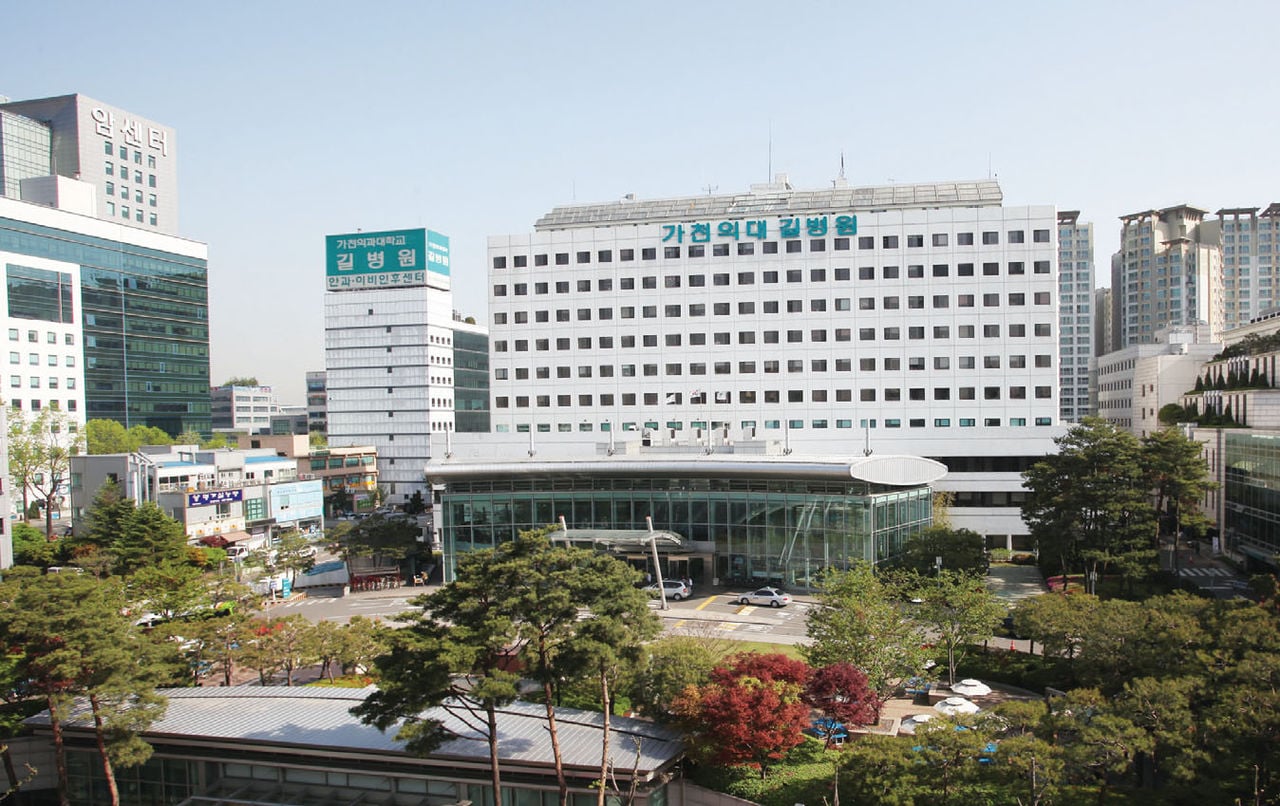


Los mejores centros médicos de Cirugía cardíaca pediátrica en Corea del Sur
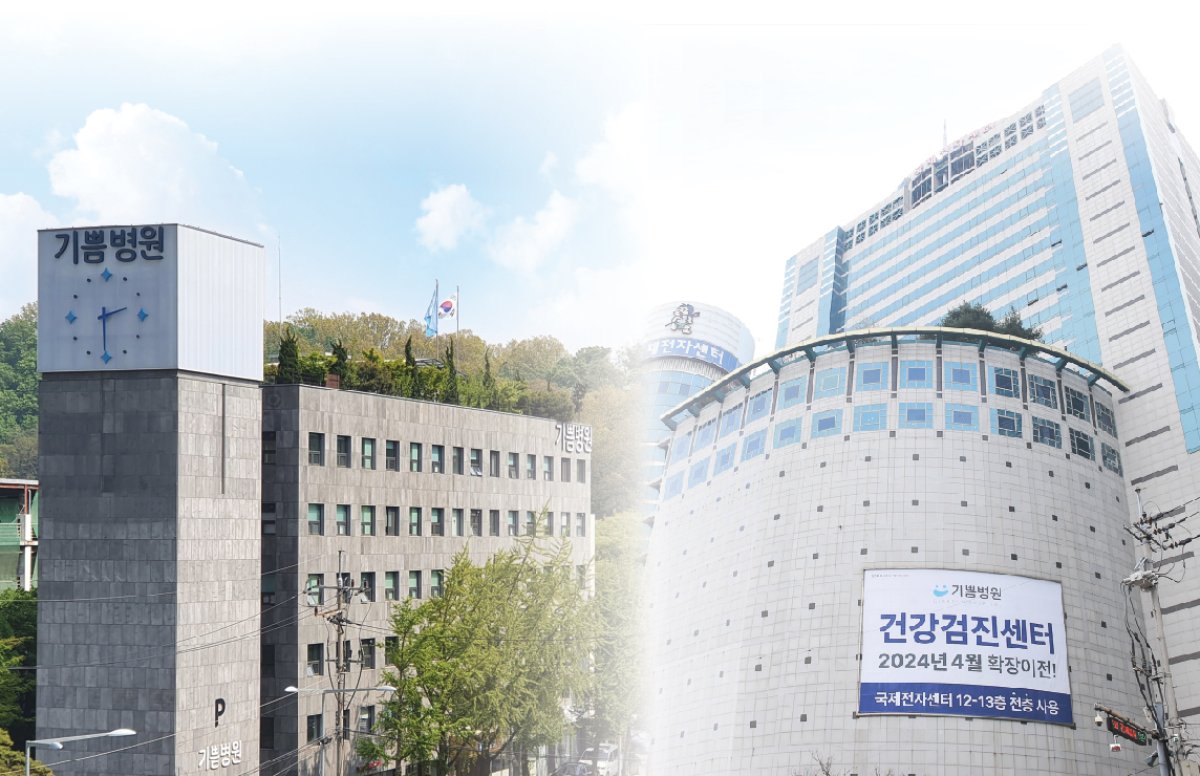
- Hospital General Gibbeum, Corea del Sur
- Samsung Medical Center, Corea del Sur
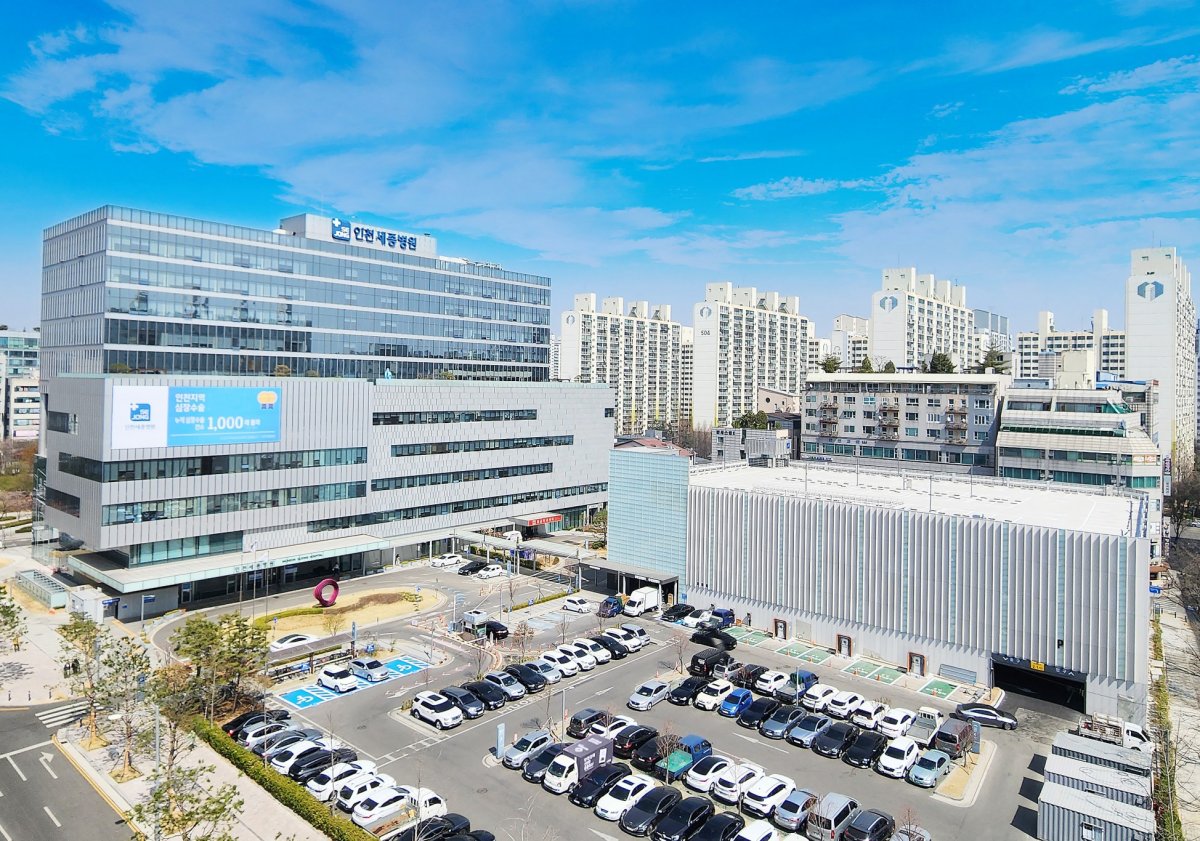
- SEJONG HOSPITAL, Corea del Sur
- Ewha Womans University Medical Center, Corea del Sur
- Seoul National University Bundang Hospital (SNUBH), Corea del Sur
- Asan Medical Center, Corea del Sur
- Gachon University Gil Medical Center, Corea del Sur
- Hospital Severance (Severance Hospital), Corea del Sur
- Gangnam Severance Hospital, Corea del Sur
- Soon Chun Hyang University Hospital , Corea del Sur
Obtenga una evaluación médica para en Corea del Sur: Elija su especialista entre los mejores en el campo
Ver todos los médicos
Hwan Song Uk
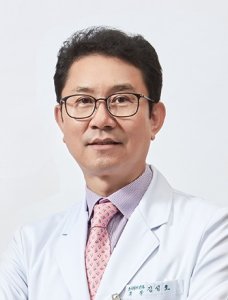
Sungho Kim
El profesor Sung-Ho Kim, MD, MS, PhD, es cardiólogo pediatra y especialista en cardiopatías congénitas con más de 40 años de experiencia. Se formó en la Facultad de Medicina de la Universidad de Hanyang (MD) y en la Escuela de Posgrado de la misma universidad (MS, PhD). Contribuyó al avance del tratamiento percutáneo con catéter de la comunicación interauricular (CIA), la comunicación interventricular (CIV), la tetralogía de Fallot y otros defectos, lo que redujo la necesidad de cirugía a cor
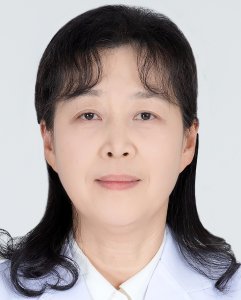
Jieun Ban
La Dra. Jieun Ban, MD, es cardióloga pediatra en Bucheon Sejong Hospital. Se especializa en arritmias y cardiopatías congénitas. Realiza evaluación electrofisiológica para niños y adolescentes. Completó la formación en pediatría y cardiología pediátrica.
Atiende comunicación interauricular (CIA), comunicación interventricular (CIV), síncope cardÍaco y otros trastornos del ritmo. Ofrece diagnóstico avanzado y tratamiento intervencionista. Esto incluye crioablación y electrofisiología co
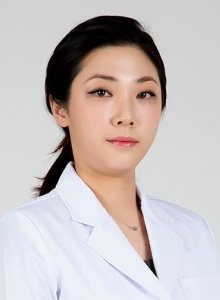
Jeong Yoon Kim
La Dra. Jeong‑Yoon Kim, MD, es cardióloga pediátrica en Bucheon Sejong Hospital. Desde 2019 dirige el Departamento de Pediatría y Medicina del Adolescente y también atiende pacientes en Incheon Sejong Hospital.
Se graduó en Yonsei University Wonju College of Medicine y completó su formación clínica en Severance Hospital, un centro médico terciario en Corea. Su práctica se centra en cardiopatías congénitas (CIA, CIV), enfermedad de Kawasaki, arritmias pediátricas, síncope y cuidados car
Compartir contenido
Historias en video de pacientes de Bookimed
 Olena Sikoza
Preguntas frecuentes sobre Cirugía cardíaca pediátrica en Corea del Sur
¿Qué hospitales en la República de Corea son más conocidos por la cirugía cardíaca pediátrica?
El Hospital de la Universidad Nacional de Seúl (SNUH), el Centro Médico Asan y el Centro Médico Samsung son las instituciones principales para la cirugía cardíaca pediátrica en Corea del Sur. Estas instalaciones acreditadas por la JCI manejan reparaciones cardíacas congénitas complejas. Informan tasas de supervivencia superiores al 98% para procedimientos neonatales. Muchos centros se especializan en cirugías de bebés con bajo peso al nacer.
- Centro Médico Asan: Realiza el 45% de todos los trasplantes de corazón en Corea del Sur con tasas de éxito del 90%.
- Centro Médico Samsung: Utiliza sistemas robóticos Da Vinci para intervenciones cardíacas pediátricas precisas e intensivas.
- SNUH: Opera de forma segura a bebés con peso extremadamente bajo al nacer, desde 1 kg.
- Hospital Severance: Cuenta con un centro cardiovascular dedicado con protocolos de cirugía pediátrica certificados por la JCI desde 1956.
- Hospital SEJONG: Se especializa en tratamientos basados en catéteres para evitar la cirugía a corazón abierto en defectos congénitos.
Perspectiva del experto de Bookimed: El volumen clínico es el indicador de seguridad más fuerte aquí. El Centro Médico Asan realiza más de 65,000 operaciones al año. Este alto volumen permite a los cirujanos mantener niveles de habilidad excepcionales. Clínicas como el Hospital SEJONG s
¿Cuáles son los resultados publicados y las tasas de supervivencia de la cirugía cardíaca pediátrica en Corea?
La cirugía cardíaca pediátrica en la República de Corea demuestra una tasa de supervivencia del 97,9 % para bebés con cardiopatías congénitas. Centros de alto volumen como el Hospital de la Universidad Nacional de Seúl (SNUH) reportan una mortalidad tan baja como el 1,16 %. Las intervenciones avanzadas basadas en catéter y los sistemas robóticos mejoran significativamente los resultados para defectos neonatales complejos.
- Tasas de supervivencia: Los bebés con defectos cardíacos congénitos muestran una tasa de supervivencia del 97,9 %.
- Volumen hospitalario: Los centros que realizan más de 40 casos anuales logran una supervivencia a 30 días significativamente mayor.
- Resultados de trasplantes: Los trasplantes de corazón pediátricos alcanzan una tasa de supervivencia al año del 88,6 % a nivel nacional.
- Complejidad del defecto: Las reparaciones simples como CIV o CIA mantienen un éxito de supervivencia del 99 %.
Perspectiva de expertos de Bookimed: Los datos muestran un vínculo claro entre la especialización y el volumen quirúrgico en Incheon y Seúl. El HOSPITAL SEJONG se centra exclusivamente en la atención cardiovascular, realizando más de 400.000 tratamientos al año. Este volumen concentrado permite al Dr. Sungho Kim realizar más de 1.200 procedimientos. Los pacientes se benefician de costos más bajos, con la cirugía de comunicación inter
¿Qué credenciales y volumen de casos debo verificar sobre el cirujano y el equipo médico de mi hijo?
Verifique que el cirujano de su hijo posea una certificación especializada en cirugía cardíaca congénita. Busque instituciones como el Hospital Universitario Nacional de Seúl (SNUH) o el Centro Médico Asan. Estos centros realizan miles de operaciones complejas al año. Los centros con un alto volumen de casos suelen reportar mejores resultados en pacientes cardíacos pediátricos.
- Certificación especializada: Confirme que el cirujano cuenta con la certificación de la Academia Coreana de Ciencias Médicas (KAMS).
- Volumen de procedimientos: Priorice a cirujanos que realicen más de 50 casos de cardiopatías congénitas al año.
- Experiencia del equipo: Asegúrese de que los anestesiólogos y perfusionistas tengan formación específica en cardiología pediátrica.
- Acreditación hospitalaria: Busque instalaciones acreditadas por la Joint Commission International (JCI) o la KOIHA.
Perspectiva del experto de Bookimed: Los datos muestran una clara relación entre el volumen de casos y los resultados en Seúl. El Centro Médico Asan realiza el 45% de todos los trasplantes de corazón en Corea del Sur. Su equipo maneja más de 65,000 operaciones al año. Este inmenso volumen permite a los cirujanos mantener una competencia técnica máxima en condiciones pediátricas raras.
Consenso de los pacientes: Los padres enfatizan que los cirujanos cardía
¿Cuánto tiempo deberá permanecer mi hijo en Corea para una cirugía a corazón abierto?
Un niño generalmente necesita de 6 a 8 semanas en la República de Corea para una cirugía a corazón abierto. Este plazo incluye 1 semana de pruebas preoperatorias. La estancia hospitalaria dura de 1 a 2 semanas después de la cirugía. Las familias deben planificar de 3 a 4 semanas de atención de seguimiento ambulatorio.
- Fase preoperatoria: Requiere 1 semana para pruebas de diagnóstico, incluyendo ecocardiografía y consultas.
- Duración hospitalaria: Los niños permanecen de 10 a 14 días hospitalizados para monitoreo y recuperación inicial.
- Seguimiento ambulatorio: Espere de 3 a 4 semanas de ecocardiogramas repetidos y visitas de rehabilitación cardíaca.
- Factores de complejidad: Los recién nacidos y los casos complejos como la tetralogía de Fallot a menudo requieren un monitoreo más prolongado.
Perspectiva de expertos de Bookimed: Los hospitales coreanos, como el Asan Medical Center y el Samsung Medical Center, a menudo mantienen estancias hospitalarias más largas que los centros occidentales. Este enfoque conservador conduce a altas tasas de supervivencia en reparaciones complejas. Es vital permanecer cerca de la clínica en Seúl, ya que los chequeos diarios son comunes durante el primer mes después del alta.
Consenso de los pacientes: Los padres recomiendan alquilar un apartamento cerca del hospital en lugar de un hot
¿Existe un entorno de cuidados intensivos pediátricos dedicado a la recuperación?
Los principales hospitales de la República de Corea ofrecen unidades de cuidados intensivos pediátricos (UCIP) dedicadas a la recuperación postoperatoria. Estas instalaciones ofrecen una monitorización especializada para afecciones cardíacas congénitas. Centros como el Severance Hospital y el Asan Medical Center mantienen alas especializadas para casos cardíacos neonatales e infantiles. Los especialistas en pediatría brindan atención las 24 horas del día, los 7 días de la semana.
- Monitorización especializada: El Severance Hospital cuenta con unidades de cuidados intensivos dedicadas a recién nacidos y lactantes.
- Supervisión experta: El Dr. Jeong Yoon Kim se especializa en cuidados intensivos cardíacos pediátricos en el Hospital Sejong.
- Centros de alto volumen: El Asan Medical Center realiza el 45% de todos los trasplantes de corazón en Corea del Sur.
- Atención específica por edad: El Hospital de la Universidad Nacional de Seúl utiliza bahías específicas por edad con supervisión de especialistas cardíacos.
Perspectiva de expertos de Bookimed: Los datos muestran una fuerte correlación entre el volumen de pacientes de la clínica y la infraestructura especializada en Seúl. El Asan Medical Center y el Severance Hospital gestionan más de 4.000.000 de pacientes al año en conjunto. Este alto volumen permite a estas instituciones mantener entorno