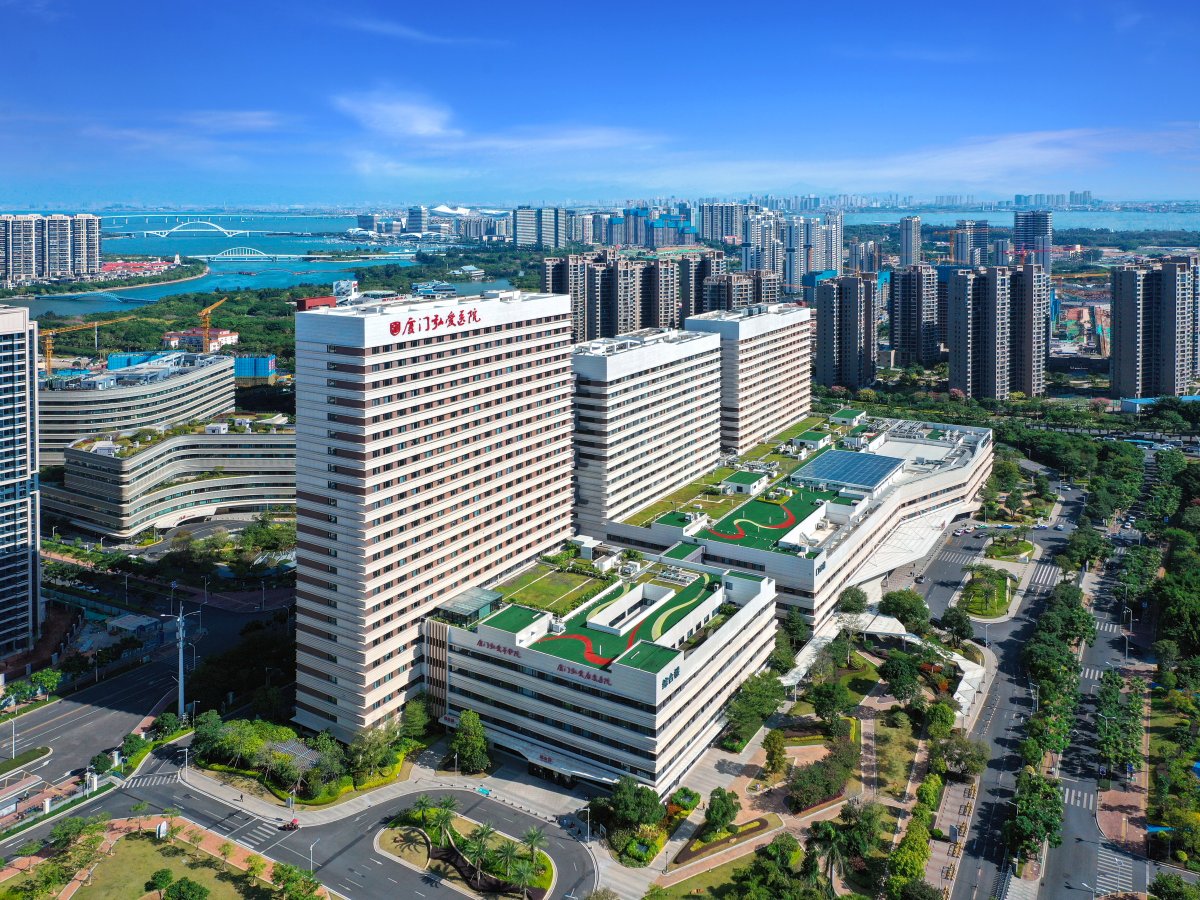
Hospital Xiamen Humanity
China, Xiamen

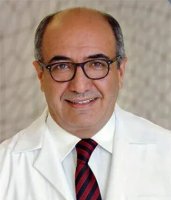
Revisado médicamente por
Kamil Yalcin Polat
La trasplantología en China suele costar entre $89,800 y $193,300. Los gastos finales dependen del órgano específico, el tipo de hospital y si el paciente es local o internacional. Los pacientes que buscan opciones quirúrgicas avanzadas en China a menudo pueden encontrar ahorros del 40-60% en comparación con los EE. UU.
Costos típicos de trasplantología en China
Los principales centros médicos para trasplantes se encuentran en Pekín, Shanghái y Tianjin. Si bien los hospitales públicos de tercer nivel en estos centros siguen tarifas de adquisición estandarizadas, los costos en las instalaciones privadas pueden variar. Consulte con un especialista para obtener precios precisos para su situación médica específica.
| China | España | Turquía | |
|---|---|---|---|
| Trasplante de riñón | ≈ $38,000 | ≈ $68,000 | de $16,000 |
| Trasplante de pulmón | ≈ $70,000 | ≈ $150,000 | ≈ $140,000 |
| Trasplante de hígado | ≈ $58,000 | de $150,000 | de $45,000 |
| Trasplante de córnea | ≈ $4,200 | de $8,400 | de $6,200 |
| Trasplante de corazón y pulmones | ≈ $150,000 | ≈ $185,000 | ≈ $150,000 |
Bookimed no añade cargos extra a los precios de los tratamientos de Trasplantología. Las tarifas proceden de las listas de precios oficiales de las clínicas. Pagará directamente en la clínica por su tratamiento a su llegada al país.
Bookimed está comprometido con su seguridad. Solo trabajamos con las clínicas que mantienen altos estándares internacionales en el tratamiento de Trasplantología y tienen las licencias necesarias para atender a pacientes internacionales en todo el mundo.
Bookimed ofrece asistencia experta gratuita. Un coordinador médico personal le apoya antes, durante y después del tratamiento, resolviendo cualquier problema. Nunca estará solo en su viaje médico de procedimientos de Trasplantología.


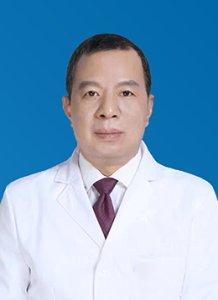
El profesor Fan Yu es médico jefe y director de trasplante renal. Su centro ocupó el primer lugar en Fujian durante tres años consecutivos en trasplantes de hígado y riñón. Su equipo realizó 112 trasplantes renales y un trasplante combinado hígado-riñón en dos años.
Se especializa en trasplante renal, complicaciones posrasplante y manejo de la inmunosupresión. Desarrolló un sistema para mejorar la supervivencia a largo plazo del injerto y del paciente.
Fue pionero en el diagnóst
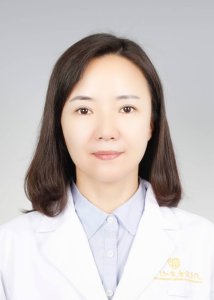
La profesora Liang Xiaoxiao es Directora del Departamento y Jefa de Servicio de Neurorrehabilitación. Cuenta con una maestría en neurología. Es experta en neuromodulación para trastornos de la conciencia, la cognición y el movimiento. Su labor se centra en casos de enfermedad cerebrovascular, enfermedad de Parkinson y afecciones relacionadas. También realiza inyecciones de toxina botulínica guiadas por ecografía para el blefaroespasmo, el espasmo hemifacial, la espasticidad de las extremidade

Escrito por Вероника Казина

Escrito por Ana Hurevska

Escrito por Veronika Kazina

Escrito por Ana Hurevska

Escrito por Kate Labetska
 Olena Sikoza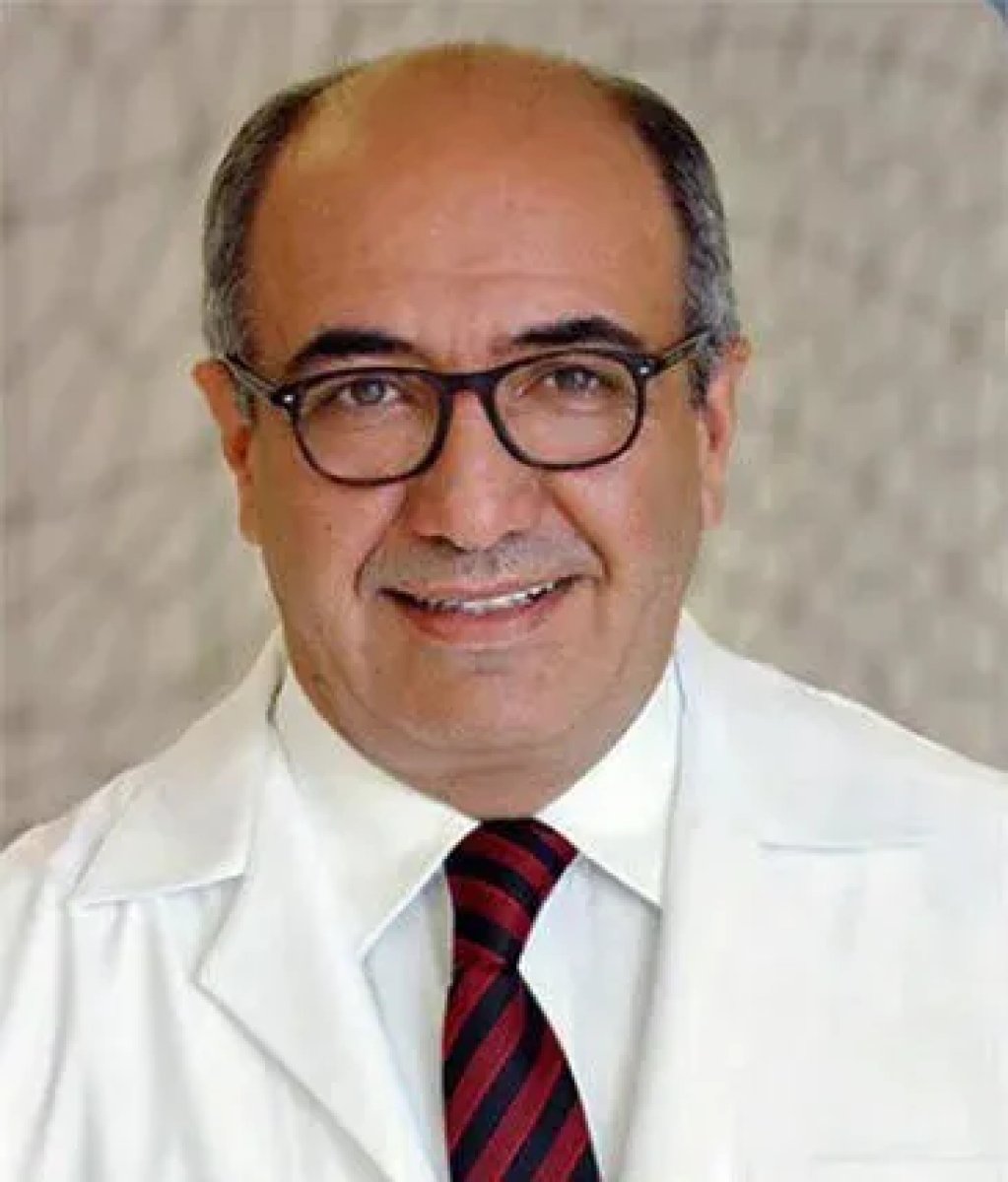
Los centros de trasplante chinos siguen las regulaciones de la Comisión Nacional de Salud (NHC) y el sistema de asignación COTRS. Las instituciones de alta calidad, como el Hospital de Hematología Lu Daopei, se adhieren a estrictos protocolos clínicos. La mayoría de los centros líderes cuentan con la categoría A de atención terciaria. Suelen utilizar estándares acreditados por ISQua para cumplir con los estándares internacionales de calidad.
Opinión de expertos de Bookimed: En China, los indicadores de calidad suelen estar vinculados al número de especialistas cualificados más que a características generales. El Hospital de Hematología Lu Daopei cuenta con médicos altamente cualificados, como el Dr. Liu Qifa. Estas instituciones especializadas suelen tener protocolos internos más rigurosos para casos complejos de trasplante que los hospitale
Los extranjeros pueden optar a un trasplante en China si cumplen los criterios clínicos y realizan un pago inicial considerable. Los factores principales para la selección del donante son la necesidad médica y la compatibilidad del grupo sanguíneo. Hospitales como el Hospital de Hematología Lu Daopei en Pekín se especializan en trasplantes complejos para pacientes internacionales procedentes de Europa y Asia.
Opinión de un experto de Bookimed: En los centros médicos de Pekín, la rapidez en la selección de donantes suele estar determinada por el volumen de procedimientos clínicos. El Hospital de Hematología Lu Daopei utiliza su infraestructura especializada para gestionar un gran volumen de trasplantes de órganos de pacientes internacionales. Esto significa que los centros con más departamentos y camas tie
En China, los pacientes trasplantados suelen permanecer hospitalizados entre 7 y 14 días. Este periodo incluye la monitorización intensiva y la fase inicial de recuperación. En casos estables de trasplante renal, la estancia suele ser más corta. Los casos complejos de trasplante hepático a menudo requieren una hospitalización completa de dos semanas para garantizar la seguridad del paciente.
Opinión de expertos de Bookimed: Los grandes centros médicos como el Hospital Humanitario de Xiamen atienden a 1.000.000 de pacientes al año, utilizando 1.000 camas. Este elevado volumen suele conllevar la optimización de los protocolos, lo que permite que la fisioterapia comience más rápidamente que en instituciones más pequeñas. Los flujos de trabajo eficientes en estos grandes hospitales multidisciplinarios contribuyen a reducir el riesgo de infecciones intrahospi
El plan de cuidados postoperatorios para pacientes trasplantados que regresan de China se basa en la integración inmediata a la práctica clínica local. Todos los historiales médicos y los resultados de las pruebas de imagen deben obtenerse en inglés antes de la partida. Programe una consulta con un especialista local dentro de los 7 días posteriores a su regreso. Los análisis de sangre periódicos y el control de los medicamentos inmunosupresores son vitales para la función y la seguridad del órgano a largo plazo.
Opinión de expertos de Bookimed: La coordinación es fundamental, ya que algunos centros especializados, como el Hospital de Hematología Lu Daopei, manejan un gran volumen de casos complejos. Los pacientes deben verificar si su
En el extranjero, el rechazo del trasplante se detecta mediante el control de la temperatura, el aumento repentino de peso o el edema. El diagnóstico clínico incluye análisis de sangre para medir la creatinina y el control de los niveles de tacrolimus. Para un tratamiento eficaz, es fundamental contactar de inmediato con el equipo de trasplante y con los servicios de urgencias locales. Centros especializados, como el Hospital de Hematología Lu Daopei, ofrecen apoyo experto en trasplantes.
Opinión de los expertos de Bookimed: Los pacientes con afecciones crónicas tras un trasplante deben usar kits de análisis caseros para medir los niveles de creatinina y tacrolimus. Estos
Pekín y Shanghái cuentan con la infraestructura de trasplantes más desarrollada de China. En Pekín se encuentran instituciones como el Hospital de Hematología Lu Daopei, que recibe pacientes internacionales de Europa y Asia. Sin embargo, el dominio del inglés entre el personal quirúrgico sigue siendo bajo. La mayoría de las clínicas requieren intérpretes profesionales para las consultas médicas.
Opinión de expertos de Bookimed: Los centros médicos profesionales de Pekín suelen atender a un gran volumen de pacientes. El Hospital de Hematología Lu Daopei destaca por su especialización en trasplantes. La alta rotación de pacientes suele ser señal de protocolos clínicos muy eficaces. Esta eficiencia a menudo compensa las deficiencias de comunicación comunes en las instituciones públicas.
Opinión de los pacientes:
Los extranjeros que viajan a China para someterse a un trasplante de órganos necesitan un pasaporte con una validez mínima de seis meses y una visa médica. Deben obtener la documentación necesaria entre 10 y 12 semanas antes de la fecha prevista para el trasplante. Para el ingreso hospitalario, se requieren traducciones juradas de los documentos médicos al mandarín y certificados de ausencia de enfermedades infecciosas.
Opinión de un experto de Bookimed: La rapidez de la coordinación suele depender de las capacidades administrativas específicas de cada hospital. Por ejemplo, el Hospital Humanitario de Xiamen atiende a más de 1.000.000 de pacientes al año en 47 departamentos. Este elevado volumen de trabajo implica que sus departamentos internacionales utilic