Trasplantología en Alemania: las 22 mejores clínicas con opiniones de pacientes

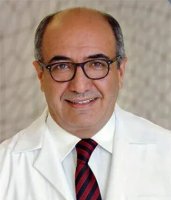
Revisado médicamente por
Kamil Yalcin Polat
¿Cuál es el precio de procedimientos de Trasplantología en Alemania? Descubra ahora
La trasplantología en Alemania suele costar desde $184,000 hasta $287,500 para pacientes internacionales. Los precios dependen en gran medida del órgano específico, la complejidad del proceso de compatibilidad del donante y la duración de los cuidados intensivos postoperatorios. Elegir Alemania para estos procedimientos ofrece un ahorro aproximado del 45-70% en comparación con los Estados Unidos.
Costes típicos de trasplantología en Alemania
- Revisión de resultados de resonancia magnética: de $340
- Trasplante de riñón: de $85,000
- Trasplante de hígado: de $180,000
- Trasplante de córnea: de $6,800
- Trasplante de pulmón: $190,000 – $265,000
- Trasplante de corazón: $130,000 – $190,000
- Trasplante de corazón y pulmones: $230,000 – $310,000
Los principales centros de trasplantes se encuentran en Múnich, Berlín, Heidelberg y Essen. Aunque los precios están estrictamente regulados por el gobierno, los hospitales universitarios en centros más grandes como Múnich pueden tener diferentes tasas administrativas. Consulte con un especialista para obtener precios precisos para sus necesidades médicas específicas.
| Alemania | España | Turquía | |
|---|---|---|---|
| Trasplante de riñón | de $85,000 | ≈ $68,000 | de $16,000 |
| Trasplante de pulmón | ≈ $190,000 | ≈ $150,000 | ≈ $140,000 |
| Trasplante de hígado | de $180,000 | de $150,000 | de $45,000 |
| Trasplante de córnea | de $6,800 | de $8,400 | de $6,000 |
| Trasplante de corazón y pulmones | ≈ $230,000 | ≈ $185,000 | ≈ $150,000 |
Sus beneficios y garantías con Bookimed
Precios directos
Bookimed no añade cargos extra a los precios de los tratamientos de Trasplantología. Las tarifas proceden de las listas de precios oficiales de las clínicas. Pagará directamente en la clínica por su tratamiento a su llegada al país.
Sólo clínicas y médicos verificados
Bookimed está comprometido con su seguridad. Solo trabajamos con las clínicas que mantienen altos estándares internacionales en el tratamiento de Trasplantología y tienen las licencias necesarias para atender a pacientes internacionales en todo el mundo.
Asistencia 24/7 gratuita
Bookimed ofrece asistencia experta gratuita. Un coordinador médico personal le apoya antes, durante y después del tratamiento, resolviendo cualquier problema. Nunca estará solo en su viaje médico de procedimientos de Trasplantología.

Su coordinador médico personal de Bookimed
- Le apoya en cada etapa
- Ayuda a elegir la clínica y el médico adecuados
- Asegura un acceso rápido y conveniente a la información
Descubra las mejores clínicas de Trasplantología en Alemania: 22 opciones verificadas y Precios




Hospital Havelhoehe



Kerckhoff clinic



Hannover Medical School

Heart Center Dresden University Hospital
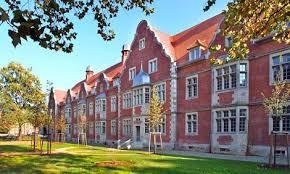
Evangelische Lunge Clinic

Ev.Clinic Hubertus
Los mejores centros médicos de Trasplantología en Alemania
- Medical Center in Solingen, Alemania
- Nordwest Hospital, Alemania
- Hospital Havelhoehe, Alemania
- Charité, Alemania
- Kerckhoff clinic, Alemania
- Medical Center Rechts der Isar , Alemania
- Hannover Medical School, Alemania
- Heart Center Dresden University Hospital, Alemania
- Evangelische Lunge Clinic, Alemania
- Ev.Clinic Hubertus, Alemania
Obtenga una evaluación médica para en Alemania: Elija su especialista entre los mejores en el campo
Ver todos los médicos
Johann Pratschke
El Prof. Dr. Johann Pratschke se especializa en cirugías de trasplante laparoscópicas complejas en Charité – Universitätsmedizin Berlin, con más de 20 años de experiencia en el campo.
- Miembro fundador del Basic Science Committee y del consejo asesor científico
- Recibió numerosos premios por sus contribuciones a la trasplantología
- Publicó extensas investigaciones sobre técnicas quirúrgicas avanzadas
- Experto en procedimientos mínimamente invasivos para pacientes de trasplante

Kurt Miller
El Dr. Kurt Miller es el jefe de urología en Charité Berlín. Trata el cáncer de próstata, vejiga y testículo. El Dr. Miller trata la hiperplasia prostática benigna (HPB) y realiza prostatectomías y procedimientos de RTUP. Trabaja en uno de los hospitales universitarios más grandes de Europa.
Charité Berlín figura entre los mejores hospitales según Newsweek. La clínica cuenta con la acreditación de la Sociedad Alemana del Cáncer y atiende a más de 800.000 pacientes al año. El centro pose

Walter Zidek
El Prof. Dr. Walter Zidek se especializa en el cuidado posterior al trasplante de riñón y enfermedades metabólicas en Charité – Universitätsmedizin Berlin, uno de los hospitales universitarios líderes en Europa.
- Más de 26 años de experiencia en nefrología y trasplantología
- Experto en el manejo de complicaciones post-trasplante de riñón
- Miembro de la junta de la Sociedad Médica de Berlín desde el año 2000
- Ha publicado extensamente en revistas revisadas por pares

Sebastian Melchior
El Prof. Sebastian Melchior es un destacado urólogo en Alemania, reconocido por la revista Focus. Se especializa en cirugía robótica y cuenta con más de 20 años de experiencia en cirugía tumoral.
- Jefe de Urología y Nefrología de la Clínica Bremen-Mitte
- Formado en Harvard y en la Universidad de Washington
- Autor de 10 publicaciones científicas sobre tumores genitourinarios
- Ofrece consultas tanto presenciales como remotas
Artículos relacionados
Ver más
Milagro indio para marinero ucraniano
Escrito por Вероника Казина

El costo asequible de la cirugía de trasplante de riñón: dónde encontrarlo y cómo obtenerlo
Escrito por Ana Hurevska

Historia de éxito de trasplante de hígado: la primera cirugía del mundo para un niño de 5 días
Escrito por Veronika Kazina

Los 5 mejores hospitales de trasplante de riñón en el mundo
Escrito por Ana Hurevska

¿Cuánto cuesta el trasplante de hígado?
Escrito por Kate Labetska
Compartir contenido
Historias en video de pacientes de Bookimed
 Olena Sikoza
Preguntas frecuentes sobre Trasplantología en Alemania
¿Cómo pueden los pacientes internacionales entrar en la lista de espera para trasplantes en Alemania?
Los pacientes internacionales pueden acceder a las listas de espera de trasplantes alemanas estableciendo una residencia legal a largo plazo y obteniendo un seguro médico público alemán. El registro se realiza a través de un centro de trasplantes especializado, que introduce los datos del paciente en la base de datos de Eurotransplant. Son obligatorias evaluaciones estrictas de necesidad médica y evaluaciones psicológicas para todos los candidatos.
- Requisito de residencia: Los candidatos deben proporcionar prueba de registro de residencia a largo plazo (Melderegister) en Alemania.
- Estado del seguro: La mayoría de los centros requieren un seguro médico legal alemán para ser elegible en la lista de espera.
- Evaluación médica: Los pacientes se someten a pruebas intensivas, incluida la tipificación HLA, para determinar la compatibilidad de tejidos y la urgencia.
- Sistema de asignación: Los órganos se distribuyen a través de Eurotransplant según el grupo sanguíneo y puntos médicos.
Perspectiva de expertos de Bookimed: Aunque los grandes hospitales universitarios como Charité - Universitätsmedizin Berlin realizan más de 845,000 interacciones con pacientes anualmente, a menudo dan menor prioridad a las solicitudes internacionales para trasplantes de órganos debido a la alta demanda local. Los pacientes con donantes vivos encuentran una colocació
¿Cuáles son los tiempos de espera típicos para un trasplante de riñón en Alemania?
Los tiempos de espera típicos para un trasplante de riñón de un donante fallecido en Alemania oscilan entre 6 y 8 años. Los niños suelen esperar alrededor de 1,7 años. Los pacientes mayores de 65 años pueden recibir un trasplante en menos de 4 años a través de programas de compatibilidad especializados. Las donaciones en vida pueden reducir este plazo a menos de 1 año.
- Prioridad pediátrica: Los niños menores de 18 años suelen tener una espera media de 1,7 años.
- Programas para personas mayores: Los pacientes mayores de 65 años experimentan esperas más cortas a través del Programa Senior de Eurotransplant.
- Donación en vida: Recibir un riñón de un donante vivo puede tomar menos de 12 meses.
- Grupo sanguíneo: Los pacientes con grupo sanguíneo AB a menudo experimentan los períodos de espera más cortos.
Perspectiva del experto de Bookimed: Los hospitales universitarios alemanes como Charité Berlin manejan volúmenes masivos de pacientes, pero a menudo priorizan los casos nacionales para las listas de donantes fallecidos. Los pacientes internacionales deben centrarse en las opciones de donantes vivos. Esta ruta evita la cola nacional de 8 años y utiliza técnicas laparoscópicas avanzadas disponibles en centros especializados. Trabajar con redes de alto volumen como Asklepios puede acelerar la fase de diagnóstico inicial, incluida la tipificación
¿Cuáles son las tasas de supervivencia a 5 años después de un trasplante de hígado en Alemania?
La tasa de supervivencia a 5 años para pacientes con trasplante de hígado en Alemania oscila entre el 73 % y más del 80 %. Los resultados dependen del diagnóstico primario y de la edad del paciente. El éxito sigue siendo alto debido a las estrictas regulaciones que exigen que los centros realicen al menos 20 trasplantes al año.
- Éxito por diagnóstico: Las enfermedades hepáticas colestásicas muestran tasas de supervivencia a 5 años superiores al 90 %.
- Resultados en cirrosis: Los pacientes con cirrosis alcohólica mantienen una tasa de supervivencia de aproximadamente el 83,7 %.
- Pronóstico de malignidad: La supervivencia para el carcinoma hepatocelular es de alrededor del 66,7 % debido a los riesgos de recurrencia.
- Requisitos de los centros: Las regulaciones alemanas exigen más de 20 procedimientos anuales para mantener una alta calidad quirúrgica.
Bookimed Expert Insight: Los datos de los principales centros alemanes, como la Charité - Universitätsmedizin Berlin, muestran que un alto volumen de pacientes se correlaciona directamente con una mayor seguridad. La Charité atiende a más de 845.000 pacientes al año y utiliza tecnologías avanzadas como la cirugía robótica y la IA. Las clínicas con estos recursos a menudo brindan una mejor gestión a largo plazo para casos complejos, como el cuidado posterior al trasplante y el monitoreo metabólico
¿Es posible el trasplante de donante vivo para extranjeros en Alemania?
El trasplante de donante vivo en Alemania es posible para extranjeros, pero requiere una relación personal cercana y documentada entre el donante y el receptor. La ley alemana limita estos procedimientos a familiares de primer grado, cónyuges o prometidos. Los candidatos deben someterse a una evaluación por parte de una comisión independiente para verificar la naturaleza voluntaria de la donación.
- Prueba de relación: Los donantes deben ser padres, hermanos, hijos o personas con vínculos emocionales demostrados.
- Aprobación ética: Una Comisión de Donantes Vivos independiente debe entrevistar a ambas partes antes de la cirugía.
- Pruebas médicas: Ambos participantes se someten a tipificación HLA y evaluaciones psicológicas para garantizar la seguridad.
- Cobertura de costos: Los trasplantes de riñón generalmente oscilan entre de $85,000 para pacientes internacionales.
Perspectiva de expertos de Bookimed: Aunque la compatibilidad médica es vital, la preparación administrativa a menudo determina el éxito en los centros de trasplante alemanes. Instalaciones como Charité - Universitätsmedizin Berlin gestionan más de 800.000 pacientes al año y priorizan los casos con documentación legal clara. Las parejas internacionales exitosas suelen llegar con un historial de residencia traducido previamente y registros de relación ve
¿Qué centros de trasplante en Alemania son más conocidos para pacientes internacionales?
Alemania alberga centros de trasplante de élite como el Hospital Asklepios Barmbek y la Charité - Universitätsmedizin Berlin. Estas instalaciones se especializan en trasplantes de riñón, hígado y córnea. Muchas cuentan con certificaciones JCI o ISO. Proporcionan apoyo dedicado para casos internacionales para garantizar altas tasas de supervivencia y una logística fluida.
- Credenciales de la clínica: Asklepios Barmbek está clasificado como el mejor para pacientes extranjeros por la MTQUA.
- Niveles de experiencia: El Dr. Johann Pratschke en la Charité tiene más de 20 años de experiencia en cirugía de trasplante compleja.
- Marcadores de éxito: Centros como la Clínica Nordwest utilizan ultrasonido 3D para una planificación quirúrgica precisa.
- Apoyo al paciente: Muchas instalaciones ofrecen servicios multilingües y oficinas internacionales para ayuda administrativa.
Perspectiva del experto de Bookimed: Aunque la Charité - Universitätsmedizin Berlin es mundialmente famosa, a menudo tiene largos tiempos de procesamiento para solicitudes internacionales. Nuestros datos muestran que el Hospital Asklepios Barmbek procesa frecuentemente las solicitudes internacionales más rápido. Gestiona más de 80,000 pacientes al año y posee una certificación específica por excelencia en turismo médico.
Consenso de los pacientes: Los pacient
¿Qué hospitales en Alemania tienen las calificaciones más altas en neurocirugía?
Alemania alberga algunos de los departamentos de neurocirugía más prestigiosos del mundo, liderados por la Charité – Universitätsmedizin Berlin y el Hospital Universitario de Heidelberg. Estos centros destacan en el tratamiento de tumores cerebrales complejos y enfermedades cerebrovasculares. Para maximizar la eficacia de sus procedimientos, utilizan tecnologías de vanguardia como la resonancia magnética intraoperatoria y la neuronavegación asistida por computadora.
- Charité Berlín: Realiza más de 5000 cirugías al año. La clínica está dirigida por el reconocido neurocirujano Dr. Peter Vaikoczy.
- Centro Médico Solingen: El Dr. Ralf Buhl ha realizado más de 4.000 cirugías, incluidas cirugías de columna mínimamente invasivas.
- Clínica Asklepios Nord: equipada con el único sistema de resonancia magnética intraoperatoria bilateral de Alemania para garantizar precisión quirúrgica en tiempo real durante la extirpación del tumor.
- Clínica Nordwest: reconocida por la revista Newsweek como un hospital líder por su innovación en tecnología de ultrasonido 3D.
Opinión experta de Bookimed: Los datos muestran que elegir centros con un alto volumen quirúrgico suele llevar a recomendaciones de tratamiento más conservadoras. En el Centro Médico Solingen, que atiende a más de 60.000 pacientes al año, los cirujanos suelen sugerir fisioterapia en lugar de cirugía
¿Cuáles son las tasas de éxito de los procedimientos neuroquirúrgicos complejos en Alemania?
En Alemania, los procedimientos neuroquirúrgicos de alta complejidad demuestran una seguridad excepcional. Las tasas de éxito en las fusiones espinales alcanzan el 99 %. La tasa de supervivencia en las resecciones de tumores cerebrales primarios es del 97 %. La independencia funcional es alta. Más del 82 % de los pacientes reciben el alta inmediatamente después del tratamiento. Los centros alemanes priorizan la preservación de la función neurológica mediante técnicas modernas de mapeo.
- Resección de tumores: los cirujanos logran una resección tumoral completa en el 87,2% de los casos de metástasis cerebrales.
- Éxito en el tratamiento de enfermedades vasculares: los hospitales alemanes informan de una tasa de supervivencia del 98,7% para aneurismas no rotos.
- Mejora del estado neurológico: casi el 43% de los pacientes experimentan una mejora de los parámetros funcionales después de resecciones complejas.
- Seguridad de las intervenciones quirúrgicas: En grandes centros quirúrgicos, las tasas de supervivencia de los pacientes después de la cirugía de columna son del 98-99%.
Opinión experta de Bookimed: Cirujanos experimentados como el Dr. Uwe Köhler, de la Clínica Asklepios Altona, realizan más de 2000 cirugías al año. Los datos muestran que estos especialistas mantienen tasas de éxito de hasta el 90 %, incluso en los tumores cerebrales más comp
¿Qué tecnologías avanzadas suelen estar disponibles en las clínicas neuroquirúrgicas alemanas?
Las clínicas neuroquirúrgicas alemanas incorporan regularmente instrumentos digitales de alta precisión y visualización en tiempo real a la práctica quirúrgica. Entre las tecnologías clave se encuentra la neuronavegación computarizada para cirugías de cerebro y médula espinal. Instituciones como la Clínica Asklepios Nord utilizan la resonancia magnética intraoperatoria para verificar la extirpación de tumores en tiempo real. Estos sistemas proporcionan a los cirujanos navegación GPS 3D.
- Neuronavegación: proporciona visualización 3D y seguimiento de instrumentos en tiempo real para lograr precisión quirúrgica hasta el nivel submilimétrico.
- Imágenes intraoperatorias: sistemas como iMRI y O-arm CT permiten la confirmación inmediata de una resección exitosa.
- Neuromonitorización: Monitorea las funciones motoras y sensoriales durante la cirugía para proteger el sistema nervioso.
- Diagnóstico de fluorescencia: se utiliza el colorante 5-ALA para resaltar los bordes del tumor para una eliminación más completa.
- Asistencia robótica: Sistemas como el Da Vinci mejoran la precisión en procedimientos complejos y mínimamente invasivos.
Opinión experta de Bookimed: Grandes centros como la Charité – Universitätsmedizin de Berlín realizan más de 4000 procedimientos neuroquirúrgicos al año, lo que crea un entorno rico en datos para p
¿Qué formación especializada reciben los neurocirujanos en ejercicio en Alemania?
En Alemania, los neurocirujanos deben completar una residencia especializada de seis años tras graduarse de la facultad de medicina. Este programa estructurado incluye cuidados intensivos, práctica clínica y una revista quirúrgica obligatoria. Posteriormente, los candidatos aprueban un examen estatal para obtener el título de residente (Facharzt für Neurochirurgie).
- Residencia clínica: requiere de 48 a 72 meses de práctica neuroquirúrgica especializada.
- Cuidados intensivos: incluye una pasantía obligatoria de 6 meses en una unidad de cuidados intensivos neuroquirúrgicos.
- Revista quirúrgica: los cirujanos documentan cientos de cirugías, incluidas craneotomías y cirugías de columna.
- Examen de licencia: Los solicitantes deben aprobar un examen médico oral y práctico administrado por el estado.
Opinión experta de Bookimed: La formación neuroquirúrgica alemana se centra en una amplia experiencia quirúrgica. Por ejemplo, el Dr. Ralf Buhl, del Centro Médico Solingen, ha realizado más de 4000 cirugías. El Dr. Jürgen Kiwit, del Hospital Meoklinik, cuenta con más de 25 años de experiencia. Este riguroso sistema garantiza que los especialistas de los principales centros aborden casos complejos con una precisión demostrada.
Comentarios de los pacientes: Los pacientes se sienten seguros al saber que sus médicos han recibido año
¿Qué requisitos de idioma y de licencia se exigen a los cirujanos extranjeros que deseen formarse u observar procedimientos neuroquirúrgicos en Alemania?
Los neurocirujanos extranjeros deben cumplir estrictos requisitos de idioma y licencia para realizar formación o prácticas en Alemania. La formación requiere una licencia médica válida o un permiso temporal. Los internos deben obtener la autorización de un hospital específico. Ambas opciones requieren un alto nivel de alemán para participar en debates clínicos y realizar procedimientos quirúrgicos complejos con seguridad.
- Conocimientos de idiomas: Para la formación clínica se requiere un nivel general de alemán B2 y un nivel de lenguaje médico C1 (Fachsprachprüfung).
- Licencia clínica: Los cirujanos necesitan un permiso para la práctica permanente (Approbation) o un permiso profesional (Berufserlaubnis) para prácticas supervisadas temporales.
- Estado de observación: La hospitalización permite la observación de procedimientos quirúrgicos sin responsabilidad médica ni licencia formal.
- Evaluación de la cualificación: Los graduados médicos no pertenecientes a la UE a menudo tienen que pasar por un proceso de validación del diploma en un plazo de 3 a 6 meses.
Opinión experta de Bookimed: Las clínicas alemanas con un alto volumen de pacientes, como Nordwest Clinic o Asklepios Nord, suelen priorizar a los candidatos que ya han pasado una evaluación preliminar de la documentación. Nuestros datos muestran que profesores como el Dr. Uwe Köhler y el D