Trasplantología en Lituania — Costos 2026

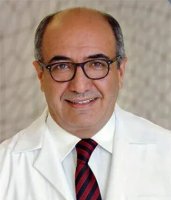
Revisado médicamente por
Kamil Yalcin Polat
¿Cuál es el precio de procedimientos de Trasplantología en Lituania? Descubra ahora
| España | Turquía | |
|---|---|---|
| Trasplante de riñón | ≈ $68,000 | de $16,000 |
| Trasplante de pulmón | ≈ $300,000 | ≈ $140,000 |
| Trasplante de hígado | de $150,000 | de $45,000 |
| Trasplante de córnea | de $10,100 | de $6,000 |
| Trasplante de corazón y pulmones | ≈ $185,000 | ≈ $150,000 |
Sus beneficios y garantías con Bookimed
Precios directos
Bookimed no añade cargos extra a los precios de los tratamientos de Trasplantología. Las tarifas proceden de las listas de precios oficiales de las clínicas. Pagará directamente en la clínica por su tratamiento a su llegada al país.
Sólo clínicas y médicos verificados
Bookimed está comprometido con su seguridad. Solo trabajamos con las clínicas que mantienen altos estándares internacionales en el tratamiento de Trasplantología y tienen las licencias necesarias para atender a pacientes internacionales en todo el mundo.
Asistencia 24/7 gratuita
Bookimed ofrece asistencia experta gratuita. Un coordinador médico personal le apoya antes, durante y después del tratamiento, resolviendo cualquier problema. Nunca estará solo en su viaje médico de procedimientos de Trasplantología.

Su coordinador médico personal de Bookimed
- Le apoya en cada etapa
- Ayuda a elegir la clínica y el médico adecuados
- Asegura un acceso rápido y conveniente a la información
Descubra las mejores clínicas de Trasplantología en Lituania: 1 opciones verificadas y Precios



Artículos relacionados
Ver más
Milagro indio para marinero ucraniano
Escrito por Вероника Казина

El costo asequible de la cirugía de trasplante de riñón: dónde encontrarlo y cómo obtenerlo
Escrito por Ana Hurevska

Historia de éxito de trasplante de hígado: la primera cirugía del mundo para un niño de 5 días
Escrito por Veronika Kazina

Los 5 mejores hospitales de trasplante de riñón en el mundo
Escrito por Ana Hurevska

¿Cuánto cuesta el trasplante de hígado?
Escrito por Kate Labetska
Compartir contenido
Historias en video de pacientes de Bookimed
 Olena Sikoza
Preguntas frecuentes sobre Trasplantología en Lituania
¿Dónde se realizan los procedimientos de trasplante en Lituania?
Los procedimientos de trasplante en Lituania se realizan principalmente en Vilna y Kaunas. Los hospitales universitarios públicos manejan los trasplantes de órganos importantes como riñones, corazones e hígados. Los centros privados especializados, como el Medical Diagnostic and Treatment Center, se centran en el apoyo diagnóstico y la rehabilitación para pacientes trasplantados.
- Centro principal de trasplantes: El Hospital Universitario de Vilna Santaros Klinikos gestiona la mayoría de los trasplantes de órganos sólidos.
- Atención especializada: Las Clínicas de Kaunas realizan trasplantes de córnea y procedimientos de médula ósea.
- Cirugía pediátrica: El Hospital Infantil de la Universidad de Vilna maneja todos los casos especializados de trasplante pediátrico.
- Diagnóstico privado: El Medical Diagnostic and Treatment Center ofrece exámenes preoperatorios y servicios de recuperación.
Perspectiva del experto de Bookimed: Los datos muestran una clara distinción entre los sectores público y privado en Lituania. Mientras que los hospitales públicos poseen licencias exclusivas para órganos importantes, las clínicas privadas como el Medical Diagnostic and Treatment Center atienden a 60.000 pacientes al año con diagnósticos acreditados por la JCI. Este sistema de dos niveles permite a los pacientes combinar exámenes privados eficientes con la ex
¿Qué órganos se trasplantan con mayor frecuencia?
El riñón es el órgano que se trasplanta con mayor frecuencia a nivel mundial. Representa casi el 65% de todos los procedimientos de órganos sólidos. El hígado ocupa el segundo lugar en frecuencia. A estas cirugías le siguen los trasplantes de corazón, pulmones y páncreas. Las córneas también se trasplantan con frecuencia en todo el mundo.
- Órganos principales: Los riñones y los hígados son los trasplantes más frecuentes en Lituania.
- Volumen global: Aproximadamente el 80% de todos los trasplantes de órganos sólidos en todo el mundo son riñones.
- Procedimientos combinados: Los trasplantes de páncreas a menudo se combinan con los de riñón para pacientes diabéticos.
- Capacidad regional: Los centros lituanos realizan aproximadamente 200 trasplantes de riñón cada año.
Perspectiva del experto de Bookimed: Los datos de las principales instalaciones de Vilna, como el Medical Diagnostic and Treatment Center, muestran una gran afluencia de pacientes internacionales. Aunque manejan 48,000 casos anuales, la concentración de especialistas multidisciplinarios sugiere una infraestructura sólida para el monitoreo complejo postrasplante y los seguimientos diagnósticos.
Consenso de los pacientes: Los pacientes señalan que los trasplantes de hígado suelen ser más rápidos en Lituania. Muchos recomiendan utilizar donantes vivos para los
¿Cuánto duran las listas de espera?
Las listas de espera para trasplantes de órganos en Lituania suelen oscilar entre 2 y 5 años. Los trasplantes de riñón suelen sufrir las demoras más largas debido a la escasez regional de donantes. Contar con un donante vivo puede evitar por completo las listas públicas. Esto reduce el tiempo de espera a solo unas pocas semanas.
- Trasplantes de riñón: Los pacientes suelen esperar de 2 a 5 años para encontrar un donante fallecido compatible.
- Donantes vivos: El uso de un donante familiar reduce el cronograma quirúrgico a varias semanas.
- Disponibilidad de donantes: La escasez crónica en la región báltica prolonga directamente los tiempos de espera nacionales.
- Capacidad clínica: El Medical Diagnostic and Treatment Center atiende a 48.000 pacientes al año en Vilna.
Opinión de expertos de Bookimed: Los datos del Medical Diagnostic and Treatment Center muestran que el 10% de los pacientes son internacionales. Las clínicas de alto volumen con acreditación JCI a menudo tienen protocolos de diagnóstico más optimizados. Esta eficiencia ayuda a los pacientes a completar las pruebas necesarias antes del trasplante más rápido que en instalaciones regionales más pequeñas.
Consenso de los pacientes: Los pacientes señalan que los tiempos de espera oficiales suelen ser difíciles de confirmar directamente. Muchos enfatizan que encon
¿Cuáles son las tasas de éxito de los trasplantes en Lituania?
Lituania reporta tasas de éxito en trasplantes de órganos comparables a las de los principales centros médicos europeos. Los trasplantes de riñón logran una tasa de supervivencia del paciente al año del 97%. Los trasplantes de médula ósea para la leucemia mieloide aguda pediátrica muestran una tasa de supervivencia a 5 años del 76,5%. Estos resultados reflejan los altos estándares en las instalaciones de Vilna y Kaunas.
- Supervivencia renal: La supervivencia del injerto al año alcanza el 93% para trasplantes de donante vivo.
- Resultados hepáticos: La supervivencia al año es del 81% para receptores adultos.
- Trasplantes de corazón: La tasa de supervivencia a 5 años es del 58% para pacientes adultos.
- Éxito de células madre: Las tasas de recaída pediátrica por leucemia han disminuido al 6,7%.
- Restauración capilar: La supervivencia técnica del injerto oscila entre el 90% y el 98% en las clínicas.
Opinión del experto de Bookimed: Las señales de calidad en Lituania a menudo provienen de instalaciones con múltiples acreditaciones, como el Medical Diagnostic and Treatment Center. Esta clínica posee tanto la acreditación JCI como la de Temos International Healthcare. Tal doble certificación es rara. Confirma que 1 de cada 10 pacientes que viajan desde el extranjero recibe atención global estandarizada.
Conse
¿Cuáles son los requisitos legales y éticos para la donación?
La donación en Lituania sigue estrictos requisitos legales centrados en el consentimiento informado y la certificación de muerte cerebral. La ley actual exige un registro escrito explícito en el registro nacional de donantes. Los equipos médicos deben declarar formalmente la muerte cerebral. Utilizan pruebas clínicas estandarizadas antes de que comience cualquier proceso de recuperación.
- Modelo de consentimiento: Lituania utiliza un sistema de consentimiento explícito (opt-in) que requiere un registro activo.
- Documentación legal: El consentimiento válido incluye formularios firmados o entradas oficiales en el registro.
- Criterios médicos: Los médicos deben confirmar la muerte cerebral mediante protocolos clínicos rigurosos.
- Supervisión ética: Los coordinadores verifican que ninguna coacción financiera haya influido en la donación.
Perspectiva del experto de Bookimed: Los datos muestran que centros como el Medical Diagnostic and Treatment Center en Vilna mantienen altas calificaciones al centrarse en la transparencia para los pacientes internacionales. Aunque se especializan en diagnósticos, su acreditación JCI confirma que cumplen con los estándares éticos globales para la seguridad del paciente y el consentimiento. Esto es vital al navegar por marcos legales complejos en la atención médica europea.
Consenso de los pacient
¿Quién puede ser donante vivo en Lituania?
Los donantes vivos en Lituania deben ser adultos legalmente capaces con un vínculo familiar o emocional confirmado con el receptor. Los donantes elegibles incluyen cónyuges, padres, hermanos, hijos, tías o tíos. La donación debe ser voluntaria, no comercial y verificada por la Oficina Nacional de Trasplantes.
- Estado de la relación: Pueden donar los cónyuges o los parientes consanguíneos hasta el segundo grado.
- Requisito de edad: Los donantes deben tener al menos 18 años y ser legalmente capaces.
- Salud médica: Los candidatos no deben padecer enfermedades crónicas como diabetes o cáncer activo.
- Donación en vida: La donación de riñón es el procedimiento principal permitido para los donantes de órganos vivos.
Opinión del experto de Bookimed: Los estándares de calidad y seguridad en las clínicas de Vilna son verificados por organismos internacionales como JCI y Temos. El Centro de Diagnóstico y Tratamiento Médico atiende a más de 60.000 pacientes al año con 53 departamentos especializados. Este alto volumen de pacientes a menudo conduce a un cribado diagnóstico más eficiente para los posibles donantes.
Consenso de los pacientes: Los pacientes enfatizan que la coincidencia de IMC y grupo sanguíneo son los mayores obstáculos durante el cribado. Aquellos provenientes de la UE encuentran el proceso más fluido debido a los
¿Influye la edad en la donación de órganos?
La edad no descalifica a los pacientes para la donación de órganos en Lituania. Los profesionales médicos priorizan la salud fisiológica sobre los años cronológicos. Los cirujanos evalúan la función de los órganos caso por caso en el momento de la donación. Tanto los donantes vivos como los fallecidos mayores de 70 años a menudo proporcionan órganos viables.
- Donación tras el fallecimiento: No existe un límite de edad superior para donar órganos después de la muerte.
- Donación en vida: Los donantes deben tener al menos 18 años para dar su consentimiento.
- Salud fisiológica: Los médicos se centran en la aptitud física general y el estado de los órganos en lugar de las fechas de nacimiento.
- Donación de tejidos: Las córneas y otros tejidos han sido donados con éxito por pacientes mayores de 80 años.
Perspectiva de expertos de Bookimed: Los datos de los principales centros lituanos, como el Medical Diagnostic and Treatment Center, muestran un enfoque en el diagnóstico rápido. Esta velocidad es vital para los donantes de mayor edad. Un cribado eficiente ayuda a los cirujanos a confirmar rápidamente la viabilidad de los órganos. Este proceso es esencial, ya que Lituania gestiona anualmente a más de 200 pacientes en listas de espera para trasplantes.
Consenso de los pacientes: Los pacientes señalan que los hábitos de salud