Ir a inicio
820К+ pacientes han recibido asistencia desde 2014
50 países
1,500 clínicas
6K+ reseñas
3K+ médicos calificados

¿Cuál es el precio de procedimientos de Trasplantología en Ucrania? Descubra ahora

Transplantology in Ukraine typically costs from $102,900 to $230,000. Total expenses depend on the specific organ, necessary donor matching, and the length of post-operative hospital care. International patients often find 60-90% savings compared to the US while receiving treatment at major medical centers.

Typical Transplantology Costs in Ukraine

  • Consultation with creation of treatment plan: $27 – $100
  • Revision of MRI results: $100 – $100
  • Kidney transplant: $25,000 – $45,000
  • Liver transplant: $60,000 – $85,000
  • Corneal transplant: $2,800 – $4,500
  • Lung transplant: $130,000 – $210,000
  • Heart transplant: $100,000 – $150,000
  • Heart and lungs transplant: $150,000 – $250,000

Most transplant procedures are performed in Kyiv and Lviv. While prices across major centers remain relatively consistent, availability varies based on donor matching requirements. Consult with a transplant specialist to get accurate pricing and legal guidance for your specific situation.

UcraniaEspañaTurquía
Trasplante de riñónde $25,000de $80,000de $18,000
Trasplante de pulmónde $130,000de $300,000de $180,000
Trasplante de hígadode $60,000de $120,000de $45,000
Trasplante de córneade $2,800de $12,546de $3,500
Trasplante de corazón y pulmonesde $150,000de $600,000de $250,000
Datos verificados por Bookimed a partir de June 2026, basados en solicitudes de pacientes y cotizaciones oficiales de 10 clínicas en todo el mundo. Los costos medianos se basan en facturas reales (2025–2026) y se actualizan mensualmente. Los precios reales pueden variar.

Sus beneficios y garantías con Bookimed

Precios directos

Bookimed no añade cargos extra a los precios de los tratamientos de Trasplantología. Las tarifas proceden de las listas de precios oficiales de las clínicas. Pagará directamente en la clínica por su tratamiento a su llegada al país.

Sólo clínicas y médicos verificados

Bookimed está comprometido con su seguridad. Solo trabajamos con las clínicas que mantienen altos estándares internacionales en el tratamiento de Trasplantología y tienen las licencias necesarias para atender a pacientes internacionales en todo el mundo.

Asistencia 24/7 gratuita

Bookimed ofrece asistencia experta gratuita. Un coordinador médico personal le apoya antes, durante y después del tratamiento, resolviendo cualquier problema. Nunca estará solo en su viaje médico de procedimientos de Trasplantología.

¿Por qué nosotros?

Su coordinador médico personal de Bookimed

  • Le apoya en cada etapa
  • Ayuda a elegir la clínica y el médico adecuados
  • Asegura un acceso rápido y conveniente a la información

Descubra las mejores clínicas de Trasplantología en Ucrania: 10 opciones verificadas y Precios

El ranking de clínicas de Bookimed se basa en algoritmos de data science, ofreciendo una comparación confiable, transparente y objetiva. Tiene en cuenta la demanda de pacientes, las puntuaciones de reseñas (positivas y negativas), la frecuencia de actualización de opciones de tratamiento y precios, la rapidez de respuesta y las certificaciones de las clínicas.
Hair Med
4.75 reseñas
Precio a consultar
Más información
Noviy Zir Hospitals Group
4.412 reseñas
Precio a consultar
Más información
Avicenna Med Medical Center
4.1
Precio a consultar
Más información
Kyivska Russ Resort Medical&Spa
4.55 reseñas
Precio a consultar
Más información

Los mejores centros médicos de Trasplantología en Ucrania

  • Hair Med, Ucrania
  • Noviy Zir Hospitals Group, Ucrania
  • Avicenna Med Medical Center, Ucrania
  • Good Cells Clinic, Ucrania
  • Kyivska Russ Resort Medical&Spa, Ucrania

Obtenga una evaluación médica para en Ucrania: Elija su especialista entre los mejores en el campo

Ver todos los médicos
verificado

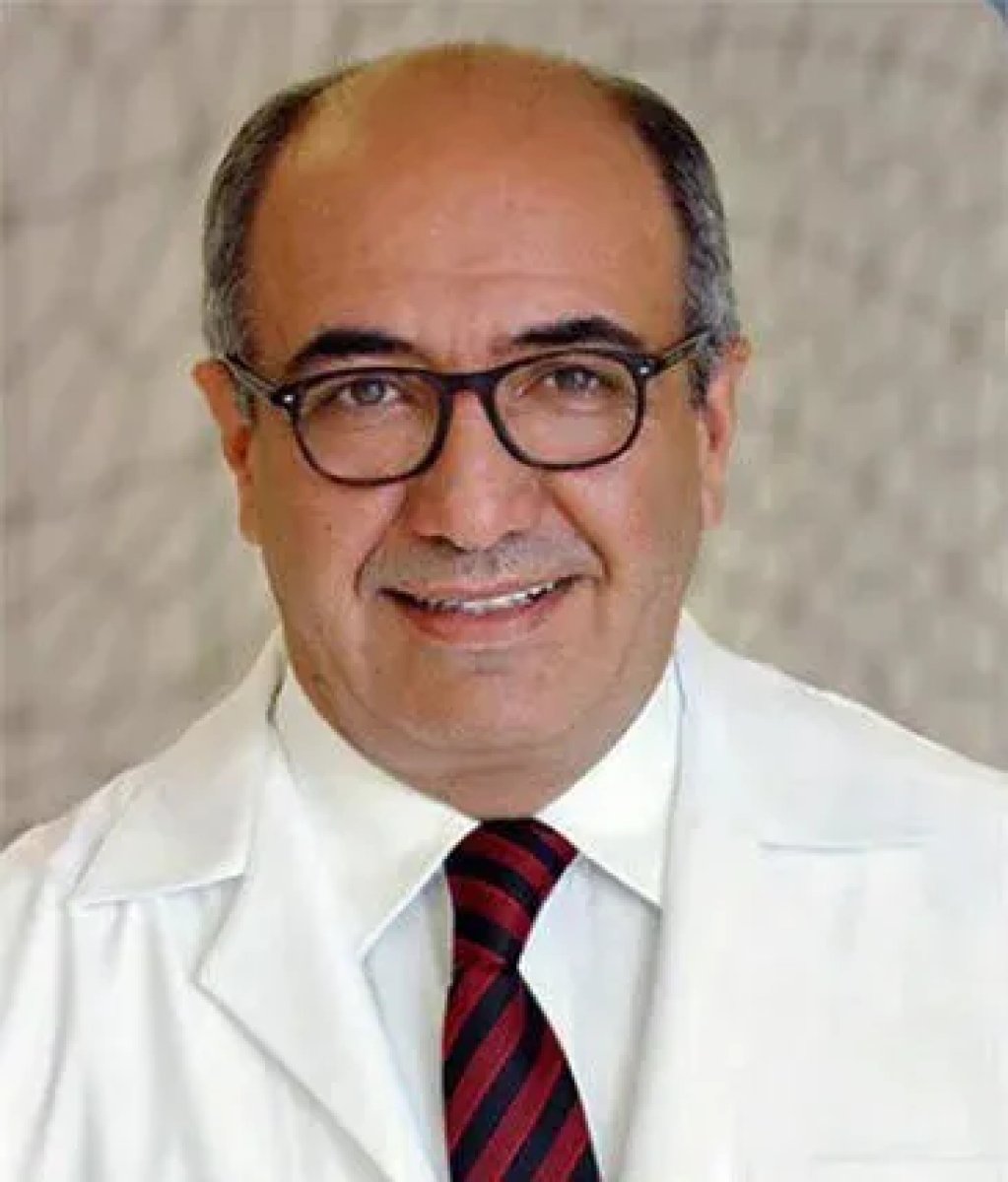
Baranov Ivan

17 años de experiencia

Baranov Ivan se especializa en trasplantes capilares en Hair Med, con más de 15 años de experiencia en el campo.

  • Graduado de la Academia Médica Estatal de Dnipro y completó formación especializada en tricología
  • Miembro de la Sociedad Internacional de Cirugía de Restauración Capilar (ISHRS) y del World FUE Institute
  • Defendió una disertación en cirugía, obteniendo el título de Candidato a Ciencias Médicas
  • Asistió a cursos avanzados en el Centro Internacional de Trasplante Capilar 'Talizi'

Artículos relacionados

Compartir contenido

Historias en video de pacientes de Bookimed

Dayana
Combiné mis vacaciones en Antalya con un chequeo médico.
Procedimiento: Chequeo femenino
Igor
¡Fue genial! Traslados, alojamiento, tratamiento, todo incluido.
Procedimiento: Implante dental
Clínica: WestDent Clinic
Marina
Bookimed se encargó de todo. No tuve que preocuparme por nada.
Procedimiento: Chequeo femenino
Actualizado: 06/04/2024
Escrito por
Olena Sikoza
Olena Sikoza
Сopywriter en español
Copywriter médica certificada responsable del contenido en español de Bookimed. Más de 7 años de experiencia en redacción sobre salud y turismo médico, con formación académica en edición científica y desarrollo de contenidos.
Kamil Yalcin Polat
Cirujano de trasplantes
El Prof. Dr. Kamil Yalçın Polat es especialista en trasplantes de órganos. Ha realizado más de 2000 trasplantes de hígado y 1000 de riñón. El Dr. Polat es el director del Centro de Trasplante de Órganos del Hospital Memorial Bahçelievler.
Kamil Yalcin Polat Linkedin
Esta página puede incluir información relacionada con diversas afecciones médicas, tratamientos y servicios de salud disponibles en diferentes países. Tenga en cuenta que el contenido se proporciona sólo con fines informativos y no debe interpretarse como asesoramiento médico o orientación. Por favor consulte con su médico o con un profesional médico calificado antes de comenzar o cambiar el tratamiento médico.

Preguntas frecuentes sobre Trasplantología en Ucrania

Estas preguntas frecuentes provienen de pacientes reales que buscan atención médica a través de Bookimed. Las respuestas son proporcionadas por coordinadores médicos experimentados y representantes autorizados de las clínicas.

Is organ transplantation legal in Ukraine?

Organ transplantation is legal in Ukraine under the 2018 Law on Transplantation of Human Organs. The country uses an opt-in system requiring written consent for posthumous donation. The Unified State Information System for Transplantation (EDIST) ensures transparent donor-recipient matching and organ allocation across licensed hospitals.

  • Legal framework: Ukraine uses a mandated choice system for posthumous organ donation.
  • State oversight: The EDIST electronic system eliminates human influence in organ matching.
  • Military restrictions: Harvesting organs from combat casualties and civilian war victims is prohibited.
  • Available procedures: Licensed centers perform kidney, liver, heart, and corneal transplant surgeries.

Bookimed Expert Insight: Ukraine's transplant system has decentralized significantly to maintain operations during logistics challenges. The 2022 legal amendments allowing mobile transplant teams are a unique global precedent. This adaptation ensures that life-saving surgeries, like those performed at Good Cells Clinic, proceed despite regional instability.

Patient Consensus: Patients note that while the legal framework is modern, infrastructure can lag behind EU standards. Many emphasize the importance of verifying hospital accreditation through the Ministry of Health before starting the process.

Are there any absolute restrictions on who can donate organs?

No absolute age or lifestyle restrictions prevent you from registering as an organ donor. Medical teams determine suitability at the time of death based on clinical conditions. While most chronic illnesses do not disqualify donors, active metastatic cancer and severe systemic infections are absolute barriers to transplanting specific organs.

  • Infection status: Uncontrolled sepsis, active tuberculosis, or viral meningitis typically disqualify potential donors.
  • Specific diseases: Rare conditions like Creutzfeldt-Jakob disease are absolute disqualifiers to prevent transmission.
  • Cancer criteria: Organs from individuals with actively spreading metastatic cancers are generally not accepted.
  • Tissue flexibility: Individuals ineligible for organ donation can often still donate eyes and skin.

Bookimed Expert Insight: Quality standards in Ukraine are shifting toward international norms. Clinics like Good Cells Clinic and ICSI Clinic hold ISO certifications. This focus on standardizing medical quality ensures that donor screening follows reliable safety protocols. Patients should prioritize facilities with these specific international quality marks for transplant-related diagnostics.

Patient Consensus: Patients note that active infections like HIV or hepatitis are instant dealbreakers for donation. Many also suggest getting infectious disease panels early to avoid logistical rejections at the transplant center.

How has the ongoing conflict affected transplant services and safety?

Ongoing conflict has forced Ukrainian transplant services to shift from eastern regions to safer western cities like Lviv. Medical infrastructure faces regular disruption from power outages and missile strikes. Specialized centers now utilize mobile units and modified transport to maintain critical organ procurement and surgical safety protocols.

  • Service relocation: Operations have migrated to western Ukraine while eastern facilities remain at zero capacity.
  • Logistical adaptations: Teams use modified buses and mobile units to transport equipment under active threats.
  • Resource management: Patients must stockpile immunosuppressive drugs due to severed supply chains and delivery delays.
  • Infrastructure protection: Facilities like Good Cells Clinic maintain ISO standards despite routine blackouts and volatility.

Bookimed Expert Insight: Data shows a 30% increase in transplant volumes in western regions like Lviv through 2024. While Kyiv centers like Noviy Zir continue eye care, complex heart transplants have shifted entirely. Patients should prioritize clinics with integrated power backups to prevent equipment failure during surges.

Patient Consensus: Patients note that blackouts are routine and recommend carrying power banks at all times. Many now rely on cross-border logistics from Poland to secure donor organs and bypass damaged local roads.

What are the reported success rates for the most common procedures?

Transplantology in Ukraine reports high success rates for life-saving procedures. Kidney transplant programs show a 92% one-year survival rate. Liver transplants achieve 85–90% success after twelve months. Specialist centers like Avicenna Med Medical Center report a 99% success rate for general surgical interventions in Kyiv.

  • Kidney transplant: One-year patient survival reaches 92% based on recent hospital data.
  • Liver transplant: Surgeons report survival rates between 85% and 90% annually.
  • Surgical success: Avicenna Med Medical Center maintains a 99% success rate for interventions.
  • Graft survival: Hair transplant procedures achieve 90–95% graft survival using the Trivellini system.
  • Regenerative medicine: Stem cell therapies for chronic conditions show 70–85% positive clinical outcomes.

Bookimed Expert Insight: High-volume centers in Ukraine often provide faster donor matching than Western facilities. Dr. Baranov Ivan at Hair Med uses a unique hybrid technique with the Trivellini system. This specialized equipment is rare in the region and significantly improves graft survival. Clinical data from Avicenna Med shows that combining 3D laparoscopy with transplant protocols maintains their 99% success rate.

Patient Consensus: Patients are often surprised by the short wait times for organ matching. They note that while clinical success is high, it is vital to confirm a clinic has backup power systems to handle local infrastructure challenges.

Which types of transplants are performed in Ukraine?

Ukraine performs a wide range of organ and cell transplants. Surgeons successfully transplant kidneys, livers, hearts, and lungs. Specialized centers also provide corneal transplants and bone marrow procedures. Recent advancements include complex combined operations like kidney-pancreas and heart-lung transplants even during challenging periods.

  • Organ transplants: Doctors perform kidney, liver, heart, and lung transplants regularly.
  • Corneal transplant: Specialized clinics like Noviy Zir Hospitals Group use Alcon equipment.
  • Stem cell therapy: Centers like Good Cells Clinic focus on regenerative medicine.
  • Hair transplant: Dr. Baranov Ivan performs 1,300+ procedures using the Trivellini system.

Bookimed Expert Insight: Ukraine has become a hub for specialized regenerative medicine. Clinics like Coollaser Clinic and Good Cells Clinic serve over 4,500 patients annually. They focus on stem cell treatments for liver and cardiovascular systems. This high volume allows these private centers to maintain ISO-certified laboratory standards comparable to Western European facilities.

Patient Consensus: Patients note that kidney transplants are considered routine in major cities. They emphasize verifying clinic accreditations and prepare for cash payments and extended stays during recovery.

How long are the waiting lists in Ukraine?

Transplant waiting lists in Ukraine are currently unpredictable due to infrastructure challenges and low donation rates. While official registry systems exist, patients often face wait times ranging from 6 months to several years. Complex cases like heart or lung transplants typically experience the longest delays.

  • Corneal transplant: Patients often wait 1 to 3 months for available donor tissue.
  • Organ donor rate: Donation rates remain low at under 1 per million people annually.
  • Private access: Some private clinics offer faster diagnostic processing within 1 to 2 weeks.
  • Treatment range: Facilities like Good Cells Clinic provide regenerative therapies for liver and heart.

Bookimed Expert Insight: Our data shows a shift toward regenerative medicine in Kyiv as an alternative to traditional transplant lists. Clinics like Good Cells Clinic and Renaissannce Technology Clinic now use stem cell therapies to treat liver and cardiovascular diseases. This approach bypasses organ donor shortages and serves approximately 300 to 5,000 patients per year across top centers.

Patient Consensus: Patients note that public waiting lists are often unreliable and suggest building local connections or exploring private routes. Many find that actual wait times for life-saving surgery can exceed 18 months without specific clinic ties.

What are the success rates for transplants performed in Ukraine?

Ukraine maintains survival rates for organ transplants that align with international benchmarks. Recent data shows a 30-day survival rate between 94.2% and 97.3% for heart transplants. Pediatric kidney programs report a 95% graft survival rate within the first 30 days of the procedure.

  • Heart survival: 1-year survival rates for heart transplants range from 90.3% to 91.4%.
  • Kidney success: Success rates exceed 90% when using a kidney from a family donor.
  • Specialized care: Avicenna Med Medical Center reports a 99% success rate for surgical interventions.
  • Hair restoration: Dr. Baranov Ivan at Hair Med has performed 1,300+ hair transplant procedures.

Bookimed Expert Insight: Ukraine's transplant infrastructure has scaled rapidly despite external challenges, with surgical centers now managing over 460 transplants annually. High-volume hubs like the First Medical Association of Lviv perform over 100 transplants yearly. This concentration of cases in a few specialized centers helps maintain high surgical proficiency and predictable patient outcomes.

Patient Consensus: Patients note that cosmetic procedures like hair transplants remain highly reliable with 95% graft survival. Those seeking organ transplants emphasize the need for robust pre-op infection screening and proactive follow-up plans.

Is posthumous organ donation legal in Ukraine?

Posthumous organ donation is legal in Ukraine under an opt-in system requiring explicit written consent. If no prior decision exists, the law transfers authority to the next of kin. Since 2025, regulations strictly prohibit harvesting organs from individuals who died due to military hostilities or war-related actions.

  • Legal framework: System operates under Law No. 2424-VIII using a presumption of disagreement.
  • Digital registration: Adults record donation decisions in the Unified State Information System for Transplantation.
  • Consent hierarchy: Spouses, children, or siblings decide if the deceased person's wishes are unknown.
  • Exempt groups: Foreigners, incarcerated individuals, and bridge-of-war casualties are ineligible for organ donation.

Bookimed Expert Insight: While the legal framework is robust, logistical shifts define the current landscape. Since aviation is restricted, specialized mobile teams now travel to donors. Clinics like Avicenna Med Medical Center maintain a 99% success rate for surgical interventions, showing that domestic technical expertise remains high despite these transport challenges.

Patient Consensus: Many people advise documenting your wishes with a notary or family early. This helps avoid confusion during emergencies, especially given the increased scrutiny of medical procedures during the current conflict.

Is state funding available that might reduce out-of-pocket costs?

Ukraine provides state funding for transplants through specialized medical programs and health insurance subsidies. These government initiatives aim to lower costs for kidney, liver, and heart procedures. Residents often access these funds via national registries and JCI or ISO-certified facilities in cities like Kyiv and Dnipro.

  • Funding coverage: State programs typically cover 30% to 50% of total hospital expenses.
  • Included procedures: Support applies to kidney, liver, lung, and heart transplant surgeries.
  • Regional access: Centers in Kyiv generally have more robust state funding mechanisms than others.
  • Waitlist factors: State-funded waitlists for major organ transplants often span 2 to 5+ years.

Bookimed Expert Insight: Data shows that while state funding exists, many patients at clinics like Avicenna Med or Hair Med choose private routes. Higher-rated clinics in Kyiv often manage larger patient volumes, which helps them streamline the intensive paperwork required for subsidies. Patients should prioritize facilities with 5,000+ annual cases to navigate these administrative hurdles faster.

Patient Consensus: Patients note that state coverage is available but limited, often leaving them to pay for pre-transplant tests and drugs. Many people mention that the long wait times for funded surgery make private options or medical tourism a necessary alternative.

Are there restrictions on using organs from war casualties?

International and Ukrainian laws strictly prohibit harvesting organs from war casualties to prevent exploitation and war crimes. The Geneva Conventions protect the dignity of the deceased. Specifically, Ukrainian legislation bans removing anatomical materials from combatants killed in action or unidentified individuals to ensure ethical transplantology practices.

  • Legal prohibition: Ukrainian law specifically bans organ harvesting from all military and civilian casualties.
  • Ethical verification: International standards require voluntary consent which is often impossible in conflict zones.
  • Mutilation ban: Customary International Humanitarian Law classifies unauthorized organ removal as a war crime.
  • Consent protocols: Ukrainian soldiers may pre-register as donors via an official national registry system.

Bookimed Expert Insight: Data from specialized centers like Hair Med and Good Cells Clinic show that Ukraine maintains rigid ISO-certified protocols even during shifts in patient volume. While some believe war increases organ supply, the reality is that strict legislative bans on military casualties actually prioritize legal safety over volume. This ensures that any transplant performed in Kyiv or Dnipro meets international transparency standards.

Patient Consensus: Patients note that while the war complicates medical logistics, the core rules for donation remain unchanged. They emphasize that military deaths are treated with high scrutiny, and families must still provide post-mortem consent unless the individual had previously opted in through the national registry.

Can foreigners still receive transplants in Ukraine?

Foreigners can access specific transplant services in Ukraine, though traditional organ transplants currently prioritize domestic needs. While clinics in Kyiv and Lviv perform kidney and liver surgeries, available resources focus on local patients. International patients predominantly travel for stem cell therapy, corneal transplants, and specialized hair restoration procedures.

  • Available procedures: Foreigners primarily access stem cell therapy and corneal transplants in 25 centers.
  • Specialized techniques: Dr. Baranov Ivan at Hair Med uses the advanced Trivellini system for transplants.
  • Entrance requirements: Travel requires a medical insurance policy from a registered Ukrainian insurance provider.
  • Facility capacity: Major hubs like Avicenna Med Medical Center perform over 1,000 annual operations.

Bookimed Expert Insight: Ukraine remains a global leader in regenerative medicine despite logistical challenges. Clinics like Good Cells and Renaissannce Technology hold ISO certifications for stem cell applications. These facilities offer therapies for liver and cardiovascular systems that are often restricted in other regions. This makes Kyiv a unique destination for patients seeking advanced regenerative protocols at a lower cost.

Patient Consensus: Patients note that organ transplant queues are nearly impossible for outsiders due to high domestic demand. Most visitors now focus on stem cell treatments where specialized clinics still maintain regular appointment slots for international arrivals.

Pedir una consulta gratis

Seleccione la mejor manera de contactarle