Trasplantología en España: las 10 mejores clínicas con opiniones de pacientes

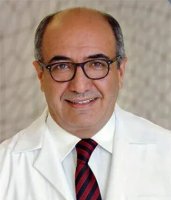
Revisado médicamente por
Kamil Yalcin Polat
¿Cuál es el precio de procedimientos de Trasplantología en España? Descubra ahora
La trasplantología en España suele costar desde $156,300 hasta $213,300. Los gastos finales dependen del tipo de órgano, la complejidad quirúrgica y la duración de la atención hospitalaria postoperatoria. Los pacientes internacionales a menudo descubren que los procedimientos médicos en España ofrecen ahorros del 30-50% en comparación con los Estados Unidos.
Costes típicos de trasplantología en España
- Consulta con creación de plan de tratamiento: de $400
- Revisión de resultados de resonancia magnética: de $160
- Trasplante de riñón: $68,000 – $95,000
- Trasplante de hígado: de $150,000
- Trasplante de córnea: de $8,400
- Trasplante de pulmón: $150,000 – $200,000
- Trasplante de corazón: $140,000 – $190,000
- Trasplante de corazón y pulmones: $185,000 – $250,000
Los centros de trasplantes especializados se encuentran principalmente en Barcelona, Madrid y Pamplona. Aunque los costes son relativamente consistentes, las clínicas en centros importantes como Barcelona pueden cobrar tarifas ligeramente más altas. Consulte con un especialista para obtener precios precisos para su caso médico específico.
| España | Turquía | México | |
|---|---|---|---|
| Trasplante de riñón | ≈ $68,000 | de $16,000 | ≈ $45,000 |
| Trasplante de pulmón | ≈ $150,000 | ≈ $140,000 | ≈ $140,000 |
| Trasplante de hígado | de $150,000 | de $45,000 | de $110,000 |
| Trasplante de córnea | de $8,400 | de $6,200 | ≈ $3,800 |
| Trasplante de corazón y pulmones | ≈ $185,000 | ≈ $150,000 | ≈ $180,000 |
Sus beneficios y garantías con Bookimed
Precios directos
Bookimed no añade cargos extra a los precios de los tratamientos de Trasplantología. Las tarifas proceden de las listas de precios oficiales de las clínicas. Pagará directamente en la clínica por su tratamiento a su llegada al país.
Sólo clínicas y médicos verificados
Bookimed está comprometido con su seguridad. Solo trabajamos con las clínicas que mantienen altos estándares internacionales en el tratamiento de Trasplantología y tienen las licencias necesarias para atender a pacientes internacionales en todo el mundo.
Asistencia 24/7 gratuita
Bookimed ofrece asistencia experta gratuita. Un coordinador médico personal le apoya antes, durante y después del tratamiento, resolviendo cualquier problema. Nunca estará solo en su viaje médico de procedimientos de Trasplantología.

Su coordinador médico personal de Bookimed
- Le apoya en cada etapa
- Ayuda a elegir la clínica y el médico adecuados
- Asegura un acceso rápido y conveniente a la información
Descubra las mejores clínicas de Trasplantología en España: 10 opciones verificadas y Precios
















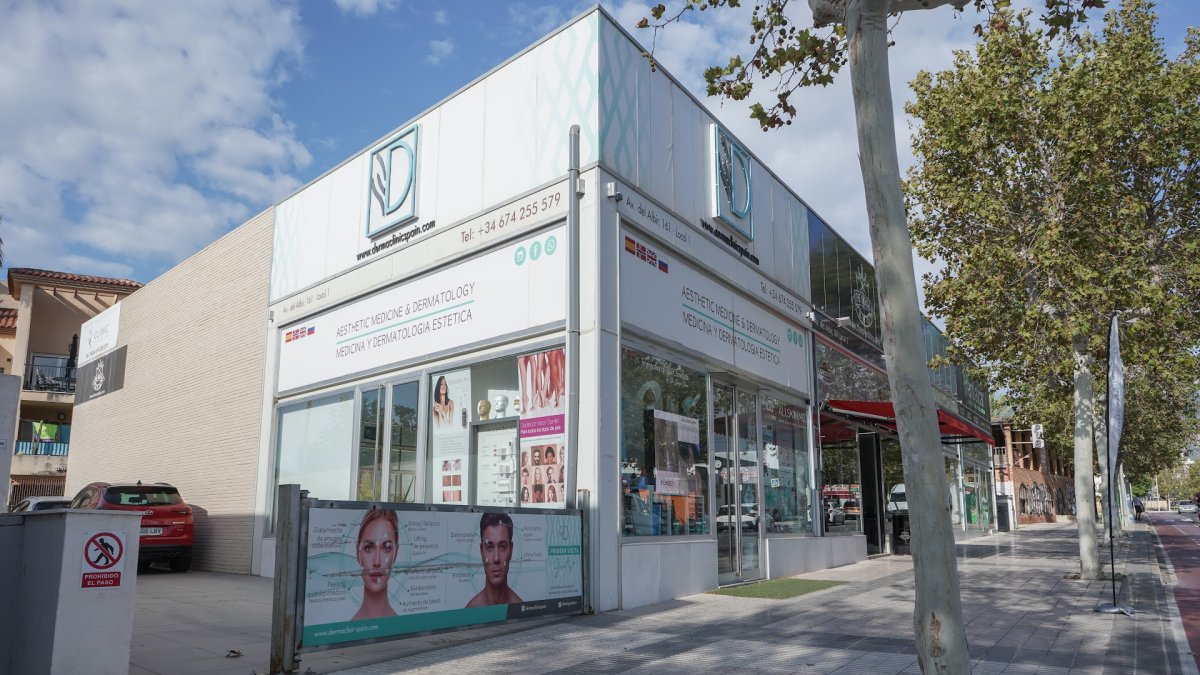
Derma Clinic Spain
Los mejores centros médicos de Trasplantología en España
- Centro Médico Teknon, España
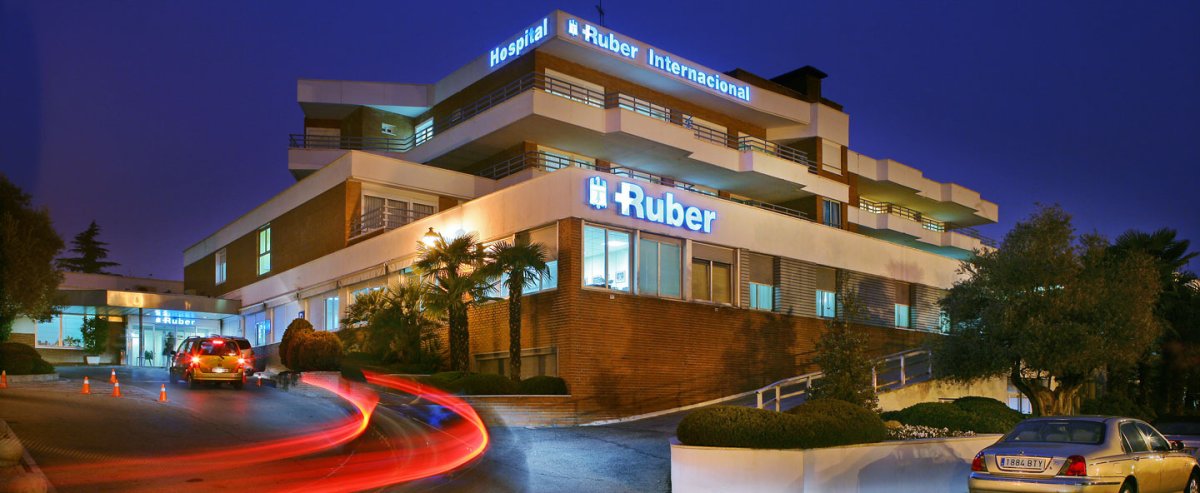
- Hospital Ruber Internacional, España
- Quironsalud Madrid, España
- Hospital Quiron Barcelona, España
- Clinica Universidad de Navarra (Navarra Hospital), España
- Hospital Universitario HM Sanchinarro, España
- Hospital Universitario HM Puerta Del Sur, España
- Hospital Universitario HM Montepríncipe, España
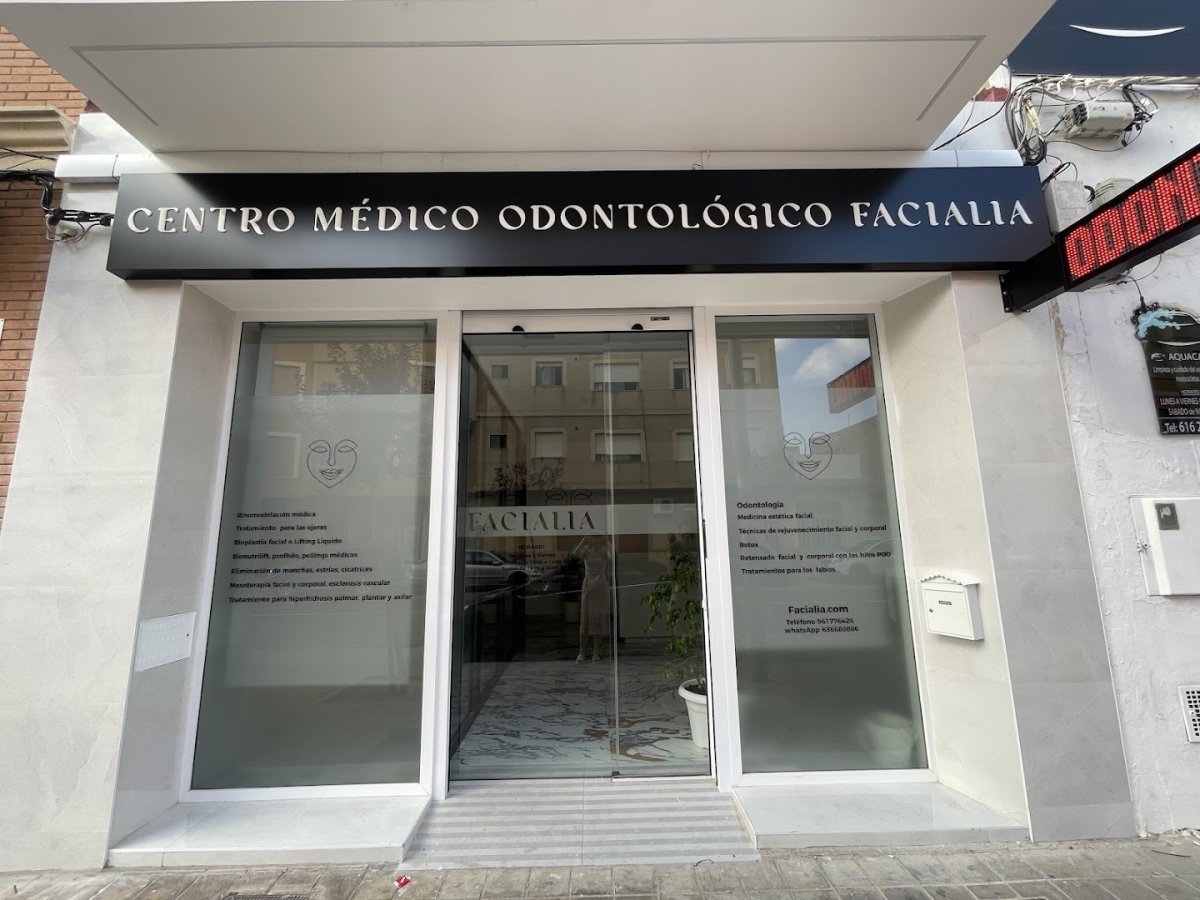
- Facialia, España
- Derma Clinic Spain, España
Obtenga una evaluación médica de Trasplantología en España: haga una consulta con 8 médicos experimentados ahora
Ver todos los médicos
Antonio Alcaraz
Más de 500 trasplantes de riñón realizados con técnicas mínimamente invasivas: el Dr. Alcaraz dirige el departamento de urología del Centro Médico Teknon.
- Más de 30 años de especialización en cirugías urológicas y procedimientos robóticos
- Experto en el sistema robótico Da Vinci para cirugías renales complejas
- Trata el cáncer de próstata y afecciones urológicas congénitas en niños
- Miembro de la Confederación Americana de Urología y de la Sociedad Europea de Urología
Javier de Juan Bagudá
El Dr. Javier de Juan Baguda es cardiólogo en el Hospital Memorial Publio Cordon, en Madrid. Trata la insuficiencia cardíaca crónica, la miocardiopatía dilatada y la enfermedad de las arterias coronarias. Se ocupa de los trasplantes cardíacos y la fibrilación auricular. El Dr. de Juan Baguda trabaja en un centro acreditado por la Joint Commission International (JCI). También trata la hipertensión y otras afecciones cardiovasculares dentro de esta red médica.
Diego González Rivas
El Dr. Diego González Rivas es cirujano torácico en el Hospital Memorial Publio Cordón de Madrid. Realiza cirugía de cáncer de pulmón, segmentectomía pulmonar robótica y trasplantes de pulmón. El Dr. González Rivas ejerce en un centro que cuenta con la acreditación de la Joint Commission International (JCI) y la certificación de la Sociedad Europea de Reproducción Humana y Embriología.
Es miembro del Colegio Americano de Cirujanos (FACS, por sus siglas en inglés). El Dr. González Rivas
Reseñas
Todas las reseñasArtículos relacionados
Ver más
Milagro indio para marinero ucraniano
Escrito por Вероника Казина

El costo asequible de la cirugía de trasplante de riñón: dónde encontrarlo y cómo obtenerlo
Escrito por Ana Hurevska

Historia de éxito de trasplante de hígado: la primera cirugía del mundo para un niño de 5 días
Escrito por Veronika Kazina

Los 5 mejores hospitales de trasplante de riñón en el mundo
Escrito por Ana Hurevska

¿Cuánto cuesta el trasplante de hígado?
Escrito por Kate Labetska
Compartir contenido
Historias en video de pacientes de Bookimed
 Olena Sikoza
Preguntas frecuentes sobre Trasplantología en España
¿Puede un paciente extranjero viajar a España específicamente para recibir un trasplante de órgano?
Los pacientes extranjeros pueden viajar a España para recibir trasplantes de órganos solo si proporcionan un donante vivo compatible. La ley española y la Declaración de Estambul prohíben estrictamente el turismo de trasplantes de donantes fallecidos para no residentes. Los pacientes deben someterse a rigurosas revisiones judiciales y médicas para garantizar que todas las donaciones sean altruistas.
- Regla del donante vivo: Los no residentes deben traer a un familiar o amigo para trasplantes de riñón o hígado.
- Trasplante hematopoyético: Los pacientes que necesitan trasplantes de médula ósea pueden acceder a registros internacionales de donantes sin necesidad de un donante personal.
- Opciones tecnológicas: Cirujanos como el Dr. Antonio Alcaraz utilizan sistemas robóticos Da Vinci y nefrectomía transvaginal laparoscópica.
- Acreditación: Centros de primer nivel como la Clínica Universidad de Navarra y el Centro Médico Teknon cuentan con acreditación JCI.
Opinión de expertos de Bookimed: Aunque España es un líder mundial en trasplantología, su sistema público está cerrado a los no residentes para la donación de órganos de fallecidos. Sin embargo, centros privados como la Clínica Universidad de Navarra se especializan en casos complejos de donantes vivos. Nuestros datos muestran que estas instalaciones aprovechan más de 20 años de experiencia p
¿Cómo sé si el órgano trasplantado funciona correctamente?
Los médicos confirman la función del órgano en España mediante seguimiento clínico, diagnósticos avanzados y biomarcadores específicos. El éxito se indica mediante valores de laboratorio estables y la ausencia de síntomas de rechazo. Los centros acreditados por la JCI, como la Clínica Universidad de Navarra, utilizan pruebas de ADN y tipificación HLA para garantizar la compatibilidad y el rendimiento del órgano a largo plazo.
- Función renal: Una producción constante de orina y niveles decrecientes de creatinina indican que el órgano filtra los desechos de manera efectiva.
- Marcadores hepáticos: La normalización de las enzimas hepáticas y una piel clara sin ictericia significan una producción saludable de bilis.
- Herramientas de monitoreo: Los especialistas utilizan PET-TC y resonancia magnética para asegurar un flujo sanguíneo adecuado al injerto.
- Señales de advertencia: El aumento repentino de peso, la fiebre o el dolor en el sitio de la incisión pueden sugerir complicaciones.
Perspectiva del experto de Bookimed: Los centros de alto volumen en España, como la Clínica Universidad de Navarra, mantienen los primeros puestos combinando la cirugía de trasplante con una investigación intensiva. Los datos muestran que las instalaciones que tratan a más de 140.000 pacientes al año a menudo ofrecen protocolos de monitoreo postoperatorio más sólido
¿Cuáles son los requisitos de España para un donante vivo?
España exige que los donantes vivos tengan al menos 18 años y sean mentalmente competentes para dar su consentimiento informado. El proceso es estrictamente altruista y no remunerado bajo la Ley 30/1979. Los donantes deben someterse a una aprobación judicial ante un Juez del Registro Civil y cumplir un periodo de espera obligatorio de 24 horas tras la firma.
- Salud médica: Los donantes deben gozar de una excelente salud física sin comorbilidades importantes como diabetes no controlada.
- Cribado clínico: La evaluación incluye tipaje HLA, pruebas de ADN y cribado de enfermedades infecciosas durante 3 a 6 meses.
- Compatibilidad de órganos: La función orgánica restante tras la extracción debe ser compensada de forma segura por el cuerpo del donante.
- Revisión psicológica: Un Comité de Ética y un defensor independiente deben confirmar que la decisión es voluntaria y no coaccionada.
Perspectiva del experto de Bookimed: Los datos clínicos de unidades como la Clínica Universidad de Navarra muestran una clara ventaja en los sistemas de trasplante integrados de España. Estos centros suelen combinar más de 30 años de experiencia quirúrgica, como la del Dr. Antonio Alcaraz, con un tipaje HLA rápido. Esta eficiencia puede acortar el plazo de evaluación del donante en entornos privados en comparación con los registros públicos.
Consenso de
¿Pueden los pacientes internacionales recibir trasplantes de médula ósea o células madre en España?
Los pacientes internacionales acceden a trasplantes de médula ósea y células madre en España a través de centros privados especializados. La ley española permite estos procedimientos para ciudadanos extranjeros. Los pacientes pueden utilizar el Registro Español de Donantes de Médula Ósea (REDMO). Este sistema se conecta a redes globales con millones de donantes potenciales.
- Terapias disponibles: Aprobadas para el tratamiento de leucemia, linfoma y mieloma múltiple.
- Acceso a donantes: Los pacientes pueden acceder a bancos de donantes internacionales si los familiares son incompatibles.
- Unidades especializadas: El Grupo HM Hospitales ofrece trasplantes como técnica hematológica primaria.
- Experiencia clínica: La Clínica Universidad de Navarra ha tratado a pacientes de más de 70 países.
- Estándares regulatorios: Centros como el Centro Médico Teknon mantienen la acreditación de la Joint Commission International.
Perspectiva del experto de Bookimed: Los centros privados españoles como el Hospital Universitario HM Montepríncipe integran el trasplante de células progenitoras hematopoyéticas directamente en sus departamentos de oncología. Esta consolidación a menudo acelera la transición de la quimioterapia al trasplante. Los datos muestran que los centros en Madrid y Barcelona manejan volúmenes internacionales mucho más
¿Cuáles son los tiempos de espera típicos por órgano en España?
España ofrece algunos de los tiempos de espera para trasplantes de órganos más cortos del mundo debido a sus altas tasas de donación tras el fallecimiento. Los trasplantes de hígado suelen tener la espera mediana más corta, de 55 días. Los trasplantes de corazón tienen un promedio de 66 días, mientras que los pacientes renales a menudo esperan menos de 8 meses a pesar de la alta demanda.
- Hígado: Espera mediana de 55 días; algunos centros regionales reportan solo 30 días.
- Corazón: Promedio de 66 días; los casos de urgencia cero a menudo reciben órganos en cuestión de días.
- Pulmón: Mediana de 112 días; los tiempos de espera se mantienen estables a pesar de un crecimiento del 30 % en los procedimientos.
- Riñón: Menos de 240 días; los sistemas siguen siendo más rápidos que en la mayoría de las naciones desarrolladas.
- Páncreas: Aproximadamente 371 días; actualmente es el tiempo de espera más largo en el sistema español.
Perspectiva de expertos de Bookimed: Los centros de alto volumen como la Clínica Universidad de Navarra o el Hospital Quirón Barcelona aprovechan la tasa de donantes de España de 52,6 por millón de personas. Este volumen permite a cirujanos como el Dr. Antonio Alcaraz realizar procedimientos especializados, incluidas las primeras nefrectomías transvaginales del mundo, lo que puede influir en la asigna
¿Qué cambios en el estilo de vida deberé realizar después de un trasplante?
La vida después de un trasplante se centra en proteger su nuevo órgano y prevenir infecciones mediante medicación de por vida y hábitos de seguridad estrictos. Debe tomar inmunosupresores a horas exactas todos los días para evitar el rechazo. Los pacientes también deben evitar ciertos alimentos y entornos de alto riesgo para salvaguardar su sistema inmunológico suprimido.
- Gestión de la medicación: Tome los medicamentos antirrechazo todos los días sin saltarse dosis para evitar el fallo del órgano.
- Restricciones dietéticas: Evite permanentemente el pomelo y la granada, ya que interfieren con los niveles de medicación.
- Control de infecciones: Evite mariscos crudos, lácteos no pasteurizados y espacios concurridos durante las temporadas de gripe.
- Protección solar: Aplique SPF 30+ diariamente, ya que los inmunosupresores aumentan significativamente el riesgo de cáncer de piel.
- Actividad física: Comience con caminatas ligeras; evite deportes de contacto como el boxeo para proteger el órgano.
Perspectiva del experto de Bookimed: Los centros españoles como la Clínica Universidad de Navarra mantienen altas tasas de éxito integrando el seguimiento de salud digital. Nuestros datos muestran que las clínicas con acreditación JCI a menudo proporcionan una coordinación postoperatoria más estructurada. Esto ayuda a los pacient
¿Es todo el mundo en España automáticamente donante de órganos?
España utiliza un sistema de consentimiento presunto u opt-out para la donación de órganos. Todos los adultos con documento nacional de identidad son considerados legalmente donantes a menos que registren oficialmente una objeción. En la práctica, los médicos siguen consultando a la familia. Las familias pueden anular este estatus si los deseos del fallecido no estaban claros.
- Estatus legal: Los adultos son donantes automáticamente a menos que registren una negativa ante su médico de cabecera.
- Participación familiar: Los equipos médicos siempre hablan con los familiares para confirmar los deseos del fallecido.
- Exclusiones: Los menores, bebés y turistas sin documento nacional de identidad no son donantes presuntos.
- Documentación: Los residentes pueden registrar su preferencia a través de un testamento vital o un registro nacional.
Perspectiva del experto de Bookimed: Los datos de centros líderes como la Clínica Universidad de Navarra, que ha tratado a más de 700.000 pacientes internacionales, muestran que la alta disponibilidad de donantes en España reduce significativamente los tiempos de espera. Esta eficiencia es la razón por la que el país lidera en procedimientos complejos como trasplantes de hígado y corazón. El alto volumen de más de 23.500 operaciones anuales en centros como el Centro Médico Teknon refuerza aún más la experiencia