Clínica Promedion
Polonia, Varsovia

Revisado médicamente por
Kamil Yalcin Polat
La trasplantología en Polonia suele costar entre $99,500 y $198,300. Los gastos finales dependen del órgano o tejido específico requerido, la complejidad de la técnica quirúrgica y la duración de las estancias hospitalarias necesarias para la recuperación. Por lo general, los pacientes pueden encontrar ahorros del 40-60% en comparación con los Estados Unidos para estos procedimientos.
Costos típicos de trasplantología en Polonia
Los centros de trasplantes especializados se encuentran principalmente en Varsovia, Cracovia y Breslavia. Si bien los costos se mantienen relativamente constantes en estos centros principales, la disponibilidad de experiencia quirúrgica específica puede variar. Consulte con un especialista para obtener precios precisos y confirmar la elegibilidad para su caso específico.
| Polonia | España | Turquía | |
|---|---|---|---|
| Trasplante de riñón | ≈ $28,000 | ≈ $68,000 | de $16,000 |
| Trasplante de pulmón | ≈ $90,000 | ≈ $300,000 | ≈ $140,000 |
| Trasplante de hígado | ≈ $75,000 | de $150,000 | de $45,000 |
| Trasplante de córnea | ≈ $2,600 | de $8,400 | de $6,000 |
| Trasplante de corazón y pulmones | ≈ $140,000 | ≈ $185,000 | ≈ $150,000 |
Bookimed no añade cargos extra a los precios de los tratamientos de Trasplantología. Las tarifas proceden de las listas de precios oficiales de las clínicas. Pagará directamente en la clínica por su tratamiento a su llegada al país.
Bookimed está comprometido con su seguridad. Solo trabajamos con las clínicas que mantienen altos estándares internacionales en el tratamiento de Trasplantología y tienen las licencias necesarias para atender a pacientes internacionales en todo el mundo.
Bookimed ofrece asistencia experta gratuita. Un coordinador médico personal le apoya antes, durante y después del tratamiento, resolviendo cualquier problema. Nunca estará solo en su viaje médico de procedimientos de Trasplantología.





La Dra. Mariana Myslovych es dermatóloga y tricóloga, especialista en trasplante capilar con más de 9 años de experiencia en restauración capilar. Fundó la clínica y es su directora médica. Forma al equipo de trasplante en sus métodos y sigue los estándares médicos europeos. Es miembro de la European Hair Research Society y posee licencia médica vigente en Polonia.
La Dra. Mariana ha realizado varios miles de trasplantes capilares. Su enfoque son resultados naturales y discretos. Ha di

Escrito por Вероника Казина

Escrito por Ana Hurevska

Escrito por Veronika Kazina

Escrito por Ana Hurevska

Escrito por Kate Labetska
 Olena Sikoza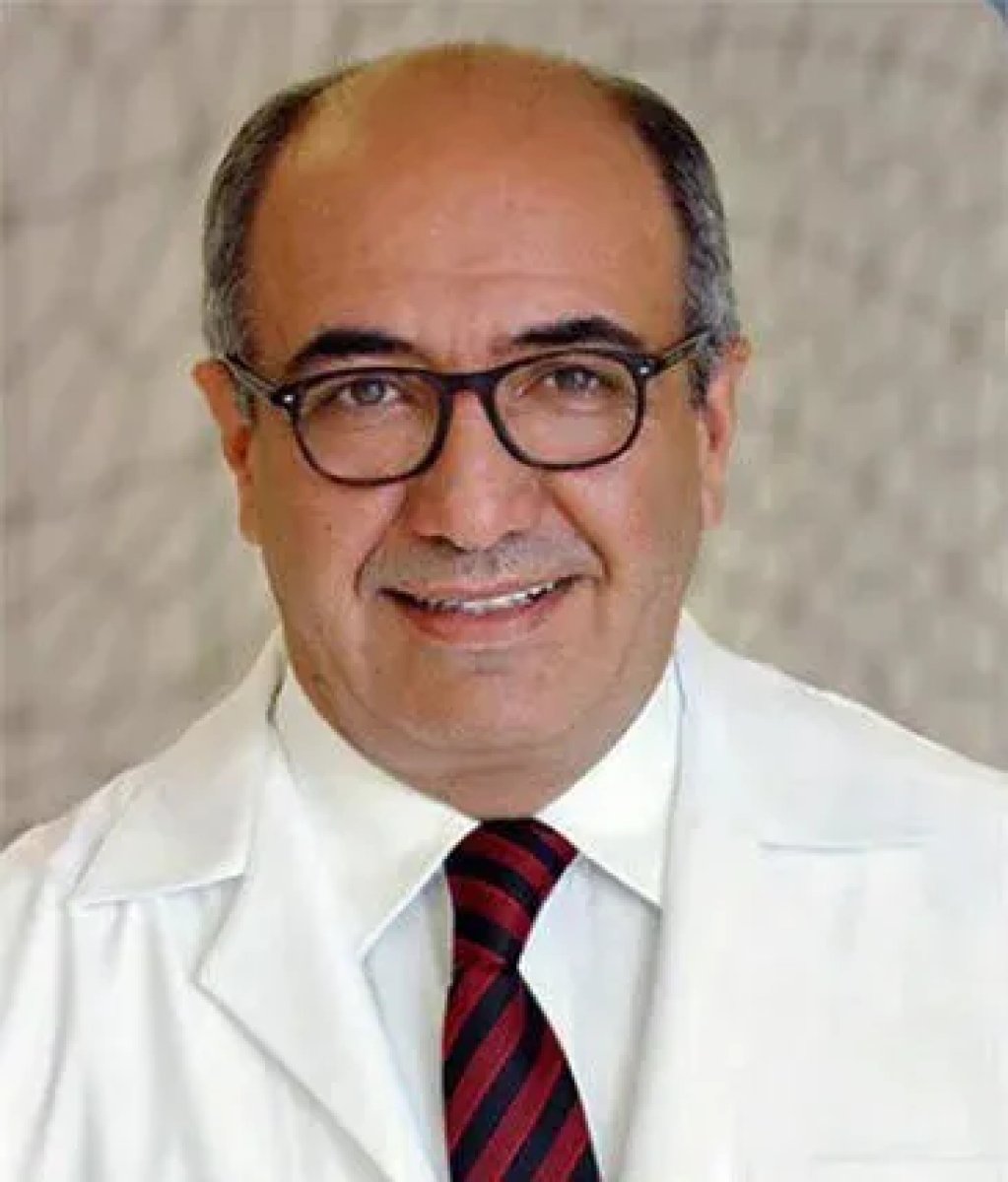
Los ciudadanos extranjeros pueden unirse a la lista de espera nacional de trasplantes de Polonia si cumplen con estrictos criterios clínicos y de residencia. El registro se realiza a través del Centro Polaco de Coordinación de Trasplantes (POLTRANSPLANT). La mayoría de los extranjeros registrados son ciudadanos ucranianos. La elegibilidad generalmente requiere un número de identificación nacional (PESEL) y prueba de contribuciones al seguro médico local.
Perspectiva del experto de Bookimed: Los datos muestran que los grandes centros multidisciplinarios como el Hospital Universitario de Cracovia gestionan más de 450.000 pacientes al año. Estas instalaciones de alto volumen a menudo tienen la mayor experiencia en la navegación de requisitos administrativos complejos para candidatos extranjeros a trasplantes. Los pacientes deben priorizar hospitales con de
Las leyes de consentimiento presunto en Polonia establecen una norma legal por defecto en la que todo ciudadano es un donante potencial a menos que opte por no serlo. En la práctica, este sistema tiene como objetivo aumentar la disponibilidad de órganos y reducir los tiempos de espera para procedimientos como los trasplantes de riñón, que cuestan entre $28,000 y $42,000.
Opinión de expertos de Bookimed: Los datos del Hospital Universitario de Cracovia, que atiende a 455.000 pacientes al año, sugieren que el alto volumen de pacientes y la infraestructura son más decisivos que la ley por sí sola. Aunque el marco legal existe, la presencia de más de 100 departamentos especializados garantiza la capacidad técnica para llevar a cabo trasplantes complejos.
Consenso de los pacientes: Los pacientes señalan que, aunque la ley ayuda, el ver
Los principales centros de Polonia para procedimientos multiorgánicos complejos incluyen el Centro Clínico Universitario de la Universidad Médica de Varsovia y el Hospital Universitario de Cracovia. Estas instituciones se especializan en trasplantes simultáneos de corazón-hígado, hígado-riñón y corazón-riñón. Utilizan sistemas de perfusión OCS avanzados para la preservación de órganos.
Perspectiva del experto de Bookimed: El Hospital Universitario de Cracovia demuestra una capacidad clínica excepcional con más de 100 departamentos especializados y más de 1.000 médicos. Esta escala permite una coordinación fluida entre diferentes equipos quirúrgicos durante los procedimientos multiorgánicos. Los grandes centros académicos como este suelen ofrecer resultados más estables para casos combinados com
La lista de espera nacional para trasplantología en Polonia se mantiene estable con aproximadamente 1.800 a 2.000 pacientes actualmente activos. Los trasplantes de riñón representan la mayor demanda. Los tiempos de espera promedio fluctúan entre 2 y 5 años. Centros especializados como el Hospital Universitario de Cracovia gestionan grandes volúmenes para mejorar estos plazos.
Perspectiva de expertos de Bookimed: Los datos sobre el volumen de pacientes sugieren que instalaciones de primer nivel como el Hospital Universitario de Cracovia atienden a 455.000 pacientes al año. Este enorme rendimiento a menudo se correlaciona con una infraestructura de diagnóstico más sólida. Las clínicas con altos volúmenes quirúrgicos están mejor posicionadas para gestionar la compleja tipificación HLA y las pruebas de ADN necesarias para lograr compatibilidades exitosas.
Consenso de los pacientes: Los pacientes
El trasplante capilar es un servicio común para los turistas médicos en Polonia. Las principales ciudades como Varsovia y Cracovia sirven como centros neurálgicos. Aproximadamente 45 clínicas especializadas operan en todo el país. Los pacientes suelen ahorrar entre un 50% y un 70% en comparación con Europa Occidental. Las clínicas siguen las estrictas regulaciones médicas de la Unión Europea.
Opinión de expertos de Bookimed: Polonia atrae a un perfil de paciente específico que busca una experiencia boutique. Grandes instalaciones como el Hospital Universitario de Cracovia gestionan 455.000 pacientes al año en 103 departamentos. Esta enorme infraestructura médica respalda a las clínicas capilares especializadas. Este entorno ofrece ratios paciente-médico más pequeños que los centros de alto volumen en otros países.
Consenso de los pacientes: Los pacientes señalan que
La neurocirugía en Polonia ofrece atención de alta calidad en centros con certificación JCI e ISO. Los neurocirujanos polacos se adhieren a estrictos estándares de formación adoptados por la Unión Europea. Muchos han completado becas en Estados Unidos o Alemania. Tecnologías avanzadas, como CyberKnife, Gamma Knife y sistemas robóticos, están ampliamente disponibles en centros privados.
Opinión experta de Bookimed: Los datos muestran una fuerte correlación entre la especialización de una clínica y el origen de sus pacientes. La Clínica KCM atiende a más de 700 pacientes internacionales al año. Se especializa en cirugía de columna mínimamente invasiva. Este volumen de trabajo le permite ofrecer paquetes de servicios especializados, que a menudo incluyen bloques de diagnóstico e implantes específicos, como el DIAM de Medtronic.
Los neurocirujanos polacos son especialistas altamente cualificados que han completado al menos 13 años de rigurosa formación médica. Esto incluye seis años de estudios de medicina, 13 meses de prácticas y seis años de residencia. Deben aprobar el Examen Estatal de Especialización (PES) y suelen estar certificados por la Asociación Europea de Sociedades de Neurocirugía (EANS).
Opinión experta de Bookimed: Los datos muestran que los neurocirujanos polacos suelen especializarse en tecnologías altamente especializadas, como el sistema ApiFix o el sistema de endoscopia lumbar SED-YESS. Especialistas como el Dr. Stanisław Kwek, de la Clínica KCM, combinan la investigación postdoctoral con una práctica quirúrgica activa. Esta combinación de profundos conocimientos académicos y un alto volumen quirúrgico los hace especialmente eficaces en cirugías de columna complejas y mínimamente in
Entre las mejores clínicas neuroquirúrgicas de Polonia se encuentran el Hospital Carolina, la Clínica KCM y centros académicos de primer nivel como el Hospital Universitario de Cracovia. Estas instituciones ofrecen tratamientos de vanguardia para enfermedades de la columna vertebral y el cerebro que cumplen con los estándares de calidad ISO y emplean a especialistas miembros de organizaciones internacionales como AO Spine.
Opinión experta de Bookimed: Si bien muchos buscan los hospitales más grandes, los datos muestran que clínicas como el Hospital Carolina ofrecen mayor eficiencia para cirugías electivas. Con más de 40 médicos especialistas en este centro de 30 camas, la proporción médico-paciente es significativamente mayor que en los centros universitarios públicos. Esto se traduc
En Polonia, la neurocirugía se centra principalmente en cirugías de columna y extirpación de tumores cerebrales. Los hospitales realizan con frecuencia microdiscectomías, fusiones espinales y estimulación cerebral profunda. Centros como el Hospital Carolina y la Clínica KCM utilizan técnicas mínimamente invasivas para tratar hernias discales, lesiones de columna y trastornos neurológicos complejos.
Opinión experta de Bookimed: Polonia se ha convertido en un centro de estabilización espinal especializada. Clínicas como el Hospital Carolina colaboran con equipos deportivos nacionales, lo que refleja su alto nivel de experiencia en el tratamiento de lesiones espinales complejas. Nuestros datos muestran que estas instituciones suelen integrar la rehabilitación directamente en el tratamiento quirúrgico. Esta combinación reduce el riesgo de compl
La rehabilitación neurológica está ampliamente disponible en Polonia a través de centros especializados y hospitales multidisciplinarios. Los programas abarcan la recuperación tras un accidente cerebrovascular, una lesión medular y enfermedades degenerativas. Instituciones como el Hospital Karolina de Varsovia y la Clínica KCM ofrecen terapia supervisada. La mayoría de los programas neuroquirúrgicos incluyen una evaluación inicial de rehabilitación postoperatoria.
Opinión experta de Bookimed: Los datos muestran que las clínicas con una gran afluencia de pacientes internacionales, como la Clínica KCM, suelen incluir rehabilitación básica en sus paquetes quirúrgicos. Esto supone una ventaja significativa, ya que coordinar la neurorrehabilitación de forma independiente en Polonia puede ser complicado. Elegir una clínica con un especialista e