Trasplantología en Italia — Costos 2026

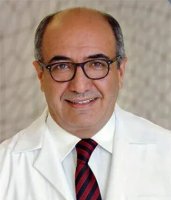
Revisado médicamente por
Kamil Yalcin Polat
¿Cuál es el precio de procedimientos de Trasplantología en Italia? Descubra ahora
La trasplantología en Italia suele costar entre $146,000 y $740,000, dependiendo del órgano específico, el tipo de donante y la duración de la estancia hospitalaria. Los precios están influenciados por la complejidad de la intervención quirúrgica y el protocolo de recuperación postoperatoria necesario. Los pacientes pueden esperar un ahorro del 30-50% en comparación con los EE. UU.
Costos típicos de trasplantología en Italia
- Consulta con creación de plan de tratamiento: $200 – $350
- Tipificación HLA: $200 – $700
- Trasplante de riñón: $70,000 – $100,000
- Trasplante de hígado: $150,000 – $220,000
- Trasplante de córnea: $4,800 – $7,800
- Trasplante de pulmón: $140,000 – $190,000
- Trasplante de corazón: de $150,000
- Trasplante de corazón y pulmones: $800,000 – $1,200,000
Los principales centros de trasplantes se encuentran en Milán y Roma, donde los precios en Roma pueden variar hasta un 20% en comparación con las instalaciones del norte. Consulte con un especialista relevante para obtener precios precisos y un plan médico detallado para su caso específico.
| Italia | España | Turquía | |
|---|---|---|---|
| Trasplante de riñón | ≈ $70,000 | ≈ $68,000 | de $16,000 |
| Trasplante de pulmón | ≈ $140,000 | ≈ $300,000 | ≈ $140,000 |
| Trasplante de hígado | ≈ $150,000 | de $150,000 | de $45,000 |
| Trasplante de córnea | ≈ $4,800 | de $10,100 | de $6,000 |
| Trasplante de corazón y pulmones | ≈ $800,000 | ≈ $185,000 | ≈ $150,000 |
Sus beneficios y garantías con Bookimed
Precios directos
Bookimed no añade cargos extra a los precios de los tratamientos de Trasplantología. Las tarifas proceden de las listas de precios oficiales de las clínicas. Pagará directamente en la clínica por su tratamiento a su llegada al país.
Sólo clínicas y médicos verificados
Bookimed está comprometido con su seguridad. Solo trabajamos con las clínicas que mantienen altos estándares internacionales en el tratamiento de Trasplantología y tienen las licencias necesarias para atender a pacientes internacionales en todo el mundo.
Asistencia 24/7 gratuita
Bookimed ofrece asistencia experta gratuita. Un coordinador médico personal le apoya antes, durante y después del tratamiento, resolviendo cualquier problema. Nunca estará solo en su viaje médico de procedimientos de Trasplantología.

Su coordinador médico personal de Bookimed
- Le apoya en cada etapa
- Ayuda a elegir la clínica y el médico adecuados
- Asegura un acceso rápido y conveniente a la información
Descubra las mejores clínicas de Trasplantología en Italia: 5 opciones verificadas y Precios









Los mejores centros médicos de Trasplantología en Italia
- San Raffaele, Italia
- San Donato Hospital, Italia
- Ospedale San Carlo di Nancy, Italia
- Humanitas Research Hospital , Italia
- Ospedale Santa Maria, Italia
Artículos relacionados
Ver más
Milagro indio para marinero ucraniano
Escrito por Вероника Казина

El costo asequible de la cirugía de trasplante de riñón: dónde encontrarlo y cómo obtenerlo
Escrito por Ana Hurevska

Historia de éxito de trasplante de hígado: la primera cirugía del mundo para un niño de 5 días
Escrito por Veronika Kazina

Los 5 mejores hospitales de trasplante de riñón en el mundo
Escrito por Ana Hurevska

¿Cuánto cuesta el trasplante de hígado?
Escrito por Kate Labetska
Compartir contenido
Historias en video de pacientes de Bookimed
 Olena Sikoza
Preguntas frecuentes sobre Trasplantología en Italia
¿Es gratuito el trasplante de órganos en Italia?
El trasplante de órganos es gratuito en Italia para todos los ciudadanos y residentes legales registrados en el Servicio Nacional de Salud italiano (SSN). El sistema cubre la cirugía, la hospitalización y la atención de seguimiento. Los pacientes internacionales o no residentes suelen acceder a estos procedimientos a través de vías clínicas privadas en lugar del sistema público.
- Cobertura universal: El SSN proporciona atención médica completa independientemente de los ingresos o el estado laboral.
- Marco legal: La ley italiana exige que la donación de órganos sea voluntaria, anónima y gratuita.
- Criterios de elegibilidad: Los pacientes deben estar registrados en el SSN para unirse a las listas de espera nacionales.
- Centros certificados: Instalaciones como San Raffaele en Milán cuentan con la acreditación de investigación y asistencia IRCCS.
Opinión de expertos de Bookimed: La excelencia de la atención médica italiana se concentra en centros especializados acreditados por el IRCCS, como San Raffaele y San Donato. Estas instituciones combinan la investigación activa con la atención clínica, gestionando a menudo más de 300.000 pacientes al año. Elegir un centro IRCCS suele garantizar el acceso a mayores volúmenes quirúrgicos y a una experiencia genética o cardiovascular especializada.
Consenso de los pacientes: Los re
¿Se pueden comprar órganos en Italia?
No, no se pueden comprar órganos legalmente en Italia. La ley italiana exige estrictamente que todas las donaciones de órganos y tejidos sean voluntarias, anónimas y gratuitas. La venta o compra de órganos humanos es un delito grave según el artículo 601-bis del Código Penal.
- Penas legales: La compra o venta de órganos conlleva de 3 a 12 años de prisión.
- Multas financieras: Los infractores se enfrentan a fuertes multas que oscilan entre los 50.000 € y los 300.000 €.
- Inhabilitación profesional: Los trabajadores sanitarios implicados se enfrentan a una inhabilitación perpetua para ejercer la medicina.
- Supervisión del sistema: El Centro Nacional de Trasplantes (CNT) gestiona todas las asignaciones de órganos en función de la urgencia.
Perspectiva de los expertos de Bookimed: Los hospitales de investigación italianos suelen combinar una gran experiencia quirúrgica con una atención avanzada. Por ejemplo, el San Raffaele de Milán realiza más de 52.000 operaciones al año. Este gran volumen en 18 departamentos sugiere que, aunque no se pueden comprar órganos, el país posee una infraestructura altamente desarrollada para los procedimientos legales de trasplante y el tratamiento de enfermedades raras.
Consenso de los pacientes: Los pacientes subrayan que cualquier anuncio en línea que ofrezca órganos a la venta en Italia e
¿Cuáles son los procedimientos de trasplante más comunes?
Los trasplantes de riñón e hígado son los procedimientos que salvan vidas más comunes realizados en Italia y en todo el mundo. Los trasplantes de riñón representan aproximadamente el 63% de las cirugías de órganos. Los trasplantes de hígado siguen con un 24%. Los trasplantes de tejidos como córneas e injertos óseos ocurren en volúmenes mucho mayores debido a un almacenamiento más fácil.
- Trasplantes de riñón: Estos procedimientos frecuentes tratan la insuficiencia renal terminal causada por diabetes o hipertensión.
- Trasplantes de hígado: Los cirujanos los realizan principalmente para pacientes con cirrosis o insuficiencia hepática aguda.
- Trasplantes de corazón: Centros italianos como el Hospital San Donato realizan operaciones cardíacas complejas para la insuficiencia cardíaca.
- Trasplantes de córnea: Este es el procedimiento de tejido más común con resultados clínicos altamente estandarizados.
Perspectiva del experto de Bookimed: Los centros italianos acreditados por IRCCS, como el Hospital San Raffaele y el Hospital San Donato, combinan la investigación intensiva con la atención clínica. Estas instituciones realizan miles de operaciones anualmente. Los datos muestran que las clínicas con acreditación de investigación a menudo manejan los casos más complejos. También tienden a participar en más ensayos clínicos internacionales para nuevo
¿Pueden los pacientes internacionales recibir un trasplante en Italia?
Los pacientes internacionales pueden recibir trasplantes en Italia principalmente a través de programas de donantes vivos o acuerdos internacionales bilaterales. Si bien el sistema nacional garantiza la atención a los residentes, los no residentes generalmente están restringidos de la lista de espera de donantes fallecidos. La mayoría de los casos exitosos involucran a familiares vivos compatibles para procedimientos de riñón o hígado.
- Donación en vida: Los pacientes generalmente viajan con un familiar compatible para trasplantes de riñón o hígado.
- Estatus de residencia: Los órganos de donantes fallecidos se priorizan para ciudadanos italianos y residentes permanentes.
- Programas de intercambio: Italia participa en intercambios renales transfronterizos con España, Francia y Portugal.
- Coordinación legal: Se requieren visas médicas y documentación legal para autorizar los procedimientos de donante vivo.
- Credenciales de la clínica: Centros de primer nivel como San Raffaele y San Donato poseen prestigiosas acreditaciones de investigación IRCCS.
Perspectiva del experto de Bookimed: Los datos muestran una alta concentración de experiencia especializada en trasplantes en Milán, donde clínicas como San Raffaele y San Donato atienden a 300.000 pacientes al año. Estas instituciones combinan investigación intensiva con ate
¿Están disponibles los trasplantes de donante vivo?
Los trasplantes de donante vivo están disponibles en Italia como una alternativa vital a los órganos de donantes fallecidos. El Centro Nacional de Trasplantes (CNT) de Italia gestiona estos programas para procedimientos de riñón e hígado. Estos trasplantes a menudo utilizan donaciones dirigidas de familiares o amigos para reducir significativamente los tiempos de espera.
- Trasplantes de riñón: El tipo de donación en vida más frecuente, que evita eficazmente las largas listas de espera de donantes fallecidos.
- Trasplantes de hígado: Los donantes proporcionan un segmento de hígado, que se regenera en ambos pacientes en cuestión de semanas.
- Intercambio pareado: Los programas nacionales de cruce permiten que las parejas donante-receptor incompatibles intercambien para encontrar compatibilidad.
- Criterios del donante: Requiere una edad inferior a 60 años y no tener condiciones de salud subyacentes significativas.
Perspectiva del experto de Bookimed: Los principales hospitales de investigación italianos, como el San Raffaele, realizan más de 52.000 operaciones al año. Este alto volumen es fundamental para las donaciones en vida. Los grandes centros suelen integrar la investigación con la atención clínica. Esta configuración a menudo acelera el complejo proceso de evaluación psicológica y médica para los donantes.
Consenso de los p
¿Qué factores afectan la prioridad en la lista de espera?
La prioridad de trasplante en Italia depende de la urgencia médica y la compatibilidad biológica. El Centro Nacional de Trasplantes (CNT) gestiona el proceso utilizando puntuaciones estandarizadas como MELD para casos hepáticos. Los factores incluyen la gravedad de la enfermedad, la compatibilidad del grupo sanguíneo y la proximidad geográfica a los hospitales donantes para garantizar la viabilidad del órgano.
- Urgencia clínica: Los pacientes con condiciones que ponen en peligro la vida o puntuaciones MELD altas reciben la máxima prioridad.
- Compatibilidad biológica: La compatibilidad del grupo sanguíneo y el tamaño del órgano es esencial para el éxito.
- Prioridad pediátrica: Los niños reciben un estatus nacional de vía rápida para evitar los tiempos de espera regionales estándar.
- Ubicación geográfica: La proximidad al donante a menudo favorece a los pacientes en ciudades del norte como Milán o Roma.
Perspectiva del experto de Bookimed: Los hospitales de investigación italianos como San Raffaele y San Donato atienden a más de 300.000 pacientes al año. Este alto volumen a menudo se correlaciona con reevaluaciones de estado más frecuentes. Permanecer en un centro de investigación importante garantiza que sus datos médicos se mantengan actualizados, lo que puede activar mejoras de prioridad vitales.
Consenso de los pacientes: