Trasplantología en Austria: las 3 mejores clínicas con opiniones de pacientes

Revisado médicamente por
Kamil Yalcin Polat
¿Cuál es el precio de procedimientos de Trasplantología en Austria? Descubra ahora
El costo de la trasplantología en Austria suele oscilar entre $174,200 y $413,300. Los precios están influenciados por el órgano específico, el uso de sistemas de preservación avanzados y la duración del período inicial de monitorización intensiva. Austria ofrece un alto nivel de atención médica, aunque no ofrece los mismos ahorros en comparación con los EE. UU. que otros destinos de turismo médico.
Costos típicos de trasplantología en Austria
- Trasplante de riñón: $95,000 – $150,000
- Trasplante de hígado: $140,000 – $190,000
- Trasplante de córnea: $5,800 – $9,200
- Trasplante de pulmón: $350,000 – $550,000
- Trasplante de corazón: $140,000 – $195,000
- Trasplante de corazón y pulmones: $230,000 – $340,000
Los principales centros de trasplantes se encuentran en Viena e Innsbruck, con instalaciones como el Hospital General de Viena que alberga programas de renombre mundial. Puede consultar con un especialista para obtener precios precisos y un desglose detallado para sus necesidades médicas específicas y la complejidad de su caso.
| Austria | España | Turquía | |
|---|---|---|---|
| Trasplante de riñón | ≈ $95,000 | ≈ $68,000 | de $16,000 |
| Trasplante de pulmón | ≈ $350,000 | ≈ $150,000 | ≈ $140,000 |
| Trasplante de hígado | ≈ $140,000 | de $150,000 | de $45,000 |
| Trasplante de córnea | ≈ $5,800 | de $8,400 | de $6,200 |
| Trasplante de corazón y pulmones | ≈ $230,000 | ≈ $185,000 | ≈ $150,000 |
Sus beneficios y garantías con Bookimed
Precios directos
Bookimed no añade cargos extra a los precios de los tratamientos de Trasplantología. Las tarifas proceden de las listas de precios oficiales de las clínicas. Pagará directamente en la clínica por su tratamiento a su llegada al país.
Sólo clínicas y médicos verificados
Bookimed está comprometido con su seguridad. Solo trabajamos con las clínicas que mantienen altos estándares internacionales en el tratamiento de Trasplantología y tienen las licencias necesarias para atender a pacientes internacionales en todo el mundo.
Asistencia 24/7 gratuita
Bookimed ofrece asistencia experta gratuita. Un coordinador médico personal le apoya antes, durante y después del tratamiento, resolviendo cualquier problema. Nunca estará solo en su viaje médico de procedimientos de Trasplantología.

Su coordinador médico personal de Bookimed
- Le apoya en cada etapa
- Ayuda a elegir la clínica y el médico adecuados
- Asegura un acceso rápido y conveniente a la información
Descubra las mejores clínicas de Trasplantología en Austria: 3 opciones verificadas y Precios








Los mejores centros médicos de Trasplantología en Austria
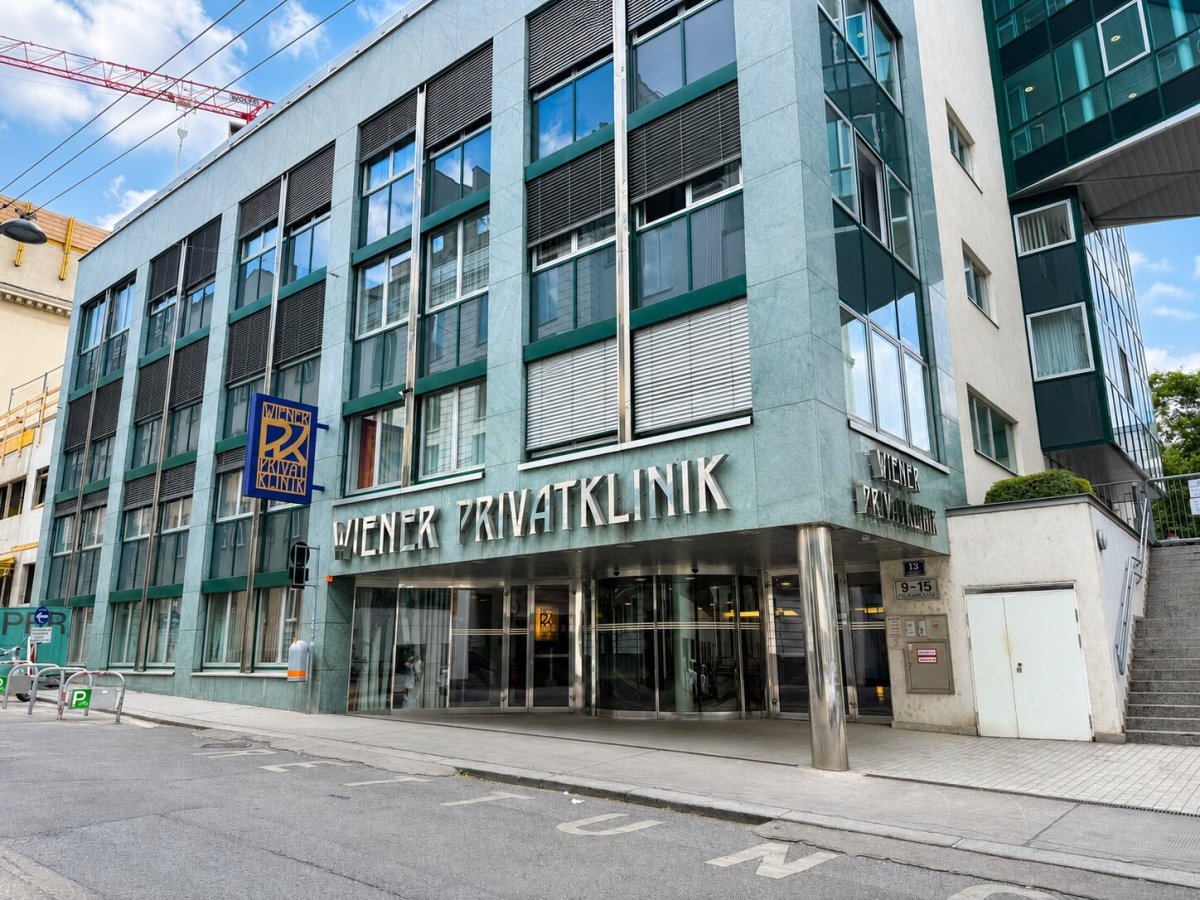
- Clínica privada Wiener (Wiener Privatklinik), Austria
- Vienna General Hospital, Austria
- Armona Medical Alpinresort, Austria
Obtenga una evaluación médica para en Austria: Elija su especialista entre los mejores en el campo
Ver todos los médicos
Walter Klepetko
El Prof. Walter Klepetko fue pionero en el trasplante de pulmón en Austria; su equipo realizó uno de los primeros procedimientos del país y estableció a Viena como un centro líder.
- Más de 30 años de especialización en cirugía torácica y trasplantes de pulmón
- Ex jefe de Cirugía Torácica de la Universidad Médica de Viena
- Realizó el trasplante histórico a la leyenda de la Fórmula 1 Niki Lauda
- Desarrolla técnicas mínimamente invasivas para la oncología torácica
- Líder internacional en investigación de medicina de trasplantes
Artículos relacionados
Ver más
Milagro indio para marinero ucraniano
Escrito por Вероника Казина

El costo asequible de la cirugía de trasplante de riñón: dónde encontrarlo y cómo obtenerlo
Escrito por Ana Hurevska

Historia de éxito de trasplante de hígado: la primera cirugía del mundo para un niño de 5 días
Escrito por Veronika Kazina

Los 5 mejores hospitales de trasplante de riñón en el mundo
Escrito por Ana Hurevska

¿Cuánto cuesta el trasplante de hígado?
Escrito por Kate Labetska
Compartir contenido
Historias en video de pacientes de Bookimed
 Olena Sikoza
Preguntas frecuentes sobre Trasplantología en Austria
¿Qué normas de seguridad y calidad rigen los trasplantes de órganos en Austria?
En Austria, el trasplante de órganos se rige por la Ley de Trasplante de Órganos (OTPG). Esta ley federal garantiza que la selección de donantes y los exámenes médicos cumplan con los estándares médicos modernos. El país también se adhiere a la Directiva 2010/53/UE, que establece estándares uniformes de calidad y seguridad para la obtención de órganos en toda la Unión Europea.
- Marco legal: La Ley OTPG define las condiciones para la extracción de órganos y su uso médico.
- Distribución internacional: Austria es miembro del programa Eurotransplant y sigue normas centralizadas para la distribución transfronteriza.
- Normas de trazabilidad: Todos los órganos deben ser rastreables durante 30 años desde el donante hasta el receptor.
- Unidades especializadas: La obtención de órganos solo la realizan unidades autorizadas de obtención de órganos en hospitales como el Hospital General de Viena (VGH).
Opinión de expertos de Bookimed: El alto índice de seguridad de Austria se debe a la integración de la investigación universitaria en la práctica clínica. El Hospital General de Viena (AKH) atiende a 595 000 pacientes anualmente e incluye 42 institutos universitarios. Esta magnitud permite a cirujanos como el Dr. Walter Klepetko perfeccionar técnicas como la ECMO. El gran flujo de pacientes garantiza la constante realización de pruebas y la actualización de
¿Cuáles son las tasas de supervivencia a 1 y 5 años y los resultados típicos después de un trasplante de riñón o hígado en Austria?
En Austria, la tasa de supervivencia al año para pacientes trasplantados de riñón es del 97,1%, y de aproximadamente el 93,9% a los cinco años. Los resultados de los trasplantes de hígado muestran tasas de supervivencia al año de entre el 81% y el 86%. Estas tasas se encuentran entre las más altas de Europa. Los procedimientos se realizan a través de la red Eurotransplant.
- Supervivencia renal: Los trasplantes de donantes vivos tienen una tasa de supervivencia de casi el 98% durante el primer año.
- Resultados del tratamiento hepático: El uso de dispositivos de preservación de órganos permite mantener tasas de supervivencia al año del trasplante superiores al 81%.
- Volumen de operaciones: En Austria, se realizan 35,4 trasplantes de riñón y 15,6 trasplantes de hígado por millón de habitantes.
- Periodo de recuperación: Tras un trasplante de hígado, los pacientes suelen requerir de 2 a 6 semanas de hospitalización especializada.
- Éxito a largo plazo: El trasplante de riñón reduce los años de vida potencialmente perdidos en más del 75 %.
Opinión experta de Bookimed: Los datos del Hospital General de Viena (VGH) demuestran el impacto de la medicina universitaria de alto volumen en casos raros. El hospital cuenta con 1600 médicos y 42 institutos especializados, que atienden a 595 000 pacientes anualmente. Esta magnitud permi
¿Qué exámenes y pruebas preoperatorias deben someterse los pacientes extranjeros antes de ser incluidos en la lista de espera de trasplantes de Austria?
Para ser incluidos en la lista de espera de trasplantes de Austria, los pacientes internacionales deben someterse a un examen médico, inmunológico y psicosocial exhaustivo. Los requisitos incluyen la tipificación HLA, las pruebas de compatibilidad cruzada y la detección de enfermedades infecciosas como el VIH y la hepatitis. Centros como el Hospital General de Viena (AKH) coordinan estos resultados a través de la fundación Eurotransplant para garantizar la compatibilidad del donante.
- Pruebas inmunológicas: Los pacientes se someten a pruebas de tipificación HLA y de ADN para determinar la compatibilidad genética con el donante.
- Examen para detectar enfermedades infecciosas: Los análisis de sangre obligatorios incluyen pruebas para detectar el VIH, la sífilis, la hepatitis B y la hepatitis C.
- Imágenes de órganos: La evaluación incluye el análisis de los resultados de la resonancia magnética, la tomografía computarizada y la ecografía de la cavidad abdominal.
- Se requiere un informe clínico: un examen dental completo y la vacunación vigente contra la infección neumocócica y la hepatitis.
- Evaluación psicosocial: Las consultas obligatorias evalúan la salud mental, la capacidad de dar consentimiento y la existencia de una red de apoyo en el hogar.
Opinión de expertos de Bookimed: La eficiencia de los procesos suele depe
¿Cuánto tiempo durará todo el proceso de tratamiento, desde la exploración inicial hasta el alta?
En Austria, el trasplante suele durar entre 9 y 15 meses desde la evaluación inicial hasta el alta hospitalaria completa. Esto incluye de 3 a 6 meses para las pruebas multidisciplinarias y la tipificación HLA. La recuperación real tras la cirugía varía según el órgano trasplantado. Los pacientes suelen someterse a un seguimiento ambulatorio intensivo postoperatorio de 1 a 3 meses.
- Cronología de los acontecimientos relacionados con un trasplante de riñón: Todo el proceso dura 8 meses, incluyendo 2 meses en la lista de espera.
- Duración del tratamiento hepático: En promedio, el proceso dura entre 12 y 15 meses debido a los estrictos protocolos de prevención de infecciones durante los 60 días posteriores a la cirugía.
- Duración de la estancia hospitalaria: El periodo de recuperación en el hospital oscila entre 7 días para los riñones y 21 días para el hígado.
- Factores que afectan a las listas de espera: Los acuerdos de donación de órganos en vida pueden reducir los tiempos de espera de meses a semanas.
Opinión de expertos de Bookimed: En Viena, el elevado volumen de ensayos clínicos repercute significativamente en la rapidez de la tramitación administrativa. El Hospital Municipal de Viena (AKH) atiende a 595 000 pacientes anualmente y cuenta con seis laboratorios especializados. Nuestros datos demuestran que las instituciones con esta infraest
¿Qué medicamentos específicos y qué protocolo de terapia inmunosupresor recibirá un paciente extranjero después del trasplante?
Los pacientes internacionales en Austria reciben un protocolo estandarizado de triple terapia tras un trasplante de órganos. Este régimen suele combinar un inhibidor de la calcineurina, como el tacrolimus, con un fármaco antiproliferativo, como el micofenolato de mofetilo. Para favorecer la función del nuevo órgano, se añaden corticosteroides, como la prednisona, cuya dosis se reduce gradualmente a lo largo de varios meses.
- Fase de inducción: Durante la cirugía, los cirujanos administran anticuerpos, como el basiliximab, por vía intravenosa para prevenir el rechazo inmediato.
- Dosis de mantenimiento: Los pacientes pasan a recibir una terapia triple oral de por vida a la dosis efectiva más baja.
- Profilaxis de infecciones: Los protocolos incluyen trimetoprima/sulfametoxazol y valganciclovir para prevenir la neumonía y las infecciones virales.
- Requisitos de monitorización: Durante las primeras etapas de la recuperación, las concentraciones sanguíneas de tacrolimus deben mantenerse en un rango de 8 a 12 ng/ml.
Opinión de expertos de Bookimed: En Austria, el tratamiento crónico con medicamentos suele incluir suplementos de magnesio. Los datos muestran que el tacrolimus a menudo provoca niveles bajos de magnesio en pacientes trasplantados. Las clínicas líderes, como el Hospital General de Viena (AKH), utilizan protocolos europeos armonizados. Es
¿Cuáles son los centros de excelencia reconocidos en Austria para el trasplante de riñón e hígado?
En Austria, el trasplante de órganos se centraliza en cuatro hospitales universitarios autorizados para realizar estos procedimientos. El Hospital General de Viena (AKH) y el Hospital Universitario de Innsbruck son líderes mundiales en trasplantes de riñón e hígado. Estos centros utilizan el sistema de coordinación Eurotransplant para lograr tasas de supervivencia de trasplantes renales superiores al 95 %.
- El Hospital General de Viena (VGH) realiza entre 150 y 200 trasplantes de riñón al año utilizando sistemas robóticos innovadores.
- Hospital Universitario de Innsbruck: Gestiona el OrganLife Centre, un centro especializado en la preservación y regeneración avanzada de órganos.
- Universidad Médica de Graz: Lidera la investigación especializada sobre estrategias de asignación de hígados para casos complejos en lista de espera.
- Experiencia en Viena: El Dr. Walter Klepetko, del AKH de Viena, puso en marcha el programa nacional de trasplante de pulmón.
Opinión experta de Bookimed: Los datos muestran que el Hospital Municipal de Viena (AKH) es un centro médico con seis laboratorios propios y 1600 médicos. Esta infraestructura le permite atender a 595 000 pacientes al año. Este elevado volumen de trabajo le permite llevar a cabo programas especializados de trasplante para incompatibilidades de grupo sanguíneo ABO, algo que los centros regionales