Urología en China — Costos 2026


Revisado médicamente por
Fahad Mawlood
¿Cuál es el precio de procedimientos de Urología en China? Descubra ahora
El tratamiento de urología en China suele costar entre $14,400 y $30,300. Los gastos finales dependen del tipo de centro, como hospitales públicos frente a clínicas internacionales, y de la complejidad del enfoque quirúrgico utilizado. Los pacientes a menudo encuentran ahorros del 50-70% en comparación con los EE. UU. para procedimientos avanzados como la cirugía robótica y los tratamientos oncológicos no invasivos.
Costos típicos de urología en China
- Chequeo básico: Precio a consultar
- Consulta en línea con urólogo: Precio a consultar
- Nefrectomía: $9,500 – $15,500
- Prostatectomía robótica da Vinci: $17,000 – $26,000
- Crioterapia: Precio a consultar
- Embolización de varicocele: Precio a consultar
- Ablación por ultrasonido focalizado de alta intensidad (HIFU): de $8,100
- NanoKnife: de $24,000
- Enucleación prostática con láser de holmio: Precio a consultar
- Extirpación de vejiga: $19,500 – $41,000
Los principales centros de urología se encuentran en Pekín, Shanghái, Cantón y Qingdao. Los costos en Pekín y Shanghái son generalmente más altos, mientras que los tratamientos especializados en ciudades como Dalian o Hainan pueden ser entre un 40 y un 60% más bajos. Consulte con un especialista para obtener precios precisos para sus necesidades médicas específicas.
| China | España | Turquía | |
|---|---|---|---|
| Vaporización (con GreenLight Laser) | de $300 | de $7,500 | de $3,000 |
| Resección transuretral de la vejiga | ≈ $4,500 | ≈ $4,200 | de $6,200 |
| Prostatectomía robótica da Vinci | ≈ $17,000 | de $20,100 | de $11,500 |
| Prostatectomía | ≈ $11,000 | de $17,900 | de $6,900 |
| Nefrectomía | ≈ $9,500 | de $17,700 | de $6,600 |
Todas las enfermedades de Urología
Sus beneficios y garantías con Bookimed
Precios directos
Bookimed no añade cargos extra a los precios de los tratamientos de Urología. Las tarifas proceden de las listas de precios oficiales de las clínicas. Pagará directamente en la clínica por su tratamiento a su llegada al país.
Sólo clínicas y médicos verificados
Bookimed está comprometido con su seguridad. Solo trabajamos con las clínicas que mantienen altos estándares internacionales en el tratamiento de Urología y tienen las licencias necesarias para atender a pacientes internacionales en todo el mundo.
Asistencia 24/7 gratuita
Bookimed ofrece asistencia experta gratuita. Un coordinador médico personal le apoya antes, durante y después del tratamiento, resolviendo cualquier problema. Nunca estará solo en su viaje médico de procedimientos de Urología.

Su coordinador médico personal de Bookimed
- Le apoya en cada etapa
- Ayuda a elegir la clínica y el médico adecuados
- Asegura un acceso rápido y conveniente a la información
Descubra las mejores clínicas de Urología en China: 6 opciones verificadas y Precios


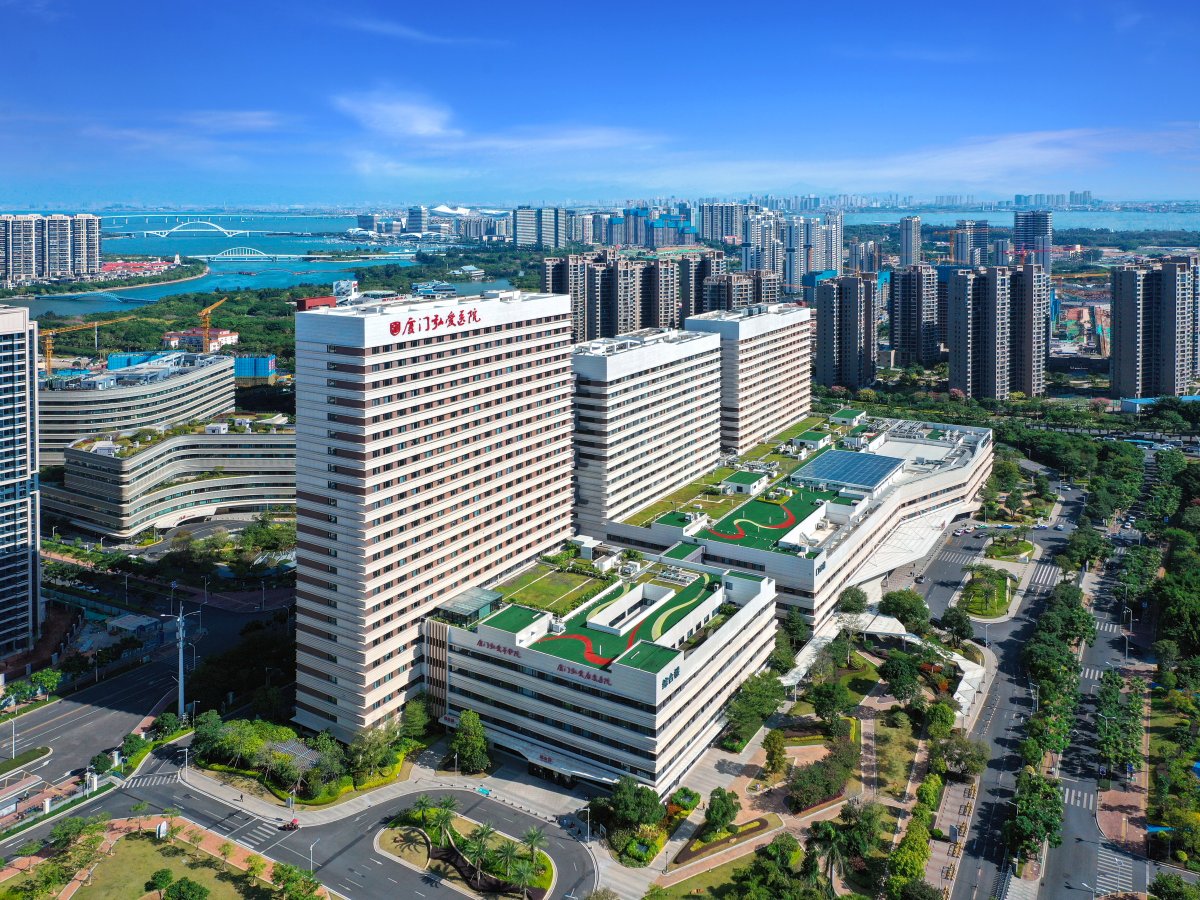
Hospital Xiamen Humanity
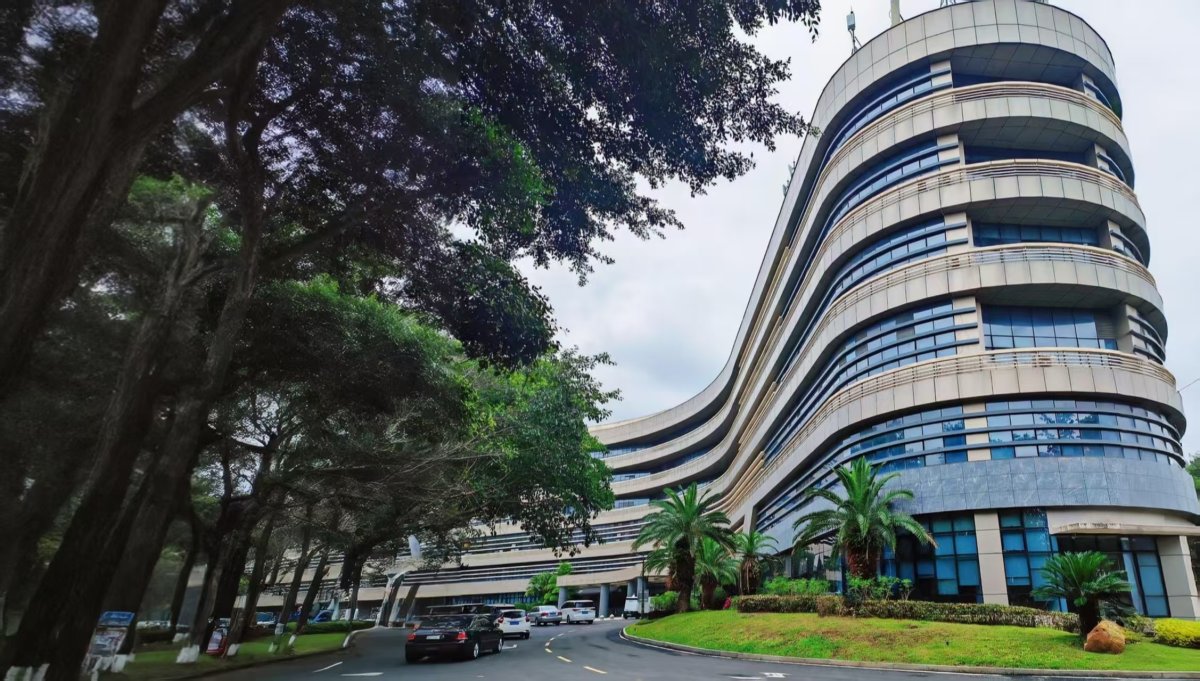
Boao International Medical Center

Fuda Cancer Hospital

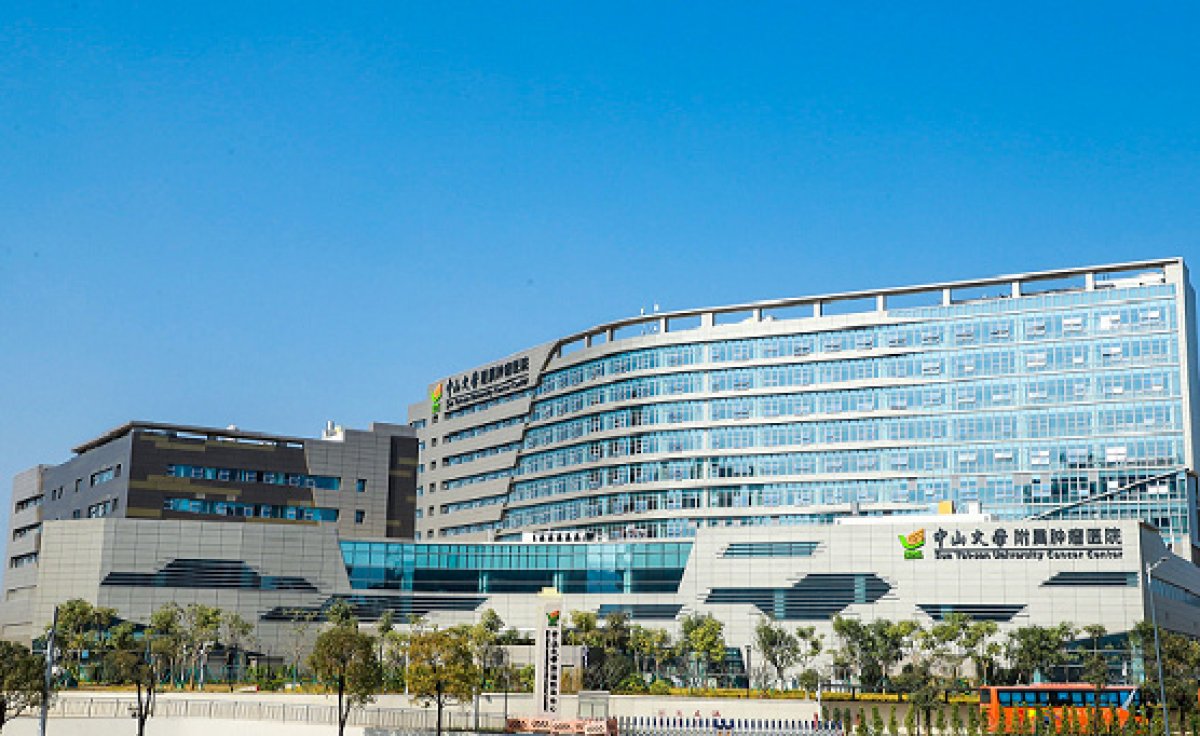


Los mejores centros médicos de Urología en China
- Hospital Internacional Yanda, China
- Hospital Xiamen Humanity, China
- Boao International Medical Center, China
- Fuda Cancer Hospital, China
- Hainan Chengmei Hospital, China
- Sun Yat-sen University Cancer Center (SYSUCC), China
Obtenga una evaluación médica de Urología en China: haga una consulta con 9 médicos experimentados ahora
Ver todos los médicos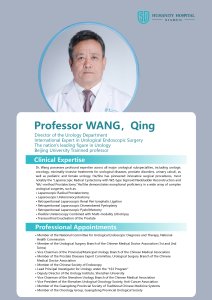
Wang Qing
El Dr. Wang Qing es Director del Departamento de Urología y un experto internacional en cirugía endoscópica urológica. Fue pionero de la cistectomía radical laparoscópica con reconstrucción de neovejiga sigmoidea tipo WZ y de la prostatectomía según el método Wu. Su experiencia abarca la oncología urológica, la cirugía mínimamente invasiva, la patología prostática y los cálculos urinarios.
Domina la prostatectomía radical laparoscópica, la ureteroneocistostomía, la pieloplastia desmemb

Liang Xiaoxiao
La profesora Liang Xiaoxiao es Directora del Departamento y Jefa de Servicio de Neurorrehabilitación. Cuenta con una maestría en neurología. Es experta en neuromodulación para trastornos de la conciencia, la cognición y el movimiento. Su labor se centra en casos de enfermedad cerebrovascular, enfermedad de Parkinson y afecciones relacionadas. También realiza inyecciones de toxina botulínica guiadas por ecografía para el blefaroespasmo, el espasmo hemifacial, la espasticidad de las extremidade

Wang He Tian
Jefe de Medicina Tradicional China en el Hospital Internacional Yanda – El Dr. Wang integra la MTC con la urología moderna para afecciones prostáticas y andrológicas.
- Ganador del premio de la Comisión de Ciencia y Tecnología de Beijing por investigación clínica
- Autor de más de 10 libros clínicos sobre medicina tradicional china
- Director ejecutivo de la Asociación de Medicina Tradicional China de Beijing
- Especialista en enfermedades inflamatorias crónicas y urológicas

Ye Xiongjun
Artículos relacionados

¿Cuáles son los últimos tratamientos para la impotencia?
Escrito por Mariia Mytrofankina

¿Cuánto cuesta el tratamiento de la disfunción eréctil en 2025?
Escrito por Mariia Mytrofankina

¿Cuál es el costo del tratamiento de la prostatitis?
Escrito por Veronika Kazina

¿Cuánto cuesta el tratamiento del adenoma (hiperplasia prostática benigna)?
Escrito por Veronika Kazina
Compartir contenido
Historias en video de pacientes de Bookimed
 Olena Sikoza
Preguntas frecuentes sobre Urología en China
¿Qué hospitales de China son los más conocidos por sus técnicas avanzadas de cirugía urológica?
Entre los principales hospitales chinos especializados en urología moderna se encuentran el Hospital Universitario de Pekín y el Hospital de China Occidental. Estos centros son líderes en cirugía robótica y reconstrucción de vejiga. Instituciones como el Hospital Internacional de Yanda y el Hospital Humanitario de Xiamen ofrecen atención médica acreditada por la JCI. Estas instituciones se especializan en procedimientos laparoscópicos y endoscópicos complejos.
- Técnicas especializadas: los especialistas realizan cistectomía radical laparoscópica con reconstrucción de la vejiga sigma según el tipo WZ.
- Sistemas robóticos: Los centros más importantes utilizan los sistemas da Vinci para realizar prostatectomías y nefrectomías de precisión.
- Calificación del hospital: El Hospital Internacional Janda está acreditado por JCI y funciona como un centro médico de Clase A Nivel III.
- Cirujanos experimentados: El Dr. Wang Qing se especializa en pieloplastia laparoscópica retroperitoneal con incisión peritoneal y litotricia.
Opinión experta de Bookimed: Los datos demuestran una estrecha correlación entre el nivel de formación especializada y la innovación quirúrgica en China. El Dr. Wang Qing, del Hospital Humanitario de Xiamen, fue pionero en el método Wu de prostatectomía. Elegir un cirujano de primer nivel suele garantizar el acceso a estas técnicas m
¿Cómo se integra la medicina tradicional china en el tratamiento urológico en China?
En China, la Medicina Tradicional China (MTC) se integra en la urología como un sistema de salud paralelo a los protocolos médicos occidentales. Este enfoque integral combina la cirugía laparoscópica con infusiones de hierbas y acupuntura. Centros especializados, como el Hospital Internacional Yanda, utilizan la MTC para tratar la prostatitis crónica, los cálculos renales y la recuperación postoperatoria.
- Protocolos híbridos: Las clínicas combinan los estándares quirúrgicos acreditados por la JCI con métodos de tratamiento tradicionales que utilizan medicina herbal y acupuntura.
- Asesoramiento experto: El Dr. Wang He Tian dirige los departamentos de medicina tradicional china especializados en andrología y enfermedades renales.
- Integración quirúrgica: Los cirujanos suelen prescribir remedios a base de hierbas, como Jin Qian Cao, antes de los procedimientos de litotricia.
- Apoyo a pacientes con cáncer: Centros oncológicos integrales como Fuda utilizan la medicina tradicional china para controlar los efectos secundarios de la quimioterapia.
Opinión de expertos de Bookimed: Nuestros datos muestran que los hospitales de categoría III (Clase A) en China, como el Hospital Internacional Yanda, atienden a 2.500.000 pacientes anualmente, integrando 28.500 tecnologías modernas con la medicina tradicional china (MTC). Este volumen demuestra que la int
¿Mi seguro médico internacional cubrirá el tratamiento urológico en China?
El seguro médico internacional cubre el tratamiento urológico en China si la afección es médicamente necesaria y no existen enfermedades preexistentes. La cobertura depende de su póliza específica y de la acreditación del hospital. Las grandes aseguradoras, como Cigna o Allianz, suelen facturar directamente a las instituciones acreditadas por la JCI por los procedimientos y cirugías que requieren hospitalización.
- Factor de acreditación: Las instituciones médicas acreditadas por JCI, como el Hospital Internacional Yanda, garantizan que los estándares de facturación cumplen con los requisitos internacionales.
- Facturación directa: Las clínicas internacionales privadas en Pekín o Shanghái suelen ofrecer la facturación directa a las compañías de seguros.
- Aprobación previa: Las compañías de seguros requieren aprobación entre 1 y 2 semanas antes de cirugías o procedimientos urológicos importantes.
- Categorías de exclusión: Las pólizas de seguro generalmente no cubren tratamientos electivos o relacionados con el estilo de vida, como los tratamientos para la infertilidad o la disfunción sexual.
Según los expertos de Bookimed: Las estadísticas de más de un millón de pacientes atendidos anualmente en el Hospital Humanitario de Xiamen demuestran que los centros especializados tienen mayor probabilidad de procesar las reclamaciones de seguros de manera
¿Cuál es el tiempo de espera habitual para los pacientes internacionales que necesitan una consulta o cirugía urológica?
Los pacientes extranjeros en China suelen tener tiempos de espera mínimos para las citas con urólogos. En las clínicas privadas, las consultas se programan con frecuencia en un plazo de 2 a 7 días. Las cirugías electivas, incluidos los procedimientos laparoscópicos y la litotricia, se programan generalmente entre 1 y 4 semanas después de la aprobación clínica y el pago del depósito.
- Rapidez en la reserva de citas: Las clínicas internacionales privadas suelen programar las consultas con especialistas en un plazo de 2 a 14 días.
- Planificación quirúrgica: La mayoría de las cirugías urológicas se realizan entre 1 y 4 semanas después de su aprobación.
- Plazo de diagnóstico: Los procedimientos de diagnóstico avanzados, como la ureteroscopia flexible, suelen completarse en un plazo de 3 a 5 días.
- Durante las temporadas altas: Durante el Año Nuevo Chino y los meses de verano, los tiempos de espera habituales pueden aumentar significativamente.
Opinión de un experto de Bookimed: En China, el volumen de pacientes atendidos es un indicador fiable de eficacia. El Dr. Wang Qing, del Hospital Humanitario de Xiamen, dirige un departamento en una institución que atiende a 1.000.000 de pacientes al año. Los grandes centros terciarios, como este o el Hospital Internacional de Yanda, suelen contar con la infraestructura necesaria para procesar la documentaci
¿Los centros más importantes cuentan con personal médico que hable inglés?
Los principales centros de urología de China suelen proporcionar personal médico angloparlante a sus departamentos internacionales. Instituciones como el Hospital Internacional de Yanda y el Hospital Oncológico de Fuda cuentan con la acreditación JCI. Este estándar exige protocolos de comunicación claros. Muchos cirujanos de renombre también han recibido formación internacional en instituciones como la Universidad de Pekín.
- Departamentos Internacionales: Los centros acreditados por JCI cuentan con unidades especializadas para brindar atención a pacientes internacionales en inglés.
- Experiencia: Líderes como el Dr. Wang Qing son expertos reconocidos internacionalmente en cirugía endoscópica.
- El Hospital Internacional Janda ofrece atención médica a gran escala: atiende a 2.500.000 pacientes al año, incluidos los procedentes de países occidentales.
- Apoyo lingüístico: Hospitales como el Hospital Humanitario de Xiamen atienden específicamente a pacientes de Europa y de los países de la Commonwealth.
Opinión de expertos de Bookimed: Nuestros datos muestran una correlación entre el estatus de investigación de una clínica y su dominio del inglés. Los hospitales terciarios acreditados para ensayos clínicos de fase I a IV, como el Hospital Humanitario de Xiamen, suelen tener más personal angloparlante. Estos médicos deben cumplir con los protocolos