Urología en Austria — Costos 2026


Revisado médicamente por
Fahad Mawlood
¿Cuál es el precio de procedimientos de Urología en Austria? Descubra ahora
El costo de urología en Austria suele oscilar entre $17,200 y $29,900. Los precios finales dependen del tipo de clínica, la complejidad del caso quirúrgico y si se utiliza tecnología robótica como el sistema da Vinci. Los pacientes a menudo pueden encontrar ahorros de alrededor del 30-40% en comparación con los Estados Unidos.
Costos típicos de urología en Austria
- Consulta con un urólogo: de $140
- Chequeo masculino: Precio a consultar
- Circuncisión: Precio a consultar
- Vasectomía: Precio a consultar
- Nefrectomía: $14,500 – $21,000
- Prostatectomía robótica da Vinci: $17,500 – $24,000
- Terapia con células madre para la disfunción eréctil: Precio a consultar
- Embolización de varicocele: Precio a consultar
- Corrección de curvatura peneana: Precio a consultar
- Terapia de reemplazo hormonal bioidéntica (TRHB): Precio a consultar
Los principales centros urológicos se encuentran principalmente en Viena, Graz y Graz-Ragnitz. Si bien las clínicas privadas en Viena ofrecen servicios de primera calidad, los centros especializados en otros centros pueden ofrecer tarifas competitivas. Consulte con un especialista para obtener precios precisos para sus necesidades médicas específicas.
| Austria | España | Turquía | |
|---|---|---|---|
| Vaporización (con GreenLight Laser) | ≈ $5,200 | de $7,500 | de $3,000 |
| Resección transuretral de la vejiga | ≈ $4,800 | ≈ $4,200 | de $6,200 |
| Prostatectomía robótica da Vinci | ≈ $17,500 | de $20,100 | de $11,500 |
| Prostatectomía | ≈ $16,500 | de $17,900 | de $6,900 |
| Nefrectomía | ≈ $14,500 | de $17,700 | de $6,600 |
Todas las enfermedades de Urología
Sus beneficios y garantías con Bookimed
Precios directos
Bookimed no añade cargos extra a los precios de los tratamientos de Urología. Las tarifas proceden de las listas de precios oficiales de las clínicas. Pagará directamente en la clínica por su tratamiento a su llegada al país.
Sólo clínicas y médicos verificados
Bookimed está comprometido con su seguridad. Solo trabajamos con las clínicas que mantienen altos estándares internacionales en el tratamiento de Urología y tienen las licencias necesarias para atender a pacientes internacionales en todo el mundo.
Asistencia 24/7 gratuita
Bookimed ofrece asistencia experta gratuita. Un coordinador médico personal le apoya antes, durante y después del tratamiento, resolviendo cualquier problema. Nunca estará solo en su viaje médico de procedimientos de Urología.

Su coordinador médico personal de Bookimed
- Le apoya en cada etapa
- Ayuda a elegir la clínica y el médico adecuados
- Asegura un acceso rápido y conveniente a la información
Descubra las mejores clínicas de Urología en Austria: 7 opciones verificadas y Precios




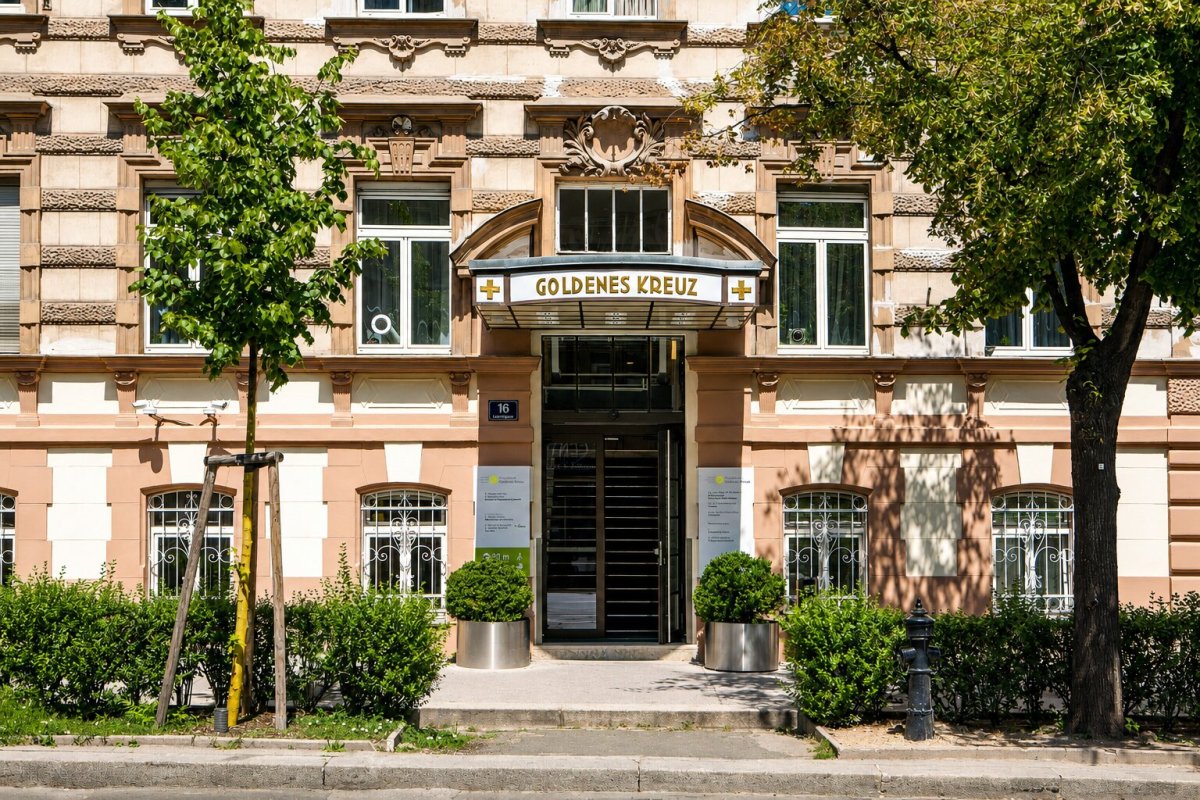
Confraternitaet & Goldenes Kreuz Private Hospital




Clínica Privada Leech

Los mejores centros médicos de Urología en Austria
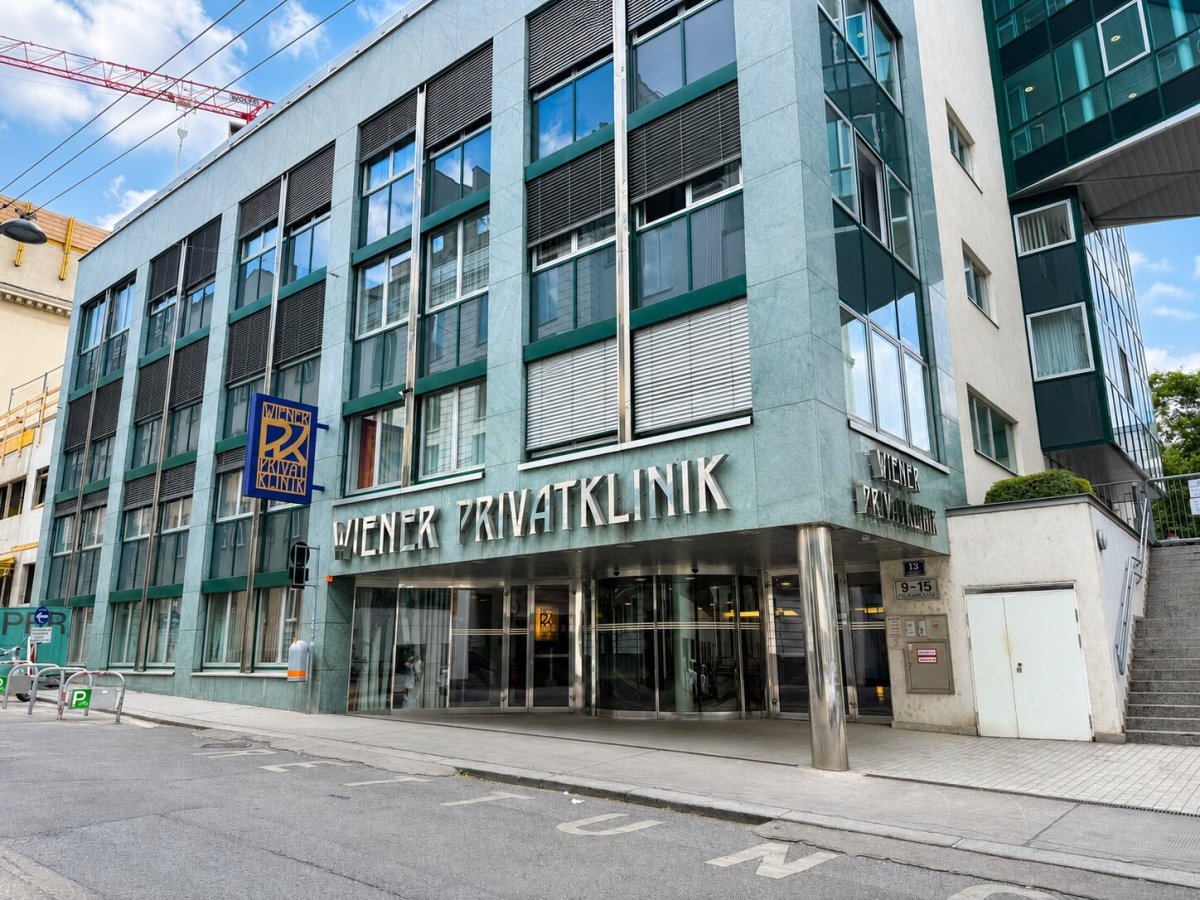
- Clínica privada Wiener (Wiener Privatklinik), Austria
- Confraternitaet & Goldenes Kreuz Private Hospital, Austria
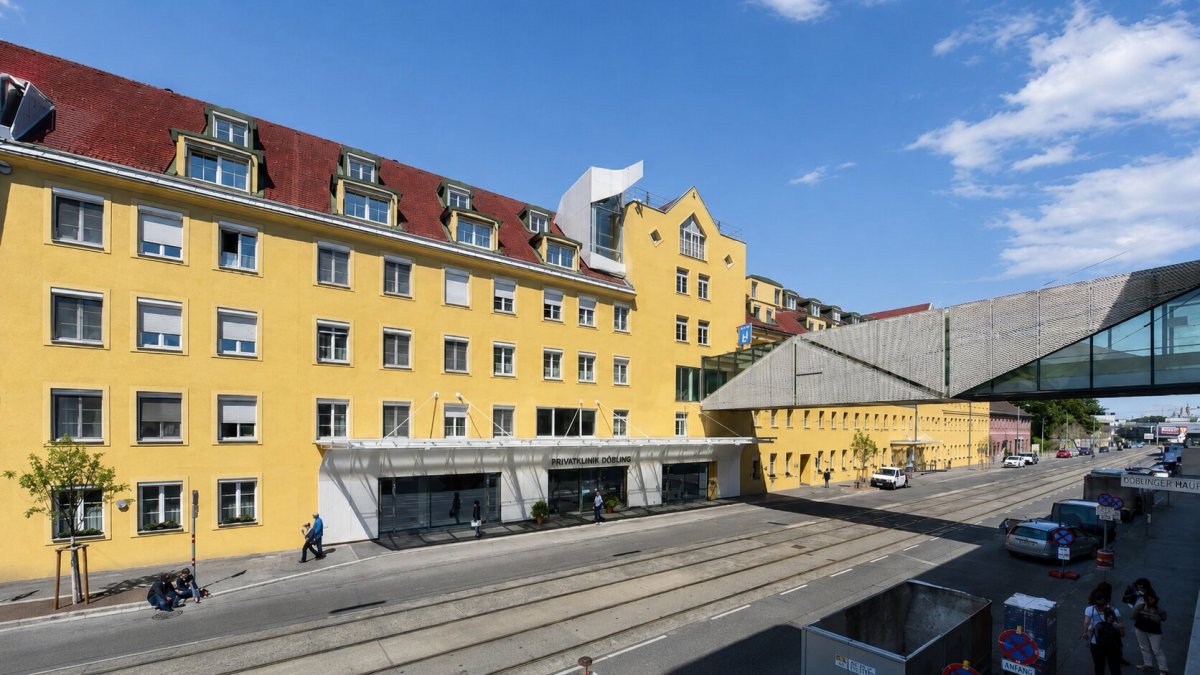
- Döbling Private Clinic, Austria
- Vienna General Hospital, Austria
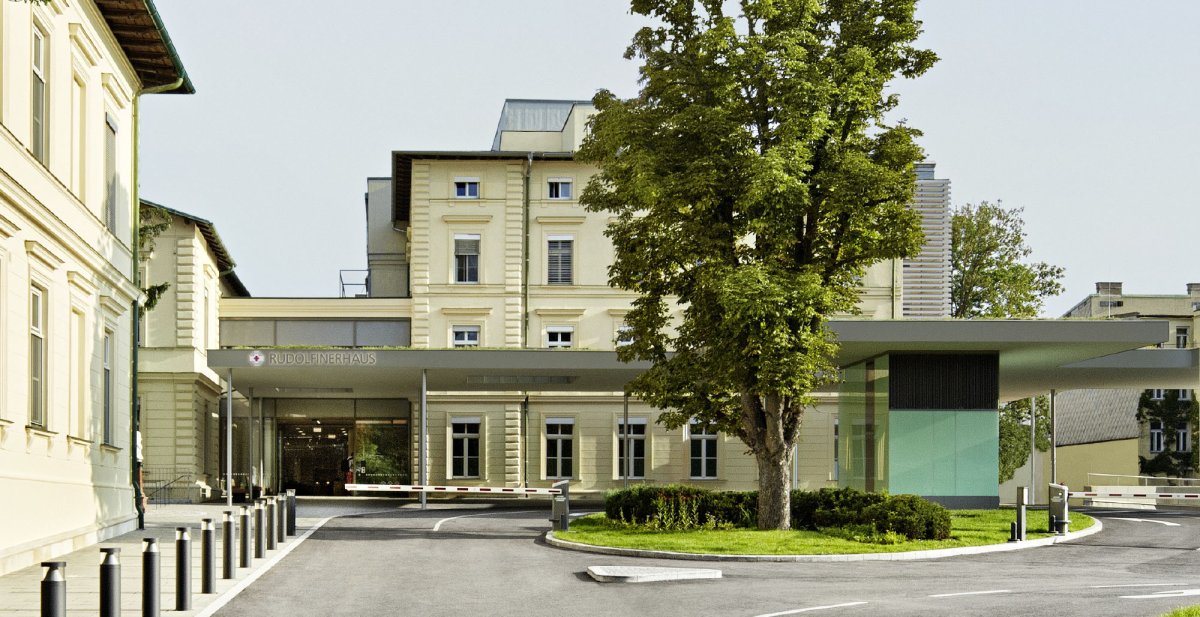
- Rudolfinerhaus, Austria
- Clínica Privada Leech, Austria
- Armona Medical Alpinresort, Austria
Obtenga una evaluación médica para en Austria: Elija su especialista entre los mejores en el campo
Ver todos los médicos
Georg Shatzl
El Univ. Prof. Dr. Georg Schatzl es un destacado urólogo austriaco con más de 30 años de experiencia en oncología urológica y urología reconstructiva en la Wiener Privatklinik.
- Se especializa en técnicas de prostatectomía con preservación nerviosa
- Profesor asociado en la Universidad Médica de Viena
- Ha publicado extensamente sobre la terapia del cáncer urológico
- Realiza cirugías laparoscópicas complejas y de reproducción masculina
Reseñas
Todas las reseñasArtículos relacionados

¿Cuáles son los últimos tratamientos para la impotencia?
Escrito por Mariia Mytrofankina

¿Cuánto cuesta el tratamiento de la disfunción eréctil en 2025?
Escrito por Mariia Mytrofankina

¿Cuál es el costo del tratamiento de la prostatitis?
Escrito por Veronika Kazina

¿Cuánto cuesta el tratamiento del adenoma (hiperplasia prostática benigna)?
Escrito por Veronika Kazina
Compartir contenido
Historias en video de pacientes de Bookimed
 Olena Sikoza
Preguntas frecuentes sobre Urología en Austria
¿Cuándo debo consultar por primera vez a un urólogo para una revisión?
Se recomienda la primera exploración urológica a los 40 años para quienes tienen antecedentes familiares o factores de alto riesgo. Los hombres con riesgo promedio deben comenzar a realizarse exámenes de próstata periódicos a partir de los 50 años. Es necesario acudir al médico de inmediato ante síntomas como sangre en la orina, dolor pélvico o problemas de fertilidad.
- A los 40 años: Los pacientes de alto riesgo deben someterse a una evaluación de la salud de su próstata al inicio del estudio y a pruebas de detección de cáncer.
- Los 50 años es la edad estándar a partir de la cual los hombres deberían comenzar a realizarse exámenes anuales de próstata.
- Cuándo consultar a un médico según sus síntomas: Es necesaria una consulta inmediata si experimenta cambios en la micción, crecimientos testiculares o dolor persistente.
- Opciones de diagnóstico: Las clínicas austriacas ofrecen exámenes para hombres y pruebas de detección premium a partir de Precio a consultar.
Opinión experta de Bookimed: Los datos sobre el volumen de pacientes en centros importantes como el Hospital General de Viena (AKH), que atiende a 595 000 pacientes al año, sugieren que las grandes instituciones públicas están gestionando bien la elevada carga de trabajo. Para evitar la espera de 2 a 6 meses para obtener resultados en instituciones públicas, considere clínicas privad
¿Qué tratamientos modernos existen para el cáncer de próstata?
En Austria, los métodos modernos para el tratamiento del cáncer de próstata priorizan la precisión mediante cirugía robótica, terapia focal y diagnósticos específicos. Centros líderes como la Clínica Privada de Viena y el Hospital General de Viena (AKH) utilizan la tomografía por emisión de positrones (PET) con PSMA para una estadificación precisa de la enfermedad. Las opciones de tratamiento abarcan desde la prostatectomía robótica con el sistema da Vinci hasta el diagnóstico ecográfico no invasivo y la crioterapia.
- Cirugía robótica: los sistemas da Vinci permiten realizar prostatectomías radicales mínimamente invasivas con una recuperación más rápida.
- Terapia focal: El ultrasonido de alta intensidad (HIFU) y la crioterapia se dirigen a los tumores preservando la función eréctil.
- Diagnóstico avanzado: La tomografía por emisión de positrones /tomografía computarizada (PET/CT) con galio-68 (PSMA) permite determinar con precisión la extensión del cáncer para planificar el tratamiento.
- Radioterapia dirigida: la SBRT administra altas dosis de radiación en múltiples sesiones, minimizando el daño al tejido sano.
Opinión experta de Bookimed: La precisión en Austria comienza con la fase de diagnóstico. Los datos muestran que la PET/TC con escaneo especializado mediante galio-68 (PSMA) es un elemento central de los protocolos modernos. Grandes cen
¿Existen tratamientos no quirúrgicos para los cálculos renales?
En Austria, los tratamientos no quirúrgicos para los cálculos renales incluyen medicamentos, agentes disolventes y litotricia extracorpórea por ondas de choque (LEOC). Los médicos suelen recomendar estos tratamientos para cálculos de menos de 10 mm. Clínicas especializadas en Viena y Graz ofrecen estos tratamientos, utilizando técnicas avanzadas de diagnóstico por imagen para monitorizar de forma segura la expulsión de los cálculos.
- Observación: Los cálculos pequeños, de menos de 5 mm de tamaño, suelen expulsarse de forma natural con abundante agua y analgésicos.
- Tratamiento farmacológico: Los alfabloqueantes, como la tamsulosina, relajan el uréter, acelerando la expulsión de los cálculos.
- Terapia de disolución: Algunos medicamentos orales pueden disolver los cálculos de ácido úrico al reducir la acidez de la orina.
- Litotricia por ondas de choque: La litotricia extracorpórea por ondas de choque (LEOC) utiliza ondas sonoras externas para fragmentar los cálculos en trozos que pueden eliminarse mediante lavado.
Opinión de los expertos de Bookimed: Los datos de los principales centros austriacos, como el Hospital General de Viena (AKH), demuestran que combinar el análisis precoz de cálculos con la terapia farmacológica mejora significativamente los resultados del tratamiento. En clínicas con un alto volumen de pacientes, los tiempos de espera
¿Los hospitales austriacos cuentan con personal que hable inglés?
Los profesionales sanitarios austriacos suelen dominar el inglés, sobre todo en los centros urbanos y las clínicas privadas. Si bien el alemán es el idioma principal, los médicos a menudo se forman en el extranjero y se rigen por los estándares europeos. Centros especializados, como la Wiener Privatklinik, ofrecen un entorno multilingüe adaptado a pacientes internacionales que buscan atención urológica.
- Competencia lingüística: La mayoría de los urólogos, incluido el profesor Georg Schatzl, dominan el inglés.
- Clínicas privadas: Instituciones como el Hospital Privado Döbling implementan objetivos internacionales de seguridad del paciente y brindan asistencia en inglés.
- Factor de ubicación: Los hospitales de Viena, como el AKH, ofrecen un mejor acceso al inglés que los centros regionales más pequeños.
- Personal de apoyo: El personal administrativo y médico de las clínicas privadas tiende a comunicarse de forma más eficaz en inglés.
Opinión experta de Bookimed: Los datos revelan una clara distinción entre la comunicación administrativa y la médica en Austria. Si bien más de 1600 médicos del Hospital General de Viena (AKH) utilizan el inglés como idioma estándar, los pacientes deben tener en cuenta que las clínicas más pequeñas, como el Armona Medical Alpinresort, suelen especializarse en tratamientos de rehabilitación, donde el alemán sigue s
¿Puedo obtener una segunda opinión de forma remota?
En Austria, puede obtener una segunda opinión urológica a distancia mediante consultas en línea. Los urólogos revisarán su historial clínico y los resultados de las pruebas de imagen para confirmar un diagnóstico o un plan de tratamiento. Estas consultas suelen abarcar afecciones de la próstata, cirugía renal y procedimientos robóticos, sin necesidad de viajar inmediatamente a Viena o Graz.
- Métodos de consulta: Los especialistas realizan videollamadas y proporcionan informes escritos a través de portales en línea seguros.
- Acceso a expertos: Los pacientes pueden contactar con profesores de instituciones líderes como la Universidad Médica de Viena.
- Documentos requeridos: resultados de la PET-CT, preparaciones histológicas y una anamnesis detallada.
- Plazo: Las pruebas diagnósticas y la planificación del tratamiento suelen completarse en un plazo de 10 días.
Opinión de expertos de Bookimed: Los datos clínicos muestran que las clínicas privadas, como Wiener Privatklinik y Döbling Private Hospital, son más accesibles para consultas a distancia que los hospitales universitarios públicos. Si bien el AKH de Viena atiende a aproximadamente 600 000 pacientes al año, los especialistas privados suelen ofrecer citas más rápidas para obtener segundas opiniones de médicos internacionales. Elegir un médico que también sea profesor universitario garantiza
¿Cómo funciona el pago para los visitantes?
En Austria, el pago de los servicios urológicos se realiza mediante tarjeta de crédito o transferencia bancaria. Las consultas y las pruebas diagnósticas suelen requerir pago por adelantado. Los hospitales públicos aceptan la Tarjeta Sanitaria Europea (TSE) en casos de urgencia. Las clínicas privadas, como la Vienna Privatklinik, exigen el pago directo de los procedimientos y cirugías urológicas especializadas.
- Se aceptan los siguientes métodos de pago: las tarjetas de crédito y la tarjeta EC-Karte son habituales en las clínicas de Viena y Graz.
- Para los visitantes de la UE: La Tarjeta Sanitaria Europea cubre la atención médica de urgencia, pero los médicos privados suelen cobrar un suplemento.
- Proceso de facturación: Una vez finalizados los asuntos médicos, las clínicas emiten facturas detalladas para que la compañía de seguros realice el reembolso.
- Pago por adelantado: Los pacientes no pertenecientes a la UE generalmente pagan los servicios de diagnóstico antes de ser dados de alta de los centros de salud privados.
Opinión de expertos de Bookimed: Los datos de grandes centros austriacos, como el Hospital General de Viena (AKH), muestran un enorme volumen de pacientes de 595.000 al año. Esta magnitud permite un sistema de facturación claro y estructurado para pacientes internacionales. Las clínicas mejor valoradas, como el Hospital Priva
¿Cómo se realiza un examen de próstata estándar?
Un examen prostático estándar en Austria incluye un tacto rectal y un análisis de sangre para medir el PSA (antígeno prostático específico). El médico examina la próstata para evaluar su tamaño, textura e irregularidades con un dedo lubricado. Este examen dura menos de un minuto. También se extrae sangre para medir los niveles de proteínas e identificar posibles problemas.
- Exploración física: El médico palpa la glándula prostática a través de la pared rectal para detectar nódulos anormales.
- Posición del cuerpo: Los pacientes suelen inclinarse sobre la mesa o tumbarse de lado.
- Comodidad del paciente: El procedimiento provoca una breve sensación de presión o urgencia para orinar, en lugar de dolor.
- Prueba de PSA: Para obtener resultados precisos, los médicos suelen recomendar abstenerse de tener relaciones sexuales durante 48 horas.
Opinión experta de Bookimed: Los datos de los principales centros austriacos, como el Hospital General de Viena (AKH), muestran una tendencia hacia los exámenes masculinos completos en lugar de las revisiones individuales. Estas clínicas utilizan sus propios laboratorios para proporcionar resultados en un plazo de 10 días. Los pacientes suelen optar por clínicas privadas, como la Vienna Privatklinik, para tener acceso directo a especialistas como el Dr. Georg Schatzl, quien dirige grupos nacionales de investigac