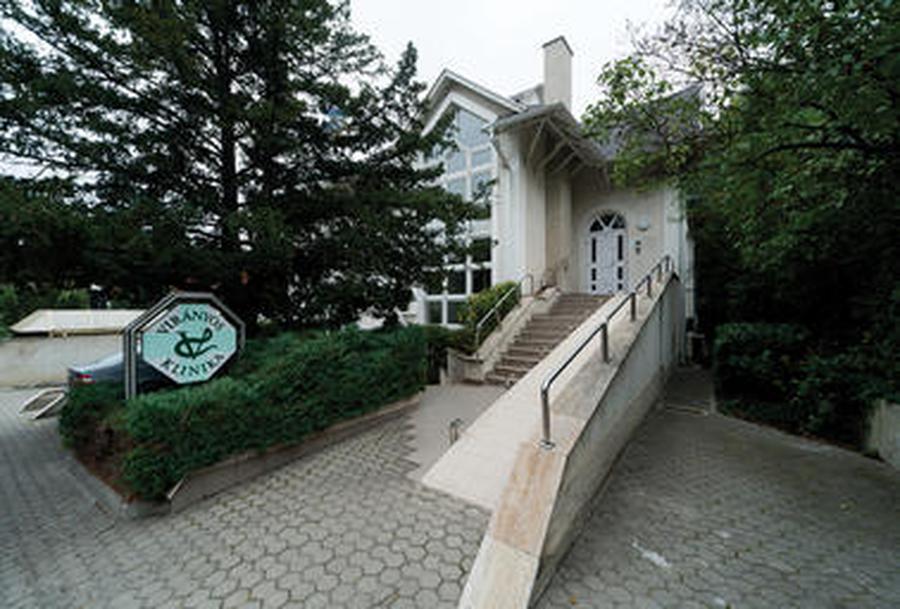
Perfect Laser
Hungría, Budapest


Revisado médicamente por
Fahad Mawlood
Bookimed no añade cargos extra a los precios de los tratamientos de Urología. Las tarifas proceden de las listas de precios oficiales de las clínicas. Pagará directamente en la clínica por su tratamiento a su llegada al país.
Bookimed está comprometido con su seguridad. Solo trabajamos con las clínicas que mantienen altos estándares internacionales en el tratamiento de Urología y tienen las licencias necesarias para atender a pacientes internacionales en todo el mundo.
Bookimed ofrece asistencia experta gratuita. Un coordinador médico personal le apoya antes, durante y después del tratamiento, resolviendo cualquier problema. Nunca estará solo en su viaje médico de procedimientos de Urología.


Escrito por Mariia Mytrofankina

Escrito por Mariia Mytrofankina

Escrito por Veronika Kazina

Escrito por Veronika Kazina
 Olena Sikoza
Los centros de urología en Hungría mantienen altos estándares a través de una formación médica alineada con la Unión Europea y certificaciones internacionales. Los cirujanos deben completar un título de medicina de 6 años seguido de una residencia de 5 años. Instalaciones como el Liv Duna Medical Center en Budapest a menudo poseen certificaciones de gestión de calidad ISO 9001 o TÜV NORD.
Perspectiva del experto de Bookimed: La urología húngara destaca porque muchos especialistas, como el Dr. Karoly Nagy, completan becas de investigación de varios años en Alemania, Dinamarca o Suecia. Este fuerte enfoque en el intercambio académico internacional significa que los pacientes a menudo acceden a protocolos quirúrgicos de Europa Occidental en clínicas con sede en Budapest. Algunos centros incluso atienden a más de 85,000 pacientes al año, lo que sugiere una eficiencia diagnóstica muy alta.
Una cirugía urológica mayor en Hungría requiere normalmente una estancia hospitalaria de 2 a 5 días. Los procedimientos mínimamente invasivos suelen permitir el alta en 1 o 2 días. La recuperación completa suele durar de 4 a 8 semanas. Los pacientes suelen retomar sus rutinas diarias ligeras después de 3 a 4 semanas.
Perspectiva de expertos de Bookimed: Los datos de centros de primer nivel como el Liv Duna Medical Center en Budapest muestran un cambio hacia una recuperación rápida. Con 7 quirófanos avanzados y urólogos especializados como el Dr. Karoly Nagy, estas instalaciones a menudo logran altas en 48 horas para casos mayores. Esta eficiencia se debe a una gestión de calidad certificada por ISO y planes de atención postoperatoria altamente personalizados.
Consenso de los pacientes: Los pacientes señalan que, aunque están móviles desde el primer día, las semanas iniciales en ca
Los pacientes internacionales de urología en Hungría deben traer un resumen detallado de su historial médico, imágenes recientes en medios digitales compatibles con DICOM y una lista completa de medicamentos. Las clínicas húngaras a menudo repiten análisis de sangre, análisis de orina y pruebas de detección de enfermedades infecciosas a la llegada. Estas pruebas garantizan que los datos clínicos cumplan con los estándares de salud locales de la UE. La identificación y el comprobante de seguro son obligatorios.
Perspectiva de expertos de Bookimed: Si bien muchos pacientes traen resultados recientes, los 85,000 pacientes anuales en el Liv Duna Medical Center sugieren un patrón donde las repeticiones de laboratorio local no son negociables para la seguridad quirúrgica. Esta clínica utiliza sistemas certificados por TÜV NORD ISO. Esto significa que deben verificar todos los datos de diagnóstico inter
Los pacientes extranjeros en Hungría acceden al apoyo posterior al tratamiento a través de consultas digitales y documentación médica detallada. Los centros especializados proporcionan informes operativos y datos de imágenes en inglés para garantizar que los médicos locales puedan gestionar la atención de seguimiento. Clínicas líderes como el Liv Duna Medical Center utilizan sistemas de calidad certificados por ISO para mantener altos estándares en la comunicación internacional con los pacientes.
Perspectiva del experto de Bookimed: Los datos de instalaciones de Budapest como el Liv Duna Medical Center, que atiende a 85.000 pacientes al año, muestran que el volumen se correlaciona con la eficiencia administrativa. Los centros de gran volumen suelen ofrecer apoyo de t
Budapest es el centro principal de urología avanzada y servicios para pacientes internacionales en Hungría. La capital alberga instalaciones especializadas como el Liv Duna Medical Center y el Hospital Medicover. Estos centros ofrecen cirugías complejas, incluyendo prostatectomías y procedimientos de preservación renal. La mayoría de las clínicas ofrecen asistencia multilingüe para viajeros internacionales.
Perspectiva del experto de Bookimed: Las clínicas de Budapest destacan porque centralizan múltiples especialidades bajo un mismo techo. Por ejemplo, el Liv Duna Medical Center opera 32 departamentos con 250 médicos. Esta escala permite a los urólogos colaborar instantáneamente con oncólogos o nefrólogos. Dicha atención multidisciplinaria rara vez está disponible en ciudades húngaras más pequeñas como Debrecen o Győr.
Consenso de los pacientes:
Las cirugías urológicas en Hungría implican una gestión estandarizada de los efectos secundarios comunes, como la incontinencia urinaria y la disfunción eréctil. Los centros húngaros utilizan técnicas laparoscópicas y de preservación nerviosa para avanzar hacia tasas de éxito del 90 % en la recuperación funcional. Las clínicas especializadas en Budapest ofrecen protocolos de rehabilitación estructurados y atención de seguimiento avanzada.
Perspectiva del experto de Bookimed: Los indicadores de calidad para la urología en Budapest están vinculados a antecedentes académicos internacionales. Cirujanos como el Dr. Karoly Nagy en el Liv Duna Medical Center poseen certificaciones de la Asociación Europea de Urología (EAU) y becas de instituciones de primer nivel en Alemania y Suecia. Este nivel de formación t
Las cicatrices urológicas robóticas o laparoscópicas son mínimas, midiendo generalmente de 5 a 12 mm. Estas pequeñas incisiones suelen desvanecerse hasta convertirse en líneas finas y tenues en un plazo de 12 meses. La mayoría de los pacientes informan que las cicatrices de la cirugía robótica multi-puerto se vuelven puntos pálidos casi invisibles después de un año de curación.
Perspectiva del experto de Bookimed: Los centros de alto volumen como el Liv Duna Medical Center, que atiende a 85,000 pacientes al año, a menudo utilizan equipos quirúrgicos especializados. Nuestros datos muestran que las clínicas con departamentos de urología dedicados y especialistas con doctorado, como el Dr. Karoly Nagy, priorizan las técnicas laparoscópicas avanzadas. Esta experiencia a menudo resulta en una colocación de incisiones más precisa, lo que mejora d