Urología en Alemania: las 40 mejores clínicas con opiniones de pacientes


Revisado médicamente por
Fahad Mawlood
¿Cuál es el precio de procedimientos de Urología en Alemania? Descubra ahora
El costo de urología en Alemania promedia típicamente entre $14,200 y $22,900. Los precios finales dependen de la técnica quirúrgica específica, la duración de la estancia hospitalaria y los honorarios del cirujano regulados por el sistema GOÄ. Los pacientes internacionales pueden ahorrar aproximadamente entre un 40 y un 50% en comparación con los costos de procedimientos similares en los EE. UU.
Costos típicos de urología en Alemania
- Consulta con un urólogo: de $180
- Examen urológico: de $830
- PET-CT con Galio 68 (PSMA): Precio a consultar
- Circuncisión: Precio a consultar
- Vasectomía: Precio a consultar
- Nefrectomía: de $13,500
- Prostatectomía robótica da Vinci: $17,000 – $22,000
- Terapia con células madre para la disfunción eréctil: Precio a consultar
- Embolización de varicocele: Precio a consultar
- Corrección de curvatura peneana: Precio a consultar
Los centros de urología especializados se encuentran principalmente en Berlín, Múnich, Hamburgo, Fráncfort y Dortmund. Los precios en los grandes hospitales universitarios de Berlín o Múnich pueden ser ligeramente más altos que en los centros regionales. Consulte con un especialista para obtener precios precisos para sus necesidades médicas específicas.
Todas las enfermedades de Urología
Sus beneficios y garantías con Bookimed
Precios directos
Bookimed no añade cargos extra a los precios de los tratamientos de Urología. Las tarifas proceden de las listas de precios oficiales de las clínicas. Pagará directamente en la clínica por su tratamiento a su llegada al país.
Sólo clínicas y médicos verificados
Bookimed está comprometido con su seguridad. Solo trabajamos con las clínicas que mantienen altos estándares internacionales en el tratamiento de Urología y tienen las licencias necesarias para atender a pacientes internacionales en todo el mundo.
Asistencia 24/7 gratuita
Bookimed ofrece asistencia experta gratuita. Un coordinador médico personal le apoya antes, durante y después del tratamiento, resolviendo cualquier problema. Nunca estará solo en su viaje médico de procedimientos de Urología.

Su coordinador médico personal de Bookimed
- Le apoya en cada etapa
- Ayuda a elegir la clínica y el médico adecuados
- Asegura un acceso rápido y conveniente a la información
Descubra las mejores clínicas de Urología en Alemania: 40 opciones verificadas y Precios










Hospital Havelhoehe





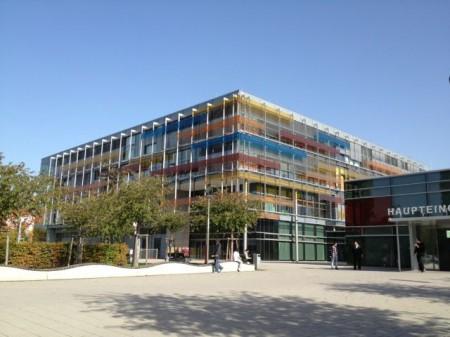
University Hospital in Haydelberge

Kerckhoff clinic
Los mejores centros médicos de Urología en Alemania
- Medical Center in Solingen, Alemania
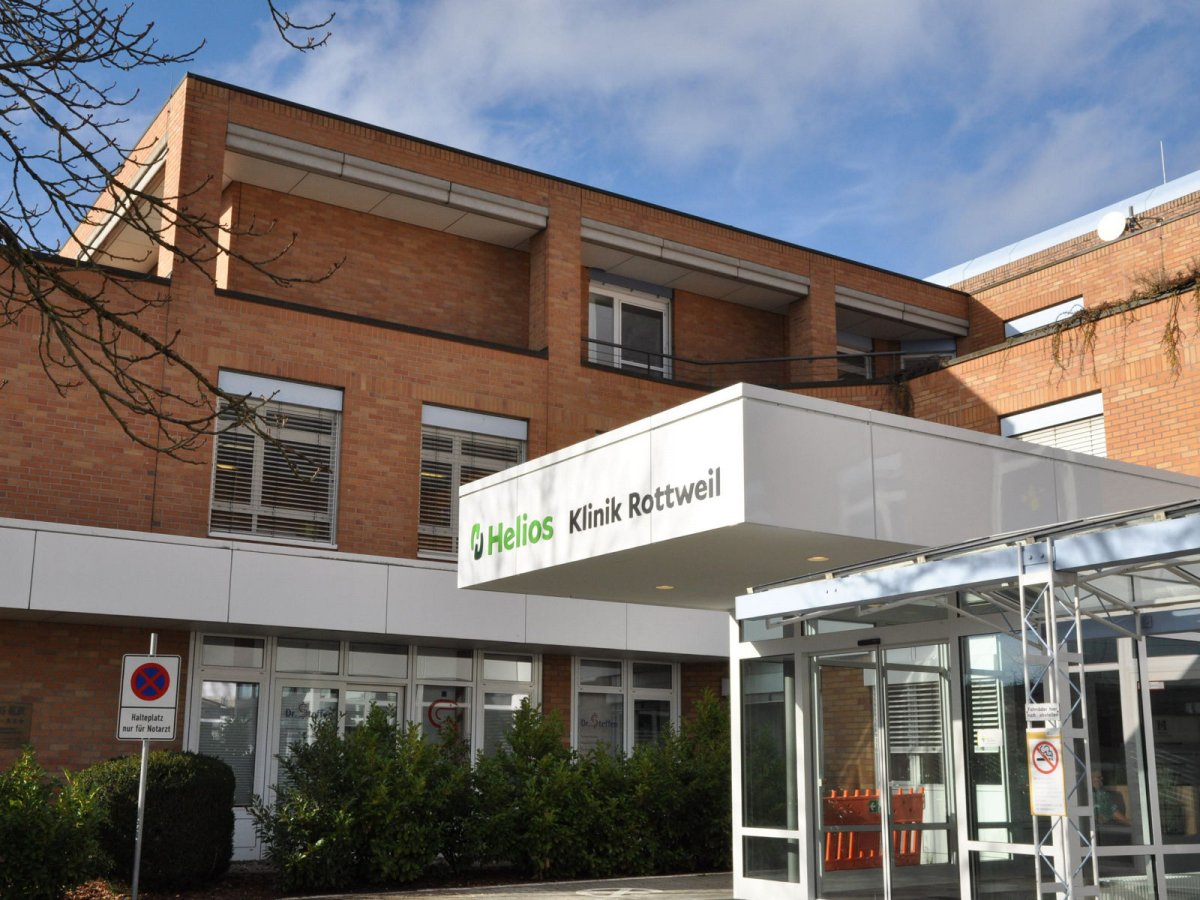
- Helios Gesundheit, Alemania
- Nordwest Hospital, Alemania
- Nordrhein-Westfalen Clinic Complex, Alemania
- Hospital Havelhoehe, Alemania
- Charité, Alemania
- University Hospital Carl Gustav Carus Dresden, Alemania
- University Hospital Aachen, Alemania
- University Hospital in Haydelberge, Alemania
- Kerckhoff clinic, Alemania
Obtenga una evaluación médica de Urología en Alemania: haga una consulta con 9 médicos experimentados ahora
Ver todos los médicos
Séverine Iborra
La Dra. Séverine Iborra dirige el Departamento de Ginecología del Städtisches Klinikum Solingen, especializándose en uroginecología y cirugía reconstructiva pélvica.
- Certificada en Uroginecología y Cirugía Reconstructiva Pélvica
- Experta en técnicas mínimamente invasivas, incluyendo procedimientos asistidos por robot
- Médica jefa con liderazgo en un hospital importante
- Miembro activa de las principales sociedades ginecológicas alemanas

Jan Fichtner
El profesor Jan Fichtner es uno de los urólogos más destacados de Alemania, reconocido por Focus por su experiencia en enfermedades benignas de la próstata y cirugías urológicas.
- Jefe de urología en el complejo clínico Nordrhein-Westfalen
- Presidente de la Sociedad Alemana de Urología
- Ganador de 5 premios, incluido el de la American Urological Association
- Autor de 152 artículos científicos y 28 publicaciones de libros
Reseñas
Todas las reseñasArtículos relacionados

¿Cuáles son los últimos tratamientos para la impotencia?
Escrito por Mariia Mytrofankina

¿Cuánto cuesta el tratamiento de la disfunción eréctil en 2025?
Escrito por Mariia Mytrofankina

¿Cuál es el costo del tratamiento de la prostatitis?
Escrito por Veronika Kazina

¿Cuánto cuesta el tratamiento del adenoma (hiperplasia prostática benigna)?
Escrito por Veronika Kazina
Compartir contenido
Historias en video de pacientes de Bookimed
 Olena Sikoza
Preguntas frecuentes sobre Urología en Alemania
¿Por qué Alemania es una opción principal para el tratamiento del cáncer urológico?
Alemania es un centro líder para el tratamiento del cáncer urológico debido a su integración de precisión robótica y experiencia especializada. Las instalaciones utilizan sistemas Da Vinci para prostatectomías con preservación de nervios para mantener la función. Las altas tasas de supervivencia y las certificaciones de la Sociedad Alemana del Cáncer (DKG) atraen a miles de pacientes internacionales anualmente.
- Tecnología avanzada: Las clínicas utilizan sistemas robóticos Da Vinci para cirugías mínimamente invasivas que preservan los órganos.
- Credenciales especializadas: Muchos centros poseen acreditaciones de alto nivel de la Sociedad Alemana del Cáncer (DKG) y de la revista Focus.
- Altos volúmenes: El complejo clínico de Renania del Norte-Westfalia atiende a 145.000 pacientes al año en 5 hospitales especializados.
- Liderazgo experto: El Prof. Dr. Jan Fichtner es el presidente de la Sociedad Alemana de Urología.
Perspectiva de expertos de Bookimed: Nuestros datos muestran una correlación entre el volumen de pacientes y la innovación en la urología alemana. Los centros de alta capacidad como la Clínica Nordwest mantienen 5 institutos de investigación separados. Esta integración permite a los pacientes acceder a vacunas contra el cáncer y diagnósticos por ultrasonido 3D años antes de que se conviertan en estándar en otros lugares. Esta exp
¿Qué debo hacer si sospecho de un diagnóstico erróneo en mi país de origen?
Confirmar una sospecha de diagnóstico urológico erróneo requiere una segunda opinión inmediata de un especialista independiente. Debe solicitar todas las imágenes de diagnóstico y los informes de laboratorio para facilitar una nueva revisión. Los hospitales universitarios alemanes como la Charité de Berlín o centros especializados en Fráncfort y Solingen ofrecen reevaluaciones diagnósticas avanzadas.
- Consulta de expertos: Consulte a expertos independientes como el Prof. Dr. Sebastian Melchior o el Prof. Dr. Eduard Becht.
- Diagnóstico avanzado: Utilice herramientas de alta precisión como el PET-TC con Galio 68 (PSMA) para un mapeo preciso de la próstata.
- Registros digitales: Acceda a su expediente médico completo a través de la aplicación elektronische Patientenakte (ePA) para compartirlo.
- Revisión remota: Organice una consulta en línea con un urólogo para revisar los resultados de las pruebas existentes de forma remota.
Perspectiva del experto de Bookimed: Los datos muestran que los pacientes que buscan segundas opiniones en Alemania a menudo eligen hospitales universitarios como la Charité de Berlín. Estas instituciones funcionan como centros de investigación con más de 100 departamentos. Este entorno garantiza que los casos urológicos complejos sean revisados por juntas multidisciplinarias en lugar de por un solo médico. Esta experienc
¿Qué tecnologías avanzadas están disponibles para la urología en Alemania?
La urología avanzada en Alemania utiliza sistemas robóticos da Vinci Xi, diagnósticos por PET-TC con PSMA y terapias láser especializadas. Las clínicas ofrecen biopsias de fusión por resonancia magnética asistidas por IA y tratamientos focales como HIFU para preservar la función orgánica. Estas tecnologías permiten la extirpación precisa de tumores minimizando los tiempos de recuperación y las complicaciones quirúrgicas.
- Sistemas robóticos: El Centro Médico de Solingen utiliza robots da Vinci para prostatectomías mínimamente invasivas.
- Diagnóstico de precisión: Las exploraciones PET-TC con PSMA cuestan desde Precio a consultar hasta Precio a consultar para una detección precisa de metástasis.
- Enucleación láser: Los láseres HoLEP y de tulio proporcionan un tratamiento eficiente y sin calor para la hiperplasia prostática benigna.
- Terapia dirigida: La Clínica Nordwest se especializa en vacunas contra el cáncer y terapias dirigidas innovadoras en oncología.
Opinión de expertos de Bookimed: Los hospitales universitarios alemanes como la Charité - Universitätsmedizin Berlin integran el diagnóstico asistido por IA como protocolo estándar. Nuestros datos muestran que estos centros de gran volumen, que atienden a más de 800.000 pacientes al año, a menudo brindan un acceso más rápido a la cirugía robótica que
¿Con qué rapidez puedo obtener una cita como paciente internacional?
Los pacientes internacionales suelen recibir una respuesta en un plazo de 24 a 48 horas para citas de urología en Alemania. Los departamentos especializados en centros como el Medical Center de Solingen o la Clínica Nordwest facilitan la revisión acelerada de los historiales médicos. Las fechas de consulta confirmadas suelen variar de 1 a 4 semanas según la urgencia.
- Respuesta inicial: Los departamentos internacionales dedicados suelen ponerse en contacto en un plazo de 1 a 2 días hábiles.
- Revisión de especialistas: Los médicos revisan los historiales médicos en 1 o 2 días antes de programar la cita.
- Prioridad quirúrgica: Los casos oncológicos urgentes tienen prioridad sobre los procedimientos electivos como la vasectomía o la circuncisión.
- Velocidad de diagnóstico: Centros como la Charité - Universitätsmedizin Berlin utilizan imágenes digitales para acelerar los diagnósticos.
Perspectiva del experto de Bookimed: Las clínicas de gran volumen, como el Complejo Clínico de Renania del Norte-Westfalia, que atiende a 145.000 pacientes al año, suelen tener horarios más flexibles. Elegir redes más grandes distribuidas en varios edificios puede reducir su tiempo de espera para las consultas iniciales en varios días. Esto se debe a que cuentan con más personal disponible para las evaluaciones preliminares en comparación con las clínicas pequeñas
¿Existe una barrera lingüística en los hospitales alemanes?
Las barreras lingüísticas en los hospitales alemanes existen, pero a menudo son manejables en los grandes centros de urología. Muchos especialistas en clínicas universitarias hablan inglés. Sin embargo, el personal administrativo y los equipos de enfermería pueden utilizar principalmente el alemán. La comunicación a menudo depende de aplicaciones de traducción o servicios de interpretación independientes para los detalles médicos.
- Competencia del personal: Los cirujanos en las grandes ciudades suelen ofrecer consultas en inglés para procedimientos urológicos complejos.
- Tipo de hospital: Los hospitales universitarios como la Charité - Universitätsmedizin Berlin priorizan los estándares internacionales y el personal bilingüe.
- Brechas administrativas: El papeleo, los formularios de consentimiento y las instrucciones preoperatorias casi siempre se proporcionan en alemán.
- Preparación del paciente: El uso de aplicaciones de traducción médica es común para la comunicación básica con el personal de enfermería.
Opinión de expertos de Bookimed: Nuestros datos muestran que las clínicas con grandes volúmenes internacionales, como el Complejo Clínico de Renania del Norte-Westfalia, que atiende a 145.000 pacientes al año, desarrollan protocolos de comunicación más fluidos. Si bien las clínicas más pequeñas pueden carecer de personal administrativo qu
¿Por qué se considera a Alemania como una opción principal para la atención urológica?
Alemania es un líder mundial en urología debido a su integración de tecnologías robóticas y estrictas certificaciones médicas. Los resultados de los pacientes están impulsados por centros especializados como Charité – Universitätsmedizin Berlin y la supervisión profesional de la Sociedad Alemana del Cáncer. Sigue siendo pionera en tratamientos no invasivos como la litotricia.
- Precisión robótica: Clínicas como el Complejo Clínico de Renania del Norte-Westfalia utilizan sistemas da Vinci para prostatectomías complejas.
- Credenciales de expertos: Especialistas como el Dr. Eduard Becht poseen más de 40 años de experiencia en uro-oncología.
- Alto volumen: Grandes centros como Charité – Universitätsmedizin Berlin tratan a más de 845,000 pacientes anualmente.
- Diagnóstico avanzado: Los centros utilizan escaneos PET-CT con Galio 68 PSMA para una estadificación de alta precisión del cáncer de próstata.
Perspectiva del experto de Bookimed: Los datos muestran una fuerte correlación entre las especializaciones de las clínicas y las clasificaciones de la revista Focus. Por ejemplo, el Centro Médico de Solingen y Charité están clasificados por Focus y certificados por JCI o DKG. Esta doble capa de acreditación nacional e internacional es una señal confiable para identificar los departamentos de urología más exitosos de Alemania.
Consenso
¿Necesito una visa médica para viajar para recibir tratamiento?
La entrada sin visa por hasta 90 días se aplica a los ciudadanos de la UE y a muchos titulares de pasaportes occidentales que viajan a Alemania. Otros deben solicitar una visa Schengen estándar (Categoría C). Esto cubre tratamientos médicos como la prostatectomía robótica o la nefrectomía en instalaciones acreditadas por JCI o KTQ.
- Invitación de la clínica: Una carta formal del hospital alemán confirma su cita de urología.
- Prueba financiera: La verificación de fondos garantiza que puede cubrir los costos de tratamiento y manutención.
- Seguro de viaje: La cobertura Schengen obligatoria debe proporcionar al menos 30.000 € para emergencias médicas.
- Duración de la estancia: Las visas estándar permiten 90 días dentro de un período de 180 días para la recuperación.
Perspectiva de expertos de Bookimed: Las clínicas alemanas como Charité - Universitätsmedizin Berlin o la Clínica Nordwest priorizan su garantía de pago sobre un tipo de visa específico. Los centros de alto volumen a menudo proporcionan cartas de cita inmediatas una vez que se confirma el depósito inicial. Este documento es la pieza más crítica para su solicitud de visa Schengen en el consulado local.
Consenso de los pacientes: Los pacientes señalan que es vital tener todos los registros médicos traducidos al inglés o alemán antes de llegar. Destacan que, aun
¿Está ampliamente disponible la cirugía robótica (Da Vinci) para el cáncer de próstata en Alemania?
La cirugía asistida por robot mediante el sistema Da Vinci es un tratamiento estándar para el cáncer de próstata localizado en Alemania. Los centros de alto volumen realizan aproximadamente dos tercios de todas las prostatectomías radicales de forma robótica. Instalaciones líderes en Berlín, Solingen y Duisburg ofrecen esta tecnología mínimamente invasiva para una mayor precisión.
- Disponibilidad del sistema: Centros importantes como Charité Berlin y el Centro Médico de Solingen utilizan la tecnología Da Vinci.
- Volumen quirúrgico: Los centros alemanes especializados en próstata realizan a menudo miles de procedimientos robóticos oncológicos.
- Certificación: Los departamentos de primer nivel cuentan con la acreditación de la Sociedad Alemana del Cáncer (DKG) por su excelencia urológica.
- Tiempo de recuperación: Las técnicas robóticas suelen dar lugar a estancias hospitalarias más cortas, que a menudo oscilan entre 5 y 7 días.
Perspectiva del experto de Bookimed: Los datos muestran que las clínicas alemanas con más de 100.000 pacientes anuales, como el complejo clínico de Renania del Norte-Westfalia, a menudo centralizan la experiencia robótica. Este volumen permite a los cirujanos mantener una alta competencia en técnicas de preservación nerviosa. Los pacientes deben priorizar estos grandes centros académicos sobre los hospitales rurales má
¿Cuáles son los beneficios de la HoLEP para una próstata agrandada (HPB)?
La HoLEP es un procedimiento urológico moderno para tratar la hiperplasia prostática benigna independientemente del tamaño de la próstata. Utiliza un láser de holmio para eliminar el tejido obstructivo mientras sella los vasos sanguíneos. Esta técnica ofrece tasas de recurrencia bajas, sangrado mínimo y una recuperación más rápida en comparación con la cirugía tradicional.
- Independencia del tamaño: Trata eficazmente cualquier volumen de próstata, incluidas las glándulas grandes de más de 150 gramos.
- Durabilidad a largo plazo: Los resultados muestran una tasa de retratamiento inferior al 1% dentro de los 10 años posteriores a la cirugía.
- Recuperación rápida: La mayoría de los pacientes regresan a casa después de 1 o 2 noches con una extracción temprana del catéter.
- Preservación de tejido: Los fragmentos extraídos permanecen intactos para pruebas de laboratorio para detectar cáncer.
Perspectiva de expertos de Bookimed: Los hospitales universitarios alemanes, como Charité o Solingen, son centros de alto volumen que realizan cientos de estos procedimientos anualmente. Los datos muestran que los cirujanos que realizan más de 50 casos de HoLEP al año logran una mayor precisión. Este volumen es un indicador clave de la experiencia quirúrgica en el sistema médico alemán.
Consenso de los pacientes: Los pacientes señalan q
¿Puedo obtener una segunda opinión de un especialista en urología alemán antes de viajar?
Puede obtener una segunda opinión remota de especialistas alemanes en urología antes de viajar. Expertos líderes como el Prof. Dr. Sebastian Melchior y el Prof. Dr. Eduard Becht ofrecen consultas en línea. Estas revisiones suelen verificar diagnósticos para afecciones complejas como el cáncer de próstata utilizando imágenes digitales avanzadas y directrices clínicas europeas.
- Métodos de consulta: Los especialistas ofrecen consultas en línea e informes escritos estructurados a través de plataformas de telemedicina.
- Disponibilidad de expertos: El Prof. Dr. Markus Heuser en el Centro Médico de Solingen se especializa en uro-oncología.
- Documentos requeridos: Los pacientes deben enviar registros médicos digitales, historial de PSA y escaneos de resonancia magnética o tomografía computarizada.
- Plazo de respuesta: La mayoría de los especialistas alemanes entregan una segunda opinión médica formal en un plazo de 3 a 8 días.
- Tecnología clínica: Las revisiones a menudo evalúan la idoneidad para la cirugía robótica utilizando el sistema robótico Da Vinci.
Perspectiva del experto de Bookimed: Nuestros datos muestran que los especialistas afiliados a universidades, como los de la Charité - Universitätsmedizin Berlin o el Complejo Clínico de Renania del Norte-Westfalia, a menudo tienen mayores volúmenes de pacientes internac