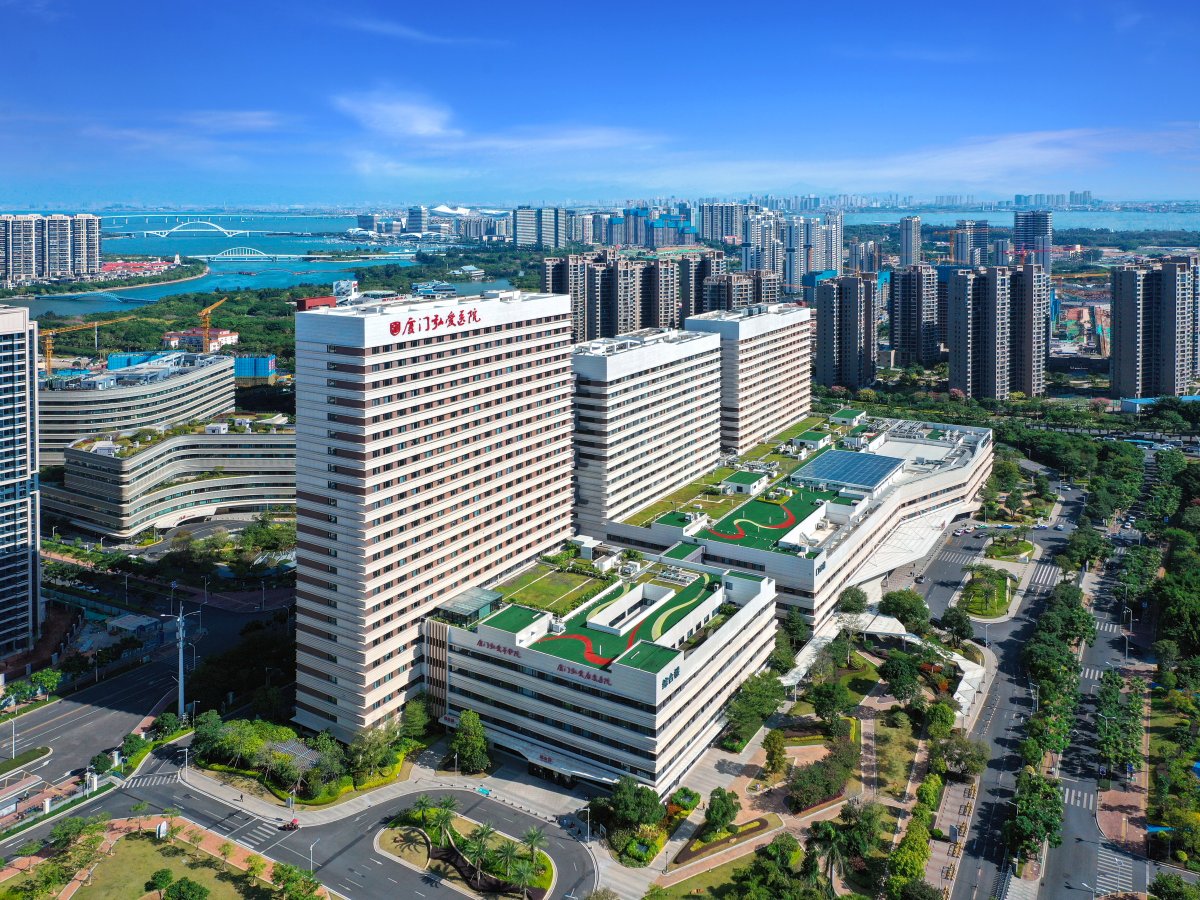
Hospital Xiamen Humanity
China, Xiamen


Revisado médicamente por
Fahad Mawlood
El costo del tratamiento del cáncer óseo en China suele oscilar entre $6,500 y $12,500 para la resección ósea y aproximadamente entre Precio a consultar y Precio a consultar para la reconstrucción con reemplazo de implante. Los gastos totales dependen de la complejidad del tumor, los materiales de reconstrucción y el nivel de la clínica. Los pacientes a menudo logran ahorros del 60% al 80% en comparación con los Estados Unidos. Los principales centros de tratamiento incluyen Guangzhou, Xiamen y Beijing.
Costos típicos del tratamiento del cáncer óseo en China
Perspectiva de expertos de Bookimed: Los pacientes con cáncer óseo en etapa avanzada se benefician de tecnologías avanzadas como la criocirugía o NanoKnife en instalaciones acreditadas por la JCI. El Fuda Cancer Hospital se especializa en estos enfoques mínimamente invasivos para casos complejos. Para aquellos que requieren radiación precisa, los centros multidisciplinarios en Xiamen ofrecen experiencia en IMRT y SBRT. Estos hospitales de tercer nivel utilizan ensayos clínicos para proporcionar acceso a terapias emergentes de manera eficiente.
| China | España | Turquía | |
|---|---|---|---|
| Terapia con Actinio-225 | ≈ $28,000 | ≈ $28,000 | de $20,600 |
| Resección ósea | ≈ $6,500 | de $16,800 | de $9,000 |
| Radioterapia para el cáncer colorrectal | ≈ $11,500 | de $7,500 | de $5,000 |
| Quimioterapia para el cáncer de mama | ≈ $14,800 | de $1,700 | de $3,000 |
| Halcyon | ≈ $9,000 | ≈ $6,500 | ≈ $9,500 |

Médico jefe y profesor. Experto de nivel 1 en el Centro Oncológico del West China Hospital, Sichuan University (clasificado n.º 2 en China). Completó un posdoctorado en radiología intervencionista en el Chinese PLA General Hospital. Dirige equipos multidisciplinarios (MDT) para tumores complejos. Experto en oncología intervencionista mínimamente invasiva para cánceres de hígado, pulmón y páncreas.
Acreditaciones: Miembro del consejo, WATA. Miembro de los comités de CACA y CMDA sobre in

El profesor Luo Xiaoping es un radiólogo intervencionista reconocido a nivel nacional y una autoridad destacada en el oeste de China. Comenzó a realizar intervenciones vasculares pioneras a principios de la década de 1990. Ayudó a fundar el Grupo de Intervencionismo del Segundo Hospital Afiliado de la Universidad Médica de Chongqing.
Ha realizado más de 100 000 procedimientos intervencionistas, incluidos unos 4 000 casos complejos. Sus competencias clave incluyen TACE para el carcinoma

El Dr. He Weibing es pionero de la crioablación con argón‑helio en China, con más de 20 años de práctica en primera línea. Fue miembro fundador del Hospital Oncológico Fuda (Guangzhou). Cofundó su Centro de Tratamiento Tumoral Mínimamente Invasivo y fue subdirector ejecutivo. También ayudó a crear el Grupo de Ablación de la Asociación China contra el Cáncer. Ha sido operador principal en más de 10.000 procedimientos.
Se especializa en crioablación tumoral y domina la braquiterapia con

El profesor Xiao Yueyong es médico jefe del Departamento de Radiodiagnóstico del Hospital General del EPL de China. Es un experto líder en oncología intervencionista mínimamente invasiva. Es el primer presidente de WATA (2025–). Preside la Sociedad Internacional (2020–) y la Sociedad Asiática (2012–) de Crioterapia. También es subjefe del Grupo de Expertos de la NHC sobre regulaciones de ablación tumoral (2009–).
Ha realizado más de 100 000 procedimientos mínimamente invasivos guiados
 Olena Sikoza
El tratamiento médico para el cáncer de hueso en China se centra en protocolos multidisciplinarios. Estos incluyen cirugía de salvamento de extremidades, reconstrucciones avanzadas impresas en 3D y quimioterapia especializada. Los centros acreditados por la JCI también utilizan opciones mínimamente invasivas como la criocirugía y el NanoKnife. La medicina tradicional china integrada ayuda a controlar los síntomas y los efectos secundarios del tratamiento.
Perspectiva del experto de Bookimed: China ofrece una ventaja única para los pacientes que buscan alternativas a la quimioterapia tradicional a través de hospitales como Fuda. Este centro ha tratad
China ofrece tratamientos avanzados mínimamente invasivos para el cáncer de hueso a través de instalaciones acreditadas por la JCI. Los centros especializados utilizan ablación localizada con aguja y terapias vasculares dirigidas. Estas tecnologías tienen como objetivo destruir los tumores preservando la estructura ósea. La radioterapia de precisión y las terapias celulares abordan casos complejos primarios o metastásicos.
Perspectiva del experto de Bookimed: Los datos del Fuda Cancer Hospital muestran una preferencia por combinar múltiples terapias mínimamente invasivas. A menudo utilizan criocirugía e intervención vascular en lugar de la quimioterapia tradicional. Este enfoque atien
La medicina tradicional china (MTC) sirve como terapia de apoyo en el tratamiento del cáncer de hueso en China. Se centra en el alivio del dolor y el manejo de los efectos secundarios de la quimioterapia. Centros como el Hospital Xiamen Humanity integran estas modalidades junto con la radioterapia de precisión. La MTC nunca reemplaza la cirugía ni los protocolos oncológicos esenciales.
Perspectiva del experto de Bookimed: Los centros oncológicos chinos suelen combinar la rehabilitación especializada en MTC con intervenciones de alta tecnología. Por ejemplo, el Hospital Xiamen Humanity emplea a más de 460 médicos y atiende a 1.000.000 de pacientes al año. Esta escala masiva permite contar con departamentos integradores altamente especializados. Estas unidades se centran
China ofrece atención especializada para el cáncer de hueso en centros oncológicos acreditados por la JCI y grandes hospitales terciarios. Las instalaciones en Guangzhou y Xiamen ofrecen tratamientos avanzados como NanoKnife y criocirugía. Estos centros mantienen departamentos internacionales dedicados para apoyar a los pacientes extranjeros con traducción, logística de visas y planificación de tratamientos multidisciplinarios.
Perspectiva del experto de Bookimed: El Xiamen Humanity Hospital destaca por su enorme escala. Gestiona 1.000.000 de pacientes al año y cuenta con 46 departamentos clínicos. Este alto volumen a menudo se traduce en una experiencia significativa en el manejo de ensayos de medicamentos raros. Los pacientes que buscan intervenciones únicas pueden encontrar estas capacidades de nivel de ensayo clínico altament
Los hospitales chinos coordinan los estudios de cáncer óseo a través de un marco centralizado de Equipo Multidisciplinario (MDT). Este protocolo integra la cirugía ortopédica, la oncología y la radiología en centros de Clase 3 Grado A. Estos centros siguen vías clínicas nacionales para garantizar que las imágenes diagnósticas y la biopsia se alineen con los objetivos quirúrgicos futuros.
Perspectiva del experto de Bookimed: El volumen clínico afecta significativamente la velocidad del diagnóstico en China. El Hospital Xiamen Humanity atiende aproximadamente a 1.000.000 de pacientes al año en 47 departamentos. Este alto volumen permite a los centros terciarios estabilizar los tiempos de diagnóstico. Estas instalaciones a menudo ofrecen radioterapia de precisión avanzada como IMRT o VMAT. Elegir un
Los centros oncológicos chinos proporcionan flujos de trabajo logísticos integrados para apoyar a los pacientes extranjeros con cáncer de huesos durante tratamientos complejos. Instalaciones como el Fuda Cancer Hospital utilizan departamentos internacionales dedicados para gestionar visas médicas, traslados al aeropuerto y traducción multilingüe 24/7. Estos servicios agilizan la navegación a través de grandes campus médicos en las principales ciudades.
Perspectiva del experto de Bookimed: Las señales de calidad en China a menudo se correlacionan con altos volúmenes de pacientes y acreditaciones internacionales. Por ejemplo, el Xiamen Humanity Hospital atiende a aproximadamente 1,000,000 de pacientes anualmente. Mientras tanto, el Fuda Cancer Hospital mantiene la acredit