Cáncer de hueso Tratamiento en India — Costos 2026


Revisado médicamente por
Fahad Mawlood
¿Cuál es el precio del diagnóstico y los tratamientos de Cáncer de hueso en India? Descubra ahora
| India | España | Turquía | |
|---|---|---|---|
| Terapia con Actinio-225 | ≈ $5,000 | ≈ $28,000 | de $20,500 |
| Resección ósea | ≈ $3,800 | de $16,800 | de $9,000 |
| Radioterapia para el cáncer colorrectal | ≈ $4,500 | de $7,500 | de $5,000 |
| Quimioterapia para el cáncer de mama | ≈ $3,200 | de $1,700 | de $3,000 |
| Halcyon | ≈ $5,500 | ≈ $6,500 | ≈ $9,500 |
Sus beneficios y garantías con Bookimed
Precios directos
Bookimed no añade cargos extra a los precios de los tratamientos de Cáncer de hueso. Las tarifas proceden de las listas de precios oficiales de las clínicas. Pagará directamente en la clínica por su tratamiento a su llegada al país.
Sólo clínicas y médicos verificados
Bookimed está comprometido con su seguridad. Solo trabajamos con las clínicas que mantienen altos estándares internacionales en el tratamiento de Cáncer de hueso y cuentan con las licencias necesarias para atender a pacientes internacionales en todo el mundo.
Asistencia 24/7 gratuita
Bookimed ofrece asistencia experta gratuita. Un coordinador médico personal le apoya antes, durante y después de su tratamiento, resolviendo cualquier problema. Nunca estará solo en su viaje médico de tratamiento de Cáncer de hueso.

Su coordinador médico personal de Bookimed
- Le apoya en cada etapa
- Ayuda a elegir la clínica y el médico adecuados
- Asegura un acceso rápido y conveniente a la información
Descubra las mejores clínicas de tratamiento de Cáncer de hueso en India: 15 opciones verificadas y Precios









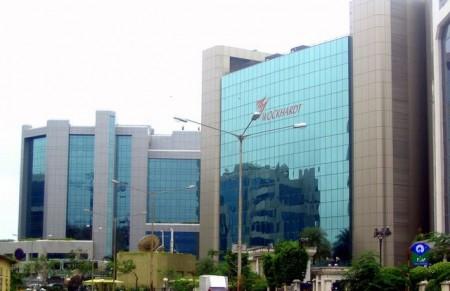
Wockhardt Hospital





Dr. Rela Institute & Medical Centre
Obtenga una evaluación médica de tratamiento de Cáncer de hueso en India: haga una consulta con 6 médicos experimentados ahora
Ver todos los médicos
Shruti Kate
La Dra. Shruti Kate se especializa en el tratamiento del cáncer óseo con experiencia en inmunoterapia y terapia metronómica para casos avanzados. Se formó en el Tata Memorial Hospital, uno de los principales centros oncológicos de la India.
- Doctorado (DM) en Oncología Médica por el Tata Memorial Hospital
- Miembro de ASCO, ESMO y otras sociedades oncológicas líderes
- Presentó investigaciones en la Conferencia Mundial sobre Cáncer de Pulmón
- Experiencia en cánceres de pulmón, mama y ginecológicos

Shaunak Valame
El Dr. Shaunak Valame se especializa en el tratamiento del cáncer óseo con terapias dirigidas, centrándose en la base molecular del cáncer.
- Formado en Oncología Médica en el Hospital Indraprastha Apollo
- Presentó investigaciones sobre el cáncer de estómago en el simposio de la ASCO
- Con experiencia en la impartición de conferencias en la Escuela Internacional de Invierno de Oncología
- Trabaja en el HCG Manavata Cancer Centre

Raj Nagarkar
_doctor_2241_años_ de experiencia con más de 50,000 cirugías oncológicas: el Dr. Raj Nagarkar combina una vasta experiencia con un enfoque centrado en el paciente en el HCG Manavata Cancer Centre.
- Formado en el Tata Memorial Hospital y en el Royal College of Surgeons
- Especializado en oncología quirúrgica de mama y tórax
- Ha realizado más de 200 ensayos clínicos para nuevos enfoques de tratamiento
- Profesor de oncología quirúrgica (DNB Superspecialty)

Ravindra Tandale
El Dr. Ravindra Tandale es consultor en el HCG Manavata Cancer Centre en Nashik. Se especializa en anestesiología para oncología quirúrgica, incluyendo procedimientos de cáncer de mama, pulmón e hígado. El Dr. Tandale posee las titulaciones de MBBS y DA.
Trabaja en HCG Manavata, un centro que atiende a 75,000 pacientes anualmente y cuenta con acreditaciones NABL y NABH. El Dr. Tandale gestiona la anestesia para diversas cirugías, incluyendo procedimientos para cáncer en etapa avanzada.
Compartir contenido
Historias en video de pacientes de Bookimed
 Olena Sikoza
Preguntas frecuentes sobre el tratamiento de Cáncer de hueso en India
¿Qué hospitales en la India son más conocidos por el tratamiento del cáncer de hueso?
La India alberga centros de élite para el cáncer de hueso, incluidos el Tata Memorial Hospital, el Apollo Hospital Indraprastha y el Fortis Memorial Research Institute. Estas instalaciones se especializan en cirugía de salvamento de extremidades y resecciones tumorales complejas. A menudo mantienen la acreditación de la Joint Commission International y utilizan juntas multidisciplinarias para planificar protocolos oncológicos avanzados.
- Cirugía especializada: Los centros realizan resecciones óseas con técnicas de reemplazo de implantes de alta precisión.
- Diagnóstico avanzado: Las instalaciones utilizan escáneres PET-CT para una estadificación y monitoreo precisos de los tumores.
- Medicina nuclear: Clínicas como HCG Manavata ofrecen terapias dirigidas con Actinio-225 y Lu-177.
- Precisión robótica: Fortis Gurgaon utiliza sistemas asistidos por robot para escisiones de tumores musculoesqueléticos de alta precisión.
Perspectiva de expertos de Bookimed: Los datos muestran una alta concentración de experiencia especializada en la región de Delhi-NCR, particularmente en Fortis y Apollo. Estos centros brindan acceso a médicos como el Dr. Shaunak Valame, quien se formó en las mejores instituciones. Al seleccionar un centro, priorice aquellos que integren con éxito la oncología ortopédica con la medicina nuclear, ya que este enfoque dual es fundame
¿Cuáles son las principales opciones de tratamiento disponibles para el cáncer de hueso?
El tratamiento del cáncer de hueso en la India utiliza principalmente la resección quirúrgica combinada con terapias sistémicas. Los centros oncológicos indios ofrecen operaciones de preservación de extremidades, quimioterapia y radiación avanzada como Halcyon. Los planes de tratamiento dependen del tipo específico de tumor, como osteosarcoma, condrosarcoma o sarcoma de Ewing agresivo.
- Intervención quirúrgica: Los cirujanos extirpan los tumores mediante resección ósea o técnicas de preservación de extremidades con implantes.
- Quimioterapia sistémica: Los oncólogos utilizan fármacos neoadyuvantes y adyuvantes para el osteosarcoma y el sarcoma de Ewing.
- Radioterapia: Sistemas de precisión como Halcyon se dirigen a tumores irresecables con precisión submilimétrica.
- Medicina nuclear avanzada: Centros especializados ofrecen terapias con Actinio-225 y Lu-177 para ciertas neoplasias.
Perspectiva del experto de Bookimed: Los centros oncológicos indios como el Global Hospital Chennai y Apollo Indraprastha ofrecen una gran profundidad diagnóstica al combinar PET-CT con unidades quirúrgicas especializadas. Los datos muestran que estos centros de alto volumen gestionan más de 1.000.000 de pacientes al año. Esta escala permite a cirujanos como el Dr. Raj Nagarkar realizar más de 50.000 procedimientos. Los pacientes se benefician de esta experiencia c
¿Cuál es la tasa de éxito del tratamiento del cáncer de hueso en la India?
Las tasas de éxito para el cáncer de hueso en etapa temprana en la India oscilan entre el 70% y el 80% para la supervivencia a 5 años. Los centros de oncología especializados logran altas tasas de preservación mediante cirugías de salvamento de extremidades. Los resultados para los casos metastásicos caen a aproximadamente entre el 20% y el 30%, dependiendo de la respuesta a la terapia y el tipo de tumor.
- Supervivencia localizada: La detección temprana produce tasas de supervivencia a 5 años del 70% al 80% para la enfermedad localizada.
- Resultados del osteosarcoma: Los casos localizados tratados con quimioterapia y cirugía muestran una supervivencia del 60% al 70%.
- Sarcoma de Ewing: El manejo multimodal logra un éxito del 70% al 80% cuando el cáncer está localizado.
- Éxito del condrosarcoma: La extirpación quirúrgica especializada para tumores de bajo grado resulta en un éxito del 80% al 85%.
Perspectiva del experto de Bookimed: El análisis de las principales instituciones indias como el Global Hospital Chennai y el Apollo Hospital Indraprastha muestra un gran volumen de más de 800,000 pacientes al año. Esta escala masiva a menudo conduce a un mayor éxito en patologías raras porque cirujanos como el Dr. Raj Nagarkar realizan miles de procedimientos especializados. Los pacientes deben priorizar las clínicas con juntas multidisciplinarias
¿Para qué efectos secundarios a largo plazo deben prepararse los pacientes jóvenes?
Los pacientes jóvenes deben prepararse para efectos tardíos físicos, cognitivos y reproductivos a medida que sus sistemas en desarrollo responden al tratamiento. Los supervivientes de cáncer óseo a menudo enfrentan limitaciones de movilidad, problemas cardiovasculares y neoplasias secundarias. Los trastornos endocrinos y los desafíos psicológicos, incluidos la ansiedad y las preocupaciones sobre la imagen corporal, también pueden manifestarse décadas después de que finalice la terapia.
- Limitaciones de movilidad: La cirugía o los procedimientos de salvamento de extremidades a menudo causan rigidez o debilidad crónica.
- Vulnerabilidad de los órganos: La quimioterapia puede provocar disfunción cardíaca, pulmonar o renal de aparición temprana.
- Problemas de crecimiento: Los niños más pequeños pueden experimentar diferencias en la longitud de las extremidades y daños en las placas de crecimiento.
- Salud reproductiva: Los tratamientos sistémicos a menudo causan deficiencias hormonales o afectan la fertilidad futura.
Perspectiva de expertos de Bookimed: Los pacientes deben priorizar clínicas como el Global Hospital Chennai o el Apollo Hospital Delhi que ofrecen cirugía robótica y técnicas mínimamente invasivas. Los datos muestran que estos enfoques avanzados se correlacionan con una mejor preservación de las extremidades. Los centros de alto volu
¿Cuál es el error más crítico que se debe evitar durante un diagnóstico temprano?
El error más crítico que se debe evitar es el cierre diagnóstico prematuro antes de descartar una neoplasia maligna. Aceptar una etiqueta inicial como un esguince o artritis sin una revisión clínica especializada puede retrasar peligrosamente el tratamiento. Los médicos deben evitar anclarse en los síntomas iniciales y asegurar un estudio oncológico ortopédico completo.
- Cierre diagnóstico: Aceptar etiquetas rutinarias iniciales antes de descartar por completo las neoplasias óseas raras.
- Riesgo de mala interpretación: Confundir el dolor óseo progresivo con lesiones comunes, infecciones o afecciones reumáticas.
- Evaluación especializada: Buscar oncólogos expertos en centros acreditados por la JCI como Artemis o Apollo Hospitals.
- Protocolos de imagen: Ir más allá de las radiografías estándar y realizar tomografías por emisión de positrones (PET/CT) para una estadificación tumoral definitiva.
Perspectiva del experto de Bookimed: El volumen diagnóstico se correlaciona con la precisión en enfermedades raras como el cáncer de hueso. Manipal Hospitals atiende a 2.000.000 de pacientes al año, proporcionando a sus equipos una exposición masiva a patologías variadas. Este entorno de alto volumen ayuda a médicos como el Dr. Chaitainya Borde, quien ha gestionado 30.000 exploraciones PET, a reconocer indicadores sutiles que los centros de bajo volumen
¿Cuánto tiempo debe planificar un paciente internacional para su estancia en la India?
Los pacientes internacionales que buscan tratamiento para el cáncer de hueso en la India deben planificar una estancia total de 6 a 12 semanas. Este plazo tiene en cuenta los diagnósticos preoperatorios esenciales, los procedimientos quirúrgicos complejos como la preservación de extremidades o el reemplazo de implantes, y la recuperación postoperatoria inicial antes de obtener la autorización médica para volar.
- Diagnóstico preoperatorio: Incluye revisiones de PET-CT y patología durante 3 a 5 días.
- Ingreso hospitalario: Espere de 7 a 14 días para la cirugía y la atención hospitalaria inmediata.
- Monitoreo de la recuperación: Requiere de 14 a 21 días después del alta para revisiones de heridas y fisioterapia.
- Autorización de vuelo: Los cirujanos generalmente requieren una cicatrización estable de la herida para evitar complicaciones relacionadas con el viaje.
Perspectiva de expertos de Bookimed: Los datos de instituciones indias líderes como Manipal y Apollo indican que, aunque la cirugía es el foco, la fase de diagnóstico es donde a menudo ocurren los retrasos. Por ejemplo, los especialistas en HCG Manavata han manejado más de 30,000 escaneos PET, sin embargo, la confirmación patológica de tumores óseos puede tomar varios días adicionales. Los pacientes deben elegir centros en Gurgaon o Bengaluru donde se agrupan hospitales de alta capaci
¿Cómo se diagnostica y estadifica el cáncer de hueso en los hospitales de la India?
Los hospitales indios diagnostican el cáncer de hueso utilizando un enfoque multidisciplinario siguiendo las directrices del National Cancer Grid. Las instalaciones avanzadas utilizan radiografía digital e imágenes por resonancia magnética para mapear los tumores. Centros líderes como Manipal y Apollo emplean tomografía por emisión de positrones para identificar la propagación metabólica en todo el esqueleto.
- Imágenes iniciales: Las radiografías digitales evalúan la destrucción ósea y los patrones agresivos de la matriz tumoral.
- Estadificación local: La resonancia magnética determina la extensión del tumor en la médula y los haces neurovasculares.
- Biopsia guiada: Cirujanos especialistas realizan biopsias con aguja gruesa para asegurar la elegibilidad para una cirugía de preservación de extremidades.
- Estudio de metástasis: La tomografía computarizada de tórax y las gammagrafías óseas identifican la propagación a los pulmones o los huesos.
Perspectiva del experto de Bookimed: Las redes oncológicas indias como Manipal Hospitals y Apollo Hospitals a menudo integran IBM Watson o juntas de laboratorio especializadas para verificar los subtipos de tumores. Por ejemplo, el Global Hospital Chennai realiza más de 18,000 operaciones anuales, lo que destaca por qué los centros de alto volumen son más seguros para una estadificación compleja. Este v