Cáncer de hueso en Corea del Sur: las 10 mejores clínicas para su tratamiento


Revisado médicamente por
Fahad Mawlood
¿Cuál es el precio del diagnóstico y los tratamientos de Cáncer de hueso en Corea del Sur? Descubra ahora
El costo del tratamiento del cáncer óseo en la República de Corea oscila entre $6,500 y $13,500 para intervenciones quirúrgicas primarias, mientras que las tomografías PET-CT esenciales cuestan entre $1,100 y $1,400. Los gastos totales dependen de la etapa de malignidad, los ciclos de quimioterapia requeridos y el nivel del hospital. Los pacientes suelen encontrar que los servicios de oncología son entre un 30% y un 75% más económicos que en los EE. UU. Los principales centros de tratamiento se encuentran principalmente en Seúl e Incheon.
Costos típicos del tratamiento del cáncer óseo en la República de Corea
- PET-CT: $1,100 – $1,400
- Biopsia: de $370
- TC (tomografía computarizada): $300 – $330
- Gammagrafía: de $120
- Consulta con un oncólogo: $50 – $75
- Consulta con un ortopedista: $90 – $200
- TC de senos paranasales: $150 – $400
- Cirugía de corrección de deformidad ósea: $6,500 – $13,500
- Quimioterapia para cáncer de mama: de $3,000
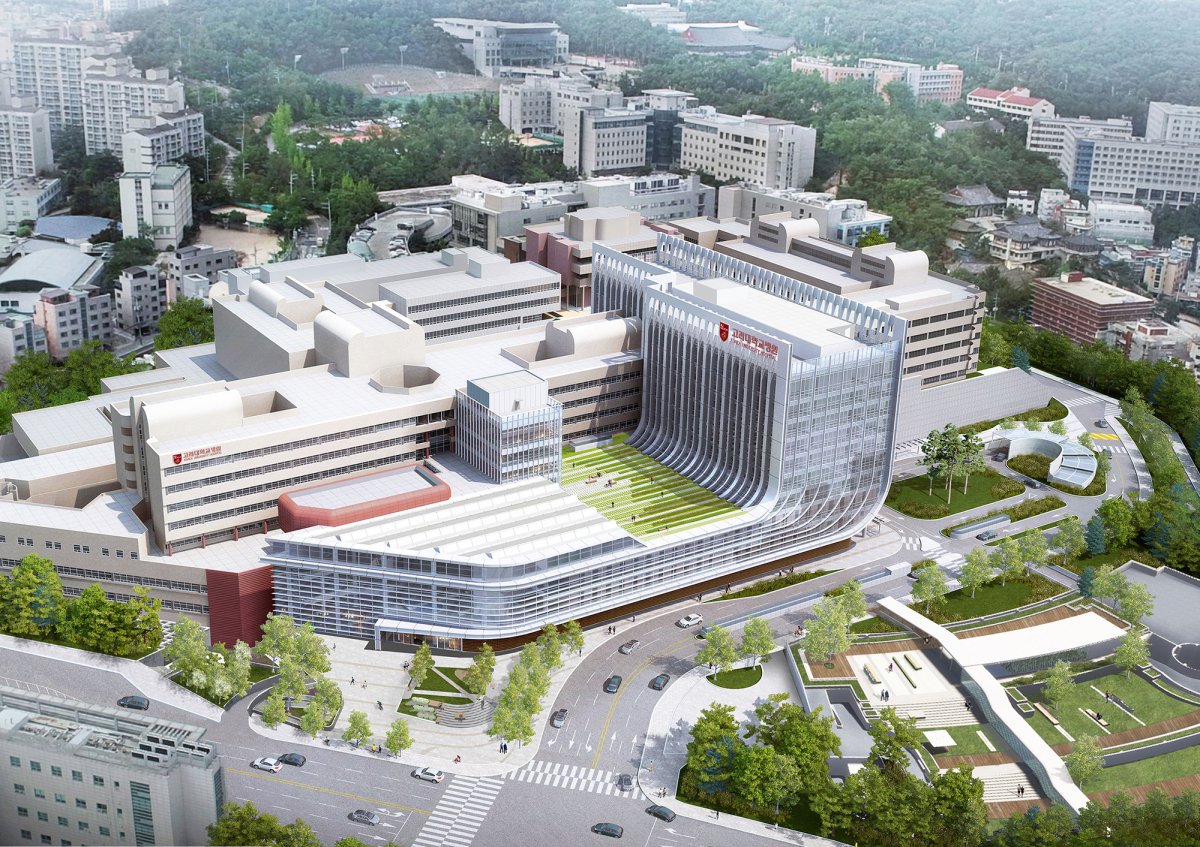
Perspectiva de expertos de Bookimed: Para casos oncológicos complejos, elegir centros multidisciplinarios a gran escala es el enfoque más eficaz. El Hospital de la Universidad Nacional de Seúl (SNUH) es una instalación estatal líder con las estadísticas de tratamiento de cáncer más altas de Corea del Sur. Los pacientes que requieran tecnología avanzada deberían considerar el Samsung Medical Center, que utiliza el sistema quirúrgico Da Vinci y la IGRT. El Korea University Anam Hospital es la mejor opción para quienes buscan una cicatrización mínima mediante cirugía robótica.
| Corea del Sur | España | Turquía | |
|---|---|---|---|
| Terapia con Actinio-225 | ≈ $18,000 | ≈ $28,000 | de $20,500 |
| Resección ósea | ≈ $9,000 | de $16,800 | de $9,000 |
| Radioterapia para el cáncer colorrectal | ≈ $9,000 | de $7,500 | de $5,000 |
| Quimioterapia para el cáncer de mama | de $3,000 | de $1,700 | de $1,900 |
| Halcyon | ≈ $9,000 | ≈ $6,500 | ≈ $9,500 |
Sus beneficios y garantías con Bookimed
Precios directos
Bookimed no añade cargos extra a los precios de los tratamientos de Cáncer de hueso. Las tarifas proceden de las listas de precios oficiales de las clínicas. Pagará directamente en la clínica por su tratamiento a su llegada al país.
Sólo clínicas y médicos verificados
Bookimed está comprometido con su seguridad. Solo trabajamos con las clínicas que mantienen altos estándares internacionales en el tratamiento de Cáncer de hueso y cuentan con las licencias necesarias para atender a pacientes internacionales en todo el mundo.
Asistencia 24/7 gratuita
Bookimed ofrece asistencia experta gratuita. Un coordinador médico personal le apoya antes, durante y después de su tratamiento, resolviendo cualquier problema. Nunca estará solo en su viaje médico de tratamiento de Cáncer de hueso.

Su coordinador médico personal de Bookimed
- Le apoya en cada etapa
- Ayuda a elegir la clínica y el médico adecuados
- Asegura un acceso rápido y conveniente a la información
Descubra las mejores clínicas de tratamiento de Cáncer de hueso en Corea del Sur: 10 opciones verificadas y Precios












Compartir contenido
Historias en video de pacientes de Bookimed
 Olena Sikoza
Preguntas frecuentes sobre el tratamiento de Cáncer de hueso en Corea del Sur
¿Cuáles son las principales opciones de tratamiento para el cáncer de hueso disponibles en Corea del Sur?
Corea del Sur ofrece tratamientos avanzados para el cáncer de hueso centrados en la preservación de las extremidades y la reconstrucción biológica. Los centros especializados utilizan terapia de iones pesados, cirugía robótica y juntas multidisciplinarias de tumores. Estas instalaciones acreditadas por la JCI integran quimioterapia neoadyuvante con precisión quirúrgica para maximizar los resultados funcionales para los pacientes con sarcoma.
- Cirugía de preservación de extremidades: Los cirujanos utilizan injertos biológicos o prótesis para evitar la amputación.
- Terapia de iones pesados: Iones de carbono de alta precisión destruyen tumores resistentes a la radiación en el Severance Hospital.
- Sistemas robóticos: El Korea University Anam Hospital emplea robots para la extirpación de tumores con una pérdida de sangre mínima.
- Quimioterapia combinada: Los protocolos a menudo incluyen metotrexato en dosis altas y cisplatino para sarcomas agresivos.
Perspectiva del experto de Bookimed: Aunque muchos países ofrecen oncología, Corea del Sur destaca por la recuperación funcional. Clínicas como el Seoul National University Hospital y el Samsung Medical Center atienden a más de 1.500.000 pacientes al año. Este volumen masivo permite a los especialistas perfeccionar técnicas de reconstrucción especializadas que los hospitales generales rara vez reali
¿Cuál es la tasa de éxito del tratamiento del cáncer óseo en la República de Corea?
Corea del Sur reporta una tasa de supervivencia a 5 años para el cáncer óseo localizado de entre el 60% y el 75%. Las tasas de éxito alcanzan del 80% al 90% para el condrosarcoma de bajo grado. Centros líderes como el Hospital de la Universidad Nacional de Seúl emplean protocolos de salvamento de extremidades para preservar la función y evitar la amputación durante la extirpación del tumor.
- Resultados del osteosarcoma: Los pacientes pediátricos muestran tasas de supervivencia de hasta el 78% para tumores localizados.
- Pronóstico del condrosarcoma: Las variantes de bajo grado arrojan excelentes tasas de supervivencia de entre el 80% y el 90%.
- Sarcoma de Ewing: Los centros pediátricos coreanos reportan una tasa de supervivencia global a 5 años del 75%.
- Éxito quirúrgico: Los centros especializados priorizan la preservación de las extremidades mediante reconstrucciones protésicas personalizadas.
Perspectiva de expertos de Bookimed: El Hospital Anam de la Universidad de Corea se especializa en cirugía sin sangre y técnicas robóticas para oncología. Este enfoque en la precisión a menudo conduce a una recuperación más rápida después de resecciones complejas de sarcoma. Su experiencia en cirugía de salvamento de extremidades respalda una alta supervivencia mientras se mantiene la calidad de vida del paciente.
Consenso de los pacie
¿Qué hospitales en Corea del Sur se especializan en el tratamiento del cáncer de hueso?
Los mejores hospitales de Corea del Sur para el tratamiento del cáncer de hueso incluyen el Samsung Medical Center, el Seoul National University Hospital, el Asan Medical Center y el Severance Hospital. Estas instalaciones acreditadas por la Joint Commission International (JCI) utilizan centros multidisciplinarios de tumores musculoesqueléticos. Se especializan en cirugías complejas de salvamento de extremidades e imágenes de diagnóstico avanzadas.
- Samsung Medical Center: Proporciona atención oncológica especializada utilizando Novalis e IGRT para tratamientos dirigidos.
- Seoul National University: Maneja grandes volúmenes de osteosarcomas raros con equipos experimentados en tumores musculoesqueléticos.
- Asan Medical Center: Ofrece atención integrada para reconstrucciones complejas con una capacidad de 2,700 camas para pacientes hospitalizados.
- Severance Hospital: Emplea un enfoque multidisciplinario que combina especialistas en ortopedia, radiación y oncología pediátrica.
Perspectiva del experto de Bookimed: Aunque muchas instalaciones ofrecen servicios ortopédicos, el SNUH y el Severance Hospital destacan por su historia centenaria. Estas instituciones fueron pioneras en el cuidado del cáncer de hueso en Corea. Nuestros datos muestran que el SNUH atiende a 10,700 pacientes diariamente. Este volumen masivo asegura que los cirujanos mante