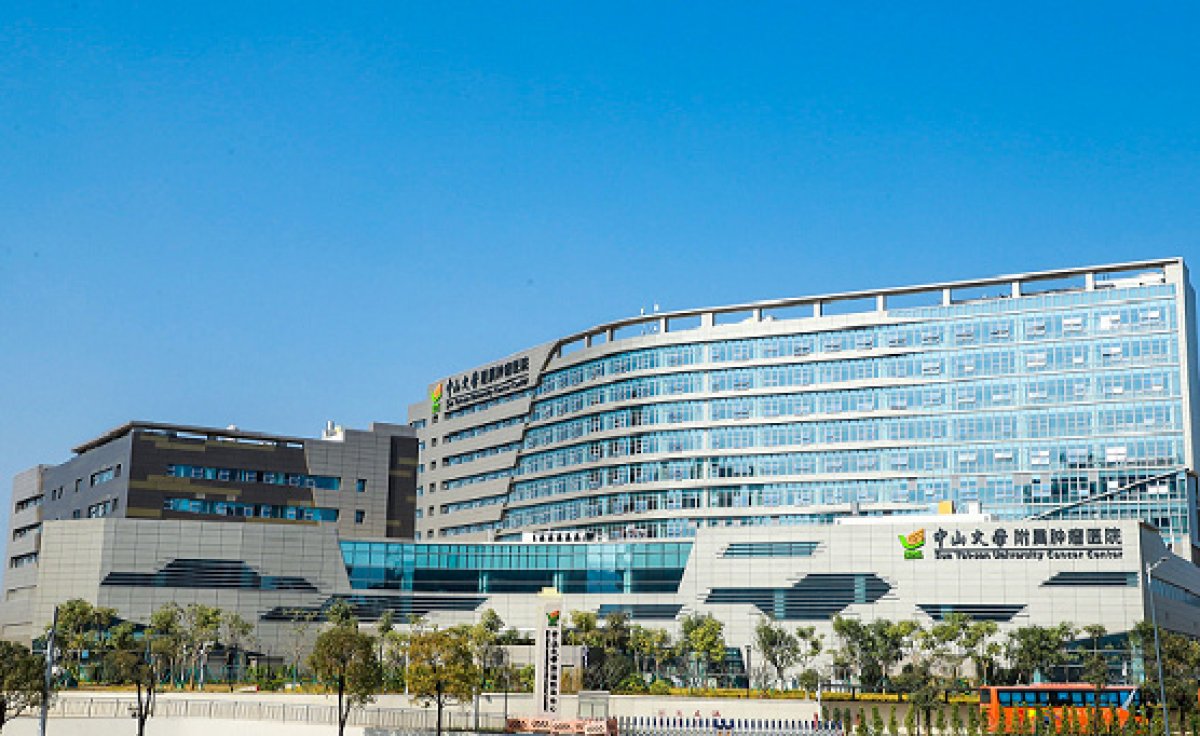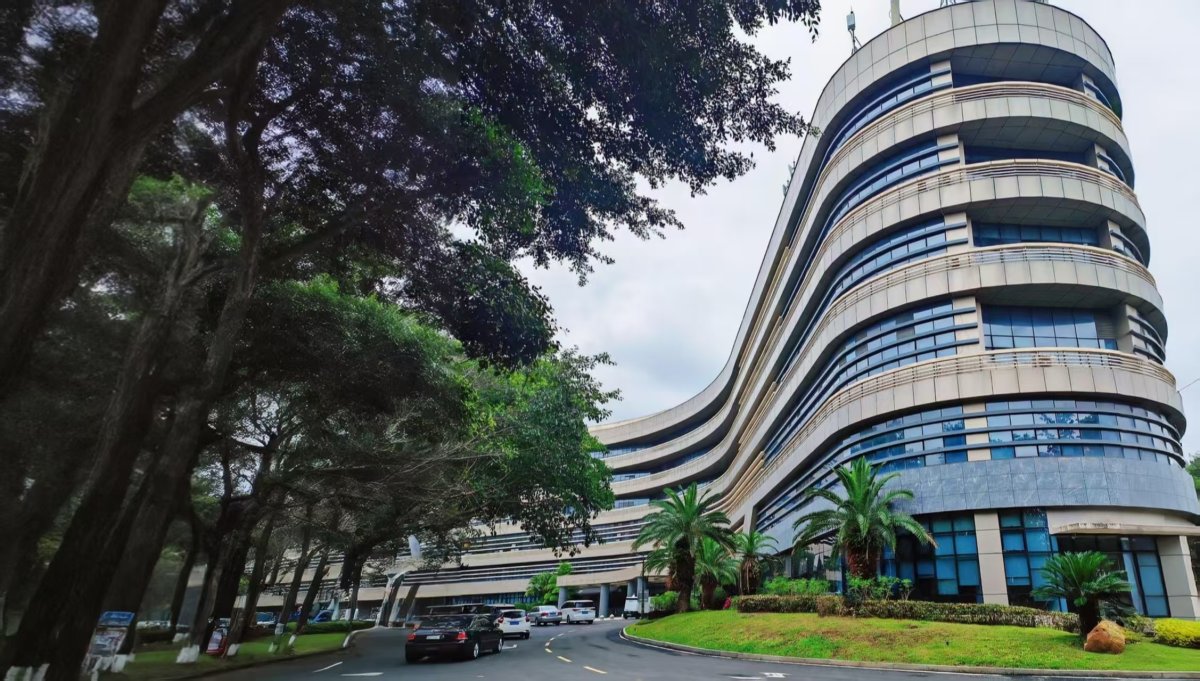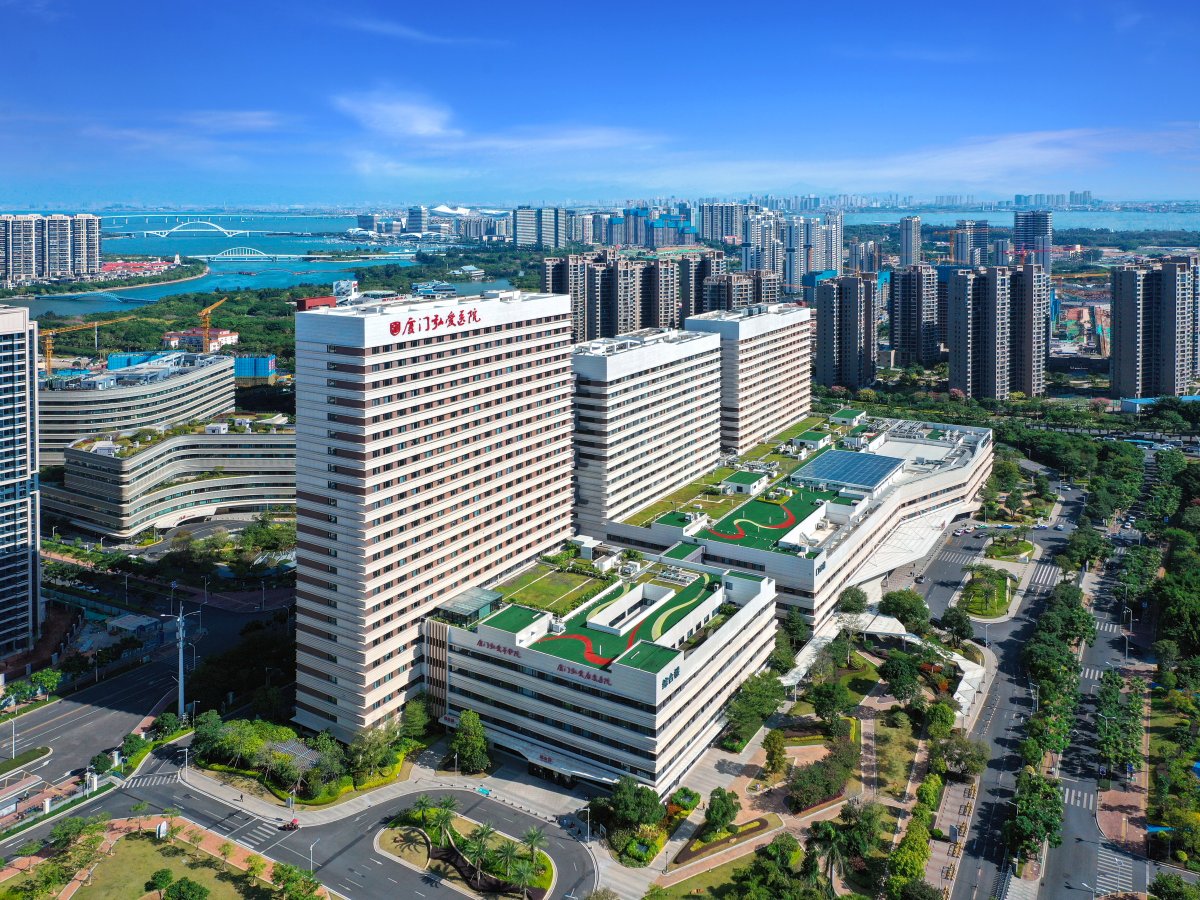
Hospital Xiamen Humanity
China, Xiamen


Revisado médicamente por
Fahad Mawlood

Médico jefe y profesor. Experto de nivel 1 en el Centro Oncológico del West China Hospital, Sichuan University (clasificado n.º 2 en China). Completó un posdoctorado en radiología intervencionista en el Chinese PLA General Hospital. Dirige equipos multidisciplinarios (MDT) para tumores complejos. Experto en oncología intervencionista mínimamente invasiva para cánceres de hígado, pulmón y páncreas.
Acreditaciones: Miembro del consejo, WATA. Miembro de los comités de CACA y CMDA sobre in

El profesor Luo Xiaoping es un radiólogo intervencionista reconocido a nivel nacional y una autoridad destacada en el oeste de China. Comenzó a realizar intervenciones vasculares pioneras a principios de la década de 1990. Ayudó a fundar el Grupo de Intervencionismo del Segundo Hospital Afiliado de la Universidad Médica de Chongqing.
Ha realizado más de 100 000 procedimientos intervencionistas, incluidos unos 4 000 casos complejos. Sus competencias clave incluyen TACE para el carcinoma

El Dr. He Weibing es pionero de la crioablación con argón‑helio en China, con más de 20 años de práctica en primera línea. Fue miembro fundador del Hospital Oncológico Fuda (Guangzhou). Cofundó su Centro de Tratamiento Tumoral Mínimamente Invasivo y fue subdirector ejecutivo. También ayudó a crear el Grupo de Ablación de la Asociación China contra el Cáncer. Ha sido operador principal en más de 10.000 procedimientos.
Se especializa en crioablación tumoral y domina la braquiterapia con

El profesor Xiao Yueyong es médico jefe del Departamento de Radiodiagnóstico del Hospital General del EPL de China. Es un experto líder en oncología intervencionista mínimamente invasiva. Es el primer presidente de WATA (2025–). Preside la Sociedad Internacional (2020–) y la Sociedad Asiática (2012–) de Crioterapia. También es subjefe del Grupo de Expertos de la NHC sobre regulaciones de ablación tumoral (2009–).
Ha realizado más de 100 000 procedimientos mínimamente invasivos guiados
 Olena Sikoza
China ofrece tratamientos de inmunoterapia de vanguardia, como la terapia con células T CAR, la terapia con linfocitos infiltrantes de tumores (TIL) y anticuerpos multiespecíficos. Los centros clínicos se especializan en el tratamiento de tumores sólidos y neoplasias hematológicas. Estos tratamientos están regulados por la Administración Nacional de Productos Médicos (NMPA) y suelen estar disponibles tras extensos ensayos clínicos.
Opinión de un experto de Bookimed: La infraestructura oncológica de China está diseñada para gestionar un alto volumen de pacientes y un trabajo altamente especializado. Solo el Hospital Humanitario de Xiamen atiende a 1.000.000 de pacientes al año y cuenta con 47 departamentos. Este flujo masivo de pacientes permite a los médicos adquirir experiencia en el tratamiento de efectos secundarios poco frecuentes con mayor rapidez q
Los pacientes internacionales que reciben inmunoterapia en China requieren entre 3 días y 3 meses, según el régimen de tratamiento. Los inhibidores de puntos de control inmunitarios suelen requerir de 3 a 7 días. Las terapias celulares especializadas, como la terapia CAR-T, requieren de 3 a 12 semanas para su producción y el posterior seguimiento tras la infusión. La seguridad se mantiene alta gracias a la monitorización médica las 24 horas.
Opinión de expertos de Bookimed: Los pacientes suelen pasar por alto que centros chinos especializados, como el Hospital Humanitario de Xiamen, atienden más de 1.000.000 de casos al año. Este enorme volumen permite a los equipos optimizar el diagnóstico. Si bien el medicamento se administra rápidamente, la primera consulta incluye exámenes patológicos y pruebas de marcadores tumorales. El ciclo inicial para estas pruebas básicas puede durar hasta 14 días.
En China, están disponibles fármacos de inmunoterapia aprobados por la Administración de Alimentos y Medicamentos de los Estados Unidos (FDA), como pembrolizumab y nivolumab. La Administración Nacional de Productos Médicos aprobó ambos fármacos en 2018. Los pacientes pueden recibirlos en los principales hospitales especializados y centros oncológicos privados. La disponibilidad depende de la indicación específica para cada tipo de cáncer, según la aprobación local.
Opinión de expertos de Bookimed: Si bien estas marcas globales están disponibles, el Hospital Humanitario de Xiamen destaca una tendencia importante en China. Esta institución atiende a 1.000.000 de pacientes anualmente y está acreditada para realizar ensayos clínicos de medicamentos. Los hospitales con un volumen tan alto de pacientes y un enfoque en la investiga
En China se han aprobado más de 20 inhibidores de PD-1/PD-L1 de producción nacional. Entre los principales candidatos se encuentran tislelizumab, sintilimab y camrelizumab. Estos fármacos presentan una eficacia clínica equivalente a la de medicamentos importados como Keytruda u Opdivo. Los inhibidores de producción nacional suelen ser entre un 70 % y un 85 % más económicos y están optimizados para el tratamiento del cáncer en Asia Oriental.
Opinión de expertos de Bookimed: El Hospital Humanitario de Xiamen es un centro de renombre que brinda acceso a estos tratamientos. Es una institución de Nivel 3 autorizada para realizar ensayos clínicos de Fase I a IV. Esto significa que los pacientes suelen tener acceso a
Pekín, Shanghái y Cantón son los principales centros de oncología e inmunoterapia en inglés en China. Estas ciudades albergan departamentos internacionales especializados e instalaciones médicas acreditadas por la JCI. Ofrecen personal multilingüe y protocolos de vanguardia, como la terapia CAR-T, para pacientes internacionales que buscan tratamientos oncológicos innovadores.
Opinión de expertos de Bookimed: Si bien Pekín y Shanghái son ciudades reconocidas, Xiamen se está consolidando como un centro de investigación clínica regulado. El Hospital Humanitario de Xiamen atiende a más de 1.000.000 de pacientes anualmente y realiza ensayos clínicos de fase I a IV. Este alto volumen de pacientes suele proporcionar un acceso más rápido a protocolos de inmunoterapia experimental que las clínicas privadas más pequeñas.
Para viajar a China para recibir inmunoterapia, generalmente se requiere una visa S2 para estancias inferiores a 180 días. Los pacientes que requieren observación a largo plazo para la terapia con células T CAR necesitan una visa S1. Ambas categorías requieren una invitación oficial de un hospital terciario acreditado para cumplir con los requisitos consulares.
Opinión experta de Bookimed: El Hospital Humanitario de Xiamen atiende a más de 1.000.000 de pacientes al año y está acreditado para realizar ensayos clínicos de fase I a IV. Esta acreditación es crucial, ya que los centros más grandes y especializados suelen tener mayor facilidad para emitir las invitaciones necesarias para los visados médicos. Elegir un hospital de investigación acreditado garantiza que su doc
En China, los pacientes internacionales generalmente no requieren hospitalización continua para recibir infusiones de inhibidores de puntos de control inmunitario. El tratamiento se administra normalmente de forma ambulatoria cada 21 días. Los centros oncológicos especializados suelen utilizar hospitalizaciones breves de 1 a 3 días durante el primer ciclo para monitorizar posibles reacciones adversas.
Opinión de expertos de Bookimed: El Hospital Humanitario de Xiamen demuestra la magnitud del sistema de atención médica terciaria de China, que atiende a 1.000.000 de pacientes anualmente. Este alto volumen suele conllevar la optimización y una mayor eficacia de los protocolos de terapia de infusión. Sin embargo, los pacientes deben priorizar los centros acreditados para ensayos clínicos de