Immunotherapy en España: clínica verificada para su tratamiento


Revisado médicamente por
Fahad Mawlood
¿Cuál es el precio del diagnóstico y los tratamientos de Immunotherapy en España? Descubra ahora
Sus beneficios y garantías con Bookimed
Precios directos
Bookimed no añade cargos extra a los precios de los tratamientos de Immunotherapy. Las tarifas proceden de las listas de precios oficiales de las clínicas. Pagará directamente en la clínica por su tratamiento a su llegada al país.
Sólo clínicas y médicos verificados
Bookimed está comprometido con su seguridad. Solo trabajamos con las clínicas que mantienen altos estándares internacionales en el tratamiento de Immunotherapy y cuentan con las licencias necesarias para atender a pacientes internacionales en todo el mundo.
Asistencia 24/7 gratuita
Bookimed ofrece asistencia experta gratuita. Un coordinador médico personal le apoya antes, durante y después de su tratamiento, resolviendo cualquier problema. Nunca estará solo en su viaje médico de tratamiento de Immunotherapy.

Su coordinador médico personal de Bookimed
- Le apoya en cada etapa
- Ayuda a elegir la clínica y el médico adecuados
- Asegura un acceso rápido y conveniente a la información
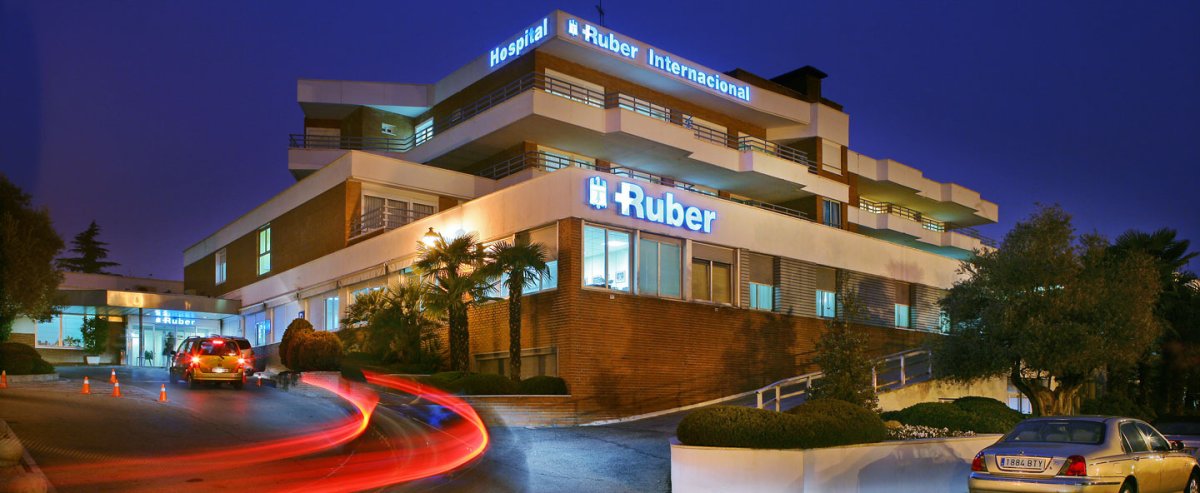
Descubra las mejores clínicas de tratamiento de Immunotherapy en España: 1 opciones verificadas y Precios


Obtenga una evaluación médica para Immunotherapy en España: consulte con doctores experimentados ahora
Ver todos los médicos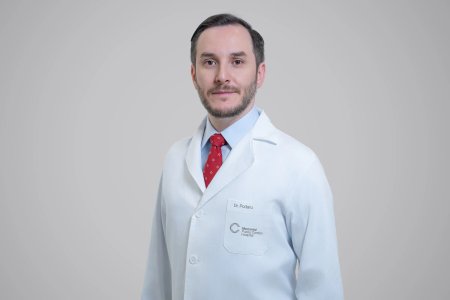
Mihai Podaru Galca
El Dr. Mihai Podaru Galca es especialista en medicina interna, cuidados intensivos y oncología clínica en el Hospital Memorial Publio Cordón de Madrid. Trata afecciones como el cáncer de esófago, la insuficiencia cardíaca crónica y el asma. El Dr. Galca trabaja en un centro acreditado por la Joint Commission International.
El hospital sigue estándares internacionales en sus departamentos de cardiología y oncología. El Dr. Galca gestiona casos agudos y crónicos, realizando diagnósticos e
Compartir contenido
Historias en video de pacientes de Bookimed
 Olena Sikoza
Preguntas frecuentes sobre el tratamiento de Immunotherapy en España
¿Está disponible la terapia de células CAR-T para pacientes internacionales en España?
España es un centro líder en terapia de células CAR-T. Los pacientes internacionales acceden tanto a protocolos comerciales como a variantes académicas rentables. Estos tratamientos están regulados por la Agencia Española de Medicamentos y Productos Sanitarios. Los centros especializados brindan atención para leucemia, linfoma y mieloma múltiple.
- Supervisión regulatoria: La Agencia Española de Medicamentos y Productos Sanitarios (AEMPS) regula estrictamente todos los protocolos.
- Variantes académicas: Las terapias desarrolladas en hospitales, como la ARI-0001, ofrecen opciones de alta calidad a menores costos de producción.
- Tipos de centros: La atención se concentra en instalaciones especializadas acreditadas por la JCI en lugar de clínicas generales.
- Cronograma de tratamiento: Los pacientes deben permanecer cerca de la instalación durante 3 a 4 semanas para su monitoreo.
Opinión experta de Bookimed: Aunque España es un destino principal para la terapia celular, el acceso no es un proceso de reserva simple. Las instalaciones acreditadas por la JCI, como el Hospital Ruber Internacional, atienden a 25.000 pacientes al año y cuentan con 800 médicos. Esta alta proporción de médicos por cama es fundamental porque la terapia de células CAR-T requiere un monitoreo de 24 horas para detectar efectos secundarios especializados. Elegir un centro co
¿Son diferentes los efectos secundarios de la inmunoterapia de los de la quimioterapia?
Los efectos secundarios de la inmunoterapia y la quimioterapia difieren porque atacan el cáncer de formas distintas. La quimioterapia ataca todas las células que se dividen rápidamente, causando problemas predecibles como la caída del cabello. La inmunoterapia activa el sistema inmunológico, lo que provoca reacciones inflamatorias. Estos efectos relacionados con el sistema inmunitario pueden aparecer meses después de finalizar el tratamiento.
- Causa biológica: La quimioterapia causa toxicidad celular, mientras que la inmunoterapia desencadena una inflamación de los órganos impulsada por el sistema inmunitario.
- Síntomas comunes: Los pacientes de quimioterapia esperan náuseas, mientras que los de inmunoterapia a menudo informan de erupciones cutáneas o fatiga.
- Cronología: Las reacciones a la quimioterapia siguen los ciclos de infusión, pero los efectos secundarios de la inmunoterapia suelen ser impredecibles.
- Métodos de tratamiento: Los médicos controlan las náuseas de la quimioterapia con antieméticos, pero tratan la inflamación de la inmunoterapia con corticosteroides.
Opinión experta de Bookimed: Aunque la inmunoterapia suele percibirse como más sencilla, los datos clínicos de centros líderes como el Hospital Ruber Internacional revelan una complejidad diferente. Con 800 médicos y la acreditación de la Joint Commission International (JCI), est
¿Qué ciudades de España son los principales centros de inmunoterapia avanzada?
Barcelona y Madrid son los principales centros de inmunoterapia avanzada en España. Estas ciudades lideran Europa en actividad de ensayos clínicos y terapias celulares adoptivas. Centros de investigación especializados en Pamplona y el País Vasco brindan un apoyo fundamental. Se centran en vacunas dendríticas y fabricación terapéutica industrial.
- Excelencia de Barcelona: Ocupa el quinto lugar en Europa en ensayos clínicos de oncología e investigación de terapias avanzadas.
- Infraestructura de Madrid: Cuenta con redes hospitalarias masivas como el Hospital Ruber Internacional, acreditado por la JCI, para oncología compleja.
- Centros regionales del norte: Los centros universitarios en Pamplona se especializan en terapias celulares y vacunas personalizadas.
- Atención pediátrica: Barcelona alberga instalaciones de primer nivel dedicadas a inmunoterapias moleculares innovadoras para niños.
Opinión de expertos de Bookimed: Los hospitales de Madrid como el Hospital Ruber Internacional mantienen departamentos quirúrgicos y de consulta de gran volumen. Esta infraestructura apoya la rápida integración de la inmunoterapia con los tratamientos convencionales. Nuestros datos muestran que estos centros multiespecializados atienden a más de 25.000 pacientes al año. Este volumen garantiza que los pacientes tengan acceso a equipos multidisciplinarios en lu
¿Cómo manejan los pacientes internacionales las barreras lingüísticas durante los tratamientos oncológicos?
Los pacientes internacionales gestionan las barreras lingüísticas utilizando oficinas internacionales dedicadas, intérpretes médicos y documentación multilingüe. Los principales centros acreditados por la JCI en España proporcionan personal bilingüe para coordinar las citas. Esto garantiza una comunicación clara para los protocolos de inmunoterapia. Las herramientas seguras de interpretación por video o teléfono apoyan las interacciones clínicas diarias.
- Oficinas para pacientes internacionales: Coordinadores dedicados gestionan la logística y la programación médica en inglés.
- Intérpretes médicos: Especialistas facilitan las discusiones de alto nivel sobre el diagnóstico y el consentimiento.
- Materiales traducidos: Las clínicas proporcionan instrucciones sobre medicamentos y diarios de síntomas en varios idiomas.
- Médicos bilingües: Muchos oncólogos en los principales centros gestionan la planificación compleja en inglés.
Perspectiva del experto de Bookimed: Las brechas lingüísticas en oncología suelen ocurrir durante los pasos administrativos en lugar de en las consultas médicas. Las instalaciones acreditadas por la JCI, como el Hospital Ruber Internacional, mantienen altos estándares de seguridad del paciente y comunicación clara. Los datos muestran que los grandes hospitales privados con un alto volumen de pacientes, que superan las 90.
¿Pueden los pacientes internacionales acceder a inmunoterapias experimentales en España?
Los pacientes internacionales pueden acceder a inmunoterapias experimentales en España a través de ensayos clínicos y programas de uso compasivo. España autoriza más de 900 ensayos clínicos al año. Centros especializados en Madrid y Barcelona ofrecen terapias avanzadas como tratamientos personalizados con células CAR-T. La mayoría de los medicamentos experimentales se proporcionan de forma gratuita dentro de los ensayos.
- Vías de acceso: Los pacientes se unen a ensayos clínicos formales o programas de exención hospitalaria para tratamientos no rutinarios.
- Enfoque en la elegibilidad: La aceptación depende de marcadores genéticos específicos, la biología tumoral y los perfiles de biomarcadores.
- Centros de investigación: Centros especializados en Pamplona, Madrid y Barcelona lideran la investigación oncológica innovadora.
- Estándares regulatorios: Instalaciones como el Hospital Ruber Internacional mantienen la acreditación de la Joint Commission International para la seguridad.
Perspectiva del experto de Bookimed: Los costes de los medicamentos en los ensayos clínicos a menudo se eximen para los pacientes aceptados. Sin embargo, el pre-cribado diagnóstico y el seguimiento regular requieren financiación por separado. Centros líderes como el Hospital Ruber Internacional atienden a 25.000 pacientes al año. Este alto volumen a menudo garantiza u
¿Cómo se administra la inmunoterapia y requiere estancia hospitalaria?
La inmunoterapia se administra generalmente como un procedimiento ambulatorio en las unidades de oncología españolas. La mayoría de los pacientes reciben tratamientos mediante infusiones intravenosas o inyecciones subcutáneas. Estas sesiones permiten a los pacientes regresar a casa el mismo día. Las estancias hospitalarias solo son necesarias para el manejo de efectos secundarios o terapias celulares avanzadas.
- Métodos de administración: La mayoría de las terapias utilizan infusiones intravenosas o inyecciones subcutáneas sencillas.
- Entorno de tratamiento: Los procedimientos se realizan en unidades de día hospitalarias o clínicas ambulatorias dedicadas.
- Duración de la sesión: Las infusiones suelen durar desde 10 minutos hasta varias horas.
- Estancia hospitalaria: No son necesarias las pernoctaciones a menos que ocurran efectos secundarios graves.
Perspectiva del experto de Bookimed: Los centros españoles como el Hospital Ruber Internacional utilizan unidades de día oncológicas especializadas. Estas unidades gestionan más de 90.000 consultas al año con alta eficiencia. Los pacientes deben verificar si su clínica utiliza una unidad de día. Esta configuración a menudo garantiza un procesamiento más rápido que las salas generales. Algunos centros incluso ofrecen resonancia magnética de 3 Teslas para un monitoreo preciso durante los ciclos de
¿Cubre el sistema público de salud español las inmunoterapias avanzadas?
El sistema público español cubre las inmunoterapias avanzadas aprobadas por la Agencia Española de Medicamentos y Productos Sanitarios (AEMPS). La cobertura incluye terapias CAR-T para cánceres de sangre específicos y tratamientos contra el melanoma. El acceso depende de la financiación regional y de los protocolos específicos de cada hospital. Los hospitales públicos también pueden desarrollar terapias no industriales bajo la vía de exención hospitalaria única.
- Cobertura del sistema: La atención pública financia totalmente los medicamentos cuando se prescriben dentro de las vías oncológicas estándar.
- Terapias avanzadas: El Sistema Nacional de Salud financia los tratamientos con células CAR-T fabricados comercialmente.
- Criterios de reembolso: Las regulaciones ministeriales pueden restringir la cobertura a estadios o indicaciones de cáncer específicos.
- Acceso regional: La disponibilidad varía en las 17 comunidades autónomas debido a la financiación descentralizada.
Opinión del experto de Bookimed: Los hospitales privados como el Hospital Ruber Internacional en Madrid ofrecen una ventaja crítica en la navegación. Aunque los centros públicos gestionan el 90% de los casos oncológicos, los centros privados suelen ofrecer evaluaciones diagnósticas más rápidas. Los pacientes pueden utilizar consultas privadas para obtener segundas opiniones in