Immunotherapy en Israel: clínica verificada para su tratamiento


Revisado médicamente por
Fahad Mawlood
¿Cuál es el precio del diagnóstico y los tratamientos de Immunotherapy en Israel? Descubra ahora
Sus beneficios y garantías con Bookimed
Precios directos
Bookimed no añade cargos extra a los precios de los tratamientos de Immunotherapy. Las tarifas proceden de las listas de precios oficiales de las clínicas. Pagará directamente en la clínica por su tratamiento a su llegada al país.
Sólo clínicas y médicos verificados
Bookimed está comprometido con su seguridad. Solo trabajamos con las clínicas que mantienen altos estándares internacionales en el tratamiento de Immunotherapy y cuentan con las licencias necesarias para atender a pacientes internacionales en todo el mundo.
Asistencia 24/7 gratuita
Bookimed ofrece asistencia experta gratuita. Un coordinador médico personal le apoya antes, durante y después de su tratamiento, resolviendo cualquier problema. Nunca estará solo en su viaje médico de tratamiento de Immunotherapy.

Su coordinador médico personal de Bookimed
- Le apoya en cada etapa
- Ayuda a elegir la clínica y el médico adecuados
- Asegura un acceso rápido y conveniente a la información
Descubra las mejores clínicas de tratamiento de Immunotherapy en Israel: 1 opciones verificadas y Precios

Obtenga una evaluación médica para Immunotherapy en Israel: consulte con doctores experimentados ahora
Ver todos los médicos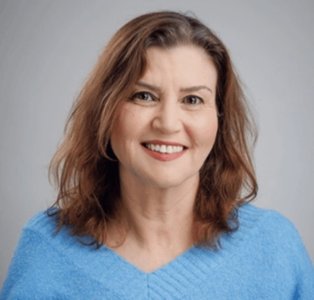
Hana Golan
Dra. Hana Golan, MD, dirige la División de Hemato-Oncología Pediátrica y Trasplante de Médula Ósea (TMO) del Centro Médico Sheba. Se especializa en cánceres infantiles, con énfasis en el neuroblastoma y otros tumores sólidos de alto riesgo.
Encabeza uno de los programas de oncología pediátrica más avanzados de la región. Atiende casos complejos y de alto riesgo y ejerce en un hospital clasificado entre los 10 mejores del mundo.
Es la investigadora principal del protocolo ESIOP p
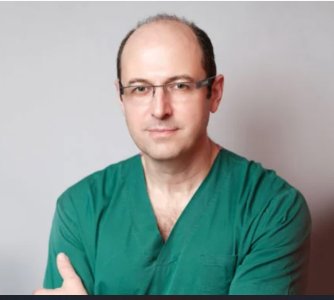
Yuri Goldes
El Dr. Yuri Goldes es cirujano general con más de 20 años de experiencia clínica. Se especializa en cirugía gastrointestinal alta y oncológica. Es subdirector del Departamento de Cirugía General y Trasplante del Centro Médico Sheba en Tel Aviv y dirige la Unidad de Cirugía Gastrointestinal Alta. En 2025 fue incluido en la lista de los Mejores Médicos de Forbes Israel. Está entre los mejores cirujanos gastrointestinales de Israel según Forbes. En 2019 recibió el premio “Médico del Año” del Min
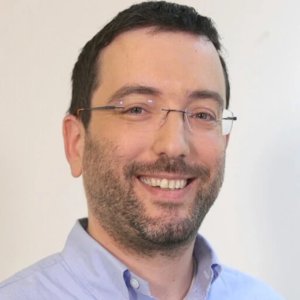
Beni Boursi
El Prof. Ben Boursi es médico del Departamento de Cáncer Gastrointestinal del Centro Médico Sheba. Se especializa en medicina interna, oncología médica y epidemiología del cáncer. Está certificado por la junta en medicina interna y oncología médica. Obtuvo un B.Med.Sc (summa cum laude) y un MD (magna cum laude) de la Universidad de Tel Aviv.
Completó becas clínicas y de investigación en oncología gastrointestinal y epidemiología del cáncer en la Universidad de Pensilvania. También real
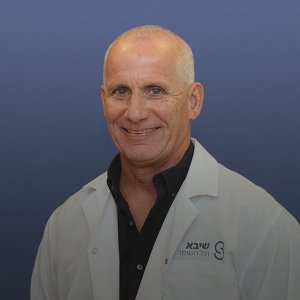
Raanan Berger
El profesor Raanan Berger, MD, PhD, es oncólogo médico y radioterapeuta. Es director del Centro Oncológico del Sheba Medical Center y dirige su unidad de investigación clínica. Fue incluido en la lista “Best Doctors” de Forbes Israel (2025). Lidera el programa de oncología genitourinaria, con enfoque en el cáncer de próstata. Su práctica incluye terapia sistémica y radioterapia en un modelo multidisciplinario centrado en el paciente.
Es especialista en oncología. Obtuvo los títulos de
Compartir contenido
Historias en video de pacientes de Bookimed
 Olena Sikoza
Preguntas frecuentes sobre el tratamiento de Immunotherapy en Israel
¿Cuáles son los mejores hospitales para inmunoterapia en Israel?
El Centro Médico Sheba y el Centro Médico Tel Aviv Sourasky lideran Israel en inmunoterapia. Estas instituciones ofrecen terapias avanzadas de células CAR-T y TIL. Mantienen la acreditación JCI y asociaciones internacionales. Centros especializados ofrecen protocolos dirigidos para melanoma, sarcomas y cánceres de sangre en 10-11 días.
- Institutos especializados: Sheba alberga el Instituto Ella Lemelbaum de Inmuno-Oncología.
- Fabricación celular: Los laboratorios en el sitio en Sheba preparan células CAR-T en 11 días.
- Liderazgo experto: El Dr. Raanan Berger dirige la atención integral del cáncer en Sheba.
- Ensayos clínicos: El Rambam Health Care Campus brinda acceso a investigaciones de refuerzo inmunológico.
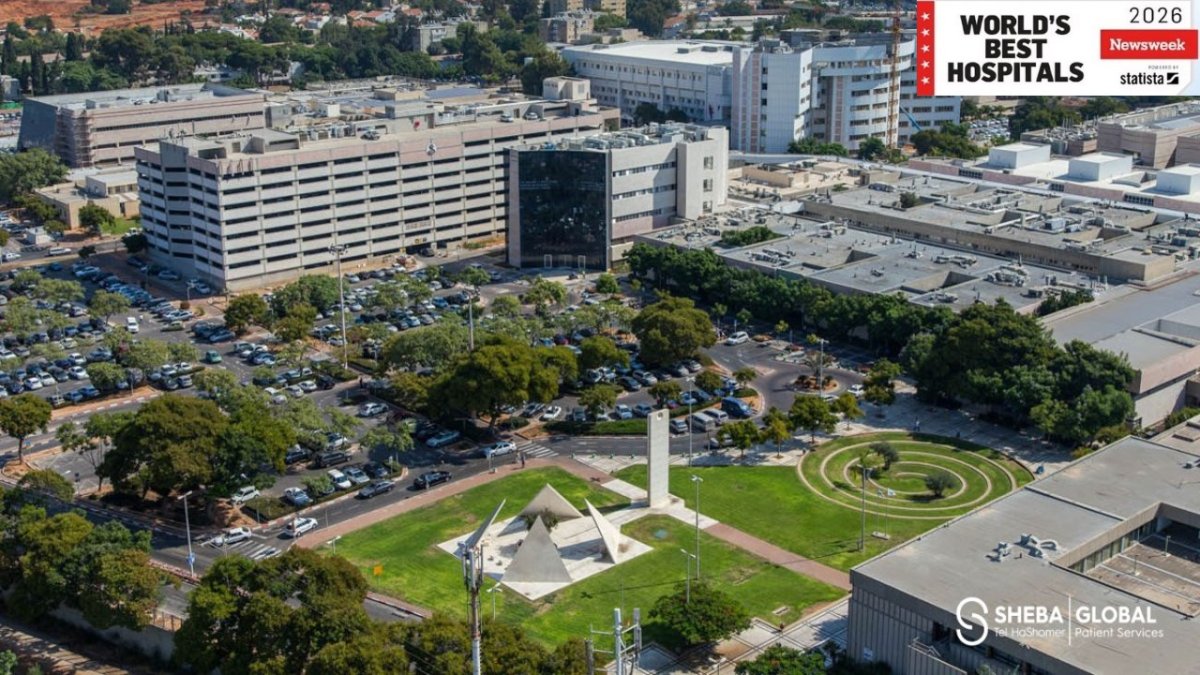
Perspectiva de expertos de Bookimed: El Centro Médico Sheba combina de manera única una escala masiva con una especialización de élite. Atiende a 2 millones de pacientes al año y mantiene 8 clasificaciones consecutivas en el Top 10 de Newsweek. Los datos muestran que más de 200 de sus médicos están calificados por Forbes. Esta concentración de experiencia es rara. Los pacientes a menudo descubren que los casos más complejos se derivan aquí porque el centro gestiona todo, desde la fabricación celular hasta las juntas multidisciplinarias de tumores en una sola ubicación.
Consenso de los pacientes: Los pacientes s
¿Qué inmunoterapias avanzadas o patentadas están disponibles en Israel?
Israel ofrece inmunoterapias avanzadas, incluida la fabricación in situ de células CAR-T y la terapia con linfocitos infiltrantes de tumores (TIL). Centros como el Sheba Medical Center cultivan células a nivel nacional. Esto reduce los tiempos de procesamiento a 10–11 días. Las líneas de investigación propias también brindan acceso a anticuerpos monoclonales y vacunas contra el cáncer a través de ensayos clínicos activos.
- Terapia celular: Los laboratorios in situ en Sheba producen células CAR-T para leucemia y linfoma.
- Terapia TIL: El Instituto Ella Lemelbaum expande las células inmunitarias del paciente para tratar el melanoma avanzado.
- Agentes patentados: Los ensayos en Hadassah y Sheba prueban el NTX1088 para bloquear los mecanismos de resistencia.
- Modelos predictivos: Plataformas como OncoHost analizan proteínas para pronosticar respuestas individuales a los inhibidores de puntos de control.
Perspectiva del experto de Bookimed: Los centros oncológicos israelíes demuestran una integración única de investigación y práctica. El Sheba Medical Center trata a más de 2 millones de pacientes al año. Este volumen masivo permite a sus médicos, como el Prof. Raanan Berger, gestionar eficazmente los efectos secundarios complejos de la inmunoterapia. Los pacientes a menudo eligen Israel porque los hospitales académicos pueden acelerar la fabrica
¿Cuáles son los principales efectos secundarios de la inmunoterapia en comparación con la quimioterapia?
Los efectos secundarios de la inmunoterapia provienen de un sistema inmunológico hiperactivo que ataca órganos sanos. Esto difiere de la quimioterapia, que envenena directamente las células que se dividen rápidamente. La inmunoterapia causa problemas inflamatorios como colitis o neumonitis. La quimioterapia suele provocar pérdida de cabello inmediata, náuseas graves y recuentos sanguíneos peligrosamente bajos.
- Impacto sistémico: La quimioterapia causa pérdida de cabello predecible y vómitos severos.
- Reacciones inmunes: La inmunoterapia desencadena inflamación de tipo autoinmune en la piel y los pulmones.
- Salud sanguínea: La quimioterapia a menudo causa anemia y disminución de los glóbulos blancos.
- Cronología: Las reacciones a la inmunoterapia pueden aparecer meses después de comenzar el tratamiento.
Perspectiva del experto de Bookimed: Los centros israelíes como el Sheba Medical Center priorizan protocolos de precisión como la inmunoterapia TIL y CAR-T. Nuestros datos muestran que estas instalaciones aprovechan la investigación integrada para gestionar la `fatiga retardada` única observada en la inmunoterapia. Mientras que el agotamiento por quimioterapia es inmediato, la fatiga por inmunoterapia a menudo señala una inflamación de la tiroides o de las glándulas suprarrenales. Los centros de alto volumen a menudo detectan estos cambios h
¿Qué sucede si los medicamentos de inmunoterapia estándar no funcionan?
Los oncólogos israelíes recurren a estrategias alternativas si los medicamentos de inmunoterapia fallan. Los pacientes pueden pasar a una terapia dirigida o quimioterapia según las mutaciones del tumor. Los expertos también utilizan regímenes combinados. Estos combinan la inmunoterapia con radiación u otros tratamientos para superar la resistencia primaria o adquirida.
- Terapia celular: Los centros avanzados ofrecen inmunoterapias CAR-T y TIL para casos complejos.
- Ensayos clínicos: Los pacientes acceden a inhibidores de próxima generación y vacunas contra el cáncer a través de registros internacionales.
- Perfil molecular: Las pruebas genéticas profundas identifican mutaciones específicas para tratamientos dirigidos de segunda línea.
- Cuidados paliativos: Los equipos especializados se centran en el control de los síntomas para mantener una alta calidad de vida.
Perspectiva del experto de Bookimed: Los centros oncológicos israelíes como el Sheba Medical Center a menudo trasladan a los pacientes a terapias celulares revolucionarias cuando los medicamentos estándar fallan. Sheba ofrece inmunoterapia TIL y tratamientos CAR-T que no están disponibles en muchos países. Esta capacidad está respaldada por más de 200 médicos clasificados por Forbes dentro de una sola instalación. Elegir un centro con departamentos de investigación integrados permite
¿Cómo se administra la inmunoterapia y cuánto dura cada sesión?
La inmunoterapia en Israel se administra principalmente mediante infusión intravenosa, con una duración de entre 30 y 90 minutos. Centros como el Sheba Medical Center también ofrecen terapias celulares avanzadas. Estas incluyen terapias CAR-T y TIL. Algunos medicamentos se administran como inyecciones subcutáneas, lo que lleva menos de 5 minutos.
- Infusión intravenosa: La mayoría de los medicamentos ingresan al torrente sanguíneo directamente a través de una vía intravenosa o un puerto.
- Duración del tratamiento: Las infusiones estándar duran de 30 a 90 minutos, dependiendo del medicamento específico.
- Inmunoterapia celular: Los métodos avanzados como TIL y CAR-T implican protocolos complejos de laboratorio y administración.
- Duración de la cita: El tiempo total en la clínica incluye análisis de sangre, revisión médica y observación posterior a la infusión.
Perspectiva del experto de Bookimed: Los centros oncológicos israelíes como el Sheba Medical Center son líderes mundiales en terapias TIL y CAR-T. Estas no son infusiones estándar, sino tratamientos celulares especializados. Mientras que la inmunoterapia estándar toma alrededor de una hora, la terapia celular requiere una coordinación hospitalaria intensiva. Los datos muestran que Sheba trata a más de 2,000,000 de pacientes al año y mantiene los estándares de seguridad de la JCI.
¿Pueden los pacientes internacionales recibir una segunda opinión remota antes de viajar?
Los pacientes internacionales reciben segundas opiniones remotas de centros oncológicos israelíes para verificar la elegibilidad para la inmunoterapia antes de viajar. Centros líderes como el Sheba Medical Center utilizan la telemedicina para revisar archivos de patología e imágenes. Las consultas con especialistas confirman si protocolos avanzados como CAR-T o TIL son opciones viables.
- Formatos de consulta: Los especialistas ofrecen videollamadas en vivo o informes escritos detallados.
- Documentación requerida: Los pacientes deben proporcionar patología traducida al inglés e imágenes en estándar DICOM.
- Expertos clínicos: Directores como el profesor Raanan Berger lideran las revisiones en los principales centros oncológicos.
- Estándares de las instalaciones: La mayoría de los hospitales participantes mantienen la acreditación JCI y los estándares de calidad ISO.
Perspectiva del experto de Bookimed: Los centros oncológicos israelíes a menudo integran las revisiones remotas en su flujo de trabajo de llegada. En el Sheba Medical Center, que trata a casi 2 millones de pacientes al año, la telemedicina ayuda a clasificar casos complejos para terapias especializadas. Los datos sugieren que consultar con un director de departamento durante la fase remota garantiza que su plan de tratamiento esté listo para su implementación inmediata al llegar.<
¿Por qué Israel es uno de los principales destinos para la neurocirugía?
Israel es un centro líder en neurocirugía gracias a su combinación de avances médicos de alta tecnología y una experiencia quirúrgica de primer nivel. Instalaciones avanzadas como el Centro Médico Sheba utilizan sistemas de navegación basados en IA y resonancia magnética intraoperatoria en tiempo real. Centros especializados reportan una tasa de éxito del 98% en procedimientos complejos, como la craneotomía con el paciente despierto y el tratamiento de trastornos del movimiento.
- Tecnología avanzada: Las clínicas utilizan ultrasonido enfocado guiado por resonancia magnética (MRgFUS) y sistemas robóticos para realizar incisiones.
- Experiencia quirúrgica: Cirujanos como el Dr. Zvi Ram lideran asociaciones internacionales con más de 25 años de experiencia.
- Acceso rápido: Los pacientes internacionales generalmente pueden programar cirugías complejas de cerebro o columna en un plazo de 2 a 4 semanas.
- Atención médica acreditada: Grandes centros como Sourasky (Ichilov) y Assuta están acreditados por la JCI, lo que confirma su seguridad.
Opinión experta de Bookimed: Los datos muestran una clara diferencia entre las opciones de tratamiento públicas y privadas en Israel. Centros privados, como el Centro Médico Assuta, realizan más de 92.000 cirugías al año y permiten a los pacientes elegir a un cirujano líder específico. Esto supone una ventaja signi
¿Qué tipos de enfermedades neuroquirúrgicas se tratan en Israel?
Los neurocirujanos israelíes tratan una amplia gama de afecciones, desde tumores cerebrales y de médula espinal hasta trastornos funcionales complejos. Los centros especializados utilizan tecnologías de vanguardia, como el bisturí de rayos gamma, la estimulación cerebral profunda y la resonancia magnética intraoperatoria, para un diagnóstico altamente preciso de la epilepsia, la enfermedad de Parkinson y las patologías cerebrovasculares.
- Enfermedades oncológicas: tratamiento de gliomas, meningiomas y tumores hipofisarios mediante resección de la base del cráneo.
- Trastornos funcionales: tratamiento de la enfermedad de Parkinson y del temblor esencial mediante estimulación cerebral profunda.
- Patologías de columna: corrección de escoliosis, hernias discales y tumores espinales mediante sistemas robóticos.
- Tratamiento de las enfermedades cerebrovasculares: tratamiento quirúrgico de aneurismas cerebrales y malformaciones arteriovenosas mediante intervenciones endovasculares.
- Neurocirugía pediátrica: atención especializada en hidrocefalia y anomalías congénitas en centros pediátricos especializados.
Opinión experta de Bookimed: Los hospitales israelíes suelen combinar diversas especialidades para abordar casos complejos. En el Centro Médico Sourasky, neurocirujanos como el Dr. Zvi Lidar combinan neurocirugía y ortopedi
¿Qué hospitales en Israel son más conocidos por sus departamentos de neurocirugía?
Israel alberga centros neuroquirúrgicos de renombre mundial, como el Centro Médico Sourasky, el Centro Médico Sheba y el Centro Médico Hadassah. Estas instituciones son líderes mundiales en el tratamiento de tumores cerebrales complejos, enfermedades de la columna vertebral y trastornos del movimiento. Utilizan tecnologías de vanguardia como el bisturí de rayos gamma, sistemas robóticos y resonancia magnética intraoperatoria.
- Suraski (Ichilov): realiza más de 2.500 operaciones neuroquirúrgicas al año en Tel Aviv con una tasa de éxito del 98%.
- Centro Médico Sheba: clasificado entre los diez mejores hospitales del mundo, trata a 1,9 millones de pacientes al año.
- Centro Médico Hadassah: Nominado al Premio Nobel de la Paz. Líder en neurocirugía pediátrica y terapia génica.
- Centro Médico Assuta: el centro médico privado más grande de Israel. Especializado en cirugías mínimamente invasivas de columna y cerebro.
- Hospital Infantil Schneider: un centro líder en neurocirugía pediátrica que trata a 275.000 niños al año.
Opinión experta de Bookimed: Nuestros datos muestran que, si bien la mayoría de los pacientes buscan tratamiento en Tel Aviv, el Centro Médico Rambam en Haifa ofrece una atención única para neurotraumatismos. Cuenta con una unidad especializada en cuidados neurocríticos que atiende a aproximadamente un milló
¿Quiénes son los principales neurocirujanos en Israel?
Entre los neurocirujanos israelíes más destacados se encuentran los profesores Zvi Ram, Shlomi Constantini e Itzhak Fried, del Centro Médico Sourasky. Estos especialistas ocupan puestos de liderazgo en la Asociación Europea de Sociedades de Neurocirugía (EANS) y la Sociedad Mundial de Neurocirugía Estereotáctica y Funcional (WSSFN). Utilizan técnicas avanzadas de mapeo intraoperatorio y sistemas robóticos.
- Profesor Zvi Ram: experto en cirugía mínimamente invasiva de tumores cerebrales y terapia genética para el cáncer.
- Profesor Shlomi Constantini: Se especializa en procedimientos neuroendoscópicos pediátricos complejos y microcirugía para tumores cerebrales.
- Profesor Itzhak Fried: una autoridad en cirugía de epilepsia, mapeo cerebral funcional y estimulación cerebral profunda.
- Dr. Eli Ashkenazi: Cirujano ortopédico líder en el Hospital Assuta, especializado en el innovador sistema TOPS.
Opinión de los expertos de Bookimed: Los datos de Sourasky y Sheba indican una fuerte correlación entre un alto volumen quirúrgico y la seguridad del paciente. Por ejemplo, Sourasky realiza más de 34.000 cirugías oncológicas al año con una tasa de éxito del 90 %. Los pacientes que requieren la extirpación de un tumor complejo deberían priorizar centros como estos, donde los cirujanos realizan cientos de procedimientos especializados al año.