Tratamiento de Immunotherapy en Tailandia — obtenga 3 coincidencias personalizadas de clínicas


Revisado médicamente por
Fahad Mawlood
Cómo funciona
¿Cuál es el precio del diagnóstico y los tratamientos de Immunotherapy en Tailandia? Descubra ahora
Descubra las mejores clínicas de tratamiento de Immunotherapy en Tailandia: 3 opciones verificadas y Precios




Compartir contenido
Historias en video de pacientes de Bookimed
 Olena Sikoza
Preguntas frecuentes sobre el tratamiento de Immunotherapy en Tailandia
¿Qué es la inmunoterapia y cómo funciona en Tailandia?
La inmunoterapia en Tailandia potencia el sistema inmunológico para detectar y destruir células cancerosas mediante inhibidores de puntos de control o terapias celulares. Los hospitales acreditados por la JCI ofrecen este tratamiento para cáncer de pulmón avanzado, melanoma y carcinoma de células renales. Los especialistas utilizan pruebas de biomarcadores como la expresión de PD-L1 para confirmar la elegibilidad del paciente antes de comenzar las infusiones.
- Mecanismo del sistema: Bloquea las proteínas que ayudan al cáncer a esconderse de los ataques inmunológicos naturales de las células T.
- Tipos de tratamiento: Incluye fármacos como pembrolizumab y opciones avanzadas como la terapia de células CAR-T.
- Pruebas diagnósticas: Las pruebas obligatorias de PD-L1 y MSI garantizan que la terapia coincida con el perfil del tumor.
- Estándares de las instalaciones: Los centros privados en Bangkok y Phuket mantienen certificaciones de calidad JCI e ISO.
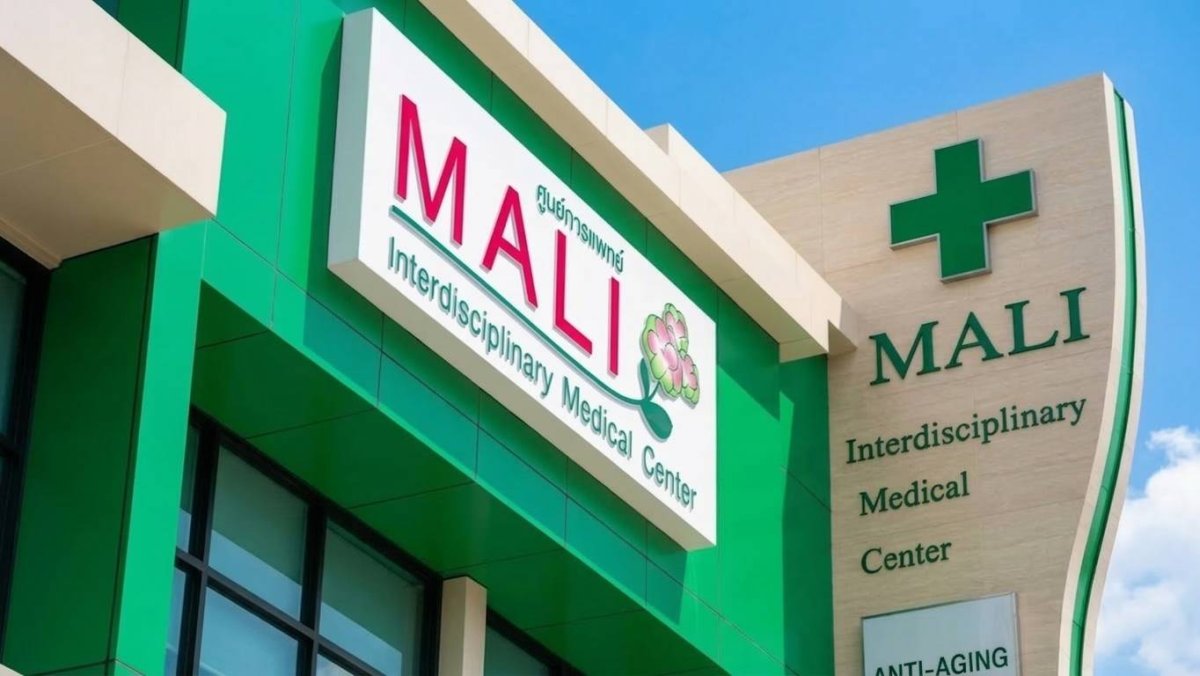
Perspectiva del experto de Bookimed: Tailandia ocupa el segundo lugar a nivel mundial en nuestros datos de turismo médico, en gran parte debido a centros de gran volumen como el Mali Interdisciplinary Hospital, que atiende a 50.000 pacientes al año. Si bien muchos buscan inhibidores de puntos de control estándar, clínicas como el Panacee Hospital Rama 2 los combinan con medicina regenerativa y tera
¿Qué tipos de cáncer se tratan comúnmente con inmunoterapia en Tailandia?
Los centros de oncología tailandeses tratan comúnmente el cáncer de pulmón, hígado y riñón avanzado con inmunoterapia. Los hospitales especializados utilizan inhibidores de puntos de control inmunitario para el melanoma y el cáncer de vejiga. Las instalaciones acreditadas por JCI en Bangkok también aplican estas terapias para cánceres de cabeza, cuello y estómago resistentes a los protocolos de quimioterapia estándar.
- Cáncer respiratorio: Inhibidores de puntos de control dirigidos para el cáncer de pulmón de células no pequeñas avanzado.
- Cáncer gastrointestinal: Opciones de inmunoterapia para el hígado y cánceres de estómago resistentes a la quimioterapia.
- Cáncer genitourinario: Tratamiento para cánceres de riñón y vejiga avanzados utilizando marcadores PD-L1.
- Piel y sangre: Disponibilidad de protocolos para melanoma y subtipos específicos de linfoma no Hodgkin.
Perspectiva del experto de Bookimed: Tailandia ocupa el segundo lugar a nivel mundial en solicitudes de turismo médico en nuestra plataforma. Los centros importantes como el Mali Interdisciplinary Hospital atienden a 50,000 pacientes al año. Este gran volumen permite a los oncólogos tailandeses desarrollar una amplia experiencia con diversos biomarcadores de inmunoterapia y el manejo de efectos secundarios.
Consenso de los pacientes: Los pacientes enfatiz
¿Cuáles son los efectos secundarios principales de la inmunoterapia?
Los principales efectos secundarios de la inmunoterapia incluyen fatiga, reacciones cutáneas y síntomas similares a la gripe. Estos ocurren cuando el sistema inmunológico ataca células sanas. Las reacciones comunes incluyen erupciones, dolor articular y problemas gastrointestinales como diarrea. Los centros de oncología tailandeses los manejan con medicamentos y descanso.
- Cambios en la piel: Los pacientes a menudo informan picazón, enrojecimiento o piel seca durante el tratamiento.
- Fatiga física: El cansancio intenso es común y puede empeorar con el sobreesfuerzo físico.
- Inflamación de órganos: Raros eventos relacionados con el sistema inmunitario pueden causar inflamación en los pulmones o el hígado.
- Síntomas gripales: Escalofríos, fiebre y dolores musculares ocurren frecuentemente después de las infusiones iniciales.
Perspectiva del experto de Bookimed: Las instalaciones médicas tailandesas como el Mali Interdisciplinary Hospital y el Panacee Hospital integran terapias regenerativas con oncología estándar. Este enfoque combinado busca manejar los efectos secundarios crónicos mientras atiende a más de 50,000 pacientes anualmente. Elegir centros con acreditación de la Joint Commission International garantiza altos estándares de seguridad para el manejo de reacciones inflamatorias.
Consenso de los pacientes: Las p
¿Es mejor la inmunoterapia que la quimioterapia?
Si la inmunoterapia es mejor que la quimioterapia depende del tipo y estadio del cáncer. La inmunoterapia se dirige a células cancerosas específicas mientras protege el tejido sano. A menudo resulta en una mayor supervivencia para el melanoma avanzado o el carcinoma de células renales. La quimioterapia funciona más rápido para reducir tumores, pero afecta a las células sanas.
- Precisión de selección: La inmunoterapia entrena a las células inmunitarias para encontrar y destruir el cáncer específicamente.
- Velocidad de tratamiento: La quimioterapia actúa rápidamente para reducir el tamaño del tumor y controlar su crecimiento.
- Impacto en la supervivencia: La inmunoterapia puede aumentar las tasas de supervivencia a cinco años en un 16 % en ciertos tipos de cáncer de pulmón.
- Tasas de respuesta: El bloqueo de los puntos de control inmunitario muestra tasas de respuesta de aproximadamente el 20 % en tumores sólidos.
Perspectiva del experto de Bookimed: Los centros médicos tailandeses como el Bangkok Hospital Phuket poseen la acreditación JCI por su seguridad. Mientras que las clínicas especializadas se enfocan en células madre y cuidados regenerativos, los centros oncológicos tradicionales priorizan la selección basada en biomarcadores. Elegir entre estas opciones depende de si su cáncer responde a los inhibidores de puntos de control inmunitar
¿Cuánto tiempo tarda la inmunoterapia en hacer efecto?
La inmunoterapia suele tardar entre 8 y 12 semanas en mostrar resultados clínicos medibles. La mayoría de los pacientes ven mejoras notables después de 2 meses de tratamiento. A diferencia de la quimioterapia, este proceso requiere tiempo para activar las células inmunitarias y montar un ataque selectivo sobre los sitios tumorales.
- Respuesta inicial: Las células inmunitarias necesitan varias semanas para multiplicarse después del primer ciclo de tratamiento.
- Evaluación típica: Los médicos suelen realizar los primeros escáneres de respuesta después de 2 o 3 meses.
- Riesgo de pseudoprogresión: Los tumores pueden parecer temporalmente más grandes a medida que las células inmunitarias se infiltran en el tejido canceroso.
- Marcadores de éxito: La estabilización de la enfermedad suele ser la primera señal de que la terapia funciona.
Perspectiva del experto de Bookimed: Tailandia es un centro mundial importante para terapias regenerativas y basadas en células. Clínicas como el Mali Interdisciplinary Hospital atienden a más de 50.000 pacientes al año utilizando medicina de precisión. Mientras que los centros de oncología estándar se centran en la inmunoterapia basada en fármacos, estos centros integradores suelen utilizar tecnologías celulares con certificación ISO. Esto indica un alto nivel de experiencia regional en el manejo de respuestas inmu
¿Están disponibles los últimos medicamentos de inmunoterapia en Tailandia?
Tailandia ofrece una gama completa de los últimos medicamentos de inmunoterapia. La FDA tailandesa ha aprobado los principales inhibidores de puntos de control como Pembrolizumab y Nivolumab. Estas terapias son estándar en centros acreditados por la JCI en Bangkok y Phuket. Tratan eficazmente el cáncer de pulmón avanzado, el melanoma y los tumores sólidos.
- Productos biológicos aprobados por la FDA: Los inhibidores de puntos de control como Pembrolizumab y Nivolumab están fácilmente disponibles.
- Producción nacional: Tailandia ha aprobado recientemente IMCRANIB 100 para aumentar el acceso local a los medicamentos.
- Diagnóstico de precisión: Las clínicas utilizan pruebas de biomarcadores como PD-L1 para confirmar la elegibilidad del paciente.
- Centros especializados: Redes importantes como el Bangkok Hospital y el Mali Interdisciplinary Hospital ofrecen estos medicamentos.
Perspectiva del experto de Bookimed: Aunque los centros principales como el Bangkok Hospital Phuket tienen acreditación JCI, los pacientes deben notar la brecha de especialización. Algunos centros como el Mali Interdisciplinary Hospital se centran en la medicina de precisión para 50.000 pacientes al año. Elegir un centro de gran volumen garantiza que el departamento de oncología tenga regularmente estas costosas terapias biológicas en existencia.
Consenso de
¿Qué debo preguntar a mi médico antes de comenzar la inmunoterapia?
Antes de comenzar la inmunoterapia en Tailandia, pregunte a su médico sobre el tipo específico de medicamento y el objetivo clínico. Confirme si el tratamiento tiene como objetivo la curación, la prevención o los cuidados paliativos. Pregunte sobre los efectos secundarios relacionados con el sistema inmunitario y aclare qué síntomas requieren atención inmediata en urgencias.
- Enfoque específico: Pregunte si la clínica utiliza inmunoterapia basada en fármacos o técnicas de regeneración celular.
- Seguimiento del éxito: Pregunte cómo diferenciarán los escáneres y los análisis de sangre entre pseudoprogresión y crecimiento real.
- Protocolos de seguridad: Verifique si el centro cuenta con la acreditación JCI o ISO 9001:2015 de seguridad.
- Condiciones existentes: Discuta cómo la terapia podría interactuar con enfermedades autoinmunes existentes como el lupus o el asma.
Perspectiva del experto de Bookimed: Tailandia atrae a unos 50.000 pacientes al año a centros como el Mali Interdisciplinary Hospital. Nuestros datos muestran una distinción entre los centros de oncología estándar y las clínicas regenerativas que utilizan terapia de células madre de sangre periférica. Si busca tratamiento contra el cáncer, confirme que el centro cuenta con departamentos de urgencias acreditados por la JCI para gestionar reacciones raras a las infusiones. Los centro