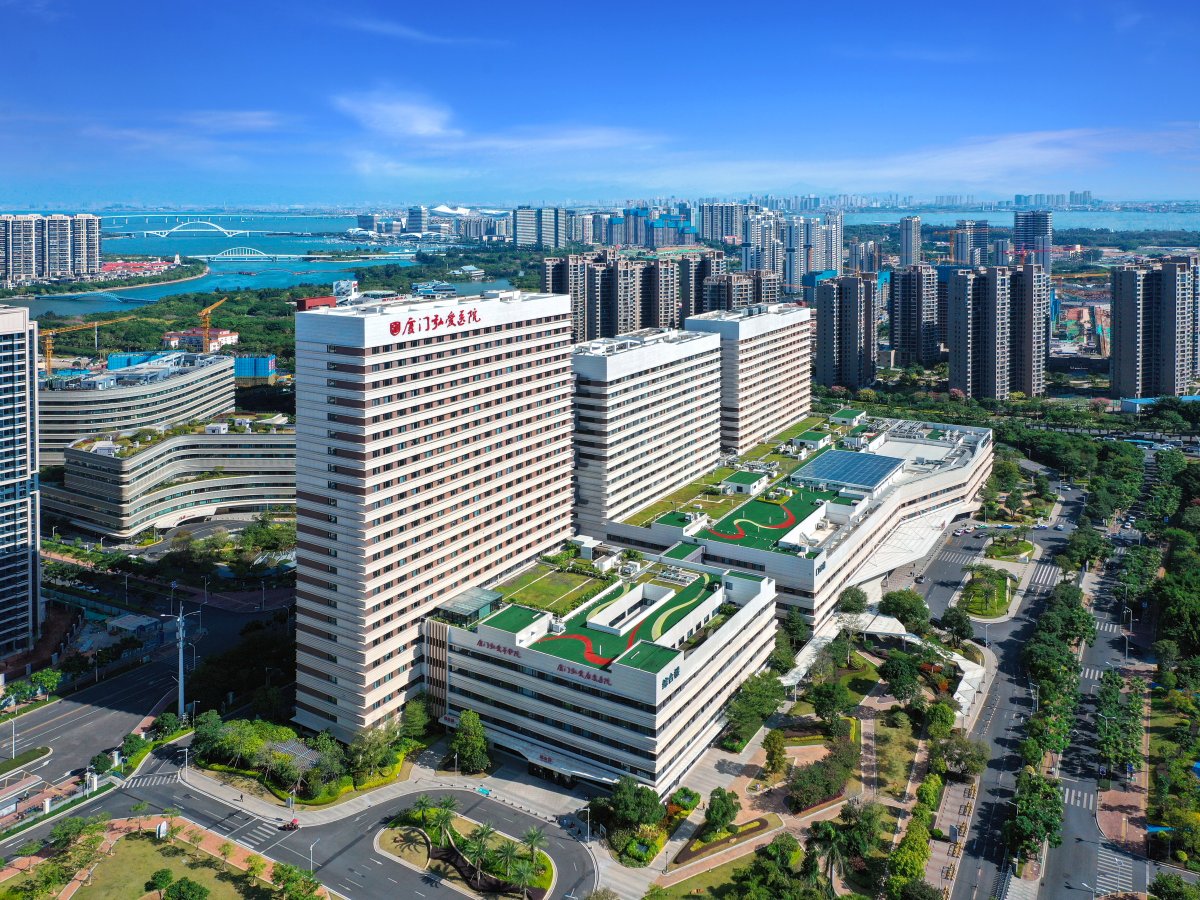
Hospital Xiamen Humanity
China, Xiamen


Revisado médicamente por
Fahad Mawlood
El costo del tratamiento del cáncer de próstata en China oscila entre Precio a consultar y Precio a consultar para la cirugía laparoscópica, mientras que la prostatectomía robótica avanzada da Vinci suele costar entre $17,000 y $26,000. Los gastos dependen de la etapa del cáncer, el nivel del hospital elegido y la tecnología específica utilizada. Los pacientes internacionales pueden esperar ahorros del 25% al 50% en comparación con los EE. UU. Las principales ciudades para la atención oncológica de alta gama incluyen Pekín y Cantón.
Costos típicos del tratamiento del cáncer de próstata en China
Perspectiva de los expertos de Bookimed: Los pacientes en etapas avanzadas que buscan alternativas a la quimioterapia tradicional encuentran un gran valor en los centros oncológicos especializados. El Hospital Oncológico Fuda ofrece más de 10 terapias mínimamente invasivas, incluyendo NanoKnife y criocirugía. Su enfoque clínico en casos avanzados es muy adecuado para escenarios complejos. Para aquellos que requieren atención multidisciplinaria acreditada por la JCI, el Hospital Internacional Yanda ofrece instalaciones de Clase A de nivel III. Esto garantiza protocolos internacionales de primera calidad por aproximadamente $22,000 a $25,800.
| China | España | Turquía | |
|---|---|---|---|
| Terapia hormonal | ≈ $3,500 | de $600 | de $1,100 |
| Terapia con haz de protones | ≈ $28,000 | de $43,300 | de $25,000 |
| Sistema Robótico Da Vinci | de $35,800 | ≈ $9,500 | de $23,900 |
| Resección transuretral de la próstata (RTUP) | ≈ $3,800 | de $6,800 | de $4,000 |
| Prostatectomía robótica da Vinci | ≈ $17,000 | de $20,100 | de $11,500 |

Médico jefe y profesor. Experto de nivel 1 en el Centro Oncológico del West China Hospital, Sichuan University (clasificado n.º 2 en China). Completó un posdoctorado en radiología intervencionista en el Chinese PLA General Hospital. Dirige equipos multidisciplinarios (MDT) para tumores complejos. Experto en oncología intervencionista mínimamente invasiva para cánceres de hígado, pulmón y páncreas.
Acreditaciones: Miembro del consejo, WATA. Miembro de los comités de CACA y CMDA sobre in

El Dr. He Weibing es pionero de la crioablación con argón‑helio en China, con más de 20 años de práctica en primera línea. Fue miembro fundador del Hospital Oncológico Fuda (Guangzhou). Cofundó su Centro de Tratamiento Tumoral Mínimamente Invasivo y fue subdirector ejecutivo. También ayudó a crear el Grupo de Ablación de la Asociación China contra el Cáncer. Ha sido operador principal en más de 10.000 procedimientos.
Se especializa en crioablación tumoral y domina la braquiterapia con

El profesor Luo Xiaoping es un radiólogo intervencionista reconocido a nivel nacional y una autoridad destacada en el oeste de China. Comenzó a realizar intervenciones vasculares pioneras a principios de la década de 1990. Ayudó a fundar el Grupo de Intervencionismo del Segundo Hospital Afiliado de la Universidad Médica de Chongqing.
Ha realizado más de 100 000 procedimientos intervencionistas, incluidos unos 4 000 casos complejos. Sus competencias clave incluyen TACE para el carcinoma

El profesor Xiao Yueyong es médico jefe del Departamento de Radiodiagnóstico del Hospital General del EPL de China. Es un experto líder en oncología intervencionista mínimamente invasiva. Es el primer presidente de WATA (2025–). Preside la Sociedad Internacional (2020–) y la Sociedad Asiática (2012–) de Crioterapia. También es subjefe del Grupo de Expertos de la NHC sobre regulaciones de ablación tumoral (2009–).
Ha realizado más de 100 000 procedimientos mínimamente invasivos guiados

Escrito por Anna Leonova

Escrito por Olena Sikoza

Escrito por Anna Leonova

Escrito por Anna Leonova

Escrito por Veronika Kazina
 Olena Sikoza
Entre los mejores hospitales de China para el tratamiento del cáncer de próstata se encuentran centros acreditados por la JCI, como el Hospital Oncológico Fuda y el Hospital Internacional Yanda. Estas instituciones se especializan en técnicas mínimamente invasivas y cirugía robótica. Los principales centros académicos públicos de Pekín y Shanghái también son líderes en investigación y realizan un gran número de intervenciones quirúrgicas.
Opinión de expertos de Bookimed: Si bien los hospitales públicos atienden a un gran volumen de pacientes, los centros acreditados por la JCI, como el Hospital Internacional Yanda, ofrecen una oportunidad única para pacientes internacionales. Nuestros datos demuestran que estas instituciones combinan protocolos quirúrgicos occidentales con enfoques tradicionales chinos. Esta integración resulta
China ofrece tratamientos de vanguardia para el cáncer de próstata mediante sistemas robóticos y radioterapia especializada. En casos complejos, se emplean la telecirugía con tecnología 5G y la radioterapia con iones de carbono. Estas tecnologías permiten un tratamiento preciso de los tumores de alto riesgo, preservando al mismo tiempo el tejido sano circundante y las funciones vitales del tracto urinario.
Opinión de expertos de Bookimed: Los datos de pacientes muestran una tendencia hacia centros especializados no quirúrgicos, como el Hospital Oncológico Fuda en Guangzhou. Esta institución ha tratado a más de 30 000 pacientes internacionales utilizando más de 10 tipos de terapias mínimamente invasivas. Su especialización en hipertermia por microondas e intervenciones vasculares ofrece alternativas para quienes desean evi
En China, el tratamiento del cáncer de próstata metastásico se basa en protocolos multimodales agresivos que combinan la terapia de privación de andrógenos con técnicas mínimamente invasivas especializadas. Los centros líderes utilizan criocirugía, nanocirugía y terapia intervencionista vascular. Estos enfoques complementan los estándares internacionales, como la terapia hormonal y la quimioterapia para la enfermedad avanzada.
Opinión de expertos de Bookimed: Los principales centros oncológicos chinos, como el Hospital Oncológico Fuda y el Hospital Internacional Yanda, destacan por tratar a aproximadamente 2.500.000 pacientes al año, incluyendo más de 30.000 casos procedentes del extranjero. Los datos muestran que estas institucion
La medicina tradicional china (MTC) se utiliza en China como terapia complementaria para el cáncer de próstata. Mejora las tasas de supervivencia y ayuda a controlar los efectos secundarios del tratamiento, además del tratamiento convencional. Preparaciones especiales, como las píldoras Xihuang, reducen el dolor causado por la quimioterapia. La MTC también ayuda a ralentizar la progresión del tumor y puede reducir el riesgo de metástasis óseas.
Opinión de expertos de Bookimed: Si bien muchos recurren a la medicina tradicional china (MTC) como método de tratamiento principal, los grandes hospitales chinos de categoría A/nivel III, como el Hospital Internacional Yanda, se centran en un modelo híbrido. Integran 28 500 tecnologías modernas con enfoques tradicionales. Esto sugiere que el enfoque más eficaz es ut