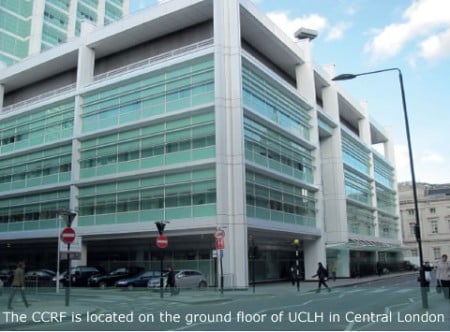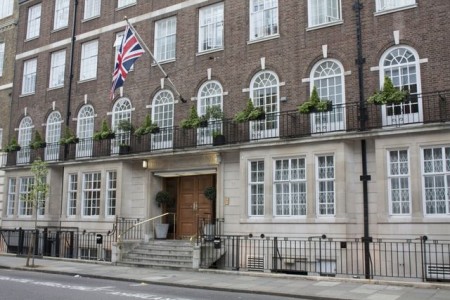
Harley Street Clinic
Reino Unido, Londres


Revisado médicamente por
Fahad Mawlood
De $1,500. Las intervenciones quirúrgicas primarias como la prostatectomía robótica da Vinci varían de $20,000 a $30,000, mientras que la radioterapia para el cáncer de próstata cuesta de Precio a consultar a Precio a consultar. Los gastos totales dependen del estadio del cáncer, la tecnología utilizada y el nivel de la clínica. Londres sigue siendo el centro principal para la atención oncológica avanzada.
Costos típicos del tratamiento del cáncer de próstata en el Reino Unido
Perspectiva de los expertos de Bookimed: La atención oncológica privada en Londres es ideal para pacientes que buscan un acceso rápido a diagnósticos avanzados. Harley Street en el University College Hospital (HS at UCH) ofrece servicios de diagnóstico 24/7 bajo los estándares de la Care Quality Commission (CQC). Para aquellos que requieren una integración quirúrgica compleja, Harley Street Clinic ofrece acceso a la red de atención médica privada más grande del Reino Unido. Los pacientes priorizan estos centros cuando las listas de espera estándar no son una opción viable para una intervención oportuna.
| Reino Unido | España | Turquía | |
|---|---|---|---|
| Terapia hormonal | ≈ $4,200 | de $600 | de $1,100 |
| Terapia con haz de protones | ≈ $90,000 | de $43,300 | de $25,000 |
| Sistema Robótico Da Vinci | ≈ $14,000 | ≈ $9,500 | de $23,900 |
| Resección transuretral de la próstata (RTUP) | ≈ $8,000 | de $6,700 | de $4,000 |
| Prostatectomía robótica da Vinci | ≈ $20,000 | de $20,100 | de $11,500 |
Bookimed no añade cargos extra a los precios de los tratamientos de Cancer de prostata. Las tarifas proceden de las listas de precios oficiales de las clínicas. Pagará directamente en la clínica por su tratamiento a su llegada al país.
Bookimed está comprometido con su seguridad. Solo trabajamos con las clínicas que mantienen altos estándares internacionales en el tratamiento de Cancer de prostata y cuentan con las licencias necesarias para atender a pacientes internacionales en todo el mundo.
Bookimed ofrece asistencia experta gratuita. Un coordinador médico personal le apoya antes, durante y después de su tratamiento, resolviendo cualquier problema. Nunca estará solo en su viaje médico de tratamiento de Cancer de prostata.


Escrito por Anna Leonova

Escrito por Olena Sikoza

Escrito por Anna Leonova

Escrito por Anna Leonova

Escrito por Veronika Kazina
 Olena Sikoza
El tratamiento del cáncer de próstata en el Reino Unido se centra en la vigilancia clínica, la cirugía robótica y la radioterapia avanzada. Los especialistas en centros como la Harley Street Clinic utilizan CyberKnife para atacar los tumores con precisión. La elección del tratamiento depende del grado del cáncer, la edad del paciente y su estado físico general para garantizar resultados funcionales óptimos.
Perspectiva del experto de Bookimed: Las clínicas de Londres a menudo lideran la adopción de tecnología antes de que llegue a una disponibilidad regional más amplia. Por ejemplo, la Harley Street Clinic fue el primer centro del Reino Unido en ofrecer tratamiento con CyberKnife. Los pacientes que buscan opciones no invasivas específicas deben priorizar los centros con sede en Londres para obtener un acceso más rápido a estas plataformas robóticas especi
El cáncer de próstata en etapa temprana no siempre requiere tratamiento inmediato. Los tumores de bajo riesgo y crecimiento lento a menudo califican para la vigilancia activa. Esta estrategia de monitoreo evita efectos secundarios innecesarios de la cirugía o la radiación. Los especialistas inician el tratamiento solo si las pruebas de diagnóstico muestran que el cáncer está progresando o volviéndose agresivo.
Perspectiva del experto de Bookimed: Los pacientes en Londres tienen acceso único a asociaciones altamente especializadas para casos complejos. Harley Street en el University College Hospital combina la atención privada con los recursos del University College Hospital. Esto proporciona acceso a ensayos clínicos avanzados a través del Sarah Cannon Research Institute. Dicha infraestructura es vital para los pacientes que pasan del monitoreo a los
Los tratamientos contra el cáncer de próstata en el Reino Unido afectan comúnmente a las funciones urinarias, intestinales y sexuales. La cirugía a menudo causa incontinencia urinaria inmediata o disfunción eréctil. La radioterapia puede provocar cambios sexuales graduales e irritación intestinal. La terapia hormonal suele causar fatiga, sofocos y reducción de la densidad ósea.
Perspectiva del experto de Bookimed: Los pacientes en centros de Londres como Harley Street en el University College Hospital se benefician de asociaciones de investigación integradas. Estas colaboraciones a menudo brindan acceso a ensayos clínicos centrados en reducir la toxicidad del tratamiento. Elegir instalaciones con el sello de calidad Macmillan Quality Environment Mark garantiza un estándar más alto de atención de apoyo durante la recuperación.
Consenso de
El HIFU y la terapia focal están disponibles en el NHS para el cáncer de próstata localizado. El acceso depende de la disponibilidad regional y de criterios de elegibilidad clínica específicos. Centros como University College London Hospitals e Imperial College Healthcare ofrecen estos tratamientos. Las directrices del NICE requieren un consentimiento especial y la recopilación de datos.
Opinión del experto de Bookimed: Aunque la cirugía estándar o la radioterapia suelen ser prioritarias, centros como Harley Street en el University College Hospital combinan la experiencia privada y la del NHS. Los datos muestran que la terapia focal cuesta entre 16.000 y 28.000 dólares en el sector privado. Elegir centros especializados de alto volumen garantiza el acceso a técnicas avanzadas como NanoKnife o CyberKnife junto con el HIFU tradici
El tratamiento del cáncer de próstata en el NHS sigue la vía de derivación urgente de 62 días. Debería recibir un diagnóstico dentro de los 28 días posteriores a la derivación de su médico de cabecera (GP). Idealmente, el tratamiento debería comenzar dentro de los 62 días. Sin embargo, los casos complejos pueden tardar significativamente más debido a la capacidad del fideicomiso local y la dotación de personal.
Opinión de expertos de Bookimed: La urgencia clínica a menudo dicta su cronograma más que los objetivos estándar. Mientras que centros como el Royal Brompton and Harefield NHS Foundation Trust gestionan grandes volúmenes de pacientes, los fideicomisos más pequeños pueden enfrentar cuellos de botella más largos. Los pacientes con puntuaciones de Gleason de alto riesgo o una velocidad de PSA