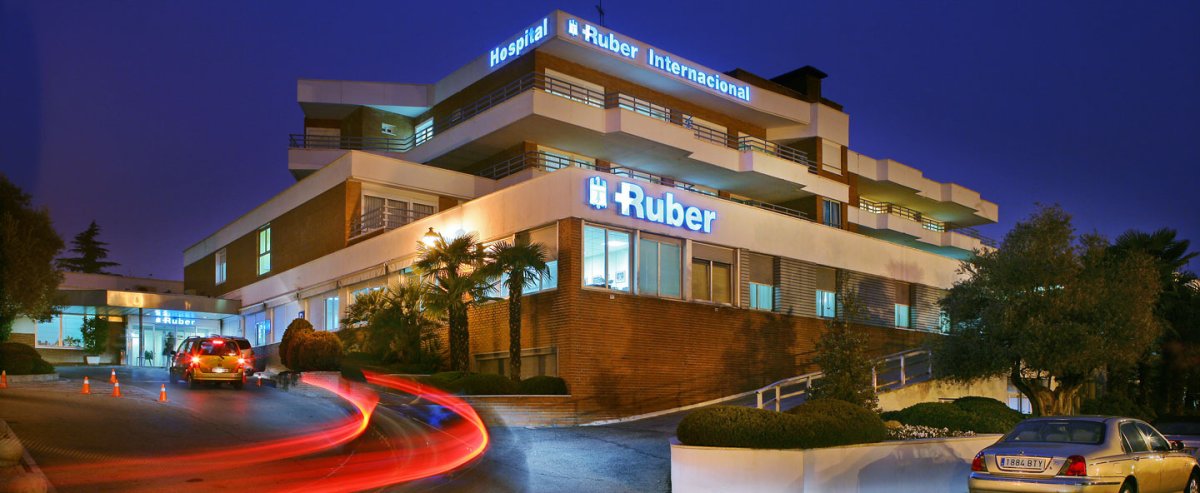
Centro Médico Teknon
España, Barcelona
Joan Carles Galceran
39 años de experiencia • 1200+ tratamientos realizados

Clínica certificada por : 





Revisado médicamente por
Fahad Mawlood
El costo total del tratamiento del cáncer de próstata en España varía según el enfoque médico elegido. Una consulta inicial en un centro de terapia de protones cuesta aproximadamente 610 €, mientras que las evaluaciones previas al tratamiento varían de 1.030 € a 1.030 €. La terapia de protones, un tratamiento no invasivo, tiene un precio entre 51.360 € y 71.920 €. La prostatectomía radical asistida por robot da Vinci está entre 18.440 € y 25.620 €. El programa de tratamiento se finaliza después de una evaluación exhaustiva de la condición y las necesidades del paciente.
El Prof. Galceran dirige la Unidad de Cáncer Genitourinario de España en Vall d'Hebron, especializándose en cáncer de próstata con más de 900 procedimientos y ensayos clínicos nacionales.

El Prof. Miralbell realiza más de 120 cursos de radioterapia al año en Centro Médico Teknon, pionero en el tratamiento de alta precisión del cáncer de próstata.

La Dra. Carme Ares dirige el Departamento de Oncología Radioterápica en el Centro de Protonterapia Quirónsalud de Madrid. Es especialista en protonterapia y oncología radioterápica. La Dra. Ares completó una beca clínica en el Hospital General de Massachusetts, afiliado a la Facultad de Medicina de Harvard. Ha ejercido en clínicas de primer nivel en Suiza y los Países Bajos.
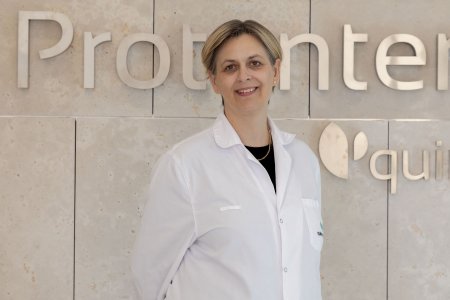
La Dra. Stephanie Lilianne E. Bolle es oncóloga radioterápica y jefa de Oncología Radioterápica del Centro de Protonterapia de Quirónsalud en Madrid. Dirige el departamento desde julio de 2024. Es el primer centro de protonterapia de España.
Doctora en Medicina, Universidad de Lieja (1998). Especialista en Oncología Radioterápica (2003). Es miembro activo de la Sociedad Europea de Oncología Pediátrica y colabora con su Grupo de Tumores Cerebrales y el Grupo de Trabajo de Oncología Radi

Escrito por Anna Leonova

Escrito por Olena Sikoza

Escrito por Anna Leonova

Escrito por Anna Leonova

Escrito por Veronika Kazina
 Olena Sikoza
España ofrece tratamientos de alta precisión para el cáncer de próstata, incluyendo cirugía robótica, terapia de protones y radioterapia avanzada. Los pacientes acceden a estos a través de centros acreditados por la JCI en Barcelona y Madrid. Opciones especializadas como el sistema robótico Da Vinci y la terapia de protones Proteus ONE proporcionan alternativas mínimamente invasivas con una recuperación rápida.
Perspectiva del experto de Bookimed: Aunque muchos buscan cirujanos, la ventaja oculta en España es la integración de centros de investigación especializados. Por ejemplo, el Dr. Raimon Miralbell en el Centro Médico Teknon colabora directamente con el CERN en protocolos de radioterapia. Esta conexión académica a menudo significa que los pacientes acceden a técnicas emergentes mucho antes de que se conviertan en estándares globales.
Cons
Las tasas de éxito del cáncer de próstata en etapa temprana en España alcanzan aproximadamente el 100% en supervivencia relativa a 5 años. Los tumores localizados permanecen contenidos dentro de la próstata, lo que los hace altamente tratables. Los centros especializados españoles utilizan cirugía robótica y radiación dirigida para mantener estos altos resultados terapéuticos mientras preservan la calidad de vida.
Perspectiva del experto de Bookimed: España domina el campo de la oncología al combinar una experiencia quirúrgica de alto volumen con asociaciones de investigación académica. Por ejemplo, el Dr. Raimon Miralbell del Centro Médico Teknon colabora directamente con el CERN en protocolos de tratamiento avanzados. Esta integración de la física de partículas y la atención clínica permite a los
Los tratamientos contra el cáncer de próstata en España suelen afectar a la función sexual y urinaria, pero las técnicas avanzadas ayudan a preservar la calidad de vida. La cirugía robótica con preservación de nervios y la terapia de protones minimizan el daño a los tejidos circundantes. Los resultados dependen del procedimiento específico, el estadio del tumor y la experiencia del equipo quirúrgico.
Perspectiva del experto de Bookimed: España es líder en urología robótica, con el Hospital Quirón Barcelona realizando más de 40.000 procedimientos al año. Nuestros datos muestran que cirujanos de primer nivel como el Dr. Antonio Alcaraz son pioneros mundiales en estas técnicas. Seleccionar un centro de alto volumen es vital porque los cirujanos que realizan más de 1.000 operaciones suelen tener mejores tasas de preservación f
La prostatectomía robótica está ampliamente disponible en España a través de centros médicos privados en Barcelona y Madrid. Aunque la laparoscopia tradicional sigue siendo común en los hospitales públicos, los centros privados acreditados por la JCI ofrecen el sistema robótico Da Vinci. Este enfoque es ahora una opción quirúrgica estándar para el cáncer de próstata localizado.
Perspectiva de expertos de Bookimed: Los datos muestran una alta concentración de experiencia robótica en Barcelona, donde clínicas como el Hospital Quirón Barcelona y el Centro Médico Teknon comparten cirujanos de élite. Por ejemplo, el Dr. Antonio Alcaraz dirige el departamento de urología en ambas instituciones. Este intercambio garantiza que los pacientes reciban la misma calidad quirúrgica independientemente
La terapia focal está disponible en España como una alternativa precisa a la extirpación completa de la próstata. Este enfoque se dirige únicamente a la lesión cancerosa utilizando tecnologías como HIFU o NanoKnife. Es ideal para pacientes de riesgo intermedio con tumores localizados visibles en resonancias magnéticas.
Perspectiva del experto de Bookimed: Los datos de centros españoles líderes como el Centro Médico Teknon y el Hospital Quiron Barcelona muestran un cambio hacia técnicas de preservación de órganos. Aunque la prostatectomía robótica sigue siendo un pilar para los casos avanzados, la disponibilidad de herramientas especializadas como NanoKnife y radioterapia especializada como SIRT e IMRT en Teknon permite un mapeo altamente personalizado. Si su tumor es visible en una resonancia magnética de 3 Teslas y está confinado a un área, estas opcion
Planee quedarse en España de 14 a 21 días para una cirugía de cáncer de próstata. Esta duración permite el procedimiento inicial, una estancia hospitalaria de 2 a 5 días y los cuidados de seguimiento necesarios. La mayoría de los cirujanos requieren que los pacientes permanezcan en la zona hasta la retirada del catéter, que suele ocurrir entre 7 y 14 días después de la operación.
Opinión de expertos de Bookimed: Aunque los presupuestos clínicos básicos sugieren una estancia de 7 días, nuestros datos muestran que los pacientes a menudo necesitan de 14 a 21 días para tener en cuenta los controles de salud urinaria. En clínicas como el Centro Médico Teknon, los paquetes de diagnóstico por sí solos especifican un plazo de 10 días. Incluir un margen de tiempo para el seguimiento tras la retirada del catéter evita regresos de e
Los requisitos de visa para España dependen de su nacionalidad y la duración del tratamiento. Los ciudadanos de EE. UU., Reino Unido, Canadá y la UE no necesitan visa para estancias inferiores a 90 días. Otros deben solicitar una visa Schengen de categoría C para atención médica a corto plazo.
Perspectiva de expertos de Bookimed: Los datos de los pacientes muestran que 90 días suelen ser suficientes para los procedimientos principales. Una prostatectomía robótica en el Hospital Quirón Barcelona o un diagnóstico en el Centro Médico Teknon suele requerir de 10 a 15 días. Incluso la compleja terapia de protones Proteus ONE en Quironsalud Madrid generalmente encaja dentro del plazo de 45 días. Es probable que no necesite una visa de categoría D a largo plazo para estos tratamientos.
Consenso de los pacientes: Los pacientes señalan que organizar una visa de turista estándar suele ser sufi