Tratamiento de Rabdomiosarcoma en España — obtenga 3 coincidencias personalizadas de clínicas


Revisado médicamente por
Fahad Mawlood
Cómo funciona
¿Cuál es el precio del diagnóstico y los tratamientos de Rabdomiosarcoma en España? Descubra ahora
El costo del tratamiento del rabdomiosarcoma en España varía según el plan de tratamiento. Una consulta inicial con un especialista cuesta alrededor de 610 €. Las pruebas diagnósticas adicionales, incluidas la resonancia magnética, la PET-TC y los análisis de laboratorio, oscilan entre 2.070 € y 4.610 €. La cirugía, si es necesaria, se estima que cuesta entre 35.800 € y 46.200 €. La terapia de protones, si es aplicable, varía entre 72.000 € y 102.600 €. El enfoque exacto del tratamiento se determina después de una evaluación exhaustiva por parte del equipo médico.
| España | Turquía | México | |
|---|---|---|---|
| Tratamiento complejo del rabdomiosarcoma | ≈ $38,000 | ≈ $22,000 | ≈ $32,000 |
| Radioterapia para sarcomas | de $9,000 | de $5,000 | ≈ $6,500 |
| Radioterapia para el cáncer colorrectal | de $7,500 | de $5,000 | ≈ $6,000 |
| Quimioterapia para el cáncer de mama | de $1,700 | de $3,000 | ≈ $4,500 |
| Eliminación de rabdomiosarcoma | de $33,600 | de $3,000 | ≈ $7,500 |
Descubra las mejores clínicas de tratamiento de Rabdomiosarcoma en España: 8 opciones verificadas y Precios




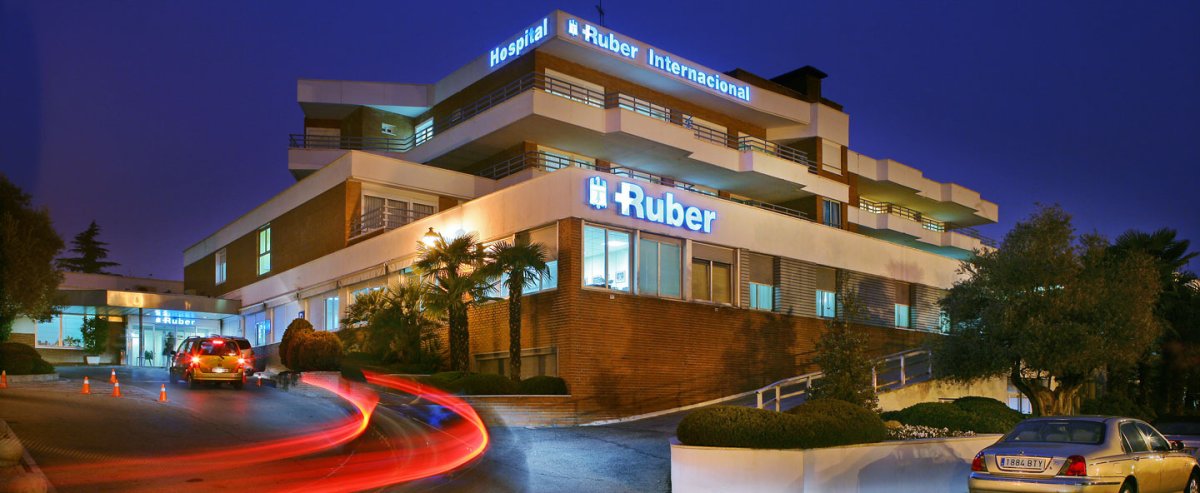


Hospital Sant Joan de Déu Barcelona








Obtenga una evaluación médica para Rabdomiosarcoma en España: consulte con doctores experimentados ahora
Ver todos los médicos
Jaume Mora Graupera
La Dra. Graupera es una galardonada oncóloga pediátrica, especializada en sarcomas óseos y de tejidos blandos en el SJD Barcelona Children's Hospital, uno de los mejores de Europa.
- Directora científica del Departamento de Hematología y Oncología
- Desarrolló un tratamiento pasivo para gliomas de la médula espinal sin radiación
- Más de 70 artículos publicados sobre tumores malignos pediátricos
- Formada en el Memorial Sloan Kettering Cancer Center
- Múltiples premios internacionales por su investigación en oncología pediátrica

Lopez Ibor
Director de la Unidad de Hematología y Oncología Pediátrica en HM Montepríncipe – El Dr. Lopez Ibor se especializa en el tratamiento de tumores óseos y cerebrales en niños y adolescentes.
- Más de _doctor_3339_años_ de experiencia en oncología pediátrica
- Especializado en Hematología y Oncología Pediátrica en la Universidad de Maryland
- Autor de numerosas publicaciones científicas sobre cánceres pediátricos
- Anteriormente dirigió la unidad de oncología en el Hospital Universitario Clínica San Rafael

Blanca Lopez Ibor
La Dra. Blanca Lopez Ibor dirige la Unidad de Hematología y Oncología Pediátrica en HM Hospitales, con más de _doctor_683_ años de experiencia en oncología pediátrica.
- Especializada en el diagnóstico y tratamiento de trastornos hematológicos y oncológicos en niños
- Consultora de la OMS y la UNESCO en oncología pediátrica
- Profesora en la Universidad Complutense de Madrid y la Universidad CEU San Pablo
- Dirige fundaciones centradas en mejorar la salud y la calidad de vida de los niños durante el tratamiento
Reseñas
Todas las reseñasCompartir contenido
Historias en video de pacientes de Bookimed
 Olena Sikoza
Preguntas frecuentes sobre el tratamiento de Rabdomiosarcoma en España
¿Qué hospitales en España están especializados en el tratamiento del rabdomiosarcoma?
Hospitales españoles como el SJD Barcelona Children’s Hospital y la Clínica Universidad de Navarra están especializados en el rabdomiosarcoma. Estos centros ofrecen diagnósticos moleculares avanzados y terapia de protones en instalaciones acreditadas por la JCI. Los oncólogos pediátricos especializados se centran en cirugías de preservación de extremidades y terapias dirigidas para sarcomas de tejidos blandos pediátricos poco frecuentes.
- Unidades especializadas: El SJD Barcelona alberga el Pediatric Cancer Center Barcelona dedicado.
- Experiencia quirúrgica: La Clínica Universidad de Navarra reporta una tasa de preservación de extremidades del 95%.
- Radiación avanzada: Quironsalud Madrid proporciona terapia de protones dirigida para ubicaciones tumorales sensibles.
- Medicina molecular: Los centros líderes utilizan laboratorios internos para terapias tumorales pediátricas personalizadas.
Perspectiva del experto de Bookimed: Las señales de calidad para los sarcomas raros a menudo se encuentran en la capacidad de investigación y el volumen de pacientes de la clínica. Mientras que el Centro Médico Teknon atiende a 10,000 pacientes anualmente con atención certificada por la JCI, el SJD Barcelona trata a 450,000 pacientes y mantiene un laboratorio molecular dedicado. Este volumen permite a cirujanos como el Dr. Jaume Mora Graupera gestionar casos
¿Qué opciones de tratamiento estándar están disponibles en las clínicas españolas?
Las opciones de tratamiento estándar en las clínicas españolas incluyen enfoques multimodales que combinan cirugía, quimioterapia y radiación de alta precisión. Los centros especializados utilizan herramientas de diagnóstico como PET-CT y resonancia magnética para estadificar los sarcomas. Las instalaciones a menudo priorizan la preservación de la función mediante terapia de protones dirigida y resecciones tumorales asistidas por robot dentro de hospitales acreditados por la JCI.
- Intervención quirúrgica: Equipos expertos realizan resecciones tumorales, incluidos procedimientos de preservación de extremidades para sarcomas de tejidos blandos.
- Protocolos de quimioterapia: Los médicos utilizan la quimioterapia estándar como base para reducir los tumores antes de la cirugía.
- Técnicas de radiación: Las opciones incluyen radiación de haz externo y terapia de protones especializada para un control local preciso.
- Diagnóstico por imagen: Las clínicas emplean PET-CT, gammagrafía y resonancia magnética de alta resolución para una estadificación diagnóstica compleja.
- Oncología pediátrica: Los hospitales especializados brindan tratamiento apropiado para la edad de los niños desde la infancia hasta los 18 años.
Perspectiva del experto de Bookimed: Los centros oncológicos españoles como la Clínica Universidad de Navarra repor
¿Qué terapias se ofrecen para el rabdomiosarcoma recidivante o refractario?
El rabdomiosarcoma recidivante o refractario se trata con quimioterapia de rescate, resección quirúrgica y radioterapia. Los centros oncológicos españoles utilizan frecuentemente regímenes como vincristina, irinotecán y temozolomida. Centros especializados como el SJD Barcelona Children's Hospital también ofrecen ensayos clínicos e inmunoterapia dirigida molecularmente para casos avanzados.
- Quimioterapia de rescate: Las combinaciones de tres fármacos como VIT mejoran las tasas de supervivencia en pacientes pediátricos con recaídas.
- Resección quirúrgica: Los cirujanos extirpan tumores localizados en el sitio original, pulmones o ganglios linfáticos.
- Protonterapia: Centros especializados en Madrid ofrecen radiación dirigida para minimizar el daño al tejido sano.
- Diagnóstico molecular: Los laboratorios de medicina molecular identifican mutaciones genéticas para adaptar pruebas específicas de sensibilidad a fármacos.
Perspectiva de expertos de Bookimed: España destaca en la atención del sarcoma pediátrico debido a la alta concentración de centros acreditados por la JCI en Barcelona y Madrid. Por ejemplo, la Clínica Universidad de Navarra reporta una tasa de preservación de extremidades del 95%. Esto sugiere que los especialistas españoles priorizan la recuperación funcional junto con la extirpación del tumor. Al elegir una clínica, los paci
¿Qué beneficios ofrece la terapia de haz de protones para pacientes pediátricos con rabdomiosarcoma?
La terapia de protones proporciona una radiación precisa al eliminar la dosis de salida en el tejido sano. Esta tecnología protege los órganos en desarrollo en niños en crecimiento. Reduce significativamente las complicaciones a largo plazo para tumores en áreas sensibles como la cabeza o la pelvis. El tratamiento preserva el crecimiento, la visión y las funciones cognitivas.
- Administración precisa: Los protones se detienen en el tumor, evitando que la radiación afecte a estructuras sanas profundas.
- Toxicidad reducida: Las dosis integrales más bajas disminuyen los riesgos de cánceres secundarios más adelante en la vida.
- Preservación del crecimiento: Al proteger el hueso y el músculo sanos, se previenen deformidades faciales y retrasos en el crecimiento.
- Protección de órganos: Los haces altamente dirigidos protegen la fertilidad y el control intestinal en casos pélvicos.
Perspectiva del experto de Bookimed: Aunque España cuenta con 83 centros médicos, la oncología pediátrica especializada y la terapia de protones se concentran en centros específicos. La Clínica Universidad de Navarra es un centro líder en sarcomas con una tasa de preservación de extremidades del 95%. Las familias deben verificar si los tumores cercanos al nervio óptico o al cerebro son elegibles para el Centro de Terapia de Protones Quironsalud en Madrid. Esta instalació
¿Qué nivel de preservación de extremidades se puede lograr con los equipos quirúrgicos españoles?
Los equipos quirúrgicos españoles logran tasas de preservación de extremidades del 95% en casos complejos de sarcoma. Los centros especializados priorizan protocolos multidisciplinarios para evitar la amputación mientras aseguran márgenes claros. Estos resultados están respaldados por diagnósticos avanzados como el PET-CT y la integración de unidades de oncología pediátrica y adulta altamente especializadas.
- Tasa de salvamento de extremidades: La Clínica Universidad de Navarra reporta un 95% de preservación para sarcomas.
- Éxito clínico: Los centros mantienen una tasa de curación del 74% para sarcomas óseos.
- Atención multidisciplinaria: Cirujanos, oncólogos y equipos de radiación se coordinan para la reducción localizada del tumor.
- Reconstrucción avanzada: Los equipos utilizan resecciones parciales e injertos para mantener la función de la extremidad.
Perspectiva del experto de Bookimed: Los centros oncológicos españoles como la Clínica Universidad de Navarra y el SJD Barcelona Children’s Hospital funcionan como centros especializados donde los altos volúmenes de pacientes impulsan mejores resultados. Nuestros datos muestran que la Clínica Universidad de Navarra atiende a más de 140,000 pacientes al año. Esta concentración de experiencia permite a los cirujanos realizar procedimientos de preservación de extremidades incluso cuando los tu
¿Cómo se planifica el tratamiento inicial para pacientes pediátricos internacionales?
La planificación del tratamiento para pacientes pediátricos internacionales implica una evaluación remota estructurada antes del viaje. Centros oncológicos españoles especializados revisan los expedientes médicos para determinar la viabilidad clínica. Un comité multidisciplinario de tumores establece entonces una vía de atención preliminar. Este proceso garantiza la preparación médica y logística para el niño.
- Evaluación de registros: Los equipos revisan los informes de patología traducidos y los archivos de imágenes digitales sin procesar.
- Revisión multidisciplinaria: Oncólogos y cirujanos colaboran para determinar si el tratamiento es viable.
- Autorización financiera: Las clínicas proporcionan estimaciones de costos y verifican los fondos de seguros o patrocinio.
- Apoyo para visas: Los hospitales emiten documentación formal para viajes médicos y requisitos de inmigración.
Perspectiva del experto de Bookimed: Los centros pediátricos españoles como el SJD Barcelona Children’s Hospital a menudo requieren revisiones de láminas de patología. Este paso es fundamental para el rabdomiosarcoma con el fin de confirmar los subtipos de tumor antes del viaje. La Clínica Universidad de Navarra reporta una tasa de preservación de extremidades del 95% para sarcomas. Esto sugiere que su enfoque de planificación prioriza fuertemente los resultados funcio