Escoliosis Tratamiento en China — Costos 2026


Revisado médicamente por
Fahad Mawlood
¿Cuál es el precio del diagnóstico y los tratamientos de Escoliosis en China? Descubra ahora
El costo del tratamiento de la escoliosis en China suele oscilar entre $1,800 y $4,800 para terapias conservadoras, mientras que la intervención quirúrgica varía de $16,000 a $33,000. Los gastos totales dependen de la calidad del hardware, el número de vértebras involucradas y el nivel de acreditación de la clínica. Los pacientes a menudo encuentran ahorros del 40-60% en comparación con los Estados Unidos. Los principales centros médicos para el cuidado de la columna vertebral incluyen Pekín y Shanghái.
Costos típicos del tratamiento de la escoliosis en China
- Tratamiento conservador de la escoliosis: $1,800 – $4,800
- Cirugía de escoliosis: $16,000 – $33,000
- Implantación del sistema ApiFix: $14,000 – $23,000
- Tratamiento quirúrgico de la escoliosis: $16,000 – $29,000
- Terapia con células madre para la escoliosis: Precio a consultar
- Descompresión de línea media abierta con reconstrucción de ligamentos: $7,500 – $14,000
Perspectiva de los expertos de Bookimed: Para deformidades espinales complejas, los centros acreditados por la JCI, como el Hospital Internacional Yanda, brindan atención de alto nivel. El Dr. Li Guo Qiang ofrece rehabilitación especializada para casos conservadores utilizando protocolos integrados. Los pacientes que requieren cirugía avanzada se benefician de expertos como la Dra. Siyi Cai. Su experiencia en el Hospital for Special Surgery de Nueva York garantiza estándares internacionales. Elegir clínicas de nivel III de Clase A asegura la mayor calidad médica disponible en China.
| China | España | Turquía | |
|---|---|---|---|
| Tratamiento quirúrgico de la escoliosis | ≈ $16,000 | de $56,100 | de $15,000 |
| Tratamiento conservador de la escoliosis | ≈ $1,800 | de $2,000 | de $2,500 |
| Implantación del sistema ApiFix | ≈ $14,000 | ≈ $17,500 | de $30,000 |
| Descompresión abierta de la línea media de la columna vertebral con reconstrucción de ligamentos | ≈ $7,500 | ≈ $9,500 | ≈ $5,500 |
| Cirugía de escoliosis | ≈ $16,000 | ≈ $26,000 | de $22,400 |
Sus beneficios y garantías con Bookimed
Precios directos
Bookimed no añade cargos extra a los precios de los tratamientos de Escoliosis. Las tarifas proceden de las listas de precios oficiales de las clínicas. Pagará directamente en la clínica por su tratamiento a su llegada al país.
Sólo clínicas y médicos verificados
Bookimed está comprometido con su seguridad. Solo trabajamos con las clínicas que mantienen altos estándares internacionales en el tratamiento de Escoliosis y cuentan con las licencias necesarias para atender a pacientes internacionales en todo el mundo.
Asistencia 24/7 gratuita
Bookimed ofrece asistencia experta gratuita. Un coordinador médico personal le apoya antes, durante y después de su tratamiento, resolviendo cualquier problema. Nunca estará solo en su viaje médico de tratamiento de Escoliosis.

Su coordinador médico personal de Bookimed
- Le apoya en cada etapa
- Ayuda a elegir la clínica y el médico adecuados
- Asegura un acceso rápido y conveniente a la información
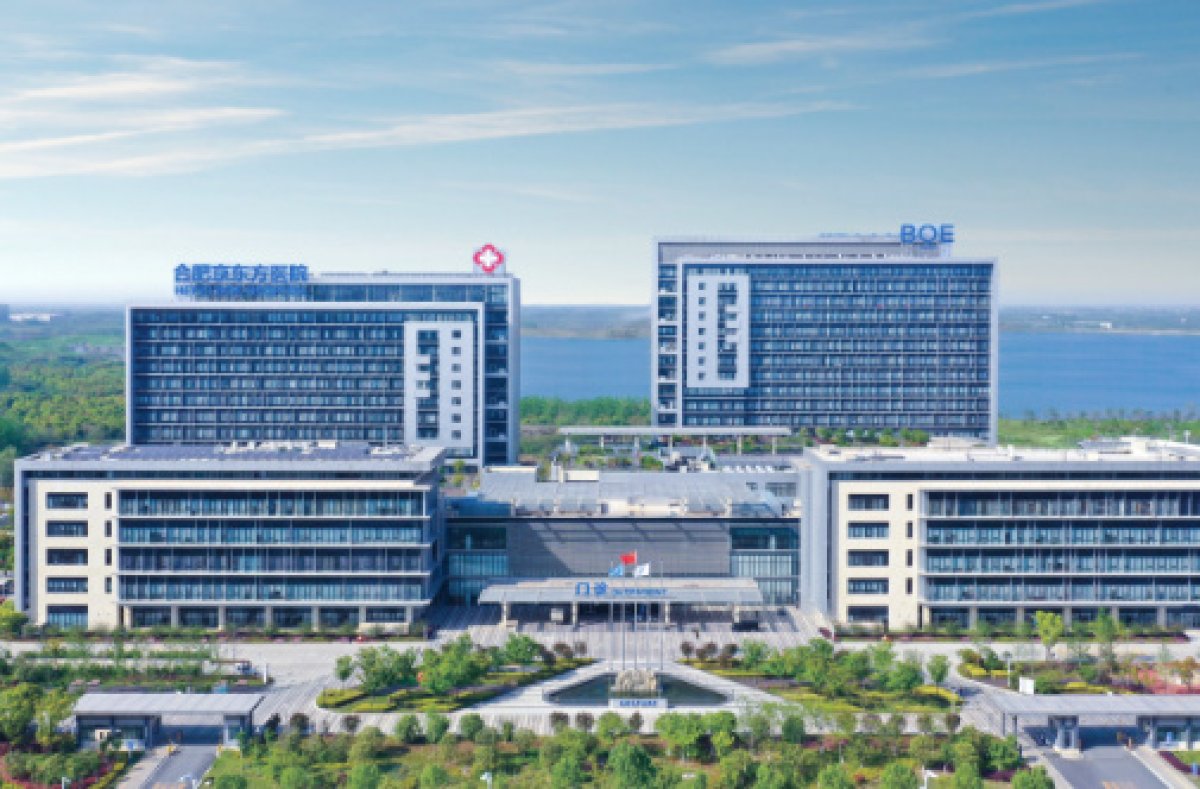
Descubra las mejores clínicas de tratamiento de Escoliosis en China: 2 opciones verificadas y Precios


Obtenga una evaluación médica para Escoliosis en China: consulte con doctores experimentados ahora
Ver todos los médicos
Chen Biao
El profesor Cheng Biao es médico jefe, profesor y tutor de doctorado en Ortopedia en el Hospital Tongji de Shanghái. Se especializa en patología articular compleja y traumatismos deportivos. Sus áreas de enfoque son la artroplastia y la artroscopia.
Su ámbito abarca la artroplastia de rodilla y cadera, la meniscectomía y la reparación del manguito rotador, del LCA y de la lesión de Bankart. También trata la displasia del desarrollo de la cadera (DDC), la inestabilidad rotuliana y del h
Compartir contenido
Historias en video de pacientes de Bookimed
 Olena Sikoza
Preguntas frecuentes sobre el tratamiento de Escoliosis en China
¿Qué tan seguras son las cirugías de escoliosis en China y qué protocolos de seguridad se siguen en los principales hospitales?
En China, la cirugía de escoliosis se realiza en hospitales de primer nivel (Clase A). Estos centros de élite presentan tasas de éxito comparables a las de las instituciones occidentales. La seguridad está garantizada por el alto volumen de procedimientos y la monitorización neurológica intraoperatoria obligatoria. Los cirujanos suelen utilizar navegación robótica para asegurar la colocación precisa de los implantes espinales.
- Protocolos de neuromonitorización: La monitorización continua de la médula espinal previene el daño nervioso durante la corrección de deformidades espinales.
- Navegación precisa: Los sistemas TiRobot y O-arm proporcionan guía en tiempo real durante la colocación de tornillos espinales.
- Certificaciones de seguridad: Instituciones médicas líderes como el Hospital Internacional Janda están acreditadas por la Joint Commission International.
- Listas de verificación quirúrgicas: Los hospitales implementan los estándares de la OMS para prevenir errores quirúrgicos e infecciones.
Opinión experta de Bookimed: Datos del Hospital Internacional Yanda muestran que las principales instituciones médicas chinas atienden a un gran número de pacientes, alcanzando los 2.500.000 al año. Esta alta frecuencia quirúrgica permite a cirujanos como el Dr. Li Guo Qiang, con más de 25 años de experiencia, perfeccionar sus técnicas. Los grandes c
¿Quiénes son los candidatos idóneos para la cirugía de escoliosis en China y cómo se determina la idoneidad para dicha cirugía?
En China, los candidatos a cirugía de escoliosis suelen ser pacientes con una curvatura espinal superior a 40 grados. Los cirujanos priorizan a los pacientes con curvaturas que progresan rápidamente, a un ritmo superior a 5 grados anuales. La evaluación incluye radiografías de toda la columna vertebral y resonancias magnéticas. Para obtener resultados óptimos, los candidatos deben presentar indicadores de madurez esquelética de grado 3 o inferior en la escala de Risser.
- Umbral de curvatura: Se recomienda la cirugía para ángulos de Cobb entre 40 y 45 grados.
- Ritmo de progresión: Se da prioridad a los pacientes con una curvatura que empeora en 5 grados por año.
- Herramientas de diagnóstico: Los especialistas utilizan radiografías de toda la columna vertebral, resonancia magnética y pruebas de función pulmonar.
- Examen clínico: En los principales hospitales se utilizan mediciones con escoliómetro y la prueba de flexión anterior de Adam.
Opinión de expertos de Bookimed: Si bien muchos centros internacionales se centran exclusivamente en los resultados clínicos, instituciones chinas líderes como el Hospital Internacional Yanda implementan protocolos de rehabilitación de vanguardia. Este hospital de Nivel III, Clase A, atiende a 2.500.000 pacientes anualmente y combina métodos tradicionales con tratamientos modernos para trastornos de la columna
¿Cuáles son los lugares típicos para realizar las incisiones y qué tan visibles serán las cicatrices?
En China, la cirugía de escoliosis generalmente utiliza una incisión posterior en la línea media de la columna vertebral o incisiones laterales más pequeñas para casos mínimamente invasivos. Las cicatrices suelen curarse, pasando de un tono rojizo a finas líneas blancas en un plazo de 12 a 18 meses. La mayoría de las incisiones se ubican en el centro para que queden ocultas bajo la ropa o un traje de baño.
- Abordaje posterior: incisión vertical en la línea media desde la columna torácica superior hasta la lumbar.
- Longitud de la incisión: Generalmente de 10 a 20 pulgadas, dependiendo del grado de curvatura de la columna vertebral.
- Método mínimamente invasivo: pequeñas incisiones laterales o toracoscópicas mediante 4 a 6 pequeños puertos.
- Fase de maduración: las cicatrices se vuelven significativamente más pálidas y suaves en un plazo de 1 a 2 años.
Opinión de expertos de Bookimed: Los datos clínicos de centros importantes como el Hospital Internacional Yanda demuestran que las instalaciones de categoría A III suelen combinar métodos regenerativos tradicionales chinos con protocolos acreditados por la JCI. Este enfoque dual ayuda a controlar la fase hipertrófica de la cicatrización durante un período de 6 a 12 meses. Elegir instalaciones de primer nivel garantiza el acceso a cirujanos como el Dr. Li Guo Qiang, especializado en la preservació
¿Qué sistemas de fijación con varillas espinales y métodos de corrección se utilizan en los centros chinos?
Los centros de cirugía de columna en China utilizan sistemas avanzados de fijación espinal con tornillos y varillas, incluyendo dispositivos de tercera generación y tecnologías de crecimiento guiado. Los cirujanos emplean técnicas como la desrotación espinal directa y la inserción robótica para lograr una alta precisión. Clínicas de alta gama en Pekín y Shanghái combinan marcas internacionales con instrumental nacional de titanio y cromo-cobalto para lograr una alineación óptima.
- Sistemas de crecimiento: Las varillas de crecimiento controladas magnéticamente (MCGR, por sus siglas en inglés) reducen la necesidad de cirugías de distracción repetidas.
- Maniobras correctivas: La desrotación vertebral directa (DVD) proporciona una corrección tridimensional a la vez que minimiza la pérdida de sangre durante la cirugía.
- Navegación robótica: La tecnología TiRobot ayuda a colocar los tornillos pediculares con alta precisión y seguridad.
- Enfoques híbridos: Centros como el Hospital Internacional Janda combinan protocolos quirúrgicos modernos con técnicas tradicionales de terapia manual.
Opinión de expertos de Bookimed: Los datos clínicos muestran una tendencia notable: los centros chinos tratan con éxito curvaturas espinales severas de hasta 65 grados utilizando sistemas especializados como el Xia. Los cirujanos de instituciones especializadas suelen
¿Cómo es el programa de recuperación y rehabilitación y cuánto tiempo debo permanecer en China?
La recuperación tras el tratamiento de la escoliosis en China suele durar entre 4 y 12 semanas, dependiendo del tipo de cirugía. La mayoría de los pacientes permanecen hospitalizados de una a tres semanas para observación. La movilización temprana comienza al tercer día. Centros especializados, como el Hospital Internacional de Yanda, ofrecen protocolos de rehabilitación integrales.
- Seguimiento clínico: La observación postoperatoria dura de 1 a 3 días para el alivio inicial del dolor.
- Movilización temprana: La fisioterapia comienza el tercer día para prevenir la formación de coágulos sanguíneos y la atrofia muscular.
- Rehabilitación intensiva: los ejercicios diarios durante 4 a 6 semanas tienen como objetivo fortalecer los músculos centrales y recuperar la capacidad de caminar.
- Duración de la estancia: Prevea entre 8 y 12 semanas para completar la rehabilitación inicial y supervisar el progreso.
Opinión de expertos de Bookimed: Los datos de Bookimed muestran que los centros de Clase 3A, como el Hospital Internacional Yanda, combinan la seguridad acreditada por JCI con la medicina tradicional china. El Dr. Li Guo Qiang, que trabaja en este centro, cuenta con más de 25 años de experiencia en terapia manual. Esta combinación permite aliviar el dolor sin opioides, especialmente mediante la acupuntura. Este enfoque suele ayudar a los pacientes
¿Cubrirá el seguro la cirugía de escoliosis en China? ¿Qué documentos necesitaré?
La cobertura de seguro para la cirugía de escoliosis en China varía según la ubicación y el tipo de póliza. Los planes de seguro privados internacionales suelen cubrir procedimientos médicamente necesarios, como la fusión espinal. Por lo general, los pacientes deben pagar el costo total por adelantado y solicitar el reembolso posteriormente. La documentación estándar incluye una declaración de impuestos oficial (Tax Fapiao) y registros médicos certificados.
- Factura fiscal oficial: Se requiere una factura fiscal china (fapiao) para todas las solicitudes de reembolso de gastos.
- Documentación clínica: Necesitará resúmenes de alta e informes quirúrgicos detallados.
- Datos de diagnóstico: Proporcionar radiografías o resonancia magnética preoperatorias que muestren los ángulos de Cobb.
- Facturación detallada: Las compañías de seguros exigen un desglose detallado de los honorarios del cirujano y el coste de los implantes.
Opinión de expertos de Bookimed: Si bien muchos pacientes prefieren los grandes hospitales públicos, las instituciones acreditadas por la JCI, como el Hospital Internacional Janda, suelen ofrecer trámites simplificados para las aseguradoras extranjeras. Esta clínica atiende a más de 2.500.000 pacientes al año y cumple con los estándares internacionales. Elegir un centro con un volumen de pacientes tan elevado puede evitar los ret
¿Qué ciudades chinas tienen la mejor reputación en cirugía de escoliosis?
Pekín y Nankín gozan de la mejor reputación en China en cirugía de escoliosis. Estas ciudades albergan hospitales de primer nivel (Clase III A) especializados en cirugías reconstructivas complejas de columna y casos pediátricos. Instituciones como el Hospital Universitario de Pekín y el Hospital Torre Tambor de Nankín lideran en volumen de intervenciones quirúrgicas.
- Experiencia en Pekín: El Centro Médico Poonch Mellon es un centro líder en el tratamiento de deformidades en adultos y adolescentes.
- El Hospital Drum Tower , especializado en Nanjing, es reconocido por su corrección de escoliosis de alta precisión.
- Tecnología en Shanghái: Los centros ubicados aquí suelen ocupar una posición de liderazgo en cirugía robótica y mínimamente invasiva de columna.
- Ámbito de actuación de Guangzhou: Centros regionales como la Universidad Sun Yat-sen proporcionan atención ortopédica de alta calidad.
Opinión de expertos de Bookimed: Si bien Pekín y Nanjing son reconocidas por sus centros quirúrgicos, el Hospital Internacional Yanda, en la zona de Pekín, ofrece una ventaja única para pacientes internacionales. Cuenta con la acreditación JCI y combina protocolos occidentales de tratamiento de la columna vertebral con la medicina tradicional china. El Dr. Li Guo Qiang, del Hospital Yanda, tiene más de 25 años de experiencia. Esta combinación resulta especi