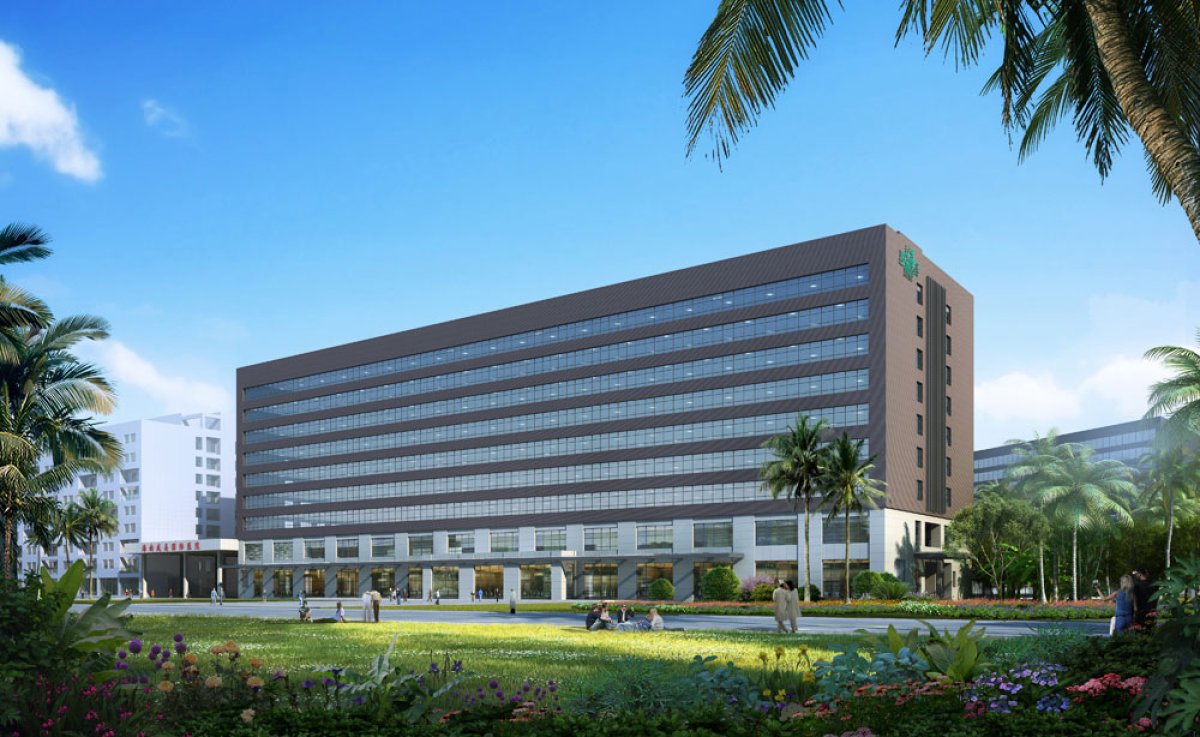
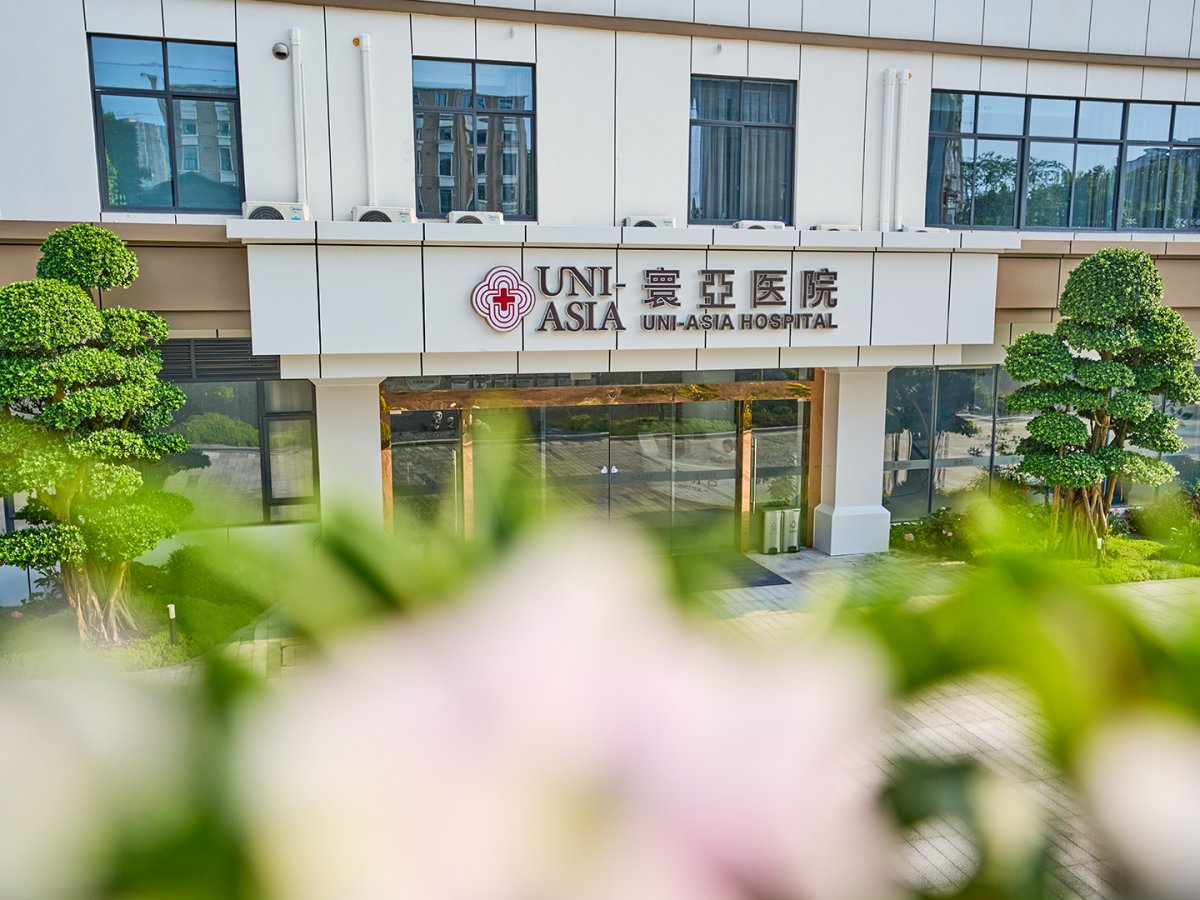
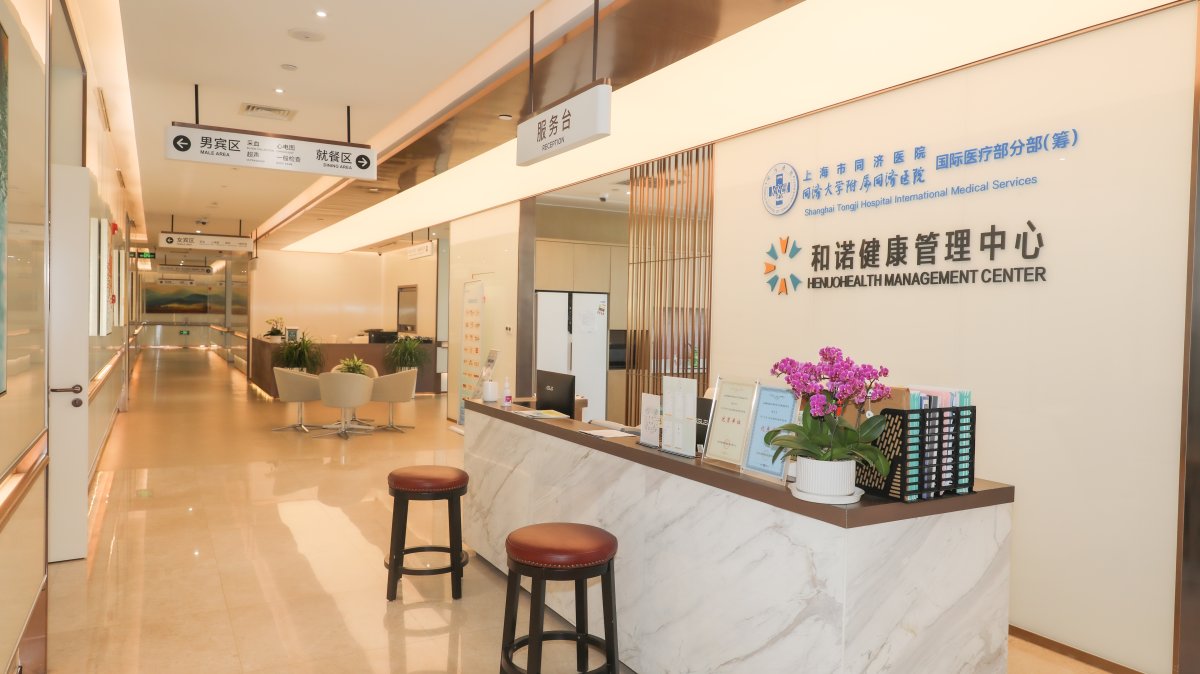
Fuda Cancer Hospital
China, Cantón


Revisado médicamente por
Fahad Mawlood
De $3,500. Los gastos totales dependen del enfoque quirúrgico, la clasificación del hospital y la etapa del cáncer. Los pacientes pueden esperar ahorros del 40-70% en comparación con los Estados Unidos. Los principales centros médicos de oncología incluyen Pekín y Cantón.
Costos típicos del tratamiento del cáncer de tiroides en China
Perspectiva de expertos de Bookimed: Los pacientes en etapas avanzadas encuentran la mejor relación calidad-precio en centros oncológicos especializados como el Fuda Cancer Hospital. Ofrecen criocirugía mínimamente invasiva y tecnologías NanoKnife para casos complejos. Para los pacientes internacionales que buscan atención de primera calidad, el Yanda International Hospital ofrece servicios de Nivel III Clase A acreditados por la JCI. El Dr. Niu Lizhi es una opción recomendada para pacientes que requieren oncología quirúrgica experta, con más de 10,000 procedimientos realizados.
| China | España | Turquía | |
|---|---|---|---|
| Tiroidectomía subtotal | ≈ $4,500 | de $9,000 | de $3,000 |
| Tiroidectomía | de $3,500 | de $9,000 | de $3,900 |
| Terapia con yodo radiactivo en el cáncer de tiroides | ≈ $3,500 | de $3,000 | de $5,400 |
| Terapia con yodo radiactivo | ≈ $900 | de $4,500 | de $2,500 |
| Terapia con haz de protones | ≈ $28,000 | de $43,300 | de $25,000 |
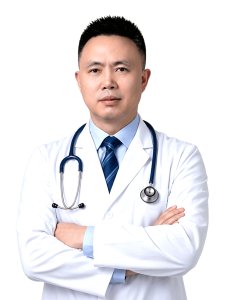
Médico jefe y profesor. Experto de nivel 1 en el Centro Oncológico del West China Hospital, Sichuan University (clasificado n.º 2 en China). Completó un posdoctorado en radiología intervencionista en el Chinese PLA General Hospital. Dirige equipos multidisciplinarios (MDT) para tumores complejos. Experto en oncología intervencionista mínimamente invasiva para cánceres de hígado, pulmón y páncreas.
Acreditaciones: Miembro del consejo, WATA. Miembro de los comités de CACA y CMDA sobre in
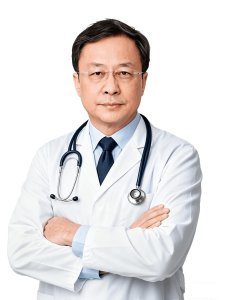
El profesor Luo Xiaoping es un radiólogo intervencionista reconocido a nivel nacional y una autoridad destacada en el oeste de China. Comenzó a realizar intervenciones vasculares pioneras a principios de la década de 1990. Ayudó a fundar el Grupo de Intervencionismo del Segundo Hospital Afiliado de la Universidad Médica de Chongqing.
Ha realizado más de 100 000 procedimientos intervencionistas, incluidos unos 4 000 casos complejos. Sus competencias clave incluyen TACE para el carcinoma
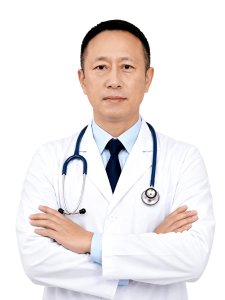
El Dr. He Weibing es pionero de la crioablación con argón‑helio en China, con más de 20 años de práctica en primera línea. Fue miembro fundador del Hospital Oncológico Fuda (Guangzhou). Cofundó su Centro de Tratamiento Tumoral Mínimamente Invasivo y fue subdirector ejecutivo. También ayudó a crear el Grupo de Ablación de la Asociación China contra el Cáncer. Ha sido operador principal en más de 10.000 procedimientos.
Se especializa en crioablación tumoral y domina la braquiterapia con
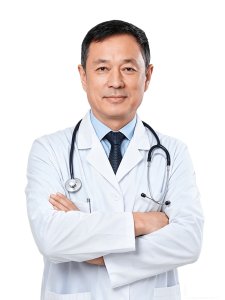
El profesor Xiao Yueyong es médico jefe del Departamento de Radiodiagnóstico del Hospital General del EPL de China. Es un experto líder en oncología intervencionista mínimamente invasiva. Es el primer presidente de WATA (2025–). Preside la Sociedad Internacional (2020–) y la Sociedad Asiática (2012–) de Crioterapia. También es subjefe del Grupo de Expertos de la NHC sobre regulaciones de ablación tumoral (2009–).
Ha realizado más de 100 000 procedimientos mínimamente invasivos guiados

Escrito por Veronika Kazina

Escrito por Veronika Kazina

Escrito por Veronika Kazina

Escrito por Veronika Kazina

Escrito por Veronika Kazina
 Olena Sikoza
En China, los tratamientos estándar para el cáncer de tiroides siguen las directrices internacionales e incluyen tiroidectomía, terapia con yodo radiactivo y terapia dirigida. Instituciones como el Hospital Oncológico Fuda y el Hospital Internacional Yanda ofrecen atención médica acreditada por la JCI. Estos centros utilizan métodos de diagnóstico avanzados, como PET/CT y biopsia, en consonancia con los estándares oncológicos mundiales.
Opinión de expertos de Bookimed: Los principales hospitales chinos demuestran un alto grado de especialización en tecnologías mínimamente invasivas. Por ejemplo, el Dr. Niu Lizhi del Hospital Oncológico de Fuda ha realizado más de 10 000 procedimientos de criocirugía. Esta intensa actividad clínica en hospitales de categoría A III suele derivar en mejoras en las técnicas de cirugía conservad
Los cirujanos de los principales centros chinos, como el Hospital Oncológico Fuda, cuentan con una amplia experiencia gracias al elevado volumen de pacientes que atienden. En las instituciones más prestigiosas se realizan más de 3000 cirugías de tiroides al año. Los especialistas sénior suelen tener formación acreditada por la JCI. Las técnicas modernas, como la cirugía robótica, están ampliamente disponibles en Shanghái y Pekín.
Opinión de los expertos de Bookimed: Los datos muestran una brecha significativa entre la habilidad quirúrgica y la comunicación administrativa. Si bien el Hospital Oncológico Fuda recibe pacientes de más de 100 países, es posible que el personal de enfermería y los anestesiólogos tengan un dominio limitado del inglés. El Hospital Internacional Janda atiende a 2.500.000 pacientes anualmente, por lo que la alta eficiencia en un entorno de gran volumen es una prioridad. Elegir
La recuperación tras una cirugía de tiroides en China requiere una hospitalización de 1 a 3 días. Los pacientes suelen retomar sus actividades diarias en dos semanas. El seguimiento incluye monitorización de por vida. Hospitales internacionales, como el Hospital Oncológico Fuda, utilizan técnicas mínimamente invasivas para acelerar la cicatrización y reducir las marcas en el cuello.
Opinión de expertos de Bookimed: Los centros oncológicos chinos suelen combinar diagnósticos de alta tecnología con cuidados paliativos tradicionales. Grandes instituciones como el Hospital Internacional Yanda cuentan con la categoría III, la más alta de China. Esto garantiza el acceso a técnicas de imagen avanzadas, como las tomografías por emisión de positrones/t
Los centros oncológicos acreditados por la JCI en China ofrecen procedimientos tiroideos mínimamente invasivos. Estas técnicas implican incisiones en zonas discretas, como el labio inferior o la axila. Los cirujanos utilizan suturas internas y pegamento médico para eliminar las cicatrices visibles en el cuello. La recuperación suele durar dos semanas.
Opinión de expertos de Bookimed: El nivel de desarrollo del sistema de salud en China influye significativamente en el acceso a la tecnología. Instituciones médicas de categoría A III, como el Hospital Internacional de Yanda, ofrecen más de 28 000 tecnologías modernas. Esta alta concentración de equipos permite a los cirujanos de los principales centros realizar procedimientos complejos a través de una única incisión oculta. Esto proporciona una ventaja
En China, los pacientes pueden someterse a una evaluación inicial para detectar cáncer de tiroides mediante videoconsultas o análisis de su historial clínico electrónico. La documentación requerida incluye pruebas recientes de función tiroidea, ecografía cervical de alta resolución y tomografías computarizadas con contraste. Centros como el Hospital Oncológico Fuda utilizan estos archivos electrónicos para coordinar la planificación quirúrgica preoperatoria antes de viajar al extranjero.
Opinión experta de Bookimed: El Hospital Internacional Yanda y otros centros acreditados por la JCI en China cuentan con la certificación de Clase A, Nivel III. Este alto nivel de certificación
Los hospitales chinos garantizan la seguridad de los pacientes internacionales con cáncer de tiroides mediante la acreditación de la Joint Commission International (JCI) y estrictos protocolos nacionales. Las principales instituciones médicas emplean equipos multidisciplinarios y guías clínicas estandarizadas. Estos centros combinan tecnologías quirúrgicas de vanguardia con departamentos médicos internacionales especializados para brindar un tratamiento de alta calidad.
Opinión de expertos de Bookimed: Si bien muchos buscan prestigio general, los grandes centros especializados suelen ofrecer un mayor nivel de seguridad quirúrgica. El Dr. Niu Lizhi del Hospital Oncológico Fuda ha realizado más de 10 000 procedimie
Guangzhou, Pekín y Shanghái albergan los centros de tratamiento de cáncer de tiroides más completos. Estos centros ofrecen servicios acreditados por la Joint Commission International. Ciudadanos de más de 50 países pueden ingresar sin visa por 30 días. Quienes cuenten con un permiso de tránsito de 144 horas pueden recibir atención especializada en estas tres ciudades principales sin necesidad de una visa completa.
Opinión de expertos de Bookimed: Guangzhou ofrece ventajas únicas en el tratamiento no quirúrgico de las enfermedades tiroideas. Si bien muchos centros se centran en la resección, el Hospital Oncológico Fuda se especializa en criocirugía y ablación por microondas. El Dr. Niu Lizhi ha realizado cerca de 10 000 procedimien