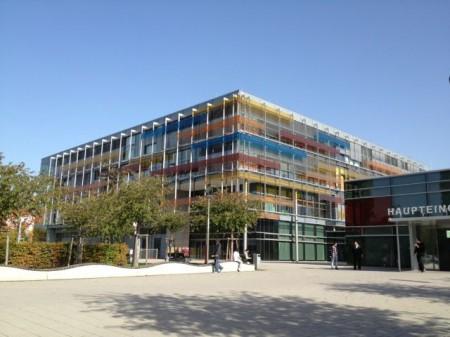
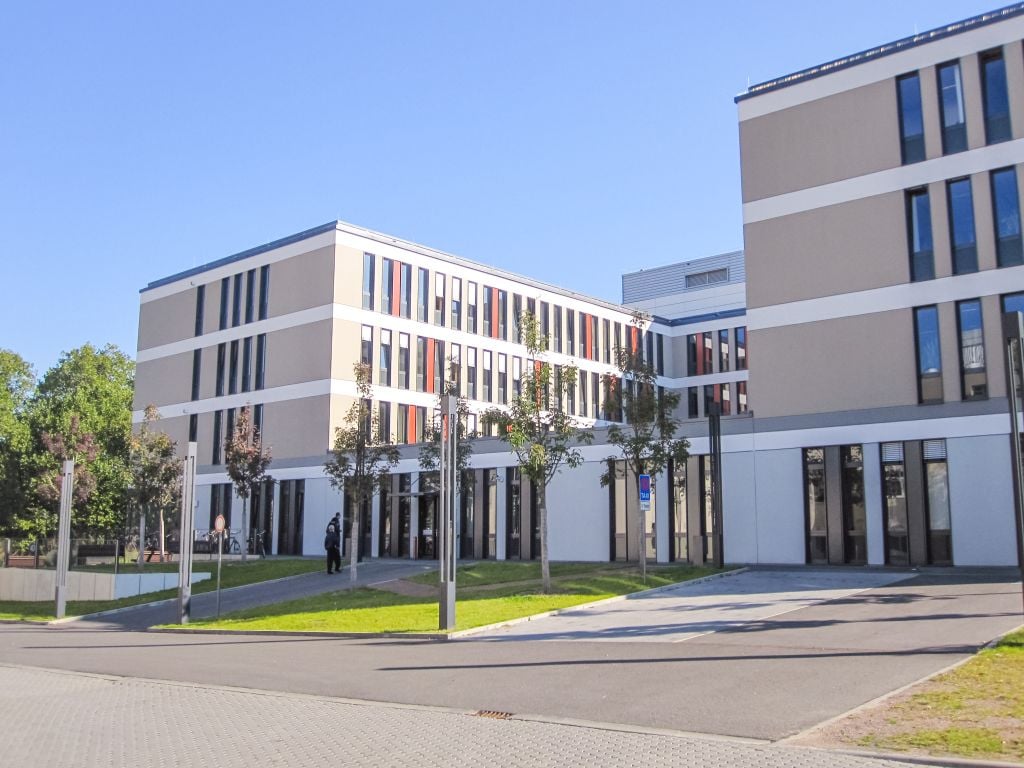
CDT-WEST Center of Diagnostics and Therapy
Alemania, Colonia


Revisado médicamente por
Fahad Mawlood
El costo total del tratamiento del cáncer de tiroides en Alemania varía según el plan de tratamiento específico. Los diagnósticos iniciales, incluidas consultas y pruebas, oscilan entre 5.200 € y 7.300 €. La intervención quirúrgica, como la tiroidectomía, cuesta aproximadamente entre 15.100 € y 25.500 €, lo que incluye medidas preoperatorias, anestesia y cuidados postoperatorios. La terapia con radioyodo, después de la cirugía, se estima entre 10.400 € y 12.300 €, incluyendo los controles diagnósticos necesarios. La estrategia de tratamiento se determina después de una evaluación exhaustiva por parte del equipo médico.

El Dr. Buhl es un experto reconocido en neurooncología, especializado en cirugías cerebrales y de la médula espinal mediante neuronavegación computarizada.

El Prof. Sesterhenn se especializa en cirugía mínimamente invasiva para el cáncer de tiroides, realizando intervenciones robóticas a través de pequeñas incisiones de 1 cm.

Médico jefe del centro oncológico certificado de BKZ Solingen: el Dr. Fox se especializa en diagnóstico molecular y terapias innovadoras para el cáncer de tiroides.

El profesor Keil se especializa en imagenología avanzada y radiología intervencionista para el cáncer de tiroides, aportando 22 años de diagnóstico preciso al Centro Médico de Solingen.

Escrito por Veronika Kazina

Escrito por Veronika Kazina

Escrito por Veronika Kazina

Escrito por Veronika Kazina

Escrito por Veronika Kazina
 Olena Sikoza
El tratamiento del cáncer de tiroides en Alemania utiliza cirugía, terapia con radioyodo y fármacos moleculares dirigidos en instalaciones acreditadas por la JCI. Los cirujanos realizan tiroidectomías y lobectomías precisas utilizando sistemas robóticos a través de incisiones de 1 cm. Los departamentos especializados en medicina nuclear proporcionan yodo-131 radiactivo para eliminar las células cancerosas residuales garantizando la seguridad del paciente.
Perspectiva del experto de Bookimed: Las clínicas alemanas a menudo combinan un alto volumen quirúrgico con una certificación especializada para obtener mejores resultados. Por ejemplo, el Centro Médico de Solingen trata a más de 60.000 pacientes al año y cuenta con especialistas como el Dr. Andreas Sesterhenn, quien ha realizado más de 4.000 cirugías. Elegir un hospital clasificado por Foc
Cirujanos alemanes certificados y equipos multidisciplinarios de oncología realizan operaciones de cáncer de tiroides en instalaciones acreditadas por ISO y JCI. La seguridad se mantiene mediante estándares rigurosos establecidos por la Sociedad Alemana del Cáncer. Los procedimientos involucran a especialistas senior como el Prof. Dr. Andreas Sesterhenn en el Centro Médico de Solingen.
Perspectiva del experto de Bookimed: Mientras que los hospitales universitarios como Charité Berlín manejan volúmenes masivos de pacientes, los centros especializados en Solingen o Frankfurt ofrecen un acceso más rápido para la cirugía internacional. El Prof. Dr. Andreas Sesterhenn en Solingen ha realizado más de 4,000 cirugías. Elegir a un médico jefe en estos centros a menudo significa tiempos de espera más cortos que en las vías universitaria
El tratamiento del cáncer de tiroides en Alemania requiere una estancia de 5 a 7 días para la cirugía. Los pacientes suelen pasar 2 días en el hospital y de 3 a 5 días en un hotel para su recuperación. La terapia con yodo radiactivo puede añadir 4 días de aislamiento en una unidad especializada de medicina nuclear.
Opinión de expertos de Bookimed: Las clínicas alemanas como el Medical Center de Solingen utilizan intervenciones robóticas a través de incisiones de menos de 1 cm. Estas incisiones más pequeñas contribuyen a un cierre de heridas más rápido que la cirugía tradicional. Esto permite que algunos pacientes pasen del hospital al hotel en solo 48 horas. Muchos paquetes con todo incluido incluso incluyen esta estancia en el hotel directamente con el procedimiento quirúrgico.
Consenso
Los centros especializados alemanes ofrecen cirugías de tiroides avanzadas, mínimamente invasivas y sin cicatrices, para reducir o eliminar las cicatrices en el cuello. Los cirujanos utilizan técnicas asistidas por video (MIVAT) y sistemas robóticos como Da Vinci. Estos procedimientos son comunes en clínicas oncológicas certificadas en Frankfurt, Hamburgo y Solingen.
Perspectiva del experto de Bookimed: Aunque muchos creen que las opciones sin cicatrices son el estándar, en Alemania dependen en gran medida del cirujano. El Prof. Andreas Sesterhenn en el Medical Center de Solingen es un especialista poco común que realiza intervenciones robóticas a través de incisiones de menos de 1 cm. Nuestros datos muestran que sus paquetes incluyen estancias en hoteles locales. Esto es vital porqu
La terapia con yodo radiactivo en Alemania implica una estancia hospitalaria obligatoria de 2 a 4 días en habitaciones de aislamiento blindadas con plomo. Los médicos administran una cápsula o una dosis líquida de yodo-131 para destruir las células tiroideas. Los pacientes permanecen aislados hasta que los niveles de radiación caen por debajo de estrictos umbrales de seguridad.
Perspectiva del experto de Bookimed: Las clínicas alemanas suelen utilizar contadores Geiger para medir la retención corporal total diariamente. Los datos muestran que los pacientes que se hidratan intensamente a menudo pueden salir después de solo 72 horas. Esto ocurre cuando los niveles de radiación caen por debajo de 0,2 microsieverts por hora a una distancia de 1 metro.
Consenso de los pacientes: Los pacientes informan que las habitaciones blindadas con plomo son cómodas e inclu
Los hospitales alemanes brindan un soporte integral en inglés y asistencia logística para pacientes internacionales. La mayoría de los especialistas se graduaron en universidades de primer nivel y se comunican con fluidez en inglés. Instalaciones como el Medical Center en Solingen y el Hospital Asklepios Barmbek cuentan con departamentos dedicados a gestionar invitaciones de visa y alojamiento.
Perspectiva del experto de Bookimed: Aunque las clínicas universitarias como Charité son prestigiosas, a menudo priorizan los casos nacionales, lo que genera tiempos de respuesta más largos. Para una coordinación más rápida, considere hospitales académicos especializados como el Medical Center en Solingen. Tratan a más de 60,000 pacientes al año y ofrecen paquetes estructurados que ya incluyen estancias de 3 días en hotel
La cirugía de tiroides es electiva para afecciones de crecimiento lento como el cáncer de tiroides papilar de bajo riesgo. Los médicos pueden posponer estos procedimientos de forma segura hasta por 90 días. Se requiere una intervención urgente si el tumor comprime las vías respiratorias. Los tipos de crecimiento rápido como el cáncer anaplásico también exigen un tratamiento inmediato.
Perspectiva de expertos de Bookimed: Los centros alemanes como el Medical Center de Solingen se especializan en intervenciones robóticas a través de pequeñas incisiones de 1 cm. Esta tecnología suele estar disponible para casos electivos donde se prioriza la precisión. Para casos no urgentes, los pacientes pueden elegir cirujanos como el Dr. Andreas Sesterhenn, quien ha realizado más de 4,000 operaciones. Los certificados clínicos de alto volumen de la Sociedad Alemana del Cáncer gar
Alemania alberga algunos de los departamentos de neurocirugía más prestigiosos del mundo, liderados por la Charité – Universitätsmedizin Berlin y el Hospital Universitario de Heidelberg. Estos centros destacan en el tratamiento de tumores cerebrales complejos y enfermedades cerebrovasculares. Para maximizar la eficacia de sus procedimientos, utilizan tecnologías de vanguardia como la resonancia magnética intraoperatoria y la neuronavegación asistida por computadora.
Opinión experta de Bookimed: Los datos muestran que elegir centros con un alto volumen quirúrgico suele llevar a recomendaciones de tratamiento más conservadoras. En el Centro Médico Solingen, que atiende a más de 60.000 pacientes al año, los cirujanos suelen sugerir fisioterapia en lugar de cirugía
En Alemania, los procedimientos neuroquirúrgicos de alta complejidad demuestran una seguridad excepcional. Las tasas de éxito en las fusiones espinales alcanzan el 99 %. La tasa de supervivencia en las resecciones de tumores cerebrales primarios es del 97 %. La independencia funcional es alta. Más del 82 % de los pacientes reciben el alta inmediatamente después del tratamiento. Los centros alemanes priorizan la preservación de la función neurológica mediante técnicas modernas de mapeo.
Opinión experta de Bookimed: Cirujanos experimentados como el Dr. Uwe Köhler, de la Clínica Asklepios Altona, realizan más de 2000 cirugías al año. Los datos muestran que estos especialistas mantienen tasas de éxito de hasta el 90 %, incluso en los tumores cerebrales más comp
Las clínicas neuroquirúrgicas alemanas incorporan regularmente instrumentos digitales de alta precisión y visualización en tiempo real a la práctica quirúrgica. Entre las tecnologías clave se encuentra la neuronavegación computarizada para cirugías de cerebro y médula espinal. Instituciones como la Clínica Asklepios Nord utilizan la resonancia magnética intraoperatoria para verificar la extirpación de tumores en tiempo real. Estos sistemas proporcionan a los cirujanos navegación GPS 3D.
Opinión experta de Bookimed: Grandes centros como la Charité – Universitätsmedizin de Berlín realizan más de 4000 procedimientos neuroquirúrgicos al año, lo que crea un entorno rico en datos para p