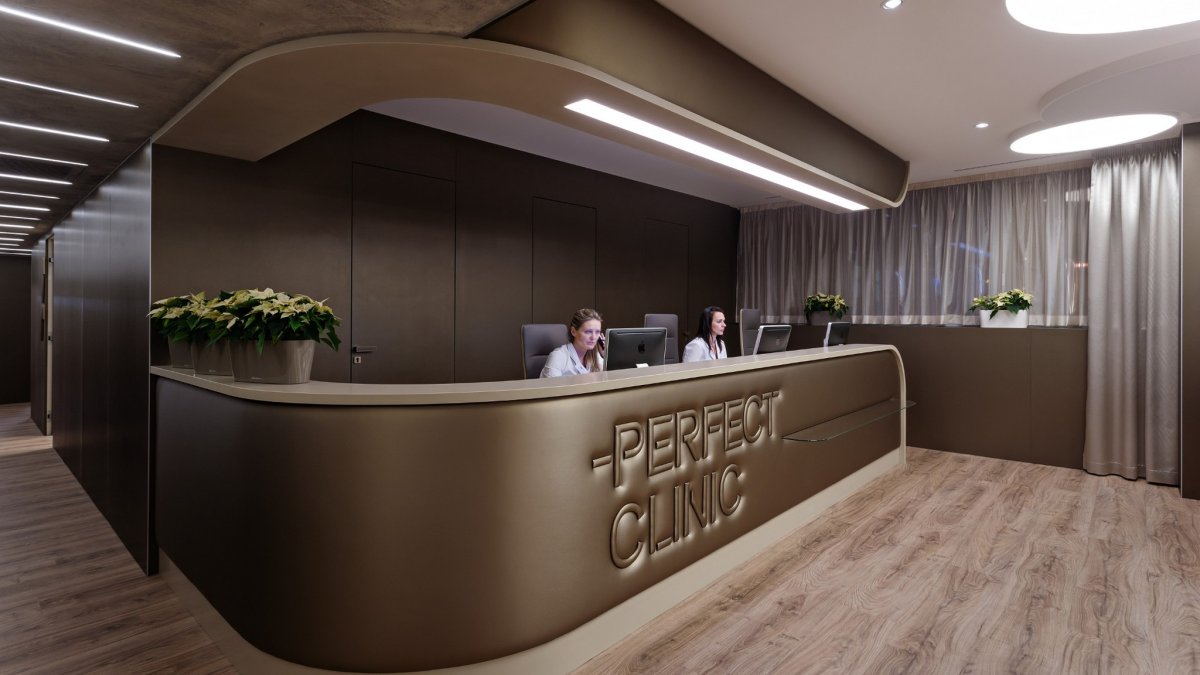
Perfect Clinic
República Checa, Praga


Revisado médicamente por
Fahad Mawlood
La neurocirugía pediátrica en la República Checa suele costar desde $10,100 hasta $23,900. Los precios finales dependen del diagnóstico específico, la técnica quirúrgica y la duración de la estancia hospitalaria. Los pacientes internacionales a menudo encuentran ahorros del 50-70% en comparación con los EE. UU. para estos procedimientos especializados.
Costos típicos de neurocirugía pediátrica en la República Checa
La mayoría de los centros avanzados de neurocirugía pediátrica se encuentran en Praga y Brno. Aunque los costos generales son más bajos que en Europa Occidental, el gasto total varía según el centro. Consulte con un especialista para obtener precios precisos para el caso médico específico de su hijo.
| República Checa | España | Turquía | |
|---|---|---|---|
| Tratamiento quirúrgico de la epilepsia | ≈ $11,000 | de $54,900 | de $13,500 |
| Tomoterapia | ≈ $6,500 | ≈ $7,500 | de $6,700 |
| Radiocirugía estereotáxica | ≈ $5,500 | de $18,100 | de $6,400 |
| Radiocirugía de un tumor cerebral | ≈ $4,800 | de $12,000 | de $5,000 |
| Gamma Knife | ≈ $7,500 | de $24,900 | de $5,500 |
Bookimed no añade cargos extra a los precios de los tratamientos de Neurocirugía pediátrica. Las tarifas proceden de las listas de precios oficiales de las clínicas. Pagará directamente en la clínica por su tratamiento a su llegada al país.
Bookimed está comprometido con su seguridad. Solo trabajamos con las clínicas que mantienen altos estándares internacionales en el tratamiento de Neurocirugía pediátrica y tienen las licencias necesarias para atender a pacientes internacionales en todo el mundo.
Bookimed ofrece asistencia experta gratuita. Un coordinador médico personal le apoya antes, durante y después del tratamiento, resolviendo cualquier problema. Nunca estará solo en su viaje médico de procedimientos de Neurocirugía pediátrica.

 Olena Sikoza
Los neurocirujanos pediátricos en la República Checa tratan principalmente la hidrocefalia, los tumores cerebrales y la epilepsia. Los procedimientos clave incluyen la colocación de derivaciones (shunts), la resección de tumores y la corrección endoscópica de la craneoestenosis. Centros especializados, como el Nemocnice Na Homolce, utilizan métodos robóticos y mínimamente invasivos para tratar enfermedades complejas del sistema nervioso central en niños.
Opinión de expertos en Bookimed: Los datos del Nemocnice Na Homolce muestran una alta concentración de tecnología especializada en Praga. En esta clínica se realizan más de 15,000 operaciones al año, integrando métodos robóticos en neurocirugía. Para los padres, esto significa acceso a grandes centr
Verifique a un neurocirujano pediátrico checo buscando en el registro de médicos de la Cámara Médica Checa (ČLK). La afiliación es obligatoria por ley para los médicos en ejercicio. Confirme su cualificación especializada en neurocirugía y su estado activo. Verifique las afiliaciones con grandes centros, como Nemocnice Na Homolce, para confirmar su estatus clínico.
Opinión de expertos de Bookimed: Para casos complejos, céntrese en cirujanos de hospitales públicos multidisciplinarios como Nemocnice Na Homolce. Estas instituciones suelen utilizar métodos robóticos y mínimamente invasivos. Nuestros datos muestran que estas instituciones mantienen un alto volumen de pacientes, algunas de las cuales atienden a más de 20.000 pacientes al año. Este volumen suele correlacionarse con una mayor competencia en afecciones pediátricas raras.
Los padres deben preguntar al cirujano principal sobre su experiencia específica en pediatría y la frecuencia de los procedimientos ofrecidos. Infórmese sobre las tecnologías disponibles, como sistemas robóticos o métodos mínimamente invasivos. Confirme la duración de la estancia en la Unidad de Cuidados Intensivos Pediátricos y el apoyo lingüístico para familias internacionales.
Opinión de expertos de Bookimed: Nuestros datos muestran que las grandes instituciones checas, como el hospital Nemocnice Na Homolce en Praga, realizan más de 15 500 operaciones al año. Un volumen tan alto de intervenciones quirúrgicas a menudo conduce a estancias hospitalarias reducidas de 3 a 5 días. Las familias deben confirmar los requisitos de apoyo en el hogar antes del alta para gestionar eficazmente los tiempos de recuperación más rápidos.
Consentimiento de los pacientes
Los métodos de radiocirugía alternativos, como CyberKnife y Gamma Knife, reemplazan eficazmente la cirugía abierta para diversas enfermedades cerebrales pediátricas. Estos métodos no invasivos utilizan haces de radiación enfocados en lugar de bisturís. Son ideales para tumores situados en profundidad de menos de 3 cm o anomalías vasculares en áreas sensibles.
Opinión experta de Bookimed: Los datos de los grandes centros checos, como Nemocnice Na Homolce, muestran una clara preferencia por los métodos robóticos y mínimamente invasivos. Este enfoque es especialmente eficaz para los casos pediátricos, ya que evita el trauma físico de la cirugía tradicional. Mientras que una operación de cerebro a cielo abierto puede costar hasta Precio a consultar, la elección de Gamma Knife por $7,500 a menudo proporciona una alternativa más
Por lo general, se permite y se anima a los padres a quedarse con sus hijos en los hospitales pediátricos checos. La mayoría de las instalaciones siguen modelos de atención centrados en la familia. Un padre puede quedarse normalmente las 24 horas del día. Esto incluye pasar la noche en la habitación del niño utilizando sillones cama o cunas proporcionadas.
Perspectiva de expertos de Bookimed: Los hospitales estatales checos, como el Nemocnice Na Homolce, atienden a más de 20.000 pacientes al año. Priorizan la presencia de los padres para mejorar los resultados de la recuperación. Los centros de gran volumen a menudo ofrecen alojamiento gratuito junto a la cama. Esto reduce la ansiedad del niño durante la recuperación de una neurocirugía compleja en comparación con las clínicas con reglas de visita más estrictas.
Consenso de los pacientes: Los padres consi
Los centros de neurocirugía pediátrica checos ofrecen apoyo especializado para familias internacionales a través de departamentos administrativos dedicados y equipos médicos multilingües. Instalaciones como el Nemocnice Na Homolce en Praga ofrecen servicios de coordinación. Estos equipos ayudan con la programación, el acceso a especialistas y el intercambio de registros multidisciplinarios para agilizar la atención de las familias visitantes.
Perspectiva del experto de Bookimed: El Nemocnice Na Homolce mantiene un alto volumen de pacientes con más de 15,000 operaciones al año. Su experiencia con más de 20,000 pacientes anuales sugiere una infraestructura sólida para manejar casos complejos. Enfóquese en centros de propiedad estatal para acceder a equipos multidisciplinarios en una sola ubicación.
Consenso de los pacientes: Aunq
La República Checa garantiza la atención neuro-pediátrica de emergencia las 24 horas del día, los 7 días de la semana, a través de un registro nacional centralizado y hospitales universitarios especializados. Los equipos médicos deben llegar en un plazo de 30 minutos ante complicaciones neurológicas urgentes. Las unidades de cuidados intensivos neurológicos especializados se coordinan con la red nacional de ambulancias para priorizar a los niños durante emergencias intracraneales.
Perspectiva de expertos de Bookimed: El hospital Nemocnice Na Homolce en Praga demuestra la eficiencia del modelo estatal checo. Realiza más de 15.000 operaciones al año con un enfoque en trastornos cerebrales. Este alto volumen en una instalación de 357 camas garantiza que la infraestructura