Neurocirugía pediátrica en Corea del Sur: las 12 mejores clínicas con opiniones de pacientes


Revisado médicamente por
Fahad Mawlood
¿Cuál es el precio de procedimientos de Neurocirugía pediátrica en Corea del Sur? Descubra ahora
La neurocirugía pediátrica en Corea del Sur suele costar desde $16,400 hasta $26,000. Los precios finales dependen de la complejidad quirúrgica, el nivel del hospital y la duración de la estancia necesaria en cuidados intensivos. Las familias pueden esperar un ahorro aproximado del 70-90% en comparación con los costos de procedimientos equivalentes en los EE. UU.
Costos típicos de neurocirugía pediátrica en Corea del Sur
- Consulta con un neurocirujano: de $53
- Resonancia magnética cerebral: Precio a consultar
- Gamma Knife: de $10,000
- Extirpación de tumor cerebral: de $19,000
- Craneotomía: de $20,000
- Radioterapia para tumor cerebral: Precio a consultar
- Hipofisectomía transesfenoidal (adenomectomía): Precio a consultar
- Biopsia: de $370
La mayoría de los centros especializados en neurocirugía pediátrica se encuentran en Seúl y Seongnam. Seúl alberga centros importantes como el Samsung Medical Center y el Severance Hospital. Para obtener un presupuesto preciso para la condición específica de su hijo, consulte con un especialista para revisar sus registros médicos.
| Corea del Sur | España | Turquía | |
|---|---|---|---|
| Tratamiento quirúrgico de la epilepsia | ≈ $18,000 | de $76,400 | de $12,000 |
| Tomoterapia | ≈ $9,000 | ≈ $7,500 | de $6,700 |
| Radiocirugía estereotáxica | ≈ $9,500 | de $18,100 | de $6,400 |
| Radiocirugía de un tumor cerebral | de $15,000 | de $12,000 | de $5,000 |
| Gamma Knife | de $10,000 | de $20,400 | de $5,500 |
Todas las enfermedades de Neurocirugía pediátrica
Sus beneficios y garantías con Bookimed
Precios directos
Bookimed no añade cargos extra a los precios de los tratamientos de Neurocirugía pediátrica. Las tarifas proceden de las listas de precios oficiales de las clínicas. Pagará directamente en la clínica por su tratamiento a su llegada al país.
Sólo clínicas y médicos verificados
Bookimed está comprometido con su seguridad. Solo trabajamos con las clínicas que mantienen altos estándares internacionales en el tratamiento de Neurocirugía pediátrica y tienen las licencias necesarias para atender a pacientes internacionales en todo el mundo.
Asistencia 24/7 gratuita
Bookimed ofrece asistencia experta gratuita. Un coordinador médico personal le apoya antes, durante y después del tratamiento, resolviendo cualquier problema. Nunca estará solo en su viaje médico de procedimientos de Neurocirugía pediátrica.

Su coordinador médico personal de Bookimed
- Le apoya en cada etapa
- Ayuda a elegir la clínica y el médico adecuados
- Asegura un acceso rápido y conveniente a la información
Descubra las mejores clínicas de Neurocirugía pediátrica en Corea del Sur: 12 opciones verificadas y Precios













Los mejores centros médicos de Neurocirugía pediátrica en Corea del Sur
- Samsung Medical Center, Corea del Sur
- Ewha Womans University Medical Center, Corea del Sur
- Seoul National University Bundang Hospital (SNUBH), Corea del Sur
- Asan Medical Center, Corea del Sur
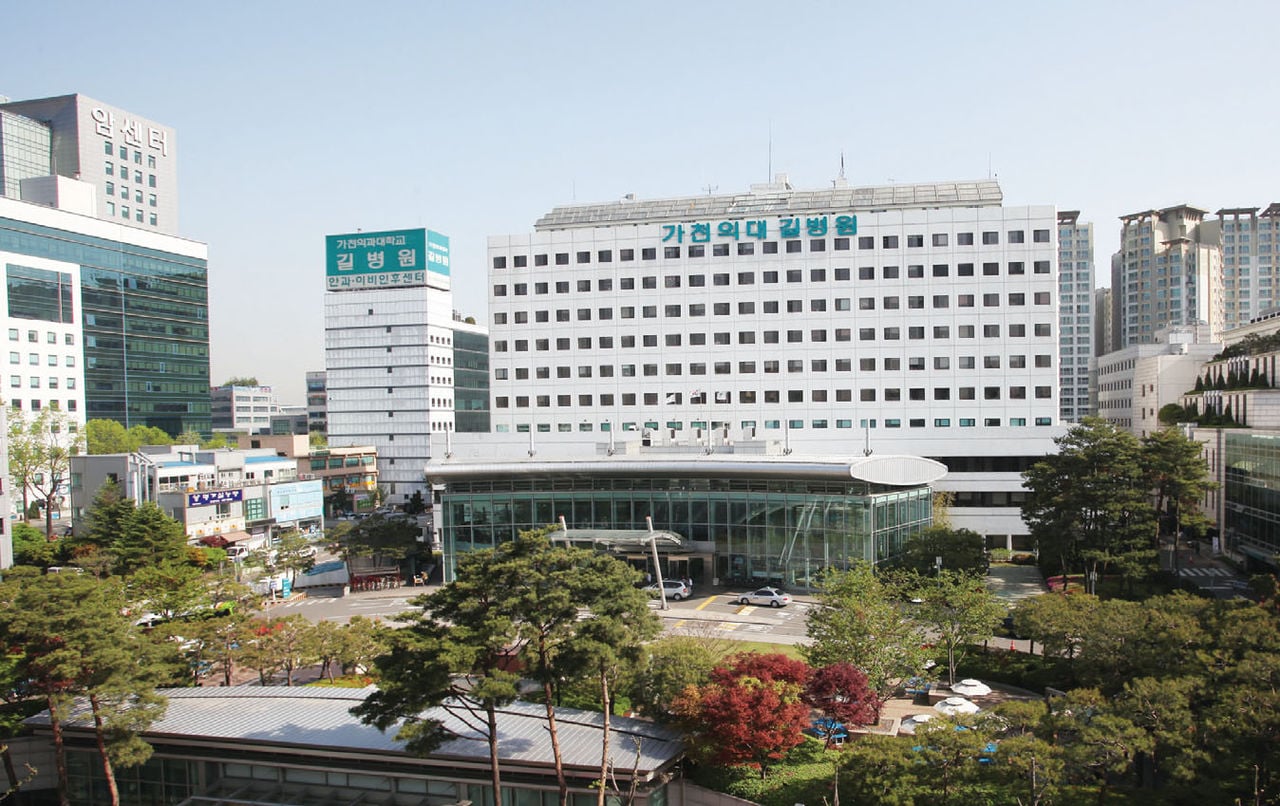
- Gachon University Gil Medical Center, Corea del Sur
- Hospital Severance (Severance Hospital), Corea del Sur
- Gangnam Severance Hospital, Corea del Sur
- Soon Chun Hyang University Hospital , Corea del Sur
- Seoul National University Hospital (SNUH), Corea del Sur
- Jaseng Hospital of Korean Medicine, Corea del Sur
Obtenga una evaluación médica para en Corea del Sur: Elija su especialista entre los mejores en el campo
Ver todos los médicos
An Song-yeol

Do Hyun Nam
Reconocido por sus técnicas endoscópicas, uno de los mejores neurocirujanos de Corea del Sur. El Dr. Do Hyun Nam ejerce en el Samsung Medical Center con experiencia en radiocirugía de tumores cerebrales.
- Especializado en cirugías endoscópicas para la hidrocefalia
- Experiencia en tumores cerebrales tanto benignos como malignos
- Experto en técnicas de radiocirugía
- Ejerce en uno de los centros médicos líderes de Corea del Sur

Seung-Jae Hyun
El Dr. Seung-Jae Hyun es neurocirujano en el Hospital Universitario Nacional de Seúl Bundang (SNUBH). Trata afecciones de la columna vertebral, incluyendo hernias discales y espina bífida. El Dr. Hyun trabaja en un centro clasificado entre los mejores hospitales inteligentes del mundo por Newsweek. Atiende tanto a pacientes adultos como pediátricos. El SNUBH atiende a 1.5 millones de pacientes anualmente y cuenta con la Acreditación de Atención Médica Global por la seguridad de los pacientes
Compartir contenido
Historias en video de pacientes de Bookimed
 Olena Sikoza
Preguntas frecuentes sobre Neurocirugía pediátrica en Corea del Sur
¿Qué hospitales en Corea del Sur son conocidos por la neurocirugía pediátrica?
El Hospital de la Universidad Nacional de Seúl y el Samsung Medical Center son opciones de primer nivel para la neurocirugía pediátrica en Corea del Sur. Estas instituciones acreditadas por la JCI utilizan sistemas Gamma Knife y robóticos para casos complejos. Informan de altas tasas de éxito en la extirpación de tumores cerebrales y cirugías de epilepsia en niños.
- Credenciales de la clínica: El SNUH realiza más de 600 neurocirugías pediátricas al año, incluidos 700 casos de tumores cerebrales.
- Tecnología avanzada: El Samsung Medical Center utiliza el sistema da Vinci y Novalis IGRT.
- Experiencia especializada: El Asan Medical Center gestiona enfermedades complejas de Moyamoya y malformaciones craneofaciales.
- Seguridad del paciente: El SNUBH emplea el sistema BESTcare para eliminar errores médicos durante los procedimientos.
Perspectiva del experto de Bookimed: Los datos muestran que los hospitales mejor valorados de Seúl, como el SNUBH y el Severance Hospital, a menudo integran sistemas digitales `BESTcare` o estándares JCI. Estas características son críticas para los casos pediátricos. Reducen significativamente los riesgos al agilizar el intercambio de datos en tiempo real entre neurocirujanos y oncólogos pediátricos.
Consenso de los pacientes: Los padres señalan que los hospitales coreanos proporcionan imágene
¿Qué afecciones neuroquirúrgicas pediátricas especializadas se tratan en Corea?
Los centros coreanos de neurocirugía pediátrica tratan afecciones complejas como la enfermedad de moyamoya, tumores cerebrales y malformaciones congénitas. Las instalaciones especializadas utilizan asistencia robótica y neuroendoscopia para intervenciones precisas. Se reportan altas tasas de éxito en revascularizaciones y resecciones tumorales en hospitales acreditados por la JCI en Seúl e Incheon.
- Trastornos cerebrovasculares: Los expertos tratan la enfermedad de moyamoya utilizando técnicas de revascularización directa e indirecta.
- Tumores neurológicos: Los cirujanos extirpan meduloblastomas y astrocitomas utilizando Gamma Knife y CyberKnife.
- Malformaciones congénitas: La atención especializada cubre reparaciones de craneosinostosis, espina bífida y malformación de Chiari.
- Afecciones funcionales: Las clínicas ofrecen tratamiento quirúrgico para la epilepsia resistente a los fármacos y cirugías de derivación para hidrocefalia.
Perspectiva del experto de Bookimed: Los datos muestran que los hospitales de primer nivel de Seúl, como el Samsung Medical Center y el Severance Hospital, gestionan volúmenes masivos de pacientes, alcanzando millones al año. Esta inmensa experiencia clínica permite a los cirujanos perfeccionar técnicas mínimamente invasivas. Los centros de alto volumen a menudo ofrecen tiempos de recuperación más rápidos, genera
¿Qué tecnologías avanzadas se utilizan en la neurocirugía pediátrica?
La neurocirugía pediátrica avanzada en Corea del Sur utiliza sistemas robóticos e imágenes en tiempo real para maximizar la precisión. Los centros especializados emplean el sistema quirúrgico Da Vinci y Novalis para casos complejos. Estas tecnologías permiten la extirpación mínimamente invasiva de tumores y un tratamiento eficaz de la epilepsia en cerebros en desarrollo.
- Sistemas robóticos: El sistema quirúrgico Da Vinci permite procedimientos pediátricos mínimamente invasivos y sin temblores.
- Herramientas de radiocirugía: Gamma Knife y CyberKnife proporcionan un tratamiento no invasivo para tumores cerebrales profundos.
- Navegación en tiempo real: La radioterapia guiada por imagen (IGRT) garantiza una orientación precisa durante intervenciones neuroquirúrgicas complejas.
- Neuromonitorización: Los sistemas intraoperatorios rastrean las vías nerviosas para proteger las funciones motoras y del lenguaje.
Perspectiva del experto de Bookimed: Los datos muestran que los hospitales de primer nivel de Seúl, como el Samsung Medical Center y el SNUH, se centran en la integración digital. Estas instalaciones utilizan IA y tecnologías de edificios inteligentes para coordinar la atención. Esta conectividad ayuda a los cirujanos a acceder a imágenes digitales en tiempo real al instante durante las operaciones de más de 1.500.000 pacientes al año.
<¿Cómo inicio el proceso de tratamiento para mi hijo?
Comenzar la neurocirugía pediátrica en Corea del Sur implica recopilar los registros médicos de su hijo para una evaluación inicial. Las resonancias magnéticas o tomografías computarizadas digitales y los resúmenes de diagnóstico son esenciales para recibir un plan de tratamiento. La mayoría de los hospitales de Seúl acreditados por la JCI ofrecen centros internacionales especializados para coordinar estos casos complejos.
- Documentación inicial: Recopile escaneos de resonancia magnética digitales, historial de tratamiento y un resumen del diagnóstico actual.
- Consulta con especialistas: Programe una consulta en línea con neurocirujanos como el Dr. Do Hyun Nam.
- Cronograma: Espere de 2 a 6 semanas para que los casos que no son de emergencia comiencen el proceso de tratamiento.
- Preparación de la visa: Solicite con anticipación una visa médica C-3-1 para el niño y el tutor.
Perspectiva del experto de Bookimed: Nuestros datos muestran que 3 de los hospitales mejor calificados de Seúl, incluidos SNUBH y Severance, han logrado una integración del sistema de salud 100% digital. Para los padres, esto significa segundas opiniones más rápidas porque los médicos pueden revisar imágenes de alta resolución al instante. Esta tecnología a menudo reduce la fase de diagnóstico inicial de semanas a solo unos pocos días.
Consenso de los pacie
¿Hay suficientes neurocirujanos pediátricos especializados en el país?
La República de Corea mantiene un grupo altamente especializado pero centralizado de neurocirujanos pediátricos. Aproximadamente 20 especialistas dedicados sirven a la nación, ejerciendo principalmente dentro de las instituciones médicas de primer nivel de Seúl. Si bien estos expertos brindan atención de élite, los pacientes fuera de la capital a menudo enfrentan tiempos de viaje de 4 a 6 horas para consultas.
- Concentración de especialistas: La mayoría de los expertos ejercen en hospitales del «Big 5» como el Samsung Medical Center.
- Tiempos de espera: La alta demanda a menudo requiere reservar consultas no urgentes con 3 a 6 meses de antelación.
- Instalaciones avanzadas: Centros líderes como el Hospital Severance brindan atención pediátrica y neuroquirúrgica acreditada por la JCI.
- Acceso tecnológico: Las clínicas especializadas ofrecen herramientas avanzadas, incluidos los sistemas Gamma Knife y Da Vinci.
Perspectiva del experto de Bookimed: Los datos muestran que, si bien el número de especialistas es bajo, el volumen de pacientes en centros como el Samsung Medical Center supera los 2 millones anuales. Esta concentración extrema crea un entorno único donde cirujanos como el Dr. Do Hyun Nam adquieren una experiencia masiva en casos pediátricos raros. Para los pacientes internacionales, esto significa acceder a una de las experiencias con
¿Qué servicios de apoyo se incluyen para pacientes internacionales?
El apoyo internacional para neurocirugía pediátrica en Corea del Sur incluye coordinación médica, asistencia con visas e interpretación multilingüe. Instalaciones como el Seoul National University Bundang Hospital ofrecen servicios dedicados a extranjeros. El apoyo estándar cubre la programación de citas, traslados al aeropuerto y la traducción de registros médicos para garantizar la continuidad de la atención.
- Coordinación clínica: Navegadores especializados gestionan las visitas médicas y el seguimiento.
- Apoyo logístico: Los servicios incluyen recogida en el aeropuerto y transporte local a las citas.
- Asistencia lingüística: Intérpretes médicos profesionales apoyan las consultas clínicas en inglés.
- Ayuda administrativa: Los hospitales proporcionan cartas médicas para visas familiares de vía rápida.
Perspectiva del experto de Bookimed: Los datos de centros con una calificación de 4.8, como el Seoul National University Bundang Hospital, revelan una tendencia hacia la digitalización total. Su sistema BESTcare reduce los errores médicos mediante el seguimiento electrónico de datos pediátricos. Esta tecnología asegura que los padres reciban resúmenes de alta digitales precisos, haciendo que la atención post-tratamiento en casa sea mucho más segura.
Consenso de los pacientes: Los padres señalan que los departamentos d