Neurocirugía pediátrica en México — Costos 2026


Revisado médicamente por
Fahad Mawlood
¿Cuál es el precio de procedimientos de Neurocirugía pediátrica en México? Descubra ahora
La neurocirugía pediátrica en México suele costar desde $12,200 hasta $20,800. Los gastos totales dependen de la complejidad quirúrgica, la duración de la estancia en el hospital y en la UCI, y el equipo específico utilizado para el procedimiento. Las familias pueden esperar ahorros del 50-85% en comparación con los precios de tratamientos idénticos en los Estados Unidos.
Costos típicos de neurocirugía pediátrica en México
- Consulta con un neurocirujano: $70 – $120
- Resonancia magnética cerebral: Precio a consultar
- Biopsia: de $2,500
- Extirpación de tumor cerebral: de $18,000
- Tratamiento quirúrgico de la epilepsia: $18,000 – $31,000
- Cirugías de hidrocefalia, cirugías de derivación: Precio a consultar
- Cirugía de tumor hipofisario: Precio a consultar
- Cirugía de siringomielia: Precio a consultar
- Extirpación quirúrgica de quiste cerebral: Precio a consultar
- Gamma Knife: $9,500 – $14,500
Los principales centros de neurocirugía pediátrica se encuentran en la Ciudad de México, Guadalajara, Monterrey y Tijuana. Cada centro ofrece instalaciones especializadas con diferentes niveles de precios. Debe consultar con un especialista para obtener precios precisos y un plan de tratamiento específico para la condición de su hijo.
| España | Turquía | México | |
|---|---|---|---|
| Tratamiento quirúrgico de la epilepsia | de $54,700 | de $12,000 | ≈ $18,000 |
| Tomoterapia | ≈ $7,500 | de $6,700 | ≈ $9,000 |
| Radiocirugía estereotáxica | de $18,100 | de $6,400 | ≈ $9,500 |
| Radiocirugía de un tumor cerebral | de $12,000 | de $5,000 | ≈ $9,500 |
| Gamma Knife | de $24,800 | de $5,500 | ≈ $9,500 |
Todas las enfermedades de Neurocirugía pediátrica
Sus beneficios y garantías con Bookimed
Precios directos
Bookimed no añade cargos extra a los precios de los tratamientos de Neurocirugía pediátrica. Las tarifas proceden de las listas de precios oficiales de las clínicas. Pagará directamente en la clínica por su tratamiento a su llegada al país.
Sólo clínicas y médicos verificados
Bookimed está comprometido con su seguridad. Solo trabajamos con las clínicas que mantienen altos estándares internacionales en el tratamiento de Neurocirugía pediátrica y tienen las licencias necesarias para atender a pacientes internacionales en todo el mundo.
Asistencia 24/7 gratuita
Bookimed ofrece asistencia experta gratuita. Un coordinador médico personal le apoya antes, durante y después del tratamiento, resolviendo cualquier problema. Nunca estará solo en su viaje médico de procedimientos de Neurocirugía pediátrica.

Su coordinador médico personal de Bookimed
- Le apoya en cada etapa
- Ayuda a elegir la clínica y el médico adecuados
- Asegura un acceso rápido y conveniente a la información
Descubra las mejores clínicas de Neurocirugía pediátrica en México: 13 opciones verificadas y Precios



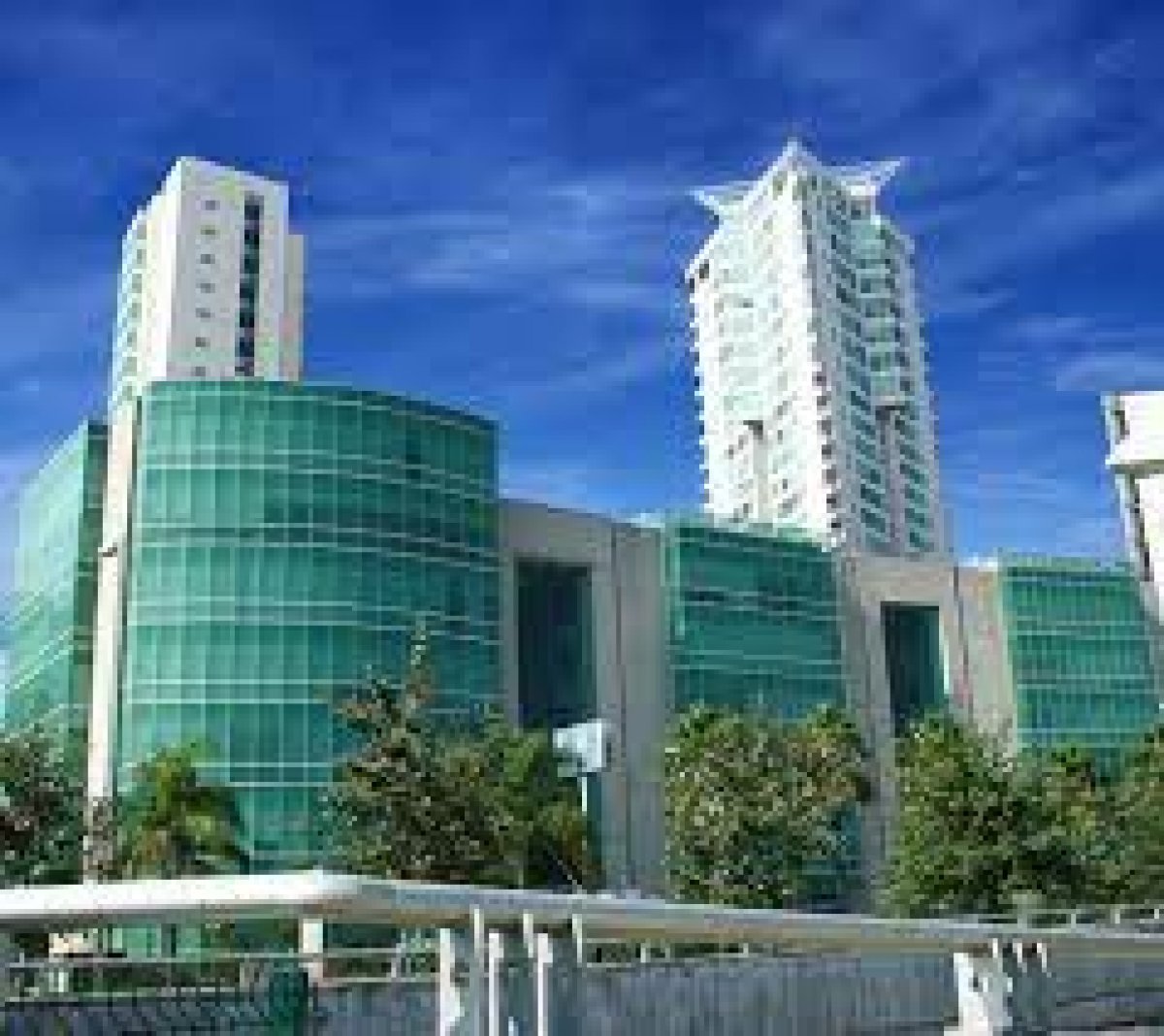
GDL Neurocirugía de Alta Especialidad

Hospital Zambrano Hellion






Narrathrive Therapeutic Systems

Hospital Angeles Lomas

Los mejores centros médicos de Neurocirugía pediátrica en México
- Hospital de la Familia, México
- GDL Neurocirugía de Alta Especialidad , México
- Hospital Zambrano Hellion, México
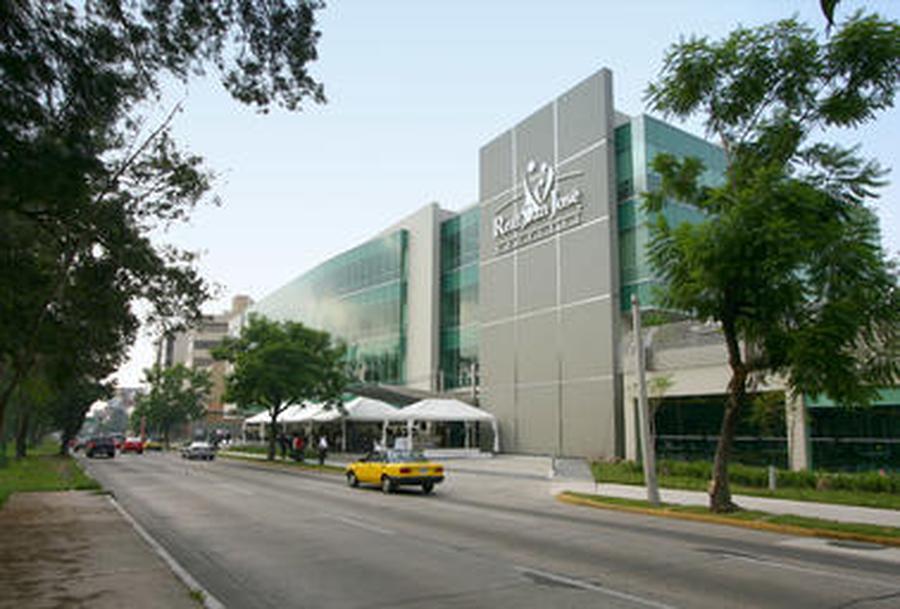
- Hospital Real San Jose, México
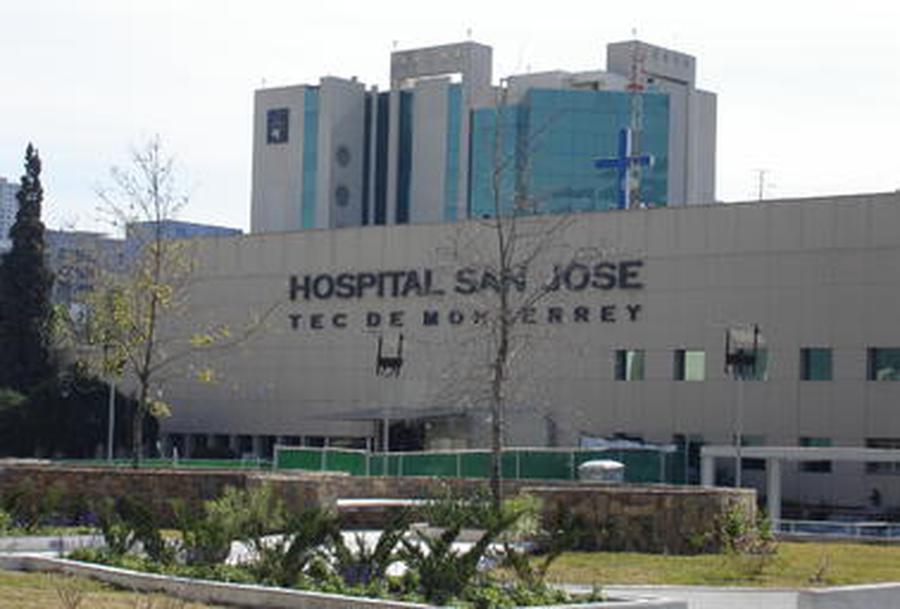
- Hospital San Jos Tecnolgico de Monterrey, México
- Alivia Clinica Monterrey, México
- Sani Dental Group Platinum, México
- Narrathrive Therapeutic Systems , México
- Hospital Angeles Lomas, México
- Sani Dental Group Cancun, México
Obtenga una evaluación médica para en México: Elija su especialista entre los mejores en el campo
Ver todos los médicos
Eduardo Fernandez
El Dr. Eduardo Fernández es un experto certificado en células madre, reconocido por las principales organizaciones de medicina regenerativa de México.
- Certificado por el Colegio Mexicano de Células Madre y Medicina Regenerativa
- En espera de la certificación internacional de la ISSCR, una prestigiosa sociedad mundial
- En proceso de obtener la membresía en la Sociedad Internacional de Vesículas Extracelulares (ISEV)
- Especializado en terapias de células madre de vanguardia y tratamientos regenerativos
Compartir contenido
Historias en video de pacientes de Bookimed
 Olena Sikoza
Preguntas frecuentes sobre Neurocirugía pediátrica en México
¿Qué formación y certificaciones tienen los neurocirujanos pediátricos en México?
Los neurocirujanos pediátricos en México completan de 11 a 13 años de formación médica avanzada. Esto incluye 6 años de escuela de medicina y un año de internado clínico. Los cirujanos luego terminan una residencia de 6 años en neurocirugía y una subespecialidad (fellowship) pediátrica de 2 años antes de recibir la certificación del consejo.
- Certificación del consejo: Los cirujanos deben estar certificados por el Consejo Mexicano de Cirugía Neurológica.
- Requisitos académicos: Los especialistas deben defender una tesis formal ante un panel universitario, a menudo a través de la UNAM.
- Formación de subespecialidad: Los mejores profesionales completan programas de alta especialidad enfocados en condiciones complejas del cerebro y la columna vertebral pediátrica.
- Membresías profesionales: Los expertos líderes a menudo se unen a la Sociedad Internacional de Neurocirugía Pediátrica (ISPN) para seguir estándares globales.
Perspectiva del experto de Bookimed: Las señales de calidad en México a menudo están vinculadas a afiliaciones institucionales más que solo a los años de práctica. Clínicas como GDL High Specialty Neurosurgery atienden a 690 pacientes anualmente, lo que demuestra un alto volumen clínico. Los datos muestran que los hospitales con acreditación CSG del Consejo de Salubridad General, como el Hospital de la Familia, cumplen con los
¿Qué ciudades ofrecen la atención neuroquirúrgica pediátrica de mayor calidad para pacientes internacionales?
Ciudad de México, Monterrey y Guadalajara son los principales centros de neurocirugía pediátrica de alta calidad en México. Estas ciudades albergan instalaciones con acreditaciones CSG y JCI. Los centros especializados manejan casos complejos como tumores cerebrales e hidrocefalia. Los neurocirujanos expertos a menudo brindan atención a costos un 40% más bajos que en los EE. UU.
- Ciudad de México: Centro esencial para hospitales pediátricos avanzados y personal neuroquirúrgico especializado.
- Monterrey: Cuenta con el Hospital San José Tecnológico de Monterrey con estándares de seguridad acreditados por la JCI.
- Guadalajara: Sede del Hospital Real San Jose, conocido por su neurocirugía y diseño moderno.
- Mexicali: Ofrece un acceso conveniente para pacientes estadounidenses en el Hospital de la Familia.
Perspectiva de expertos de Bookimed: Monterrey destaca como una opción estratégica para casos pediátricos internacionales. El Hospital Zambrano Hellion y la Clínica Alivia atienden juntos a más de 4,000 pacientes al año. Este alto volumen sugiere una coordinación simplificada para la atención neurológica compleja. Los principales hospitales de esta ciudad manejan con frecuencia referencias internacionales de EE. UU. y Canadá.
Consenso de los pacientes: Los pacientes señalan que, si bien la calidad de la atención es igua
¿Qué afecciones neuroquirúrgicas pediátricas se tratan de forma común y exitosa?
Los neurocirujanos pediátricos en México tratan con éxito la hidrocefalia, los tumores cerebrales y la epilepsia utilizando técnicas microquirúrgicas avanzadas. Centros especializados en Monterrey y Guadalajara gestionan defectos congénitos de la columna vertebral y malformaciones de Chiari. Estas instalaciones utilizan neuroendoscopia y neuronavigación para garantizar altas tasas de supervivencia y una recuperación rápida para los niños.
- Tratamiento de la hidrocefalia: Los cirujanos realizan colocaciones de derivación VP o ventriculostomías endoscópicas del tercer ventrículo para drenar el líquido.
- Resección de tumores: Los especialistas extirpan tumores cerebrales y de la hipófisis utilizando tecnología Gamma Knife o CyberKnife.
- Cirugía de epilepsia: Los procedimientos incluyen estimulación del nervio vago o resecciones focales para casos resistentes a la medicación.
- Reparaciones congénitas: Los equipos tratan la craneosinostosis y la espina bífida para apoyar el desarrollo neurológico normal.
Perspectiva del experto de Bookimed: Los datos muestran que los centros en Guadalajara y Monterrey a menudo gestionan mayores volúmenes, con el GDL High Specialty Neurosurgery atendiendo a más de 690 pacientes anualmente. Estas clínicas de alto volumen ofrecen frecuentemente costos más bajos para procedimientos complejos como las cirugías de der
¿Qué preguntas clave de seguridad deben hacer los padres durante una consulta quirúrgica?
Los padres deben preguntar sobre las certificaciones específicas en pediatría y la frecuencia con la que el cirujano realiza el procedimiento exacto. Verifique si el centro cuenta con acreditación CSG o JCI. Confirme la presencia de un anestesiólogo pediátrico dedicado. Pregunte por las tasas de éxito específicas y los protocolos de emergencia postoperatorios para niños.
- Experiencia del cirujano: Pregunte por el número de neurocirugías pediátricas realizadas en el último año.
- Acreditación clínica: Confirme la acreditación CSG por parte del Consejo de Salubridad General de México para los estándares de seguridad.
- Anestesia especializada: Asegúrese de que el anestesiólogo tenga formación específica en el manejo de problemas de las vías respiratorias pediátricas.
- Protocolos de emergencia: Solicite un plan detallado para el manejo de complicaciones postoperatorias como hidrocefalia o infecciones.
Perspectiva de expertos de Bookimed: Los centros de alto volumen en México muestran un patrón de seguridad específico. Clínicas como GDL High Specialty Neurosurgery atienden a 690 pacientes al año con un departamento enfocado. Esta concentración de casos a menudo conduce a equipos quirúrgicos más refinados en comparación con los hospitales generales multiespecialidad. Elegir un centro con altos volúmenes pediátricos generalmente garantiza que el pe
¿Cuánto tiempo deben permanecer las familias en México después de procedimientos comunes de neurocirugía pediátrica?
Las familias deben permanecer en México de 7 a 10 días después de una neurocirugía pediátrica. Este período permite a los cirujanos monitorear posibles complicaciones. También reduce riesgos como el pneumocéfalo durante los viajes aéreos. Los procedimientos intracraneales más complejos pueden requerir una estancia de 4 a 6 semanas para una recuperación completa.
- Estancia hospitalaria: La mayoría de los procedimientos, como la colocación de derivaciones (shunts), requieren 3 días de monitoreo hospitalario.
- Viajes aéreos: Organizaciones como la CAA aconsejan esperar 7 días antes de volar.
- Autorización médica: Las aerolíneas a menudo requieren un certificado de aptitud para volar para viajes dentro de los 10 días posteriores a la cirugía.
- Proximidad a la frontera: Las familias que viajan a EE. UU. en automóvil pueden hacerlo 7 días después de la cirugía si el paciente está estable.
Perspectiva del experto de Bookimed: Elija instalaciones con acreditación CSG, como el Hospital Real San Jose, para garantizar altos estándares de seguridad. Las clínicas cercanas a la frontera, como el Hospital de la Familia en Mexicali, son prácticas para las familias estadounidenses. Esta ubicación facilita el viaje por tierra y evita los riesgos de altitud asociados con volar después de una cirugía cerebral.
Consenso de los pacientes:
¿Cuáles son las ventajas reconocidas de operarse en México en comparación con otros países?
México ofrece neurocirugía pediátrica con importantes ahorros de costos y altos estándares médicos. Los pacientes acceden a atención especializada para afecciones como hidrocefalia y tumores cerebrales. Instalaciones como el Hospital San Jose Tecnologico de Monterrey cuentan con acreditación JCI. Los cirujanos expertos a menudo tienen formación internacional y certificaciones de la junta.
- Eficiencia de costos: La neurocirugía pediátrica suele costar entre _price_from_ y _price_to_ en México.
- Acceso rápido: Los pacientes a menudo programan procedimientos complejos en un plazo de 2 a 4 semanas.
- Tecnología avanzada: Los centros acreditados utilizan herramientas precisas como CyberKnife y Gamma Knife.
- Infraestructura especializada: Los principales hospitales de Monterrey y Guadalajara ofrecen unidades de cuidados intensivos pediátricos dedicadas.
Perspectiva de expertos de Bookimed: Los datos muestran una fuerte correlación entre el volumen de pacientes de una clínica y la calidad del servicio internacional. Instalaciones como Alivia Clinica Monterrey atienden a más de 4,000 pacientes anualmente. Estos centros de alto volumen a menudo brindan una logística más fluida para las familias. Con frecuencia incluyen coordinación especializada para imágenes y registros para ayudar con el seguimiento en el país de origen.
Consenso de
¿Necesitan las familias preparar traducciones al español de las imágenes y los registros médicos previos?
Por lo general, las familias no necesitan preparar traducciones al español para la neurocirugía pediátrica en México. Los principales centros privados a menudo aceptan registros en inglés e imágenes DICOM directamente. El personal suele encargarse de las traducciones internas. Este proceso permite realizar procedimientos complejos como la extirpación de tumores o cirugías de derivación sin retrasos en el diagnóstico.
- Formato de imagen: Proporcione archivos DICOM en lugar de PDF para que el neurocirujano pueda revisarlos directamente.
- Envío anticipado: Envíe los registros en inglés por correo electrónico con antelación para acelerar las consultas virtuales y la planificación.
- Precisión clínica: Evite las traducciones caseras para prevenir errores en la dosificación o en el historial quirúrgico.
- Tipo de centro: Los hospitales gubernamentales pueden requerir versiones certificadas en español, a diferencia de la mayoría de las clínicas privadas.
Opinión de expertos de Bookimed: Los datos de centros como GDL High Specialty Neurosurgery, que atiende a 690 pacientes al año, muestran que el intercambio digital directo de imágenes es más crítico que la traducción de documentos. Proporcionar escaneos originales de resonancia magnética o tomografía computarizada permite a los cirujanos utilizar su propio software para un mapeo quirúrgico preciso.