Neurocirugía pediátrica en Alemania: las 29 mejores clínicas con opiniones de pacientes


Revisado médicamente por
Fahad Mawlood
¿Cuál es el precio de procedimientos de Neurocirugía pediátrica en Alemania? Descubra ahora
La neurocirugía pediátrica en Alemania suele costar entre $17,700 y $47,900. El gasto total depende del diagnóstico específico, la complejidad del enfoque quirúrgico y la duración requerida de la hospitalización posoperatoria. Los pacientes internacionales a menudo descubren que estos procedimientos ofrecen un ahorro del 40-60% en comparación con los Estados Unidos.
Costos típicos de neurocirugía pediátrica en Alemania
- Consulta con un neurocirujano: de $520
- Resonancia magnética cerebral: Precio a consultar
- Extirpación de tumor cerebral: $20,000 – $25,000
- Tratamiento quirúrgico de la epilepsia: $40,000 – $70,000
- Cirugías de hidrocefalia, cirugías de derivación: Precio a consultar
- Gamma Knife: de $4,500
- Cirugía de tumor hipofisario: Precio a consultar
- Extirpación quirúrgica de quiste cerebral: Precio a consultar
- Cirugía para siringomielia: Precio a consultar
- CyberKnife: de $9,000
Los principales centros especializados se encuentran en Berlín, Múnich, Hamburgo y Solingen. Si bien los hospitales universitarios en las ciudades más grandes pueden tener tarifas administrativas más altas, los recursos tecnológicos siguen siendo consistentes en todo el país. Consulte con un especialista para obtener precios precisos para el caso médico específico de su hijo.
| Alemania | España | Turquía | |
|---|---|---|---|
| Tratamiento quirúrgico de la epilepsia | ≈ $40,000 | de $55,000 | de $13,500 |
| Tomoterapia | ≈ $7,500 | ≈ $7,500 | de $6,700 |
| Radiocirugía estereotáxica | ≈ $6,500 | de $18,100 | de $6,400 |
| Radiocirugía de un tumor cerebral | de $28,100 | de $12,000 | de $5,000 |
| Gamma Knife | de $4,500 | de $20,400 | de $5,500 |
Todas las enfermedades de Neurocirugía pediátrica
Sus beneficios y garantías con Bookimed
Precios directos
Bookimed no añade cargos extra a los precios de los tratamientos de Neurocirugía pediátrica. Las tarifas proceden de las listas de precios oficiales de las clínicas. Pagará directamente en la clínica por su tratamiento a su llegada al país.
Sólo clínicas y médicos verificados
Bookimed está comprometido con su seguridad. Solo trabajamos con las clínicas que mantienen altos estándares internacionales en el tratamiento de Neurocirugía pediátrica y tienen las licencias necesarias para atender a pacientes internacionales en todo el mundo.
Asistencia 24/7 gratuita
Bookimed ofrece asistencia experta gratuita. Un coordinador médico personal le apoya antes, durante y después del tratamiento, resolviendo cualquier problema. Nunca estará solo en su viaje médico de procedimientos de Neurocirugía pediátrica.

Su coordinador médico personal de Bookimed
- Le apoya en cada etapa
- Ayuda a elegir la clínica y el médico adecuados
- Asegura un acceso rápido y conveniente a la información
Descubra las mejores clínicas de Neurocirugía pediátrica en Alemania: 29 opciones verificadas y Precios


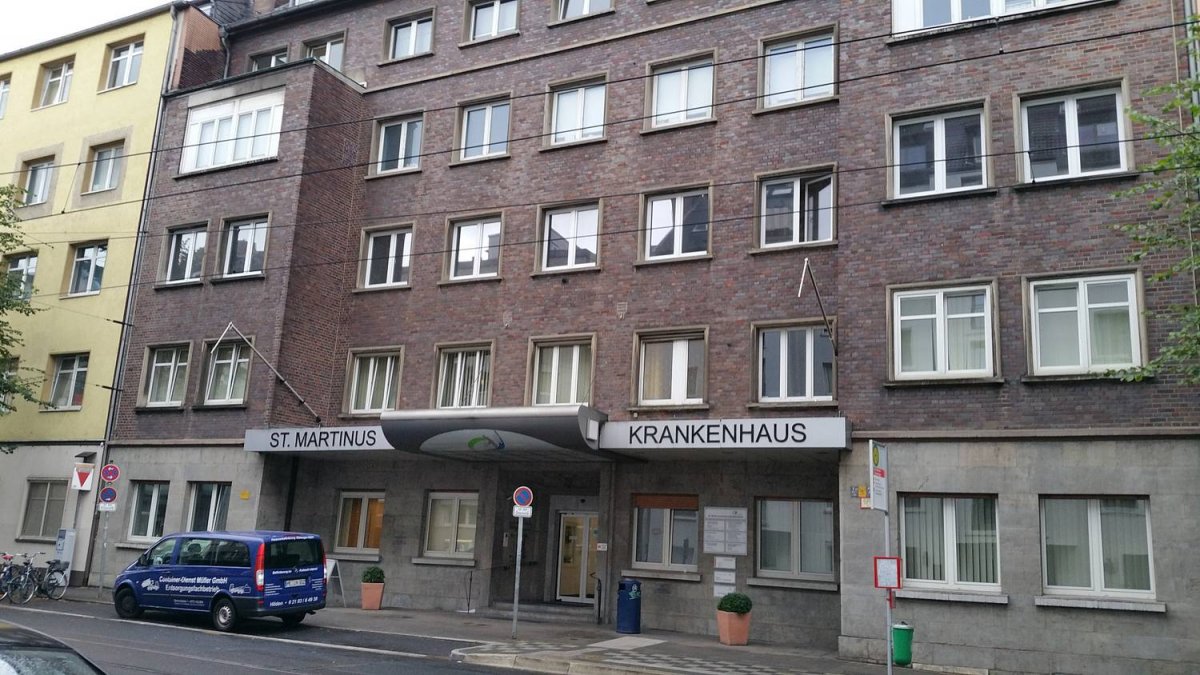
St. Martinus-Krankenhaus Düsseldorf

CDT-WEST Center of Diagnostics and Therapy




Hospital Havelhoehe





Kerckhoff clinic

Los mejores centros médicos de Neurocirugía pediátrica en Alemania
- Medical Center in Solingen, Alemania
- St. Martinus-Krankenhaus Düsseldorf, Alemania
- CDT-WEST Center of Diagnostics and Therapy, Alemania
- Nordwest Hospital, Alemania
- Nordrhein-Westfalen Clinic Complex, Alemania
- Hospital Havelhoehe, Alemania
- Charité, Alemania
- University Hospital Carl Gustav Carus Dresden, Alemania
- Kerckhoff clinic, Alemania
- Medical Center Rechts der Isar , Alemania
Obtenga una evaluación médica para en Alemania: Elija su especialista entre los mejores en el campo
Ver todos los médicos
Ernst-Johannes Haberl
El Prof. Ernst-Johannes Haberl es un destacado neurocirujano pediátrico especializado en neurocirugía endoscópica en la Charité – Universitätsmedizin Berlin.
- Experto en técnicas endoscópicas mínimamente invasivas
- Especializado en el tratamiento de la hidrocefalia y cirugía craneofacial
- Altamente valorado por los pacientes por su microneurocirugía de precisión
- Se centra en casos neuroquirúrgicos pediátricos complejos

Peter Ulrich
El Prof. Peter Ulrich dirige el Departamento de Neurocirugía de la Clínica Nordwest con más de 35 años de experiencia en microcirugía, especializándose en afecciones pediátricas complejas del cerebro y la columna vertebral.
- Especializado en microcirugía de cerebro y columna utilizando técnicas precisas
- Investigador publicado en neurobiología con reconocimiento internacional
- Miembro de las principales sociedades neuroquirúrgicas, incluyendo AANS y EANS
- Anteriormente dirigió departamentos de neurocirugía en cuatro clínicas alemanas

Jürgen Kiwit
El Prof. Kiwit dirige el Departamento de Neurocirugía de la Meoclinic Berlin. Realiza cirugías conservadoras que evitan abrir el cráneo cuando es posible.
- Más de 25 años de experiencia en neurocirugía
- Formado en el National Hospital for Neurology del Reino Unido
- Miembro de la American Association of Neurological Surgeons
- Experto en tumores cerebrales y trastornos de la circulación sanguínea
Reseñas
Todas las reseñasCompartir contenido
Historias en video de pacientes de Bookimed
 Olena Sikoza
Preguntas frecuentes sobre Neurocirugía pediátrica en Alemania
¿Qué distingue a los neurocirujanos pediátricos en Alemania de los neurocirujanos generales?
Los neurocirujanos pediátricos en Alemania se someten a una formación de especialización (fellowship) más allá de la residencia estándar de seis años. Se centran en la anatomía única y los matices del desarrollo de bebés y niños. Estos especialistas manejan condiciones congénitas como la espina bífida y la hidrocefalia utilizando instrumentos específicos para pediatría y técnicas quirúrgicas refinadas.
- Formación especializada: Los cirujanos completan un fellowship pediátrico de 1 a 2 años después de su residencia.
- Condiciones únicas: Tratan problemas específicos de la infancia como la craneosinostosis y los tumores cerebrales pediátricos.
- Equipo pediátrico: Los centros utilizan suturas más pequeñas y aparatos de anestesia especializados para bebés.
- Atención interdisciplinaria: Expertos como el Prof. Ernst-Johannes Haberl en Charité Berlín trabajan con equipos de neuropediatría.
Perspectiva del experto de Bookimed: Los centros de alto volumen en Alemania demuestran una seguridad superior al concentrar casos complejos. Clínicas como la Clínica Asklepios Nord, que cuenta con un departamento de pediatría dedicado, manejan volúmenes significativos de pacientes al año. Esta experiencia permite a los equipos perfeccionar técnicas ahorradoras y no invasivas que rara vez son practicadas por neurocirujanos generales en hospitales regionales más p
¿Cómo puedo verificar la experiencia de un cirujano para el procedimiento específico de mi hijo?
Verifique a un neurocirujano pediátrico en Alemania confirmando su especialización en neurocirugía infantil y revisando los volúmenes de procedimientos específicos del hospital. Concéntrese en hospitales universitarios con más de 50 casos al año. Verifique las credenciales a través del Arztregister y las membresías en la European Association of Neurosurgical Societies (EANS).
- Credenciales especializadas: Busque títulos de profesor y el estatus de jefe de departamento en centros académicos.
- Volumen hospitalario: Priorice las instalaciones que tratan a más de 60.000 pacientes, como el Centro Médico de Solingen.
- Certificaciones de expertos: Confirme las certificaciones TUV o ISO para una calidad estandarizada en neurocirugía pediátrica.
- Experiencia específica: Busque cirujanos como el Dr. Peter Ulrich con más de 35 años de experiencia.
Perspectiva de expertos de Bookimed: Los rankings médicos alemanes de fuentes como la revista Focus son indicadores fiables de excelencia clínica. Nuestros datos muestran que los centros mejor valorados, como la Clínica Nordwest, a menudo albergan institutos de investigación dedicados. Estas clínicas suelen manejar mayores volúmenes de casos complejos, lo que garantiza que los cirujanos mantengan una competencia técnica máxima mediante la práctica constante.
Consenso de los pacientes:
¿Qué tecnologías avanzadas utilizan las clínicas alemanas para los tumores cerebrales pediátricos?
Las clínicas alemanas tratan los tumores cerebrales pediátricos utilizando diagnósticos de precisión y cirugías que preservan el tejido. Las tecnologías clave incluyen la clasificación molecular impulsada por IA y la terapia de protones para tejidos en crecimiento. Los cirujanos utilizan resonancia magnética intraoperatoria y neuronavegación para una resección máxima. Estas herramientas avanzadas ayudan a preservar las funciones vitales del habla y motoras en los niños.
- Terapia de protones: La radiación de alta precisión se dirige a los tumores mientras protege las células cerebrales sanas en desarrollo.
- Resonancia magnética intraoperatoria (iMRI): Los escaneos en tiempo real durante la cirugía verifican la eliminación del tumor antes de que finalice el procedimiento.
- Neuronavegación: El mapeo digital ayuda a los cirujanos, como el Prof. Dr. Jürgen Kiwit, a navegar por la compleja anatomía cerebral.
- Diagnóstico molecular: Los algoritmos de IA clasifican los marcadores de ADN tumoral para personalizar los planes de tratamiento intensivos.
Opinión de expertos de Bookimed: Aunque muchos se centran en el equipo, nuestros datos muestran que los centros de alto volumen como la Clínica Nordwest (Krankenhaus) ofrecen una ventaja clara. Estas instalaciones integran institutos de investigación directamente en el entorno clínico. Esto permite a lo
¿Es siempre necesaria la cirugía o existen alternativas no quirúrgicas?
La cirugía no siempre es necesaria para las afecciones neuroquirúrgicas pediátricas en Alemania. Los especialistas suelen priorizar el manejo conservador o alternativas mínimamente invasivas. Las decisiones dependen del seguimiento regular y de diagnósticos especializados como la resonancia magnética (MRI). Alrededor del 30-50% de los casos pueden estabilizarse o resolverse sin ninguna intervención quirúrgica.
- Opciones no quirúrgicas: Incluyen la espera vigilante, fisioterapia y medicación para el control de los síntomas.
- Diagnóstico avanzado: La resonancia magnética cerebral cuesta entre Precio a consultar y Precio a consultar para un seguimiento preciso.
- Consultas especializadas: Las consultas con neurólogos expertos oscilan entre $190 y $340.
- Planificación del tratamiento: La creación de un plan de tratamiento profesional cuesta entre Precio a consultar y Precio a consultar en Alemania.
Perspectiva del experto de Bookimed: Los datos de los principales centros alemanes muestran una alta preferencia por el seguimiento no invasivo. Por ejemplo, en la Clínica Nordwest, que atiende a 61.000 pacientes al año, los cirujanos a menudo retrasan los procedimientos para afecciones como la hidrocefalia. Esta observación cuidadosa permite que algunos niños eviten la cirugía por completo si los síntomas perma
¿Qué hospitales son reconocidos internacionalmente por la neurocirugía pediátrica en Alemania?
Los hospitales alemanes reconocidos para la neurocirugía pediátrica incluyen la Charité – Universitätsmedizin Berlin, el Hospital Universitario de Heidelberg y la Clínica Nordwest. Estos centros utilizan tecnologías avanzadas como el Gamma Knife y la neuromonitorización en tiempo real. Cirujanos especializados tratan tumores cerebrales complejos, epilepsia e hidrocefalia según altos estándares médicos internacionales.
- Charité Berlin: Cuenta con el Prof. Dr. Ernst-Johannes Haberl, especialista en neurocirugía endoscópica mínimamente invasiva.
- Clínica Nordwest: Emplea al Prof. Dr. Peter Ulrich, quien se enfoca en microcirugía pediátrica compleja para tumores.
- Acceso tecnológico: Las instalaciones ofrecen tratamientos especializados que incluyen CyberKnife y cirugías conservadoras sin abrir el cráneo.
- Estándares de calidad: Los centros líderes poseen certificaciones JCI, ISO o clasificaciones de la revista Focus por su excelencia médica.
Perspectiva del experto de Bookimed: Si bien los hospitales universitarios como la Charité son famosos por la investigación, las clínicas especializadas como el Hospital Asklepios Barmbek a menudo brindan un acceso más rápido para las familias internacionales. Barmbek trata a más de 110,000 pacientes al año y cuenta con la certificación MTQA como una de las mejores opciones para los viajeros médicos. Este
¿Cómo debo preparar a mi hijo para la primera cita y una posible cirugía?
Preparar a un niño para la neurocirugía pediátrica en Alemania implica honestidad adecuada a su edad y familiaridad sensorial. Use un lenguaje sencillo como «arreglar un bulto» en lugar de términos médicos aterradores. Llevar un objeto de consuelo y visitar centros como el Centro Médico de Solingen ayuda a reducir la ansiedad antes de los diagnósticos.
- Momento adecuado según la edad: Hable con los niños pequeños 1 o 2 días antes y con los adolescentes cuando se programe la cirugía.
- Objetos de consuelo: Lleve un peluche o una manta favorita para brindar seguridad durante las resonancias magnéticas.
- Elección del lenguaje: Use términos como «siesta mágica» en lugar de «medicamento para dormir» para evitar asociaciones negativas.
- Visitas clínicas: Solicite un recorrido virtual o una visita de familiarización para que su hijo se adapte con antelación.
Perspectiva del experto de Bookimed: Las clínicas alemanas como la Clínica Nordwest a menudo cuentan con institutos de investigación en el lugar que perfeccionan los protocolos pediátricos. Este entorno de alto volumen garantiza que el personal, desde enfermeras hasta cirujanos como el Prof. Dr. Peter Ulrich, sean expertos en el manejo del estrés específico de los niños. La coordinación a través de estos centros de primer nivel a menudo permite a las familias programar consultas iniciales y dia
¿Pueden los padres quedarse a pasar la noche con su hijo en las unidades de neurocirugía pediátrica alemanas?
Los padres pueden quedarse a pasar la noche con su hijo en las unidades de neurocirugía pediátrica alemanas mediante una práctica llamada "rooming-in". Las salas estándar suelen proporcionar camas plegables o sillones reclinables para un padre. Esta política es común para niños menores de 9 años en centros como la Clínica Asklepios Nord.
- Límite de edad: El "rooming-in" suele ser estándar para niños menores de 9 años.
- Acceso a la UCI: Las unidades pueden limitar las estancias a un solo padre o utilizar casas para padres cercanas.
- Cobertura del seguro: El seguro público a menudo cubre los costos de los padres si la estancia es médicamente necesaria.
- Alojamiento especializado: Casas como Ronald McDonald ofrecen alojamiento de bajo costo cerca de los principales centros quirúrgicos.
Perspectiva del experto de Bookimed: Las clínicas alemanas con un alto volumen de pacientes, como la Clínica Nordwest donde atiende el Dr. Peter Ulrich, a menudo priorizan la presencia de los padres para estabilizar la recuperación. Los datos muestran que coordinar una solicitud de habitación individual con antelación puede evitar el traslado a alojamientos externos cuando las salas están llenas. Los hospitales que realizan más de 60.000 casos anuales suelen tener una logística más optimizada para el acceso de los padres las 24 horas del día, los 7 días de la se
¿Qué hospitales en Alemania tienen las calificaciones más altas en neurocirugía?
Alemania alberga algunos de los departamentos de neurocirugía más prestigiosos del mundo, liderados por la Charité – Universitätsmedizin Berlin y el Hospital Universitario de Heidelberg. Estos centros destacan en el tratamiento de tumores cerebrales complejos y enfermedades cerebrovasculares. Para maximizar la eficacia de sus procedimientos, utilizan tecnologías de vanguardia como la resonancia magnética intraoperatoria y la neuronavegación asistida por computadora.
- Charité Berlín: Realiza más de 5000 cirugías al año. La clínica está dirigida por el reconocido neurocirujano Dr. Peter Vaikoczy.
- Centro Médico Solingen: El Dr. Ralf Buhl ha realizado más de 4.000 cirugías, incluidas cirugías de columna mínimamente invasivas.
- Clínica Asklepios Nord: equipada con el único sistema de resonancia magnética intraoperatoria bilateral de Alemania para garantizar precisión quirúrgica en tiempo real durante la extirpación del tumor.
- Clínica Nordwest: reconocida por la revista Newsweek como un hospital líder por su innovación en tecnología de ultrasonido 3D.
Opinión experta de Bookimed: Los datos muestran que elegir centros con un alto volumen quirúrgico suele llevar a recomendaciones de tratamiento más conservadoras. En el Centro Médico Solingen, que atiende a más de 60.000 pacientes al año, los cirujanos suelen sugerir fisioterapia en lugar de cirugía
¿Cuáles son las tasas de éxito de los procedimientos neuroquirúrgicos complejos en Alemania?
En Alemania, los procedimientos neuroquirúrgicos de alta complejidad demuestran una seguridad excepcional. Las tasas de éxito en las fusiones espinales alcanzan el 99 %. La tasa de supervivencia en las resecciones de tumores cerebrales primarios es del 97 %. La independencia funcional es alta. Más del 82 % de los pacientes reciben el alta inmediatamente después del tratamiento. Los centros alemanes priorizan la preservación de la función neurológica mediante técnicas modernas de mapeo.
- Resección de tumores: los cirujanos logran una resección tumoral completa en el 87,2% de los casos de metástasis cerebrales.
- Éxito en el tratamiento de enfermedades vasculares: los hospitales alemanes informan de una tasa de supervivencia del 98,7% para aneurismas no rotos.
- Mejora del estado neurológico: casi el 43% de los pacientes experimentan una mejora de los parámetros funcionales después de resecciones complejas.
- Seguridad de las intervenciones quirúrgicas: En grandes centros quirúrgicos, las tasas de supervivencia de los pacientes después de la cirugía de columna son del 98-99%.
Opinión experta de Bookimed: Cirujanos experimentados como el Dr. Uwe Köhler, de la Clínica Asklepios Altona, realizan más de 2000 cirugías al año. Los datos muestran que estos especialistas mantienen tasas de éxito de hasta el 90 %, incluso en los tumores cerebrales más comp
¿Qué tecnologías avanzadas suelen estar disponibles en las clínicas neuroquirúrgicas alemanas?
Las clínicas neuroquirúrgicas alemanas incorporan regularmente instrumentos digitales de alta precisión y visualización en tiempo real a la práctica quirúrgica. Entre las tecnologías clave se encuentra la neuronavegación computarizada para cirugías de cerebro y médula espinal. Instituciones como la Clínica Asklepios Nord utilizan la resonancia magnética intraoperatoria para verificar la extirpación de tumores en tiempo real. Estos sistemas proporcionan a los cirujanos navegación GPS 3D.
- Neuronavegación: proporciona visualización 3D y seguimiento de instrumentos en tiempo real para lograr precisión quirúrgica hasta el nivel submilimétrico.
- Imágenes intraoperatorias: sistemas como iMRI y O-arm CT permiten la confirmación inmediata de una resección exitosa.
- Neuromonitorización: Monitorea las funciones motoras y sensoriales durante la cirugía para proteger el sistema nervioso.
- Diagnóstico de fluorescencia: se utiliza el colorante 5-ALA para resaltar los bordes del tumor para una eliminación más completa.
- Asistencia robótica: Sistemas como el Da Vinci mejoran la precisión en procedimientos complejos y mínimamente invasivos.
Opinión experta de Bookimed: Grandes centros como la Charité – Universitätsmedizin de Berlín realizan más de 4000 procedimientos neuroquirúrgicos al año, lo que crea un entorno rico en datos para p