Tratamiento de Aneurisma de la arteria cerebral en Alemania — obtenga 3 coincidencias personalizadas de clínicas


Revisado médicamente por
Fahad Mawlood
Cómo funciona
¿Cuál es el precio del diagnóstico y los tratamientos de Aneurisma de la arteria cerebral en Alemania? Descubra ahora
El costo del tratamiento de aneurisma de arteria cerebral en Alemania varía según el plan de tratamiento. La embolización endovascular, un procedimiento mínimamente invasivo, cuesta entre 11.200 € y 14.000 €. Para un enfoque quirúrgico más completo, que incluye diagnósticos y procedimientos como craneotomía, neuronavegación y neuromonitoreo intraoperatorio, el costo varía de 20.600 € a 25.300 €. El plan de tratamiento final y los costos asociados se determinan después de una evaluación detallada por parte de profesionales médicos.
| Alemania | España | Turquía | |
|---|---|---|---|
| Cirugía de tumor cerebral | de $22,000 | de $23,000 | de $15,500 |
Descubra las mejores clínicas de tratamiento de Aneurisma de la arteria cerebral en Alemania: 16 opciones verificadas y Precios


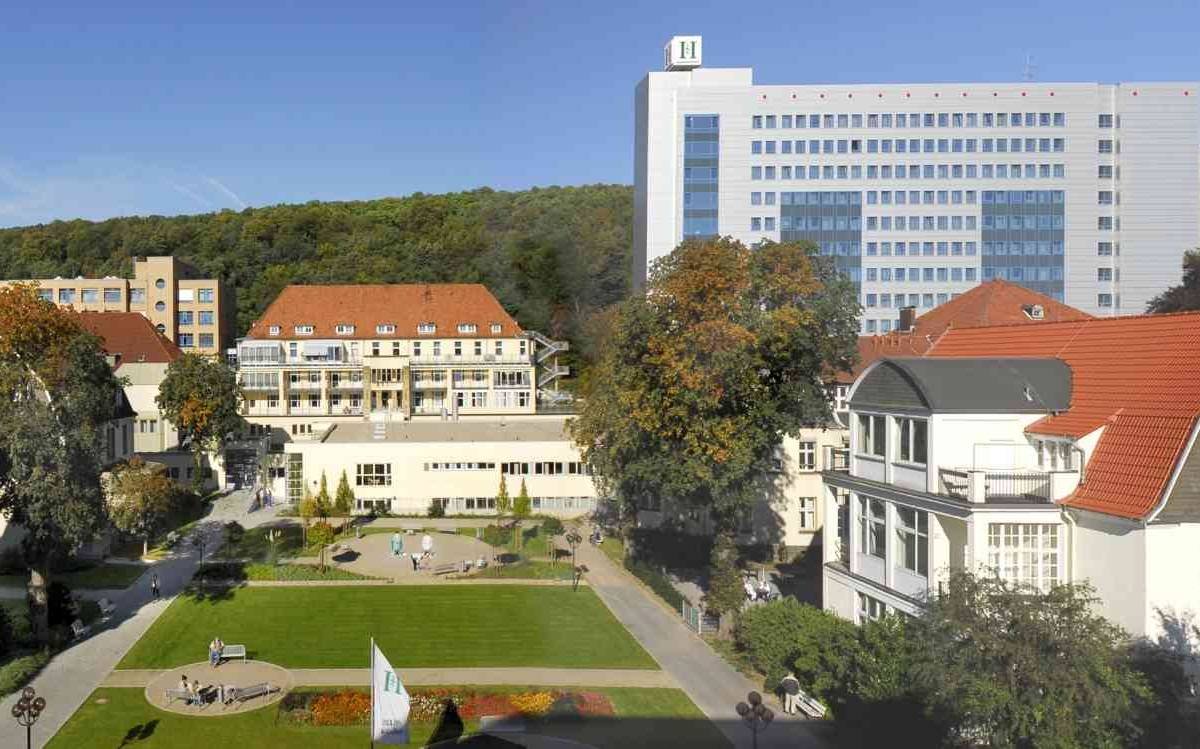







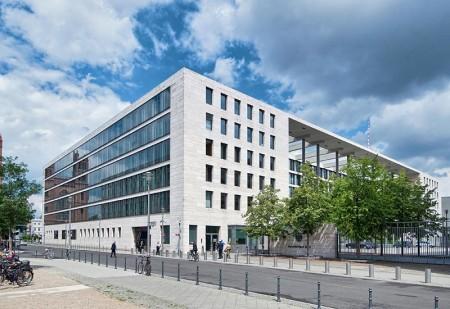
University Hospital Magdeburg

Elbland Clinic
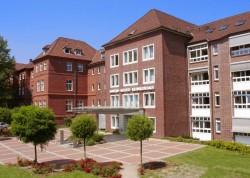
Martin Luther Hospital

Leopoldina Hospital Schweinfurt
Obtenga una evaluación médica para Aneurisma de la arteria cerebral en Alemania: consulte con doctores experimentados ahora
Ver todos los médicos
Max Zegelman
El profesor Max Zegelman, flebólogo y cirujano torácico de primer nivel, dirige el Departamento de Cirugía Torácica y Vascular de la Clínica Nordwest.
- Especializado en técnicas láser para cirugía torácica y endovascular
- Ponente frecuente en conferencias internacionales de cirugía torácica
- Autor de numerosas publicaciones científicas en revistas especializadas

Peter Vajkoczy
Como jefe de neurocirugía en el hospital universitario más grande de Europa, su equipo realiza más de 4.000 neurocirugías al año, incluidos casos cerebrovasculares complejos.
- Especializado en el diagnóstico y tratamiento de trastornos cerebrovasculares como aneurismas
- Galardonado con el prestigioso premio al Joven Neurocirujano Investigador de la Federación Mundial de Sociedades de Neurocirugía
- Ha ocupado un cargo directivo en neurocirugía en Charité desde 2008
- Formado en medicina en la reconocida Universidad Ludwig Maximilian de Múnich
- También recibió el premio Hermann Rein por su investigación en biología vascular
Compartir contenido
Historias en video de pacientes de Bookimed
 Olena Sikoza
Preguntas frecuentes sobre el tratamiento de Aneurisma de la arteria cerebral en Alemania
¿Qué opciones de tratamiento existen en Alemania para los aneurismas complejos de las arterias cerebrales?
Los centros neurovasculares alemanes tratan los aneurismas complejos de las arterias cerebrales mediante intervenciones endovasculares avanzadas y técnicas microquirúrgicas. Los especialistas utilizan stents de desviación de flujo, disrupción intrasacular y clipaje microquirúrgico. Los hospitales académicos de gran volumen, como el Charité de Berlín y el Centro Médico de Solingen, realizan miles de procedimientos neurovasculares al año utilizando imágenes intraoperatorias en tiempo real.
- Intervenciones endovasculares: Los stents de desviación de flujo redirigen el flujo sanguíneo para permitir la curación de la pared del vaso.
- Coiling especializado: El coiling asistido por balón o stent asegura los aneurismas de cuello ancho.
- Clipaje microquirúrgico: Los cirujanos utilizan clips de titanio para excluir permanentemente el aneurisma.
- Reconstrucción vascular: Los casos complejos pueden requerir un bypass extracraneal-intracraneal (EC-IC) para redirigir la sangre.
- Diagnóstico avanzado: Los centros utilizan resonancia magnética con contraste y tomografía computarizada vascular para un mapeo preciso.
Perspectiva del experto de Bookimed: El volumen de pacientes es un indicador principal de seguridad para los casos neurovasculares complejos en Alemania. El Charité de Berlín trata a más de 845.000 pacientes al año y rea
¿Cómo se comparan las tasas de seguridad y éxito en Alemania con los puntos de referencia globales?
Alemania supera los puntos de referencia globales con una tasa de mortalidad evitable de 129 por cada 100.000 habitantes, superando el promedio de la OCDE. Para el tratamiento de aneurismas de arterias cerebrales, el éxito se debe a centros académicos de alto volumen y equipos neuroquirúrgicos multidisciplinarios. Los pacientes se benefician de un acceso rápido a imágenes vasculares avanzadas y angiografía.
- Tasas de éxito: Alemania reporta 66 muertes tratables por cada 100.000, superando el promedio global de 77.
- Volumen quirúrgico: El Prof. Dr. Peter Vajkoczy lidera equipos que realizan más de 4.000 neurocirugías al año.
- Seguridad de la infraestructura: Alemania proporciona 7,8 camas de hospital por cada 1.000 personas para márgenes de seguridad en crisis.
- Estándares de calidad: Instalaciones como el Complejo Clínico de Renania del Norte-Westfalia mantienen certificaciones especializadas rigurosas, incluyendo KTQ.
Opinión de expertos de Bookimed: Aunque muchos buscan el país más seguro, nuestros datos muestran que el volumen de la clínica es el verdadero indicador de éxito. Por ejemplo, el Complejo Clínico de Renania del Norte-Westfalia atiende a más de 145.000 pacientes al año. Elegir hospitales universitarios de alta capacidad como Charité o Düsseldorf garantiza el acceso a equipos multidisciplinarios que manejan casos vasculares com
¿Qué es mejor para mí: el clipaje quirúrgico o el embolizado con coils?
La elección entre el clipaje quirúrgico y el embolizado con coils depende de la forma y ubicación del aneurisma, así como de su estado de salud. El clipaje ofrece una alta durabilidad a largo plazo para aneurismas de cuello ancho. El embolizado es una alternativa mínimamente invasiva que generalmente permite un retorno más rápido a las actividades diarias.
- Invasividad: El embolizado utiliza un catéter; el clipaje requiere una craneotomía para acceder al cerebro.
- Tiempo de recuperación: Los pacientes de embolizado se recuperan en semanas, mientras que el clipaje requiere meses para una curación completa.
- Durabilidad a largo plazo: El clipaje tiene una tasa de éxito superior al 95% en la prevención de recurrencias durante décadas.
- Necesidades de seguimiento: El embolizado requiere escáneres de imagen regulares para monitorear posibles desplazamientos de los coils.
Perspectiva del experto de Bookimed: Los hospitales universitarios alemanes como Charité o Düsseldorf gestionan volúmenes de pacientes extremadamente altos; Charité atiende a más de 840,000 pacientes al año. Este volumen es un indicador de calidad crítico para la neurocirugía compleja. El Prof. Dr. Peter Vajkoczy en Charité, por ejemplo, lidera un equipo que realiza más de 4,000 cirugías al año. Los pacientes deben priorizar centros con estas afiliaciones académicas de alto volu
¿Cómo es el proceso de tratamiento para un paciente internacional?
El proceso del paciente para el tratamiento de un aneurisma de arteria cerebral en Alemania comienza con una evaluación médica remota de los registros y una revisión de las imágenes DICOM. Los neurocirujanos especialistas en centros universitarios priorizan los casos según la urgencia. El viaje generalmente requiere dos semanas para la logística, seguidas de procedimientos hospitalarios especializados como el coiling endovascular o el clipping abierto.
- Evaluación médica: Los especialistas revisan las imágenes DICOM completas para determinar la urgencia del tratamiento.
- Planificación del tratamiento: Los neurocirujanos eligen entre coiling, desviadores de flujo o clipping quirúrgico abierto.
- Estancia hospitalaria: La recuperación hospitalaria incluye monitoreo 24/7 y posible observación en cuidados intensivos.
- Seguimiento postoperatorio: Los comités multidisciplinarios revisan los resultados de las imágenes tres meses después del procedimiento.
Perspectiva del experto de Bookimed: Los principales centros neurovasculares de Alemania, como Charité y Nordwest, atienden a más de 60.000 pacientes al año. Nuestros datos muestran que los centros de alto volumen a menudo utilizan consultas iterativas. Es posible que necesite una angiografía en persona antes de un consenso quirúrgico final. Este enfoque meticuloso garantiza que la técnica se ajus
¿Cuánto dura la recuperación y cuándo puedo volar a casa?
Los pacientes suelen volar a casa entre 7 y 14 días después de un coiling endovascular. El clipping abierto requiere de 4 a 8 semanas antes de que sea seguro viajar en avión. Los neurocirujanos alemanes deben confirmar la ausencia de inflamación cerebral. También verifican que la presión intracraneal sea estable antes de emitir certificados de aptitud para volar.
- Estancia hospitalaria: Espere de 2 a 5 días para un coiling o de 10 a 14 días para un clipping abierto.
- Actividad física: Caminar suele comenzar dentro de las 24 horas posteriores a los procedimientos endovasculares.
- Manejo de síntomas: La fatiga y los dolores de cabeza suelen persistir durante varias semanas durante la recuperación.
- Monitoreo neurológico: Las resonancias magnéticas o tomografías computarizadas postoperatorias aseguran que el aneurisma haya sido excluido con éxito.
Perspectiva de expertos de Bookimed: Los hospitales universitarios alemanes como Charité o la Clínica Nordwest ofrecen una ventaja de seguridad para los pacientes internacionales. El equipo del Prof. Dr. Med. Peter Vajkoczy realiza más de 4.000 cirugías al año. Este alto volumen garantiza que los cirujanos sean expertos en el manejo de los riesgos específicos de la presión de cabina para pacientes cerebrales postoperatorios.
Consenso de los pacientes: Los pacientes señalan que
¿Qué hospitales o médicos debería considerar en Alemania para el tratamiento de un aneurisma?
Alemania ofrece centros neuroquirúrgicos líderes para el tratamiento de aneurismas cerebrales. Las mejores opciones incluyen Charité Universitätsmedizin Berlin y el Hospital Nordwest. Estas instalaciones se especializan en clipping microquirúrgico y coiling endovascular. El Prof. Dr. Peter Vajkoczy en Charité es un experto reconocido mundialmente que realiza miles de neurocirugías al año.
- Centros especializados: Charité Berlin gestiona 4.000 casos neurovasculares al año.
- Cirujanos expertos: El Prof. Dr. Peter Vajkoczy se especializa en trastornos cerebrovasculares complejos.
- Diagnóstico avanzado: Las clínicas utilizan resonancia magnética con contraste y tomografía computarizada para un mapeo preciso.
- Atención multidisciplinaria: Los grandes hospitales universitarios ofrecen neurocirugía y neurorradiología intervencionista.
Perspectiva del experto de Bookimed: El volumen de pacientes es un indicador de calidad importante en Alemania. Charité Berlin atiende a más de 800.000 pacientes al año. Esta alta frecuencia se correlaciona con mejores resultados en procedimientos neurovasculares complejos. Elegir centros con grandes volúmenes de pacientes generalmente garantiza el acceso a técnicas quirúrgicas más refinadas.
Consenso de los pacientes: Los pacientes señalan que los grandes centros universitarios ofrecen más co
¿Qué hospitales en Alemania tienen las calificaciones más altas en neurocirugía?
Alemania alberga algunos de los departamentos de neurocirugía más prestigiosos del mundo, liderados por la Charité – Universitätsmedizin Berlin y el Hospital Universitario de Heidelberg. Estos centros destacan en el tratamiento de tumores cerebrales complejos y enfermedades cerebrovasculares. Para maximizar la eficacia de sus procedimientos, utilizan tecnologías de vanguardia como la resonancia magnética intraoperatoria y la neuronavegación asistida por computadora.
- Charité Berlín: Realiza más de 5000 cirugías al año. La clínica está dirigida por el reconocido neurocirujano Dr. Peter Vaikoczy.
- Centro Médico Solingen: El Dr. Ralf Buhl ha realizado más de 4.000 cirugías, incluidas cirugías de columna mínimamente invasivas.
- Clínica Asklepios Nord: equipada con el único sistema de resonancia magnética intraoperatoria bilateral de Alemania para garantizar precisión quirúrgica en tiempo real durante la extirpación del tumor.
- Clínica Nordwest: reconocida por la revista Newsweek como un hospital líder por su innovación en tecnología de ultrasonido 3D.
Opinión experta de Bookimed: Los datos muestran que elegir centros con un alto volumen quirúrgico suele llevar a recomendaciones de tratamiento más conservadoras. En el Centro Médico Solingen, que atiende a más de 60.000 pacientes al año, los cirujanos suelen sugerir fisioterapia en lugar de cirugía
¿Cuáles son las tasas de éxito de los procedimientos neuroquirúrgicos complejos en Alemania?
En Alemania, los procedimientos neuroquirúrgicos de alta complejidad demuestran una seguridad excepcional. Las tasas de éxito en las fusiones espinales alcanzan el 99 %. La tasa de supervivencia en las resecciones de tumores cerebrales primarios es del 97 %. La independencia funcional es alta. Más del 82 % de los pacientes reciben el alta inmediatamente después del tratamiento. Los centros alemanes priorizan la preservación de la función neurológica mediante técnicas modernas de mapeo.
- Resección de tumores: los cirujanos logran una resección tumoral completa en el 87,2% de los casos de metástasis cerebrales.
- Éxito en el tratamiento de enfermedades vasculares: los hospitales alemanes informan de una tasa de supervivencia del 98,7% para aneurismas no rotos.
- Mejora del estado neurológico: casi el 43% de los pacientes experimentan una mejora de los parámetros funcionales después de resecciones complejas.
- Seguridad de las intervenciones quirúrgicas: En grandes centros quirúrgicos, las tasas de supervivencia de los pacientes después de la cirugía de columna son del 98-99%.
Opinión experta de Bookimed: Cirujanos experimentados como el Dr. Uwe Köhler, de la Clínica Asklepios Altona, realizan más de 2000 cirugías al año. Los datos muestran que estos especialistas mantienen tasas de éxito de hasta el 90 %, incluso en los tumores cerebrales más comp
¿Qué tecnologías avanzadas suelen estar disponibles en las clínicas neuroquirúrgicas alemanas?
Las clínicas neuroquirúrgicas alemanas incorporan regularmente instrumentos digitales de alta precisión y visualización en tiempo real a la práctica quirúrgica. Entre las tecnologías clave se encuentra la neuronavegación computarizada para cirugías de cerebro y médula espinal. Instituciones como la Clínica Asklepios Nord utilizan la resonancia magnética intraoperatoria para verificar la extirpación de tumores en tiempo real. Estos sistemas proporcionan a los cirujanos navegación GPS 3D.
- Neuronavegación: proporciona visualización 3D y seguimiento de instrumentos en tiempo real para lograr precisión quirúrgica hasta el nivel submilimétrico.
- Imágenes intraoperatorias: sistemas como iMRI y O-arm CT permiten la confirmación inmediata de una resección exitosa.
- Neuromonitorización: Monitorea las funciones motoras y sensoriales durante la cirugía para proteger el sistema nervioso.
- Diagnóstico de fluorescencia: se utiliza el colorante 5-ALA para resaltar los bordes del tumor para una eliminación más completa.
- Asistencia robótica: Sistemas como el Da Vinci mejoran la precisión en procedimientos complejos y mínimamente invasivos.
Opinión experta de Bookimed: Grandes centros como la Charité – Universitätsmedizin de Berlín realizan más de 4000 procedimientos neuroquirúrgicos al año, lo que crea un entorno rico en datos para p
¿Qué formación especializada reciben los neurocirujanos en ejercicio en Alemania?
En Alemania, los neurocirujanos deben completar una residencia especializada de seis años tras graduarse de la facultad de medicina. Este programa estructurado incluye cuidados intensivos, práctica clínica y una revista quirúrgica obligatoria. Posteriormente, los candidatos aprueban un examen estatal para obtener el título de residente (Facharzt für Neurochirurgie).
- Residencia clínica: requiere de 48 a 72 meses de práctica neuroquirúrgica especializada.
- Cuidados intensivos: incluye una pasantía obligatoria de 6 meses en una unidad de cuidados intensivos neuroquirúrgicos.
- Revista quirúrgica: los cirujanos documentan cientos de cirugías, incluidas craneotomías y cirugías de columna.
- Examen de licencia: Los solicitantes deben aprobar un examen médico oral y práctico administrado por el estado.
Opinión experta de Bookimed: La formación neuroquirúrgica alemana se centra en una amplia experiencia quirúrgica. Por ejemplo, el Dr. Ralf Buhl, del Centro Médico Solingen, ha realizado más de 4000 cirugías. El Dr. Jürgen Kiwit, del Hospital Meoklinik, cuenta con más de 25 años de experiencia. Este riguroso sistema garantiza que los especialistas de los principales centros aborden casos complejos con una precisión demostrada.
Comentarios de los pacientes: Los pacientes se sienten seguros al saber que sus médicos han recibido año